
Yes, female reindeer do have antlers, making them unique among deer species. This article explores the fascinating biology behind female reindeer antlers, their significance for survival, and how to identify male and female reindeer.
Understanding Antlers in Female Reindeer
Female reindeer are fascinating creatures, and their antlers contribute significantly to their survival. Let’s dive into the unique characteristics of these antlers, how they grow, and why they matter.
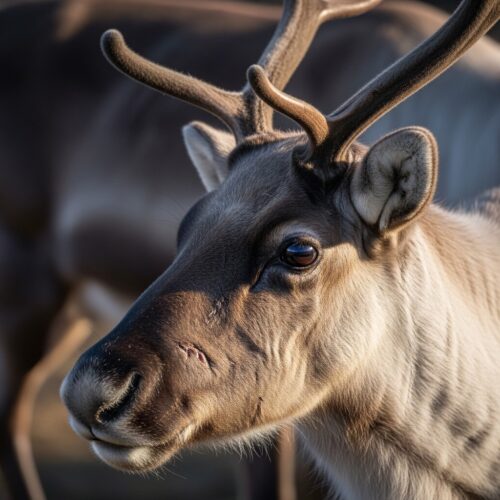
The Unique Growth Cycle of Female Antlers
Unlike most deer species, female reindeer (Rangifer tarandus) grow antlers. Here’s how their growth cycle works:
- Size: Female antlers are smaller than males, averaging about 20 inches. In contrast, male antlers can reach up to 50 inches.
- Growth Timing: Female reindeer typically grow their antlers in the spring. They shed them in May, shortly after giving birth to calves. However, they start regrowing soon after, ensuring they have antlers during vulnerable months of pregnancy.
- Health Indicator: The size and condition of a female’s antlers often reflect her overall health. A robust set of antlers indicates good nutrition and vitality.
Structural Differences Between Male and Female Antlers
While both male and female reindeer have antlers, there are key differences in their structure and purpose:
- Thickness and Shape: Female antlers are usually thinner and less branched than male antlers. This difference is crucial for their survival strategies.
- Competition for Resources: Antlers help female reindeer compete for food and resources, especially during scarce periods. Larger antlers can provide an advantage in social hierarchies among females, allowing them to access better feeding spots.
Identification Tips for Male and Female Reindeer
Knowing the differences between male and female antlers can help you identify these majestic animals easily:
Table of Contents
- Look for Antler Size: If you see a reindeer with smaller antlers, it’s likely female.
- Check the Timing: If you spot a reindeer without antlers in late spring, it’s probably a female just after shedding.
- Observe Behavior: Female reindeer may display different feeding behaviors, especially when pregnant or caring for calves.
By understanding these unique traits of female reindeer antlers, you can appreciate their role in survival and adaptation in harsh environments.
The Role of Antlers in Survival and Competition
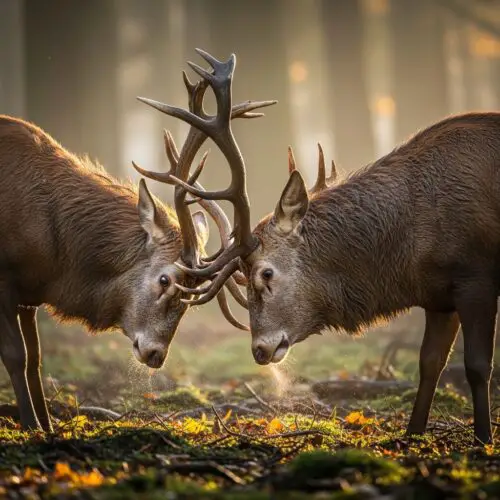
Antlers play a crucial role in the survival of female reindeer, especially during challenging seasons. They are not just for show; they are vital tools for foraging and asserting dominance within herds.
Antlers as Tools for Foraging and Resource Competition
Female reindeer grow smaller but functional antlers. These antlers help them dig through snow to find food during harsh winters. This is especially important when resources are scarce. Here’s how it works:
- Food Access: Antlers allow females to reach buried lichen and other vegetation. This ensures they get enough nutrition, especially while pregnant.
- Competition: In winter, females with antlers can compete better for food. They can use their antlers to push other reindeer aside, securing access to essential resources.
For example, during a particularly tough winter, a female with larger antlers was able to forage successfully while others struggled. This not only helped her but also ensured her calves received the nutrition they needed.
Dominance and Social Hierarchy Among Reindeer
Antlers also play a role in social dynamics. Female reindeer use their antlers to establish dominance. This affects their position within the herd.
- Hierarchy: Females with larger antlers tend to have higher social status. They win more confrontations for food and space.
- Reproductive Success: Dominance can lead to better access to food, which is crucial during calving season. A well-fed female is more likely to successfully raise her calves.
In a study of a reindeer herd, researchers noted that the top-ranking females, identified by their antler size, were more successful in nurturing their young. This highlights the importance of antlers in both competition and survival strategies.
Understanding these dynamics not only clarifies why female reindeer have antlers but also showcases their significance in the harsh environments they inhabit.
Seasonal Patterns: Shedding and Growth Timing
Understanding the seasonal patterns of antler growth and shedding in female reindeer is key to identifying them. Their timeline differs quite a bit from males, and it all ties back to their unique biology and survival strategies.
When Do Female Reindeer Shed Their Antlers?
Female reindeer typically shed their antlers later than males. Here’s a quick look at their shedding schedule:
- Growth Begins: Females start growing their antlers in May. This is usually a few weeks after males.
- Full Growth: By late summer, their antlers are fully developed and covered in velvet.
- Shedding Time: Females generally shed their antlers in May or June, just after giving birth to their calves.
- Retention Duration: Pregnant females may keep their antlers through winter, providing protection during a vulnerable time.
This pattern ensures that female reindeer have their antlers at their fullest during critical periods, especially when raising young.
Hormonal Influences on Antler Growth Timing
Hormones play a major role in when female reindeer grow and shed their antlers. Here’s how it works:
- Hormonal Fluctuations: Female reindeer experience changes in progesterone and estrogen during pregnancy. These hormones can delay antler shedding until after calving.
- Nutritional Impact: Health and nutrition also influence antler growth. A well-fed female will likely have larger, healthier antlers.
Understanding these hormonal influences helps explain why female reindeer retain their antlers longer than most other deer species. For instance, while male reindeer shed their antlers after the breeding season, females hold onto theirs to navigate the harsh winter.
Quick Reference: Antler Growth and Shedding Timeline
| Stage | Male Reindeer | Female Reindeer |
|---|---|---|
| Growth Starts | Late April | Early May |
| Fully Grown | Late summer | Late summer |
| Shedding Time | November – December | May – June |
| Retention Duration | Short, only until breeding | Longer, often through winter |
This timeline illustrates the stark contrast in antler management between male and female reindeer. It’s all about survival, competition, and the right timing!
Alternative Identification Methods for Reindeer
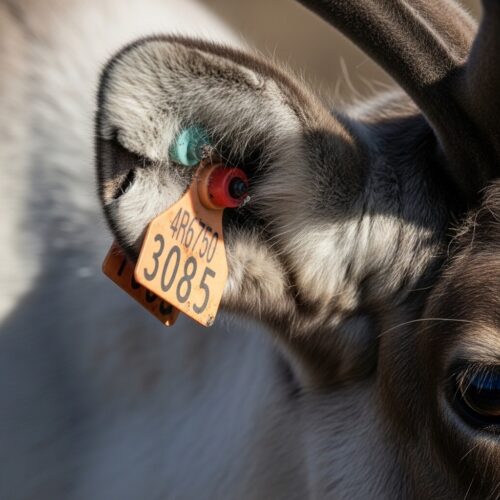
Identifying male and female reindeer goes beyond just looking at their antlers. There are other physical and behavioral traits that can help you distinguish between the two. Let’s explore some of these features!
Identifying Features Beyond Antlers
1. Body Size:
- Male reindeer are generally larger than females.
- Males can weigh up to 600 pounds, while females usually weigh around 300 pounds.
2. Facial Features:
- Males have broader, more robust faces.
- Females tend to have slimmer, more delicate features.
3. Coloration:
- Males may have darker coats during the summer months.
- Females often have lighter, more mottled fur, especially during calving season.
Behavioral Differences During Mating Season
Behavior also plays a big role in identifying reindeer.
- Mating Calls:
- Males are more vocal during the mating season, using grunts and bellows to attract females.
- Social Behavior:
- Males tend to roam and establish dominance through displays and physical confrontations.
- Females often stay in groups, especially when pregnant, to support each other and protect their young.
Quick Identification Checklist
Use this simple checklist to help identify male and female reindeer based on physical traits and behaviors:
| Trait | Male Reindeer | Female Reindeer |
|---|---|---|
| Size | Larger (up to 600 lbs) | Smaller (around 300 lbs) |
| Facial Features | Broad and robust | Slim and delicate |
| Coat Color | Darker in summer | Lighter, mottled |
| Mating Behavior | Vocal during mating season | Group-oriented, less vocal |
With these tips, you’ll be better equipped to identify male and female reindeer in the wild!
Frequently Asked Questions
These quick answers cover the most common questions about this topic, including key details, practical tips, and common concerns.
How to know if a reindeer is male or female?
You can identify a male or female reindeer mainly by their antlers and size. Males usually have larger, more branched antlers and are generally bigger. Females have smaller, less complex antlers and tend to be smaller in overall size. Behavioral cues during mating season, such as vocalizations and social patterns, can also help distinguish them.
Why can’t reindeer eat carrots?
Reindeer have specialized digestive systems designed to process their natural diet, mainly lichens, mosses, and grasses. Carrots are not part of their typical diet and can upset their stomachs or cause digestive issues. Their teeth and gut flora are adapted for rough, fibrous plants, not processed vegetables like carrots.
What is a male baby reindeer called?
A male baby reindeer is called a calf. Both male and female calves are born after a gestation period of about 7 to 8 months. They are typically born in the spring and are cared for by their mothers until they are old enough to forage on their own.
Are any of Santa’s reindeers a girl?
Yes, some of Santa’s reindeer could be female. Female reindeer have antlers, which are often depicted in stories and illustrations. During the winter, female reindeer retain their antlers longer than males, making it possible that some of Santa’s reindeer are females, especially if they are shown with antlers during Christmas.
What happens if a female reindeer doesn’t grow antlers?
If a female reindeer doesn’t grow antlers, it might be due to health, nutritional deficiencies, or genetic factors. Lack of antler growth can affect her ability to compete for resources and establish dominance within the herd. However, she can still survive and reproduce without antlers, though her social standing might be lower.
Do all female reindeer have antlers?
Most female reindeer do grow antlers, but there are exceptions. Some may have very small or underdeveloped antlers, especially if they are malnourished or have health issues. The presence and size of antlers can vary based on age, health, and environmental conditions.
How do female reindeer use their antlers?
Female reindeer use their antlers primarily for foraging and social interactions. They dig through snow to access food and compete for resources within the herd. Antlers also help establish dominance, especially during the breeding season, influencing access to mates and feeding grounds.
What is the significance of antlers in reindeer behavior?
Antlers are vital for social hierarchy and survival. They help reindeer establish dominance, compete for food, and defend themselves. During the breeding season, antlers are used in displays and fights to attract mates. They also aid in foraging, especially in winter when food is buried under snow.
How can you tell the age of a reindeer by its antlers?
You can estimate a reindeer’s age by examining its antlers. Younger reindeer have smaller, less branched antlers. As they age, antlers become larger and more complex, with more tines and branches. However, environmental factors can influence growth, so this method provides an approximate age rather than an exact number.
What are the differences between reindeer and other deer species?
Reindeer are unique among deer because both males and females grow antlers, unlike most other species where only males do. Reindeer are also adapted to cold environments with specialized hooves for snow. Their size, antler structure, and seasonal behaviors set them apart from other deer like white-tailed or mule deer.