
Chipmunks do not truly hibernate like bears; instead, they enter a lighter state called torpor. This article explores the nuances of chipmunk hibernation, detailing how these small rodents survive the winter months through unique physiological and behavioral adaptations.
Understanding Hibernation and Torpor in Chipmunks
Chipmunks have a unique way of surviving the winter. While they don’t hibernate like some animals, they do enter a state called torpor. Let’s break down what that means.
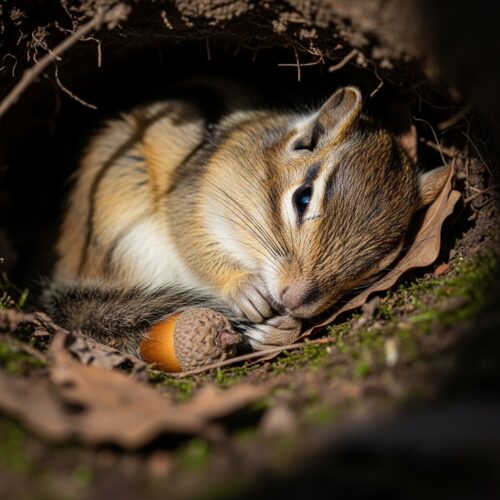
What is Hibernation?
Hibernation is a deep, prolonged state of dormancy. During hibernation, an animal’s body temperature drops significantly, often nearing freezing. This allows them to save energy over long periods. True hibernators, like groundhogs, can stay in this state for weeks or even months. They rely solely on body fat for fuel.
What is Torpor?
Torpor, on the other hand, is a lighter form of dormancy. Chipmunks enter torpor to conserve energy, but they don’t stay in this state for long. Their body temperature does drop, but not as dramatically as in true hibernation. Chipmunks wake up periodically to feed, which means they still need access to food during the winter months.
Key Differences Between Hibernation and Torpor
| Feature | Hibernation | Torpor |
|---|---|---|
| Duration | Weeks to months | Hours to days |
| Body Temperature | Drops near freezing | Decreases but not as low |
| Metabolic Rate | Very low (2-6% of normal) | Higher than hibernation |
| Frequency of Awakening | Rarely wakes (every few weeks) | Wakes up regularly to feed |
| Energy Source | Relies on fat reserves | Can wake for food |
Chipmunks are fascinating creatures! They adapt to cold weather by storing food in their burrows. This strategy allows them to gather energy as needed, unlike true hibernators. So, while chipmunks don’t hibernate in the traditional sense, their torpor helps them survive the harsh winter months effectively.
Table of Contents
Chipmunk Winter Survival Strategies
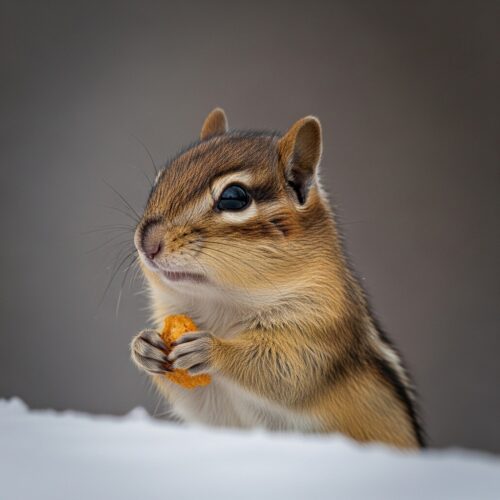
Chipmunks have some clever tricks up their sleeves to survive the winter. They don’t truly hibernate like some other animals. Instead, they rely on food caching and burrow construction to get through the colder months.
Food Caching Techniques
Chipmunks are expert hoarders! They gather food during the fall and stash it away for winter. Here’s how they do it:
- Cheek Pouches: Chipmunks have special cheek pouches. They use these to transport food back to their burrows. This allows them to collect more than they can carry in their paws.
- Diverse Food Selection: They store a variety of foods, including seeds, nuts, and fruits. Each item plays a role in their winter diet. This diversity ensures they have nutrition when the landscape is bare.
- Multiple Caches: Instead of putting all their eggs in one basket, chipmunks create multiple food caches. If one stash gets raided or spoiled, they have backups. This strategy boosts their chances of survival.
Burrow Construction and Insulation
Chipmunks build intricate burrows that serve as their winter homes. These burrows are far more than just a hole in the ground.
- Complex Structures: A typical burrow can be at least 30 feet long! They have different chambers for sleeping and storing food. This complexity helps protect them from predators and extreme temperatures.
- Insulation: The underground environment keeps them insulated from harsh winter weather. The earth acts as a natural buffer against the cold.
- Safe Sleeping Areas: Chipmunks create cozy sleeping spots within their burrows. This safety allows them to enter torpor without worrying about threats.
Energy Conservation Methods
During winter, chipmunks need to conserve energy. Here’s how they manage it:
- Torpor: Unlike true hibernators, chipmunks enter a state called torpor. They lower their body temperature and metabolic rate but wake periodically to eat.
- Frequent Awakening: Chipmunks can wake up regularly to snack on their stored food. This behavior contrasts with animals like groundhogs, who remain dormant for months.
- Strategic Eating: They often eat from their cheek pouches first. This helps them manage their energy and ensures they have a meal ready without venturing out into the cold.
Chipmunks have adapted well to their environment. Their food storage techniques, burrow construction, and energy conservation strategies are all designed to enhance their chances of survival during the winter months. They may not hibernate in the traditional sense, but their methods are just as effective!
The Physiological Changes During Torpor

When chipmunks enter torpor, their bodies undergo significant changes. These adaptations help them survive the cold months without a steady food supply. Let’s dive into the key physiological changes they experience.
Heart Rate and Metabolic Rate
During torpor, a chipmunk’s heart rate drops dramatically.
- Normal Heart Rate: An active chipmunk has a heart rate of about 350 beats per minute.
- During Torpor: This can plummet to just 4 to 5 beats per minute.
This drastic reduction helps conserve energy. Their metabolic rate also decreases, but not as profoundly as in true hibernators. This means chipmunks can wake up more easily compared to animals that are in deep hibernation.
Body Temperature Adjustments
Chipmunks also lower their body temperature during torpor.
- Normal Range: Typical body temperature for a chipmunk is around 100°F (38°C).
- During Torpor: Their temperature can fall significantly, but not to the freezing levels seen in true hibernators.
This adjustment is crucial for energy conservation. It allows chipmunks to minimize energy expenditure while still being able to wake up periodically to eat.
Duration of Torpor Episodes
Torpor isn’t a constant state. Chipmunks experience cycles of torpor that can last several days.
- Typical Duration: A chipmunk might enter torpor for a few days at a time, especially during harsh winter weather.
- Waking Up: They will rouse to eat from their food caches, then return to torpor.
This intermittent waking is a key strategy. It allows them to manage their energy reserves effectively while also taking advantage of available food.
These physiological changes illustrate how chipmunks adapt to winter conditions. They may not hibernate like some animals, but their torpor strategy is a smart way to survive the cold.
Common Misconceptions About Chipmunk Hibernation
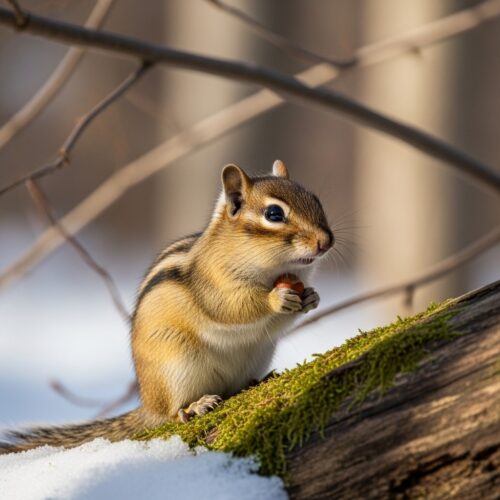
Many people mistakenly believe that chipmunks hibernate like bears. This misunderstanding overlooks the unique way chipmunks cope with winter. Let’s set the record straight!
Misconception: Chipmunks Hibernate Like Bears
Chipmunks are often lumped in with animals that go into deep hibernation. However, they don’t follow that same pattern. Here’s how they differ:
- True Hibernators: Animals like bears enter a long, continuous hibernation. Their body temperature drops significantly, and they can stay asleep for months.
- Chipmunks: Instead of deep hibernation, chipmunks enter a state called torpor. This means they experience reduced activity but wake up periodically to eat.
Misconception: All Animals That Sleep in Winter Hibernate
Not all animals that sleep during winter are true hibernators. Here’s a quick look at various winter behaviors:
- Hibernation: Long-term sleep with no waking, relying on fat reserves.
- Torpor: Shorter sleep sessions where animals wake to eat. This is what chipmunks do!
- Other Behaviors: Some animals, like deer, remain active but adapt their behavior to find food.
This distinction is crucial for understanding chipmunk behavior in winter.
The Reality of Chipmunk Behavior
Chipmunks have a fascinating way of surviving the cold. Here are some key points:
- Food Storage: They collect and store food in underground burrows. This larder hoarding allows them to access food during their awake periods.
- Energy Management: By entering torpor, chipmunks conserve energy while still having access to their food supplies. This method is efficient and smart!
- Adaptability: Chipmunks adjust their behavior based on the climate. In harsher winters, they may spend more time in torpor.
Understanding these realities helps clarify why chipmunks are not true hibernators. Their unique strategies make them well-suited for winter survival!
The Ecological Role of Chipmunks During Winter
Chipmunks play a vital role in their ecosystems, even during winter dormancy. Their unique behaviors significantly contribute to forest health and dynamics.
Seed Dispersion and Habitat Management
Chipmunks are excellent seed dispersers. They collect seeds and store them in various locations. This behavior benefits the ecosystem in several ways:
- Plant Growth: Seeds that aren’t retrieved can germinate and grow into new plants.
- Biodiversity: This helps maintain and increase plant diversity in the forest.
- Soil Health: Decomposing seeds enrich the soil, promoting healthier ecosystems.
Their seed-caching habits create a thriving environment for many plant species. This is an often-overlooked ecological contribution that enhances forest regeneration.
Interactions with Other Species in Winter
Chipmunks also interact with various species during the winter months. They provide essential food for predators, such as:
- Birds of Prey: These birds rely on chipmunks for sustenance during cold months.
- Mammalian Predators: Animals like foxes and weasels also benefit from the presence of chipmunks.
By serving as prey, chipmunks help maintain balance in the food web. This relationship highlights their importance beyond just seed dispersal.
The Importance of Chipmunks in Forest Ecosystems
Chipmunks contribute to the overall health of forest ecosystems. Their behavior during winter impacts various ecological processes:
- Nutrient Cycling: Their food storage techniques enhance nutrient availability in the soil.
- Ecosystem Indicators: A healthy chipmunk population often indicates a balanced ecosystem.
This interconnectedness showcases the significance of chipmunks in promoting ecological stability. Their winter activities might seem minor, but they play a crucial role in sustaining the forest’s health.
Frequently Asked Questions
These quick answers cover the most common questions about this topic, including key details, practical tips, and common concerns.
How long do chipmunks stay in torpor?
Chipmunks typically remain in torpor for several days at a time, especially during harsh winter conditions. They periodically wake up to eat from their stored food caches and then return to torpor. The duration of each torpor episode can vary based on temperature and food availability but generally lasts from a few hours to a few days.
Do chipmunks sleep at night in the winter?
Yes, chipmunks are primarily nocturnal and tend to be active during the night during warmer months. In winter, their activity decreases significantly, and they spend much of their time in their burrows. When in torpor, they are essentially inactive and do not follow a strict day-night cycle until they wake to forage.
What smell do chipmunks hate the most?
Chipmunks dislike strong, pungent smells such as peppermint, cayenne pepper, and predator scents like fox or coyote urine. These smells can deter them from entering gardens or burrow areas. Using natural repellents with these scents can help keep chipmunks away from specific zones.
Do chipmunks like to be petted?
No, chipmunks generally do not enjoy being petted. They are wild animals and can be easily stressed or frightened by human interaction. If kept as pets, they may tolerate gentle handling, but in the wild, they prefer to avoid contact with humans.
What do chipmunks eat during winter?
During winter, chipmunks primarily rely on their stored food caches. Their diet includes nuts, seeds, fruits, and grains. They may also nibble on bark or other plant materials if their caches are low. Their food caches are vital for their survival during months when fresh food is scarce.
How do chipmunks prepare their burrows for winter?
Chipmunks build complex underground burrows with multiple chambers for sleeping and storing food. They line these chambers with bedding material like leaves and moss for insulation. Their burrows are designed to keep them warm and protected from predators and extreme cold.
What are the signs that a chipmunk is in torpor?
Signs include a significant drop in activity, a lowered body temperature, and a slow or nearly undetectable heartbeat. During torpor, chipmunks appear very still and may only wake briefly to feed. They often remain hidden in their burrows during these periods.
How does climate affect chipmunk hibernation patterns?
Climate influences the duration and intensity of torpor in chipmunks. In colder, harsher winters, they may spend more time in torpor and wake less frequently. In milder climates, they might remain active longer or wake more often, reducing their reliance on food caches.