
Summer is a magical time for tropical gardens, bursting with vibrant colors and lush growth. To help your garden thrive during these warmer months, I’ve gathered essential tips that will guide you through nurturing your tropical paradise. Read Interesting article: Essential Water Conservation Tips for Tropical Gardening
Table of Contents
Understanding Tropical Gardening Basics
What is a Tropical Garden?
Tropical gardening is more than just planting a few colorful flowers; it’s about creating a vibrant ecosystem that mimics tropical climates. I remember the first time I stepped into a tropical garden—it felt like entering another world. The lush greenery, exotic plants, and vibrant blooms captivated me. Tropical gardens typically feature a wide variety of plants such as palms, ferns, and flowering plants that thrive in warm, humid conditions. These gardens are often characterized by their rich diversity and the integration of both native and exotic species, which come together to create stunning landscapes.
Climate and Weather Considerations
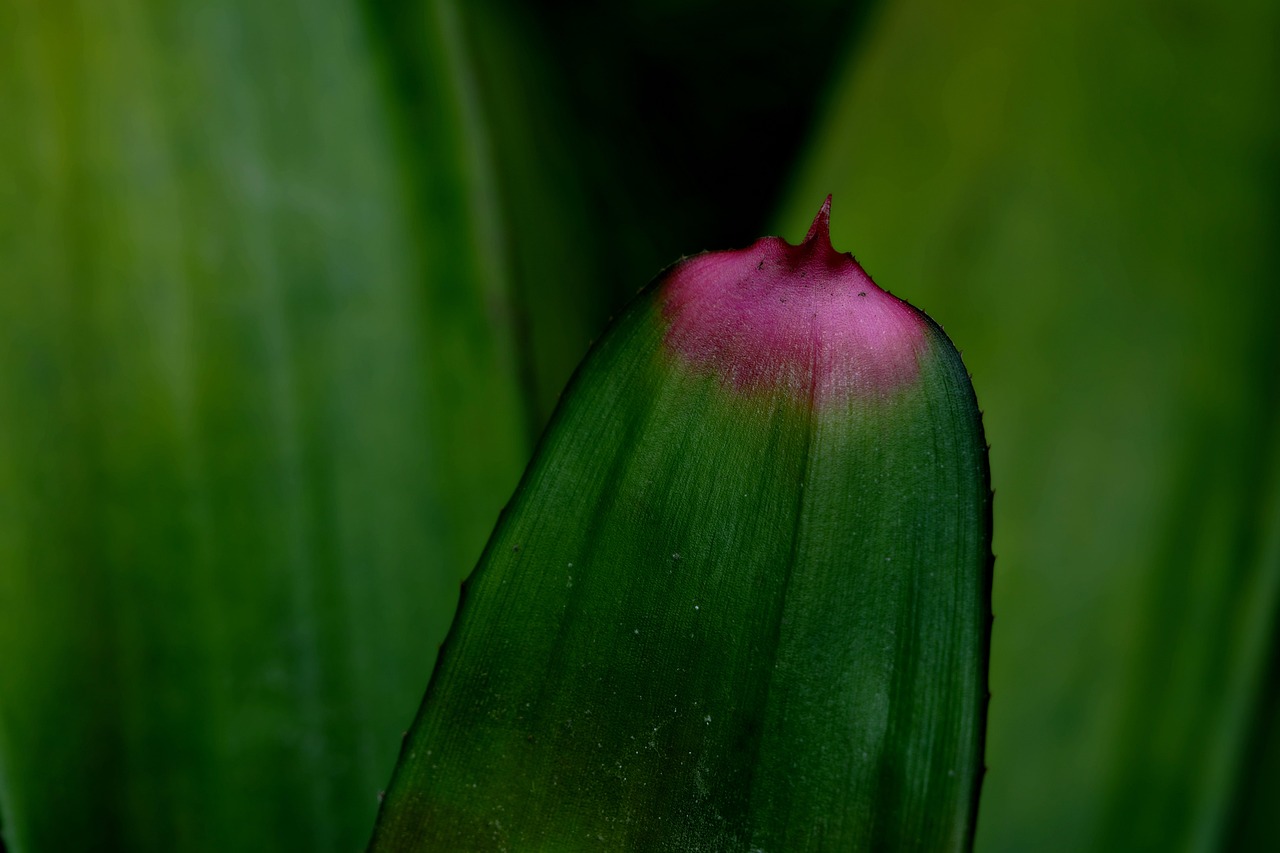
Understanding the climate is crucial for successfully maintaining a tropical garden. Tropical climates generally experience warm temperatures year-round, along with distinct wet and dry seasons. I’ve noticed that knowing when to expect rain or drought can significantly impact how I care for my garden. During summer, it’s essential to monitor humidity levels and rainfall patterns, as these factors directly affect plant health. If you’re in a particularly wet area, you might find that certain plants thrive, while in drier regions, you may need to focus on drought-resistant varieties.
Additionally, be mindful of temperature fluctuations. Some tropical plants may struggle in extreme heat or cold spells, so keeping an eye on local forecasts can help you plan better. I often take the time to observe how my plants react to changing weather, and this has allowed me to make adjustments to my care routine accordingly.
Soil Types and Preparation
The foundation of a healthy tropical garden lies in the soil. Tropical plants generally prefer well-draining, nutrient-rich soil. I’ve learned that using a mix of organic compost, peat moss, and perlite creates an ideal environment for roots to thrive. Before planting, I recommend testing your soil’s pH and nutrient levels. This can provide valuable insights into what amendments your soil may need. For example, I once found that my soil was too acidic for some of my favorite flowering plants, so I added lime to raise the pH and watched them flourish.
When preparing your soil, it’s also important to remove any weeds or debris. I often spend a day turning the soil, aerating it, and mixing in organic matter. This not only improves drainage but also encourages beneficial microorganisms that enrich the soil. I’ve found that taking the time to prepare my garden bed properly pays off in the long run, leading to healthier plants and longer-lasting blooms.
Essential Summer Care Tips
Watering Techniques for Tropical Plants
Watering is one of the most critical aspects of maintaining a tropical garden, especially during the hot summer months. I’ve learned that tropical plants love moisture, but they also dislike standing water. I usually water my garden deeply but infrequently, allowing the soil to dry out slightly between waterings. This encourages strong root growth. A simple trick I use is to stick my finger into the soil; if it feels dry about an inch down, it’s time to water.
In the summer, I often set up an irrigation system that waters my plants early in the morning or late in the afternoon. This reduces evaporation and ensures that the plants get enough moisture without the risk of fungal diseases that can occur when plants remain wet overnight. I’ve also found that using soaker hoses or drip irrigation is efficient and conserves water, which is something I always strive to do. Read Interesting article: Essential Winter Care Tips for Tropical Plants in Your Garden
Mulching: Benefits and Best Practices
Mulching is an essential practice I swear by during the summer months. It helps retain moisture in the soil, suppress weeds, and moderate soil temperature. I prefer using organic mulches like shredded bark or straw, as they break down over time and enrich the soil. Applying a thick layer of mulch around my plants not only keeps them cool but also adds an aesthetic appeal to my garden.
When applying mulch, I usually leave a small gap around the base of each plant to prevent rot. I’ve noticed that my plants thrive better when they have that breathing room. Plus, as the mulch decomposes, it creates a slow-release fertilizer that benefits my plants for an extended period.
Fertilization: What, When, and How
Feeding my tropical plants during the summer is vital for encouraging lush growth and vibrant blooms. I typically use a balanced fertilizer, applying it every six to eight weeks. I remember the first time I applied a slow-release fertilizer; the difference in my garden was astonishing. It’s like my plants suddenly woke up and decided to showcase their beauty.
For specific plants, such as flowering varieties, I opt for a fertilizer higher in phosphorus to promote blooming. I’ve also found that incorporating organic options, like compost tea or fish emulsion, can give my plants a boost without the risk of burning them. Timing is everything, so I ensure to fertilize after a good rain or watering session to help the nutrients absorb better in the soil.
By understanding the basics of tropical gardening, we can create an environment where our plants can thrive. Each season brings its challenges and joys, and with the right knowledge and care, our gardens can truly flourish during the summer months. Let’s embrace the beauty and vibrancy of tropical gardening together!
Choosing the Right Plants for Summer
Popular Tropical Plants for Summer Gardens
When it comes to filling our tropical gardens with vibrant life, choosing the right plants is key. I’ve found that certain tropical plants just shine in the summer sun, bringing a splash of color and texture to our outdoor spaces. For instance, hibiscus has become a favorite of mine; its large, colorful blooms can brighten up any corner of the garden. I remember the first time I planted a red hibiscus; it felt like a little piece of paradise had taken root in my backyard.
Another wonderful option is the bird of paradise. Its striking shape and brilliant orange and blue flowers remind me of exotic birds, and it definitely adds a dramatic flair to the garden. I’ve also had great success with plumeria, which not only offers fragrant flowers but also attracts pollinators like bees and butterflies. In addition, consider adding some tropical ferns for a lush, green backdrop. My personal favorite is the Boston fern; its feathery fronds create a beautiful contrast with bolder flowers.
Native Plants vs. Exotic Varieties
When selecting plants, I’ve learned the importance of balancing native species with exotic varieties. Native plants are often well-adapted to the local climate and require less maintenance, which is a huge plus for someone like me who loves to spend time enjoying the garden rather than just working in it. They also provide essential habitats for local wildlife.
Exotic varieties, on the other hand, can introduce new colors and textures that might not be found in native plants. However, it’s crucial to research and ensure that the exotic species you choose won’t become invasive. I’ve had my share of mishaps with plants that were beautiful but took over my garden space. By combining both native and exotic plants, I’ve created a diverse garden that’s both stunning and sustainable.
Planting Zones and Their Importance
Understanding planting zones has been a game changer for my gardening success. Knowing whether I’m in a tropical, subtropical, or temperate zone helps me select plants that will thrive in my environment. I remember flipping through gardening books and online resources to find my zone, and it made me feel much more confident in my plant choices.
For example, if you’re in a tropical zone, you can enjoy a wide range of tropical plants that flourish in warm, humid conditions. In contrast, if you’re in a subtropical zone, you might have to be more selective, especially when it comes to hardier plants. I’ve learned that paying attention to the USDA Plant Hardiness Zone Map can guide us in making better choices. It’s been a rewarding experience to see how by aligning my plant selections with my zone, my garden has become more resilient and vibrant.
Pest and Disease Management
Common Pests in Tropical Gardens
Pest management is something I’ve had to tackle head-on in my tropical garden. I remember the first time I spotted aphids on my hibiscus—my heart sank! It’s crucial to be vigilant and regularly check for common pests like aphids, whiteflies, and spider mites. I learned that these little critters can multiply quickly if not addressed, so early detection is key. Read Interesting article: Essential Tips for Preventing Pests in Tropical Gardens
Another pest I’ve had to deal with is the caterpillar, which can munch through leaves in no time. I often find myself scouting for these intruders, and while I appreciate the beauty of butterflies, I’ve realized that some caterpillars can cause more harm than good. It’s essential to know which pests are beneficial and which ones need to go!
Organic Pest Control Methods
Over time, I’ve embraced organic pest control methods that are kind to the environment and safe for my family. I remember the first time I tried neem oil; it was fascinating to see how it worked to repel pests without harming beneficial insects. I also like to create homemade insecticidal soap using common household ingredients. It’s so satisfying to mix a little dish soap with water and spray it on my plants, knowing I’m keeping them healthy without harsh chemicals.
Encouraging natural predators has also been a fantastic strategy for me. Ladybugs and lacewings are like little soldiers in the garden, fighting off aphids and other pests. I often plant flowers like marigolds and dill, which attract these beneficial insects. It’s a win-win—my plants thrive, and I enjoy the beauty of a bustling ecosystem!
Disease Prevention Strategies
Preventing diseases in my tropical garden has become a priority, especially during the humid summer months. I’ve learned that proper spacing between plants is essential for airflow, which helps reduce the risk of fungal diseases. I remember when I planted too closely together; I ended up with powdery mildew. Now, I always make sure to give my plants some breathing room.
Regularly inspecting plants for signs of distress has also been crucial. If I notice yellowing leaves or spots, I act fast to identify the issue. I’ve found that keeping my garden clean, by removing fallen leaves and debris, helps minimize the chances of disease. I often spend a few minutes each week tidying up, which pays off in healthier plants.
By understanding pests and diseases, and employing organic methods, our tropical gardens can remain vibrant and thriving. This journey not only brings beauty to our homes but also deepens our connection with nature. Let’s continue nurturing our green spaces, one plant at a time!
Creating Shade and Microclimates
Using Trees and Shrubs for Shade
When I think about creating a comfortable oasis in my tropical garden, the first thing that comes to mind is shade. I’ve learned that strategically placing trees and shrubs can make a significant difference in the overall health of my garden and my own enjoyment of it. Large canopy trees, like the majestic Royal Poinciana, not only provide shade but also create a stunning visual focal point. I remember planting a couple of these trees, and as they grew, they transformed my garden into a cool retreat during the hot summer months.
In addition to trees, I like to incorporate shrubs that can thrive in shaded areas. For example, the beautiful Croton is not only tolerant of partial shade but also adds vibrant color to my garden. I’ve found that mixing different heights and textures of plants under the canopy provides a lush, layered look. This arrangement not only shelters my more delicate plants but also creates a diverse habitat for wildlife, which is a bonus!
Building Shade Structures
Sometimes, natural shade isn’t enough, especially during the peak heat of summer. That’s where shade structures come in. I’ve experimented with different types of shade structures, from simple canopies to pergolas draped with climbing vines. One of my favorites is using a shade sail. It’s a stylish and modern option that blocks harsh sunlight while allowing a pleasant breeze to circulate. I often sit beneath it with a book, enjoying the dappled light filtering through the leaves.
Creating a comfortable seating area under a shade structure allows me to appreciate my garden even more. I’ve noticed that having a designated space to relax encourages me to spend more time outdoors, which in turn fosters a deeper connection with my plants. It’s amazing how a little bit of shade can enhance the overall experience of gardening!
Designing Microclimates for Plant Health
What I’ve discovered is that not all areas of my garden are created equal. Some spots are warmer and drier, while others stay cooler and more humid. This variability has led me to embrace the concept of microclimates. By observing how different plants respond to their surroundings, I’ve been able to create zones that cater to their specific needs. For instance, I’ve placed moisture-loving plants, like ferns and caladiums, in a shady corner near a water feature. This area stays consistently damp, providing the perfect environment for these lush plants.
On the flip side, I’ve noticed that some of my sun-loving plants, like ti plants, thrive in brighter, sunnier areas. By grouping plants with similar needs, I can ensure they all receive the right amount of water and nutrients. It’s been a rewarding challenge to experiment with different plant placements, and the results are a testament to the benefits of thoughtful design.
Another aspect of microclimates I’ve explored is the use of rocks and walls. I’ve found that stones can absorb heat during the day and release it slowly at night, creating a warmer environment for sun-loving plants. Building raised beds or using stone walls can also provide protection from wind, allowing tender plants to flourish. It’s fascinating to see how small changes in the environment can lead to thriving plants and a beautifully diverse garden.
Seasonal Decorations and Aesthetics
Color Schemes and Plant Combinations
In my tropical garden, I’ve learned that color plays a huge role in creating an inviting atmosphere. I love experimenting with various color schemes, especially during the summer when everything is in full bloom. One of my favorite combinations features vibrant oranges and yellows contrasted with deep purples and greens. Planting marigolds alongside purple bougainvillea creates a stunning visual impact that never fails to impress visitors.
Another approach I’ve taken is to design with a theme in mind. For instance, I once created a “tropical sunset” look by incorporating plants with warm hues. I included golden heliconias, orange hibiscus, and deep red anthuriums. The result was a garden that felt like stepping into a painting! I think that thoughtfully combining colors not only enhances the aesthetics but also lifts my mood every time I step outside.
Incorporating Garden Art and Furniture
Adding garden art has been one of my favorite ways to express my personality and enhance the beauty of my space. I remember searching for pieces that would complement my tropical theme, and I stumbled upon a beautiful carved wooden statue that now resides among my plants. It brings a serene vibe and becomes a conversation starter whenever friends visit.
Along with art, I’ve also invested in comfortable outdoor furniture. I believe that having a cozy spot to unwind is just as important as the plants themselves. A simple hammock strung between two palm trees has become my go-to place for afternoon naps, surrounded by the sights and sounds of nature. I’ve realized that creating spaces to enjoy my garden is just as essential as nurturing the plants within it.
Lighting for Evening Enjoyment
As the sun sets, my tropical garden transforms once again. I’ve learned to embrace this transition by investing in outdoor lighting that highlights the beauty of my plants. String lights woven through the branches of my trees create a magical atmosphere, while solar-powered lanterns guide the way along pathways. I find it captivating to see how the light interacts with the foliage, casting playful shadows and illuminating the blooms.
One special feature I added was a small spotlight that shines on my favorite focal point—a vibrant plumeria tree. At night, it stands out beautifully, and I often find myself wandering outside just to admire its presence. Lighting not only extends the hours I can spend in my garden but also adds a sense of warmth and coziness to the space. It’s amazing how a little illumination can elevate the ambiance and encourage me to enjoy the outdoors long after the sun goes down.
Frequently Asked Questions
What is a Tropical Garden?
A tropical garden is an ecosystem that mimics tropical climates, featuring a wide variety of plants such as palms, ferns, and flowering plants that thrive in warm, humid conditions. It typically includes both native and exotic species to create stunning landscapes.
What are the climate considerations for maintaining a tropical garden?
Successful tropical gardening requires understanding the local climate, including warm temperatures year-round, distinct wet and dry seasons, humidity levels, and rainfall patterns. Monitoring these factors helps in planning plant care and selecting appropriate varieties.
What type of soil is best for tropical plants?
Tropical plants prefer well-draining, nutrient-rich soil. A recommended mix includes organic compost, peat moss, and perlite. Testing soil pH and nutrient levels before planting can help ensure the right amendments are made for plant health.
How often should I water tropical plants during summer?
Watering should be deep but infrequent to allow the soil to dry out slightly between waterings, promoting strong root growth. It’s best to water early in the morning or late in the afternoon to reduce evaporation and prevent fungal diseases.
What are the benefits of mulching in a tropical garden?
Mulching helps retain moisture, suppress weeds, and moderate soil temperature. Organic mulches like shredded bark or straw not only provide these benefits but also enrich the soil as they decompose.
How should I fertilize my tropical plants during summer?
Feeding tropical plants during summer is vital for growth. A balanced fertilizer should be applied every six to eight weeks, preferably after watering to enhance nutrient absorption. Specific plants may benefit from fertilizers higher in phosphorus for blooming.
What are some popular tropical plants for summer gardens?
Popular tropical plants include hibiscus, bird of paradise, plumeria, and various tropical ferns like the Boston fern. These plants thrive in warm weather and add vibrant colors and textures to the garden.
How can I manage pests in my tropical garden?
Pest management includes regularly checking for common pests like aphids and spider mites. Organic methods such as neem oil and homemade insecticidal soap can help control these pests while being safe for beneficial insects.
What is the importance of creating shade in a tropical garden?
Creating shade with trees and shrubs is vital for plant health and personal comfort. Shade structures can enhance the garden experience by providing cool areas and protecting delicate plants from harsh sunlight.
How can I enhance the aesthetics of my tropical garden?
Enhancing aesthetics can involve experimenting with color schemes, incorporating garden art, adding comfortable furniture, and using lighting to create a magical evening atmosphere. Thoughtful combinations can elevate the garden’s beauty and enjoyment.