
Creating a tropical garden can be a beautiful and rewarding experience, but keeping it free from pests is essential. With the right knowledge and strategies, we can protect our vibrant spaces and enjoy the lush bounty they offer.
Understanding Tropical Pests
Understanding the types of pests that thrive in tropical climates is the first step in preventing them from wreaking havoc on our gardens. I’ve seen how quickly a tiny pest can turn into a massive problem if we’re not vigilant. From my experience, being informed about common pests can help us prepare better and take action before they become an issue.
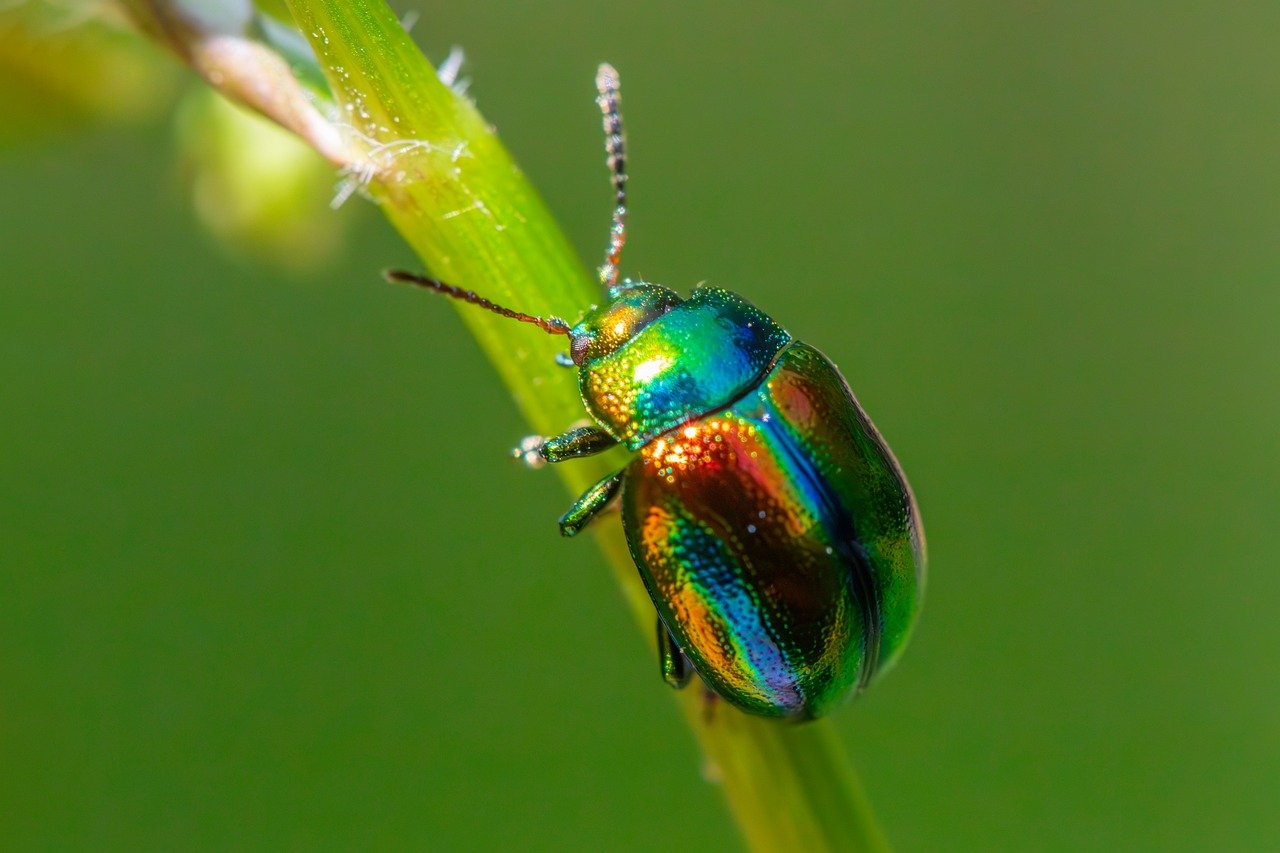
Common Tropical Garden Pests
Tropical gardens are often lush and full of life, which can attract various pests. Some of the most common culprits include aphids, mealybugs, caterpillars, and whiteflies. I remember when I first noticed aphids on my young hibiscus plants; they seemed to appear overnight! These tiny insects suck the sap from plants, weakening them over time. Mealybugs are another favorite among gardeners; their cottony appearance can be deceiving, but they can damage your plants significantly.
Caterpillars, especially those of the tropical species, can be quite destructive as they munch through leaves, often leaving behind skeletons. Whiteflies, on the other hand, can be sneaky, hiding on the undersides of leaves. I learned the hard way that not addressing these pests promptly can lead to a cascading effect on the entire garden. To learn more about these issues, check out Top 7 Common Pests in Tropical Gardens and How to Combat Them.
Life Cycles of Tropical Pests
Another important aspect to understand is the life cycle of these pests. Most insects undergo a metamorphosis, starting as eggs, then moving to larvae, pupae, and finally becoming adults. I found it fascinating to observe how quickly they can reproduce, especially in the warm, humid environment of a tropical garden. For instance, aphids can reproduce asexually, leading to rapid population growth that can overwhelm a plant in just a few weeks. Understanding these cycles helps us identify the best times to intervene and prevent infestations.
Impact of Pests on Tropical Plants
The impact of pests on our tropical plants can be significant. I’ve seen plants become stunted, discolored, or even die due to unchecked pest populations. Beyond the immediate damage, pests can also invite diseases, complicating the situation even further. For example, aphids can transmit viral diseases, which spread quickly among plants if not addressed. The more I learned about these pests, the more I realized how crucial it is to monitor our gardens regularly.
I also noticed how different plants react to pest damage. Some plants might recover quickly, while others struggle to bounce back. This variability has made me think about how we can protect not just individual plants but the whole ecosystem of our gardens. I believe that by understanding the pests we face, we can better strategize our prevention efforts.
Preventive Measures for Tropical Gardens
Now that we have a grasp on what pests we might encounter, let’s explore some preventive measures that can help us maintain a healthy tropical garden. From my own experience, the more proactive we are, the easier it becomes to enjoy our plants without the worry of pests.
Choosing the Right Plants
Choosing the right plants is essential in creating a robust tropical garden. I’ve found that native plants often have natural defenses against local pests. They’re adapted to the climate and the pests that occur in the area, which makes them less susceptible to damage. When I initially started my garden, I made the mistake of planting exotic species that required more care and were more prone to pests. Now, I focus on a mix of native and well-adapted plants that flourish in my garden without attracting unwanted attention.
Soil Health and Maintenance
Maintaining healthy soil is another key component of pest prevention. I realized that healthy plants start with nutrient-rich soil. I regularly test my soil and add organic matter, such as compost, to improve its structure and fertility. Healthy soil promotes strong root systems and vigorous growth, making plants less attractive to pests. I’ve noticed that my plants are more resilient and able to withstand pest pressure when they have robust roots and ample nutrients.
Watering Techniques
Watering techniques can also make a significant difference. I’ve learned that overwatering can lead to waterlogged conditions, making plants more susceptible to pests like root rot and fungus gnats. I try to water my plants early in the morning, allowing the moisture to absorb before the heat of the day strikes. This practice not only helps prevent excess moisture on the leaves but also reduces the chance of fungal diseases, which can attract pests. Proper watering encourages healthy growth, which is our best defense against infestations.
Mulching and Ground Cover
Mulching is one of my favorite strategies for pest prevention. It helps retain moisture, suppresses weeds, and can even deter pests. I often use organic mulch, like wood chips or straw, which breaks down over time and enriches the soil. Ground covers, such as clover or sweet potato vines, can also protect the soil and create a habitat that attracts beneficial insects. I’ve noticed that when my garden is well-mulched and covered, it seems to thrive, and pest problems are significantly reduced.
By implementing these strategies, we not only protect our tropical gardens from pests but also create a flourishing environment where plants can thrive. I’ve learned that prevention is always better than cure, and with a little effort upfront, we can enjoy the beauty of our gardens without the looming threat of pests. The journey of gardening is full of lessons, and each step we take to understand and protect our plants brings us closer to creating a vibrant garden.
Natural Pest Control Methods
As I delved deeper into gardening, I began exploring natural pest control methods that aligned with my desire to keep my tropical garden thriving without relying on harsh chemicals. I found that embracing nature’s own solutions not only helps manage pests but also promotes a healthier ecosystem in my garden. Here are a few strategies that have worked wonders for me.
Beneficial Insects
When I first learned about beneficial insects, I was fascinated by the idea that I could invite pest predators into my garden. Ladybugs, lacewings, and parasitic wasps are just a few examples of insects that can help control pest populations naturally. I remember spotting a ladybug on my tomato plants, and I felt a wave of relief knowing she was there to munch on aphids. Introducing these allies can sometimes be as simple as planting flowers that attract them, like marigolds and dill. I’ve made it a point to create a welcoming environment for these helpful insects, and I’ve noticed a significant decrease in pest numbers over time.
Homemade Organic Sprays
Experimenting with homemade organic sprays has been another effective method for me. One of my go-to recipes involves mixing water, a few drops of dish soap, and crushed garlic or hot pepper. This mixture deters pests without harming beneficial insects. I recall one summer when I had a sudden influx of mealybugs, and I quickly whipped up this spray. It was satisfying to see the pests retreat without harming my plants. I’ve also found that neem oil is a fantastic natural pesticide. It works on contact and disrupts the life cycle of various pests, which I learned is particularly effective against aphids and whiteflies.
Companion Planting
Companion planting has been a game-changer for me. I started to pair certain plants together to enhance growth and deter pests. For instance, I learned that planting basil near tomatoes not only improves their flavor but also helps repel tomato hornworms. I’ve also had success with marigolds, which seem to ward off a variety of pests. The more I practiced companion planting, the more I noticed how different plants could support one another while keeping unwanted visitors at bay. It’s like having a team of plants working together to protect the garden!
Cultural Practices to Reduce Pest Issues
Beyond natural pest control methods, I found that adopting certain cultural practices can greatly reduce pest issues in our gardens. These practices are often simple adjustments we can make in our gardening routines. Here are some of the ones I’ve implemented.
Crop Rotation Techniques
Crop rotation is something I wish I had learned about sooner. Changing the location of my plants each season helps prevent pests and diseases from establishing themselves in the soil. For example, I’ve started moving my nightshades (like tomatoes and peppers) to different spots each year. This practice disrupts the life cycles of pests that might be lurking in the soil and keeps my plants healthier. I’ve found that rotating crops not only benefits the plants but also keeps my gardening routine fresh and exciting.
Proper Pruning and Maintenance
Regular pruning has become an essential part of my garden maintenance. I’ve learned that keeping plants well-trimmed promotes better air circulation and light penetration, making them less inviting to pests. I remember one season when I neglected my overgrown plants; they became a haven for whiteflies and aphids. After that experience, I prioritized proper pruning, and I noticed that not only did my plants flourish, but pest problems also significantly diminished. It’s a small effort that pays off in big ways!
Sanitation Practices in the Garden
Sanitation is another critical aspect of pest management that I’ve come to appreciate. Keeping my garden clean and tidy makes a noticeable difference. I make it a habit to regularly remove debris, dead leaves, and spent flowers since they can attract pests. I also ensure my tools are clean after each use to prevent spreading any pests or diseases. A clean garden is a happy garden! I can’t stress enough how these small acts of diligence have helped maintain the health of my tropical paradise.
Mechanical and Physical Barriers
As I continued to explore pest management, I discovered the effectiveness of mechanical and physical barriers. These methods provide a straightforward way to protect our plants without any chemicals.
Using Row Covers and Nets
Row covers and nets have become my trusted allies in protecting young plants from pests. I remember using a row cover for my seedlings one year, and it worked like a charm! It created a physical barrier against flying insects while still allowing sunlight and rain to reach the plants. I also use fine mesh nets to cover fruit-bearing plants, which keeps pests like birds and insects from feasting on my hard-earned harvest. It’s reassuring to know that these simple tools can provide such effective protection.
Traps for Catching Pests
I’ve also found that traps can be a useful addition to my pest management arsenal. Sticky traps have worked particularly well for monitoring and catching flying pests. I’ve hung them around my garden, and it’s been eye-opening to see which pests are lurking about. For larger pests, like slugs or snails, I’ve set up a simple beer trap. I fill a shallow container with beer, and the slugs are lured in and can’t escape. It’s a hands-off approach that allows me to keep track of pest populations without resorting to chemicals.
When to Monitor for Pests
Monitoring for pests is something I’ve learned to prioritize in my gardening routine. It’s not just about putting in the effort upfront; it’s also about staying vigilant throughout the growing season. Regular checks can make all the difference in maintaining a healthy tropical garden.
Seasonal Considerations
Each season presents unique challenges and opportunities for pest control. I’ve noticed that certain pests become more active during specific times of the year. For instance, in the warm, humid days of summer, pests like aphids and whiteflies seem to thrive. I’ve made it a habit to ramp up my monitoring during these months, checking my plants every week for any signs of infestation. In contrast, during the cooler months, I find that pest activity tends to decrease, allowing me to focus on other aspects of garden care, like pruning and soil preparation for the upcoming spring.
Another seasonal consideration is the timing of planting and harvesting. I learned that staggered planting can help reduce the chances of a sudden pest outbreak. For example, if I plant my tomatoes and peppers at different times, it prevents pests from finding a consistent food source. This strategy keeps pest populations more manageable, and I feel less overwhelmed by the potential for infestations.
Signs of Pest Infestation
Recognizing the signs of pest infestation is crucial. I remember when I first started noticing tiny holes in my leaves and a sticky residue on my plants. These were my first indicators that something was off. I’ve learned to look for various signs, such as discolored leaves, webbing on plants, or even visible pests themselves. Early detection is key! The sooner I can identify a problem, the easier it is to take action before it escalates.
Another telltale sign for me has been the presence of ants. I discovered that ants often farm aphids for their honeydew, so if I see a trail of ants, I take it as a warning sign to check for aphid infestations. Monitoring for these indicators gives me a leg up in pest management, allowing me to intervene before significant damage occurs.
Tools and Resources for Pest Management
Over the years, I’ve gathered a few essential tools and resources that have made pest management much more straightforward. Having the right gear can make all the difference when it comes to keeping our gardens healthy.
Essential Gardening Tools
First and foremost, I can’t emphasize enough how important it is to have a good set of gardening tools. A sharp pair of pruning shears is essential for keeping plants well-maintained and preventing pest habitats from forming. I’ve found that a quality hand trowel is invaluable for digging up invasive plants and weeds that might harbor pests. Additionally, a sturdy garden fork helps me mix in compost and aerate the soil, promoting overall plant health.
Another tool I consider essential is a magnifying glass. It may seem simple, but being able to closely inspect my plants for tiny pests can help me catch problems before they spiral out of control. I also keep a spray bottle handy for my homemade organic sprays, making it easy to apply treatments as needed.
Useful Apps and Websites
Technology has been a game-changer for me in managing pests. I’ve discovered several apps and websites that help identify pests and provide guidance on treatment. One of my favorites is an app that allows me to take a photo of a pest or plant issue and receive instant feedback on what it is and how to treat it. This instant information has saved me countless hours of research.
Additionally, I frequently refer to gardening forums and websites that focus on tropical gardening. These communities are full of experienced gardeners who share their tips, tricks, and solutions to common pest problems. I’ve learned so much from their experiences, and it gives me a sense of camaraderie knowing that we’re all navigating the joys and challenges of gardening together. For detailed strategies, I recommend checking out Effective Strategies to Manage Common Tropical Garden Pests.
By staying proactive and utilizing the right tools, I’ve found that managing pests in my tropical garden becomes a more manageable task. Awareness, regular monitoring, and leveraging available resources equip us to face any challenges that may arise, paving the way for a vibrant and thriving garden.
Professional Pest Control Options
While I’ve found great success with my own pest management strategies, there are times when it becomes clear that I need a little extra help. That’s when I consider professional pest control options.
When to Consider Professional Help
There have been instances in my gardening journey when I faced a severe infestation that felt overwhelming. I remember one particularly challenging summer when my garden became overrun with caterpillars. Despite my efforts with traps and natural sprays, the problem persisted. In situations like that, I believe it’s wise to consult professionals who can provide targeted treatments and expert advice. They often have access to resources and knowledge that can tackle issues more effectively than I could manage alone.
In addition to severe infestations, I’ve also learned that if I’m unsure about the best course of action, reaching out for professional help can save me a lot of time and frustration. They can offer tailored solutions based on the specific pests and plants in my garden, which can be invaluable.
Choosing the Right Pest Control Service
If I decide to seek professional assistance, I make sure to do my research. I look for pest control services that prioritize eco-friendly and sustainable practices, as I want to maintain the health of my garden and the surrounding ecosystem. I’ve found that reading reviews and asking fellow gardeners for recommendations can guide me toward reputable services. It’s important to choose a provider who understands the unique dynamics of tropical gardening, as this knowledge can make a significant difference in the effectiveness of their treatments.
When choosing a service, I also appreciate open communication. I like to ask questions about their methods and the products they use, ensuring they align with my holistic approach to gardening. After all, I want to maintain a healthy balance in my garden while addressing pest issues.
Frequently Asked Questions
What are some common pests found in tropical gardens?
Common pests in tropical gardens include aphids, mealybugs, caterpillars, and whiteflies. These pests can damage plants by sucking sap, munching through leaves, or hiding on the undersides of leaves.
How do pests impact tropical plants?
Pests can cause significant damage to tropical plants, leading to stunted growth, discoloration, or even death. They can also transmit diseases, complicating the situation further.
What preventive measures can be taken to protect tropical gardens from pests?
Preventive measures include choosing the right plants (preferably native species), maintaining healthy soil, using proper watering techniques, and applying mulch and ground cover to deter pests.
What are beneficial insects and how do they help in pest control?
Beneficial insects, such as ladybugs, lacewings, and parasitic wasps, help control pest populations naturally by preying on harmful pests like aphids, thus maintaining a healthier ecosystem in the garden.
What are some natural pest control methods for tropical gardens?
Natural pest control methods include using homemade organic sprays, practicing companion planting, and adopting crop rotation techniques to disrupt pest life cycles.
How can I recognize signs of pest infestation in my garden?
Signs of pest infestation include tiny holes in leaves, sticky residues, discolored leaves, webbing on plants, and the presence of ants, which can indicate aphid activity.
When should I monitor my tropical garden for pests?
Monitoring should be prioritized throughout the growing season, especially during warmer months when pests are more active. Regular checks can help in early detection and management.
What tools and resources are useful for managing pests in gardens?
Essential gardening tools include sharp pruning shears, hand trowels, garden forks, and magnifying glasses. Useful apps and websites can help identify pests and provide treatment guidance.
When should I consider professional pest control services?
Consider professional pest control when facing severe infestations that are overwhelming or when you are unsure of the best course of action for managing pests effectively.
How can I choose the right pest control service?
Choose a pest control service that prioritizes eco-friendly practices, has good reviews, and understands the dynamics of tropical gardening. Open communication about methods and products used is also important.