
Orchids are more than just beautiful flowers; they’re a passion for many gardeners. Exploring unique orchid types can truly elevate your garden and transform it into a stunning oasis. If you’re looking for guidance, How to Choose the Right Orchid Type for Your Home offers valuable insights.
Understanding Orchids: A Brief Overview
What are Orchids?
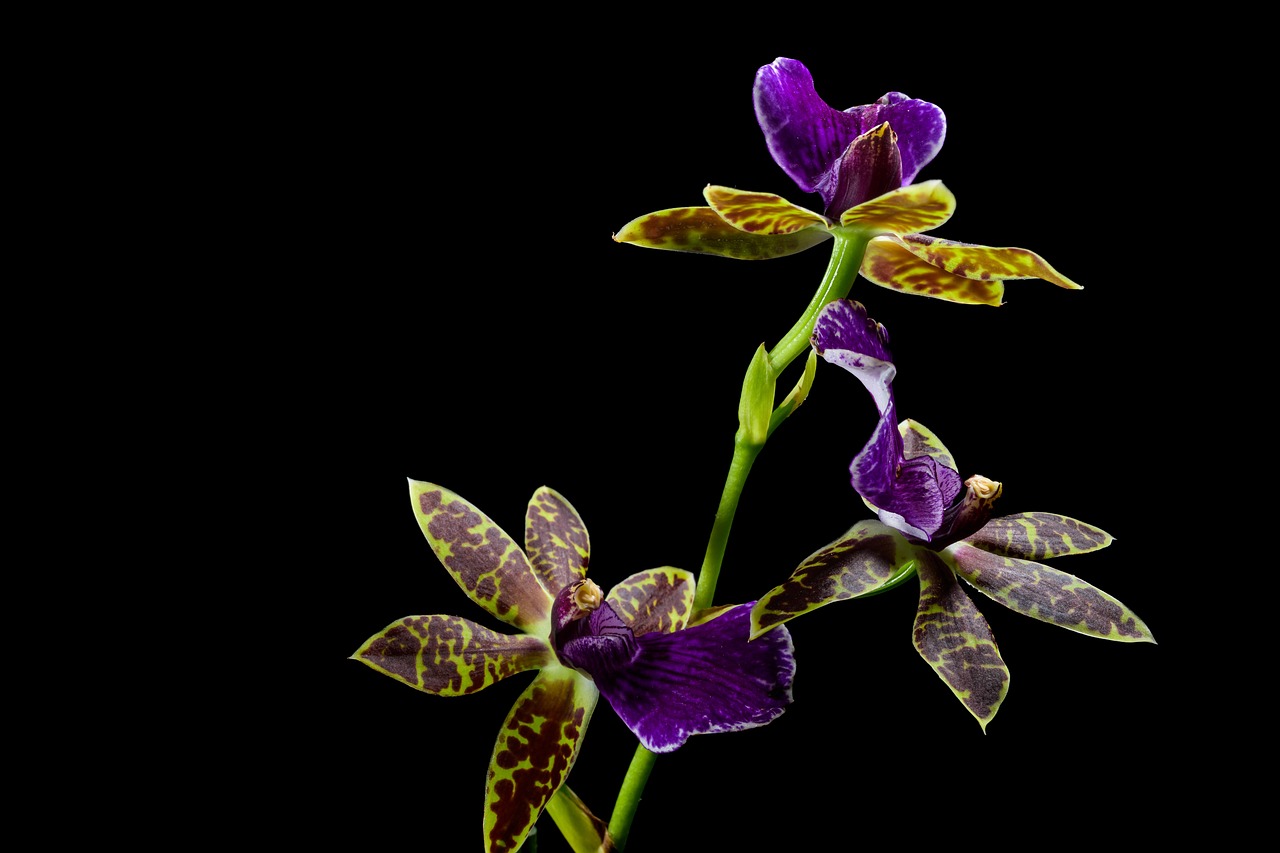
Orchids belong to the family Orchidaceae, one of the largest families of flowering plants. With over 25,000 species and more than 100,000 hybrids, they come in various shapes, sizes, and colors. I remember the first time I laid eyes on a vibrant purple Phalaenopsis orchid—it captured my heart instantly. These flowers are known for their unique symmetry and intricate designs, making them a favorite among gardeners and flower enthusiasts alike.
Historical Significance of Orchids
The history of orchids is just as fascinating as their beauty. Ancient Greeks believed that orchids were associated with virility and fertility. In fact, the name “orchid” comes from the Greek word “orchis,” meaning testicle, due to the shape of some plant’s tubers. In my research, I discovered that during the Victorian era, orchids became a symbol of luxury and status. Collectors would go to great lengths to obtain rare species, often leading to the establishment of dedicated orchid societies. This rich history has only fueled my fascination with these extraordinary plants.
Orchid Biology and Growth Requirements
Understanding how orchids grow is essential for anyone looking to cultivate them. Orchids are typically epiphytic, meaning they grow on other plants rather than in soil. This unique biology allows them to thrive in their natural habitats, often in tropical regions. When I started my own orchid journey, I realized that each type has its specific needs in terms of light, temperature, and humidity. Most orchids prefer bright, indirect sunlight. I found that placing mine near a window, but out of direct sunlight, worked wonders. Additionally, I learned that they thrive in warm, humid environments. Using a humidity tray or misting them regularly can keep these beauties happy.
Popular Orchid Types for Home Gardens
Phalaenopsis (Moth Orchid)
The Phalaenopsis, or Moth Orchid, is perhaps the most popular type for beginners. Its long-lasting blooms and wide variety of colors make it a perfect choice for new orchid lovers. I started with a Phalaenopsis in my kitchen, and it immediately brightened the space. They can bloom for several months, and their care is relatively straightforward, which makes them great for those of us who might still be learning the ropes. For more options, check out Discover the Best Orchid Types for Your Indoor Jungle.
Cattleya (Queen of Orchids)
Cattleyas, often called the “Queen of Orchids,” are known for their large, fragrant blooms. I remember visiting a local orchid show and being blown away by their vibrant colors and unique shapes. Cattleyas prefer bright light and slightly drier conditions, which means I had to adjust my watering schedule when I added them to my collection. Their stunning flowers can add a touch of elegance to any garden.
Dendrobium (Dendrobium Orchids)
Dendrobiums are another popular choice, known for their diverse species and growth habits. They can grow in a variety of conditions, which I found appealing as I explored different gardening setups. Some Dendrobiums thrive in low-light environments, while others prefer full sun. This adaptability allowed me to experiment with where to place them in my garden. I was thrilled when I saw my first Dendrobium bloom—it was a beautiful, cascading display of color.
Oncidium (Dancing Lady Orchid)
The Oncidium, or Dancing Lady Orchid, is truly a showstopper. Its unique flower shape resembles a dancer in motion, which is how it got its nickname. The first time I saw one at a nursery, I couldn’t take my eyes off it. These orchids are relatively easy to care for and thrive in bright, indirect light. I found that they appreciated a bit more humidity, so I placed mine near a small fountain to keep them happy. Watching them sway in the breeze was a joy!
Vanda (Vanda Orchids)
Vanda orchids are known for their striking colors and large blooms. They thrive in bright sunlight and require a bit more attention in terms of watering, as their roots need to dry out between waterings. I learned quickly that they prefer to be mounted or in slotted pots to allow for air circulation. When I finally got my hands on a Vanda, the vibrant blue and purple hues took my breath away. It was like having a piece of the sky in my garden.
Rare and Unique Orchid Species
Ghost Orchid (Dendrophylax lindenii)
The Ghost Orchid is one of the most elusive and enchanting species I’ve come across. Known for its striking appearance and rarity, this orchid has captivated many, including myself. Growing in the swamps of Florida and Cuba, the Ghost Orchid is not just beautiful; it’s also a challenge to find. I remember reading about its unique method of pollination, which relies on a specific species of moth. The flower itself seems to float in the air, with its roots hanging down like ghostly tendrils. This ethereal quality made me appreciate the awe-inspiring nature of orchids even more. While I haven’t dared to try and cultivate one myself, I admire those who have taken on the challenge, as they truly embody the spirit of orchid enthusiasts.
Black Orchid (Catasetum tenebrosum)
The Black Orchid, which is not a true orchid but rather a member of the Catasetum family, caught my attention due to its dramatic appearance. With its dark, almost black petals, it stands out in any collection. I had the chance to see one at a botanical garden, and I was immediately drawn to its mysterious allure. It’s fascinating to learn that this orchid has unique growth patterns, thriving in seasonal climates. I found that it goes through a dormancy period, which can be a bit tricky for beginners like me. However, the reward of witnessing those striking blooms is worth the effort. I think it’s a great example of how diverse the orchid family can be, showcasing beauty in unexpected forms.
Monkey Face Orchid (Dracula simia)
The Monkey Face Orchid is perhaps one of the quirkiest species I’ve come across. With its flowers resembling the face of a monkey, it’s hard not to smile when you see it! I first learned about this species from a fellow orchid lover, and I couldn’t believe how playful and fun it looked. Native to the cloud forests of Ecuador and Peru, the Monkey Face Orchid loves cool, moist environments. My friend has one in her collection, and she shared tips about how to create the ideal conditions for it. It’s a great reminder of how orchids can surprise us with their creativity and charm, and I often think about how unique each species can be.
Lady Slipper Orchid (Cypripedium)
The Lady Slipper Orchid is another gem in the orchid world. Known for its unique pouch-like flower, it’s a sight to behold. I remember hiking in a nearby nature reserve where I stumbled upon a patch of these beauties. Their vibrant colors and unusual shapes captivated me, leading me to learn more about their habitats. Lady Slippers can be a bit picky when it comes to their growing conditions, as they prefer specific soil types and light levels. I appreciate how they remind us that not all orchids are easy-going; some require a dedicated approach and understanding. Still, their elegance makes them worth the effort for those of us who enjoy the challenge.
How to Care for Unique Orchid Types
Light Requirements and Placement
Caring for unique orchids can be a rewarding experience, but it often starts with understanding their light requirements. I’ve learned that different orchid species have various needs when it comes to light. For example, while Phalaenopsis orchids enjoy bright, indirect light, some of the rarer species like the Ghost Orchid thrive in more shaded conditions. When I set up my orchid space, I made sure to research each type’s preferences. I found that rotating them occasionally helps ensure they receive even light exposure, preventing any stretching or uneven growth. It’s fascinating to see how the right placement can truly make a difference.
Watering Techniques
Watering is another critical aspect of orchid care that I’ve had to navigate. I used to worry about overwatering, as that can be detrimental to their health. I learned that most orchids prefer to dry out a bit between waterings. For instance, Vanda orchids like their roots to be almost dry before the next watering, while others, like the Lady Slipper, appreciate consistent moisture. I find it helpful to stick my finger into the potting medium to gauge moisture levels. This simple technique has saved me from some overzealous watering mistakes!
Fertilizing Your Orchids
Feeding orchids can sometimes feel overwhelming, but it’s essential for their growth. I discovered that a balanced fertilizer is a great way to start, and I prefer using one specifically formulated for orchids. During the growing season, I usually feed mine every couple of weeks. I’ve noticed that my orchids respond well to a little extra care during this time, leading to more vibrant blooms. It’s become a routine I enjoy—giving them a little boost while admiring their beauty.
Potting and Repotting Tips
Repotting orchids is an aspect of care that many new growers might find daunting. I certainly did at first! However, I learned that it’s crucial to repot them every couple of years, especially when the potting medium breaks down. I remember the first time I repotted my Cattleya; I was nervous but excited. Using fresh bark or sphagnum moss not only helps with drainage but also provides a healthy environment for the roots. Now, I look forward to repotting, as it gives me a chance to inspect the roots and ensure everything is healthy.
Pest and Disease Management
Like any plant, orchids can be susceptible to pests and diseases. I’ve encountered aphids and mealybugs in my collection before, and it was a learning experience to tackle these issues. I found that regular inspections are key to catching problems early. For me, using a gentle insecticidal soap has worked wonders, as it’s effective without being harsh on the plants. It’s empowering to know that with the right approach, we can keep our orchids thriving and beautiful.
Creating a Stunning Orchid Garden
Choosing the Right Location
Creating an orchid garden has been one of the most fulfilling projects I’ve embarked on. The first step, which I learned through trial and error, is choosing the right location. Orchids thrive in environments that mimic their natural habitats. I found that a spot with bright, indirect sunlight is often ideal, as it prevents the leaves from burning while still providing the light they need for growth. My favorite place has become a cozy corner on my patio, where the morning sun filters through a nearby tree, casting gentle light on my orchids. If you’re considering an indoor garden, a south or east-facing window is usually the best spot. Just remember to monitor the light conditions and adjust your setup as needed!
Orchid Companion Plants
One of the joys of gardening is creating a harmonious environment, and orchids can be great companions with other plants. I’ve found that certain plants, like ferns and bromeliads, thrive alongside orchids due to their similar humidity and light preferences. When I added ferns to my orchid garden, it not only provided a lush aesthetic but also helped maintain moisture levels in the air. Orchids can also benefit from the companionship of plants that deter pests. I’ve seen some gardeners include herbs like basil or mint, which not only add beauty but can help keep unwanted insects at bay. Experimenting with companion plants has truly enhanced my orchid garden’s vibrancy and health.
Design Ideas for an Orchid Garden
Designing an orchid garden can be a fun and creative endeavor. I discovered that vertical gardening is a fantastic way to showcase orchids, especially those that prefer to climb, like Vanda orchids. I installed a trellis against a wall, where I can display these stunning blooms, allowing their colors to pop against the backdrop. Another idea I love is creating a mini-orchid sanctuary using hanging baskets. This not only saves space but also adds layers to the garden. I filled some baskets with various orchids, letting their roots dangle freely. It’s a whimsical look that has become a conversation starter among friends and family. I recommend thinking about the height and texture of your plants to create visual interest throughout your garden.
Seasonal Care and Maintenance
Orchid care doesn’t stop once you set everything up; it’s an ongoing commitment that changes with the seasons. I’ve learned that seasonal changes greatly affect how I care for my orchids. For instance, during the warmer months, I tend to water more frequently as the heat increases evaporation. Conversely, in cooler months, I need to be cautious to prevent overwatering. Regularly checking humidity levels has also become part of my routine. I remember one particularly dry winter when my orchids showed signs of stress, prompting me to invest in a small humidifier. It was a game-changer! Keeping an eye on their environment and adjusting care accordingly has helped me maintain a flourishing orchid garden year-round.
Common Questions About Orchids
How long do orchids typically bloom?
One of the most common questions I’ve encountered is about the blooming period of orchids. On average, orchids can bloom anywhere from a few weeks to several months, depending on the species and growing conditions. For example, my Phalaenopsis orchids consistently bloom for three to six months, which feels like a gift that keeps on giving. However, I’ve noticed that after their blooming period, they often enter a resting phase. During this downtime, I learned to be patient and continue providing care, knowing that they would reward me with beautiful flowers again.
Can orchids thrive outdoors?
Yes, many orchids can thrive outdoors, but it depends on the climate and specific species. I’ve had great success with my outdoor orchids, especially in warmer climates. I always ensure that the outdoor temperatures do not drop too low, as many orchids prefer warmer environments. I’ve found that some orchids, like Oncidiums, do well in partial shade outdoors, while others like Vandas love full sun. It’s crucial to monitor the weather and protect them during extreme conditions, but seeing orchids flourish in a garden setting is incredibly rewarding.
What are the signs of a healthy orchid?
When I first started growing orchids, I often questioned whether mine were healthy. Over time, I’ve learned to look for key indicators. Healthy orchids typically have firm, vibrant leaves and robust roots. I remember the first time I noticed a new leaf emerging from one of my orchids; it felt like such a victory! Additionally, the color of the blooms should be rich and vibrant, not faded or shriveled. Regularly inspecting leaves and roots helps me catch any issues early, ensuring my orchids stay healthy and beautiful.
How do I propagate orchids?
Propagation can be a fun way to expand your orchid collection, and I’ve experimented with a few methods. One common technique is division, where you separate a mature plant into smaller sections, each with roots and leaves. I tried this with my Dendrobiums, and it was thrilling to see them grow into new plants. Another method I’ve learned about is using keikis, which are baby orchids that grow from the parent plant. I find this method particularly rewarding, as it feels like I’m nurturing a little piece of my original plant. While propagation requires patience, it’s a fulfilling way to deepen my connection to these incredible flowers.
Frequently Asked Questions
What are orchids?
Orchids belong to the family Orchidaceae, which is one of the largest families of flowering plants, consisting of over 25,000 species and more than 100,000 hybrids. They are known for their unique symmetry and intricate designs, making them popular among gardeners and flower enthusiasts alike.
What is the historical significance of orchids?
Ancient Greeks associated orchids with virility and fertility, and the name “orchid” comes from the Greek word “orchis,” meaning testicle. During the Victorian era, orchids became a symbol of luxury and status, leading to the establishment of dedicated orchid societies as collectors sought rare species.
What are the growth requirements for orchids?
Orchids are typically epiphytic, meaning they grow on other plants rather than in soil. They thrive in warm, humid environments and prefer bright, indirect sunlight. Each type has specific needs regarding light, temperature, and humidity.
Which orchid type is best for beginners?
The Phalaenopsis, or Moth Orchid, is the most popular choice for beginners due to its long-lasting blooms and relatively straightforward care. It can bloom for several months and is known for its wide variety of colors.
What are some rare orchid species?
Some rare orchid species include the Ghost Orchid, known for its elusive beauty and unique pollination method; the Black Orchid, which has dramatic dark petals; the Monkey Face Orchid, which has flowers resembling a monkey’s face; and the Lady Slipper Orchid, known for its pouch-like flower.
How should I water my orchids?
Most orchids prefer to dry out a bit between waterings. For example, Vanda orchids like their roots to be almost dry before the next watering, while other types, like the Lady Slipper, appreciate consistent moisture. It’s important to check the potting medium’s moisture level to avoid overwatering.
What is the best way to fertilize orchids?
A balanced fertilizer specifically formulated for orchids is recommended. During the growing season, feeding every couple of weeks can help promote vibrant blooms and healthy growth.
How do I repot orchids?
Orchids should be repotted every couple of years, especially when the potting medium breaks down. Using fresh bark or sphagnum moss helps with drainage and provides a healthy environment for the roots.
Can orchids thrive outdoors?
Yes, many orchids can thrive outdoors, depending on the climate and specific species. Some orchids do well in partial shade, while others prefer full sun. It’s essential to monitor outdoor temperatures and protect them during extreme conditions.
How can I propagate orchids?
Propagation can be done through division, where a mature plant is separated into smaller sections, or by using keikis, which are baby orchids that grow from the parent plant. Both methods require patience but can be rewarding as they help expand your orchid collection.
Read Interesting article: Top 10 Stunning Orchid Varieties for Tropical Plant Lovers