
Frogs, toads, and tree frogs inhabit diverse environments across North America. Understanding their preferred habitats and behaviors is key to successfully locating and observing these fascinating amphibians. This guide will provide you with practical tips on how to find different types of frogs and toads in the wild.
Explore Various Habitats to Find Frogs and Toads
Frogs and toads thrive in various habitats. They need moisture and cover to stay safe. Let’s dive into where you can find these amazing amphibians.
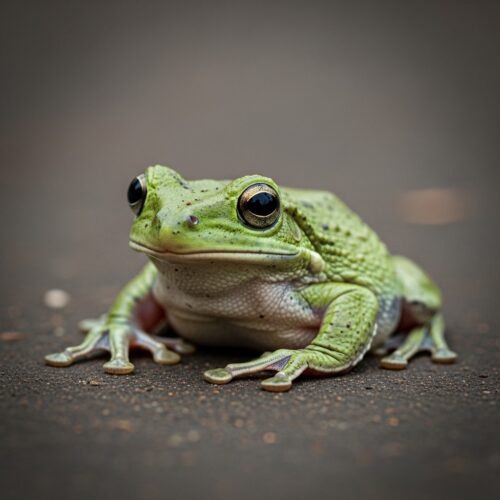
Understanding Freshwater Habitats
Frogs and toads are freshwater lovers. Look for them in:
- Ponds: Still water is perfect for breeding.
- Marshes: These wetlands provide shelter and food.
- Lakes: Larger bodies of water can host diverse species.
Freshwater environments are essential. They help frogs stay hydrated and provide a breeding ground. Keep an eye out for areas with plenty of plants. Vegetation offers cover and attracts insects, which frogs love to munch on!
Urban Environments as Frog Habitats
Don’t overlook city spaces! Many frogs and toads adapt well to urban life. You might find them in:
Table of Contents
- Gardens: Well-planted yards can be a frog’s paradise.
- Parks: Green spaces with ponds or streams are hotspots.
- Backyards: Even small water features can attract them.
Urban areas often have microhabitats. These spots can be excellent for frogs, especially if they have shade and moisture. Remember, frogs are nocturnal. So, your best chance to spot them is in the evening.
Common Mistakes in Habitat Selection
When searching for frogs and toads, avoid these common errors:
- Ignoring Water Quality: Frogs need clean freshwater. Polluted areas are a no-go.
- Choosing Temporary Water Sources: Puddles dry up quickly and aren’t suitable for breeding.
- Overlooking Sun Exposure: Frogs prefer shady spots to stay cool during the day.
Be mindful of these factors. They can make or break your frog-finding adventure. If you’re serious about spotting these amphibians, consider getting a “Frog and Toad Field Guide” to help with identification. Check Price on Amazon.
Understanding these habitats will enhance your chances of finding frogs and toads. Happy hunting!
Identification Techniques for Frogs, Toads, and Tree Frogs
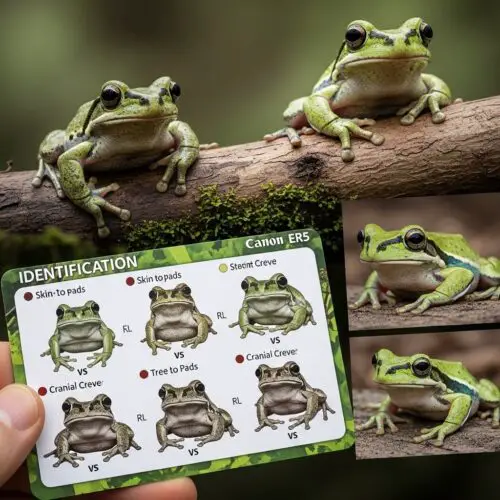
Identifying frogs, toads, and tree frogs can be a fun adventure! Knowing their visual traits and sounds will help you spot them in the wild. Let’s dive into how to recognize these amazing amphibians.
Visual Characteristics of Common Species
Frogs and toads have unique features that make them easier to identify. Here are some key traits:
- Skin Texture: Frogs usually have smooth skin, while toads have bumpy, dry skin.
- Body Shape: Frogs tend to have slender bodies. Toads are chunkier with shorter legs.
- Coloration: Colors can vary widely. For example:
- Tree frogs often blend in with their surroundings, appearing green, gray, or brown.
- The Cuban Tree Frog stands out with its larger size and can even eat smaller frogs!
Look for their enlarged toe pads. These help tree frogs climb and grip surfaces. Their ability to camouflage makes them tricky to spot in trees.
Listening for Frog Calls
Frog calls are a fantastic way to identify them, especially during mating season. Each species has its unique sound. Here are some tips:
- Male Calls: Males call to attract females. Their calls can range from bird-like trills to nasal quonks.
- Timing: Listen during the evening or after rain when they are most active.
- Recordings: Consider using audio samples of frog calls as a guide. Comparing sounds can improve your identification skills.
Behavioral Patterns During Breeding Season
Frogs and toads have specific behaviors during breeding. Understanding these patterns can help you find them:
- Active Times: Most frogs are nocturnal. They are more vocal and visible at night, especially in spring.
- Mating Rituals: Males often call from the water’s edge, making them easier to locate.
- Breeding Sites: Look for ponds or wetlands during the breeding season. Frogs prefer calm, shallow water for laying eggs.
Using these techniques can significantly enhance your frog-finding experience. For a comprehensive guide, a “Frog and Toad Field Guide” can be a handy companion. Check Price on Amazon. Happy spotting!
Best Practices for Ethical Observation

Observing frogs, toads, and tree frogs can be a thrilling experience. However, it’s crucial to do so responsibly. Minimizing disturbance to their habitats ensures these amazing creatures thrive.
Understanding Frog Behavior and Sensitivity
Frogs are sensitive to changes in their environment. They can be easily stressed by noise, bright lights, and human interaction. Understanding their behavior helps you observe them without causing harm. Here are some key points:
- Nocturnal Nature: Most frogs are active at night. They communicate through calls, especially during mating season.
- Habitat Awareness: Frogs prefer calm, shallow waters for breeding. Approach these areas quietly to avoid scaring them away.
Avoiding Disturbance to Breeding Sites
Breeding sites are vital for frogs’ lifecycles. Disturbing these areas can disrupt their natural processes. Here’s a quick checklist to keep in mind:
- Stay at a Distance: Observe from afar. Use binoculars to get a closer look without intruding.
- Minimize Light: If you need a flashlight, use a red filter. This reduces stress on the frogs.
- Mind Your Step: Be careful where you walk. Avoid trampling vegetation or disturbing the water.
Tips for Safe and Respectful Observation
Being a responsible observer makes a big difference. Follow these tips to ensure you respect their habitat:
- Keep Hands Clean: If you must handle a frog, wet your hands first. This protects their delicate skin.
- Follow Local Guidelines: Many areas have specific rules about frog observation. Familiarize yourself with these before heading out.
- Leave No Trace: Take any trash with you and leave the habitat as you found it.
Here’s a quick checklist of common mistakes to avoid:
- Getting Too Close: Don’t crowd frogs. Give them space to behave naturally.
- Using Chemical Products: Avoid applying lotions or insect repellent before handling frogs.
- Ignoring Weather Conditions: Frogs are more active during certain weather patterns. Check local conditions for the best observation times.
By following these ethical observation practices, you contribute to the well-being of frogs and their habitats. Happy spotting!
Common Issues and Mistakes When Finding Frogs
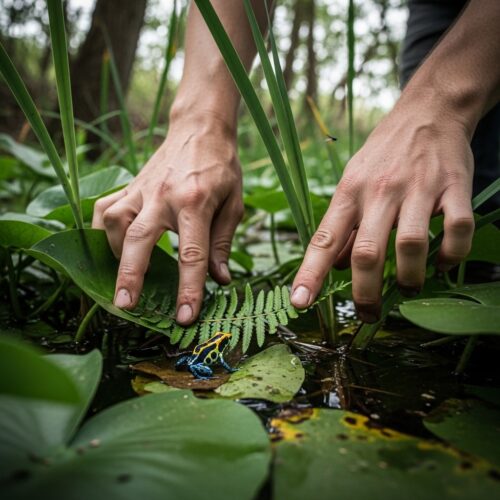
Finding frogs can be a thrilling adventure, but it’s easy to make mistakes. Here are some common pitfalls and how to dodge them for a successful frog hunt.
Misunderstanding Frog Activity Patterns
Frogs are often most active during specific times. Many people overlook this and search at the wrong hours.
- Best Times to Search: Early evening or after rain is prime time. Frogs tend to call out during these periods.
- Seasonal Variations: Different species are active at different times of the year. Research local species to know their peak activity.
For example, if you’re looking for tree frogs, they might be more vocal in spring. Knowing this can increase your chances of a successful sighting.
Overlooking Key Habitat Features
Not all water sources are frog-friendly. Many searchers miss key habitat features that attract frogs.
- Look for Vegetation: Frogs love areas with plenty of plants. This gives them cover and places to lay eggs.
- Pond Characteristics: Shallow, calm ponds are ideal. Avoid fast-moving waters; frogs prefer stillness.
If you find a pond but notice it’s too murky or has too many currents, try another spot. A well-vegetated edge of a pond might yield more results.
Failing to Use Proper Tools and Techniques
Many people head out without the right gear or knowledge. This can lead to a frustrating experience.
- Bring a Flashlight: Frogs are often more active at night. A good flashlight helps you spot them without disturbing their habitat.
- Listen for Calls: Familiarize yourself with frog calls. This is a key technique, as many frogs are easier to find by ear than by sight.
For instance, male frogs often call to attract mates. Learning their calls can guide you to their location. Consider using an app that plays frog calls to help you identify them in the field.
Checklist of Common Mistakes
- Searching at the wrong time of day
- Ignoring essential habitat features
- Not using tools like flashlights or apps
- Disturbing the natural environment
Avoid these common mistakes, and you’ll be on your way to a successful frog-finding adventure!
Conservation Tips for Frogs and Their Habitats
Frogs are facing tough challenges in the wild. Habitat loss, pollution, and climate change are just a few of the threats they encounter. Here’s how you can help protect these amazing creatures.
Understanding Frog Lifecycle Stages
Frogs go through several lifecycle stages: egg, tadpole, and adult. Each stage needs specific conditions to thrive.
- Eggs: Laid in water, they need clean, still environments.
- Tadpoles: They require freshwater and plenty of vegetation for food and shelter.
- Adults: They live both in water and on land, so diverse habitats are crucial.
By understanding their lifecycle, you can identify what habitats need protection.
The Impact of Habitat Loss
Habitat loss is a significant threat to frogs. Wetlands, forests, and ponds are disappearing due to development and pollution. This leads to:
- Fewer breeding grounds
- Increased competition for resources
- Vulnerability to predators
Preserving these habitats is vital for frog populations. Every little effort counts!
How You Can Contribute to Frog Conservation
You can make a difference! Here are some practical steps you can take:
- Plant native vegetation: Create a frog-friendly garden with native plants. This provides shelter and food.
- Reduce pesticide use: Chemicals can harm frogs. Opt for natural pest control methods.
- Support local conservation groups: Get involved in local initiatives that focus on preserving wetland habitats.
- Participate in clean-up efforts: Help clean local ponds and streams. This improves water quality for frogs.
By taking these actions, you contribute to a healthier environment for frogs and their habitats. Every effort helps ensure that future generations can enjoy these fascinating creatures.
Frequently Asked Questions
These quick answers cover the most common questions about this topic, including key details, practical tips, and common concerns.
What is the best time to find frogs and toads?
The best time to find frogs and toads is during their active periods, typically at night or after rainfall. Many species are nocturnal and vocalize during the evening, making this the ideal time for observation. Spring and early summer are prime seasons for breeding calls and sightings, as frogs gather at breeding sites.
How can I identify different species of frogs?
Identify frogs by their skin texture, coloration, size, and call sounds. For example, tree frogs often have smooth skin and enlarged toe pads for climbing, while toads have bumpy, dry skin. Listening to their calls during mating season can also help distinguish species. Use visual guides or audio samples to improve accuracy.
What habitats do frogs prefer to live in?
Frogs prefer moist environments with access to freshwater sources like ponds, marshes, and lakes. They thrive in areas with abundant vegetation, which offers cover and breeding sites. Urban gardens, parks, and backyard water features can also serve as suitable habitats if they provide shade, moisture, and safety from predators.
Are there ethical considerations when observing frogs?
Yes. Always observe frogs quietly from a distance to avoid stressing them or disturbing their habitat. Use minimal light, avoid handling unless necessary, and never trample vegetation or water sources. Respect breeding sites and follow local guidelines to minimize environmental impact. Responsible observation supports frog conservation.
When do frogs breed, and how can I tell?
Frogs breed during specific seasons, often in spring or early summer, depending on the species and climate. During breeding, males call loudly to attract females, and you may see them gathered at ponds or wetlands. Listening for their distinctive calls is a good indicator that breeding activity is underway.
Why are frogs important to ecosystems?
Frogs play a vital role as both predators and prey. They help control insect populations, such as mosquitoes and flies, and serve as food for birds, fish, and mammals. Their presence indicates healthy ecosystems, and they contribute to nutrient cycling in aquatic and terrestrial habitats.
What are common mistakes when trying to find frogs?
Common mistakes include searching at the wrong times, such as during the day when many frogs are inactive. Ignoring key habitat features like vegetation and water quality can also hinder success. Additionally, using bright lights or getting too close can scare frogs away or cause stress.
Are there alternative methods for observing frogs besides field observation?
Yes. You can listen to recorded frog calls or use audio apps to identify species by their sounds. Virtual tours and online databases offer images and sound samples for identification. These methods are great substitutes if you want to learn about frogs without disturbing their habitats.