
Great Smoky Mountains National Park is a stunning destination straddling Tennessee and North Carolina, known for its diverse wildlife and rich cultural history. This complete 2026 visitor guide will help you plan your trip, covering essential information on entrance options, seasonal activities, and must-see attractions.
Overview of Great Smoky Mountains National Park
Great Smoky Mountains National Park is a breathtaking gem located on the border of Tennessee and North Carolina. It’s a haven for nature lovers, offering stunning landscapes and rich history.
Geography and Size
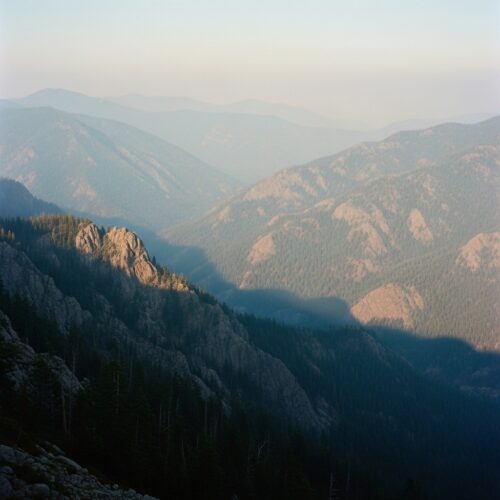
This park covers a whopping 522,427 acres! It’s one of the largest protected areas in the eastern United States. The terrain features rolling mountains, deep valleys, and lush forests. Here are some key geographical highlights:
- Elevation: Ranges from 875 to 6,643 feet.
- Diverse Ecosystems: Home to over 19,000 documented species, with estimates suggesting 30,000 more yet to be discovered.
- Trails: More than 800 miles of trails, including sections of the famous Appalachian Trail.
History and Significance
The park was established in 1934, but its story began long before that. It was formed to protect the unique wildlife and cultural heritage of the region. Here’s what makes it significant:
- Conservation Efforts: The park plays a crucial role in conserving Appalachian wildlife and habitats.
- Cultural Heritage: It preserves the history of the Southern Appalachian people, including old log cabins and homesteads that tell the story of early settlers.
- Biodiversity: Recognized as a UNESCO World Heritage Site, it’s one of the most biodiverse areas in North America.
The Great Smoky Mountains National Park is more than just a pretty view. It’s a living history and a vital part of our natural heritage.
Table of Contents
Best Times to Visit the Great Smoky Mountains
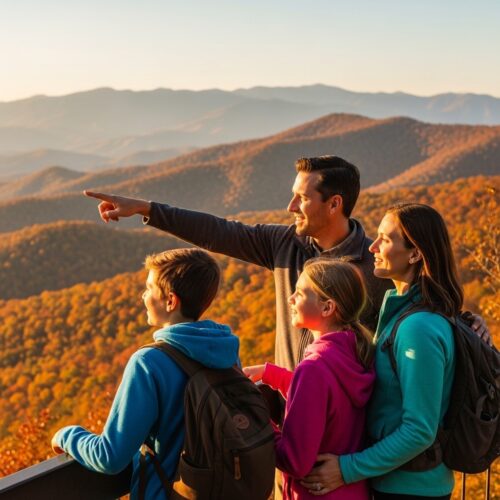
Timing your visit to the Great Smoky Mountains can make all the difference. Each season offers unique experiences, wildlife sightings, and breathtaking views. Here’s a breakdown to help you plan your trip.
Spring (Mar–May)
Spring is a vibrant time in the Smokies. Wildflowers bloom, and wildlife becomes more active.
- Wildlife Viewing: Look for black bears emerging from hibernation. Birdwatchers will delight in spotting migratory birds.
- Weather: Temperatures range from the 40s to 70s°F. Expect some rain, so pack a poncho!
- Visitor Tip: Late April is ideal for wildflower enthusiasts. Many visitors rave about the stunning sights along the Roaring Fork Motor Nature Trail.
Summer (Jun–Aug)
Summer is peak season in the Smokies. The weather is warm, making it perfect for outdoor adventures.
- Crowds: Be ready for larger crowds, especially in popular areas like Cades Cove. Plan to arrive early to secure parking.
- Activities: Hiking, swimming in streams, and ranger-led programs are plentiful.
- Visitor Tip: Early mornings are best for hiking. Many visitors enjoy the cooler temperatures and fewer crowds at trailheads before 8 a.m.
Fall (Sep–Nov)
Fall is a photographer’s paradise. The foliage transforms into a canvas of reds, oranges, and yellows.
- Scenic Views: Mid-October is peak foliage season. Expect stunning views along Clingmans Dome.
- Weather: Temperatures cool down, ranging from the 40s to 60s°F. Some higher elevations may see early snow.
- Visitor Tip: Weekdays are quieter for leaf-peeping. Many visitors recommend avoiding weekends to dodge heavy traffic, especially in Cades Cove.
Seasonal Checklist for Visitors
- Spring: Bring binoculars for wildlife watching. Don’t forget your camera for wildflowers!
- Summer: Pack sunscreen and plenty of water. A hat and comfortable shoes are essential.
- Fall: Layer your clothing for fluctuating temperatures. A good camera is a must for capturing fall colors.
By choosing the right season, you can enhance your experience at Great Smoky Mountains National Park.
Entrance Options and Base Towns
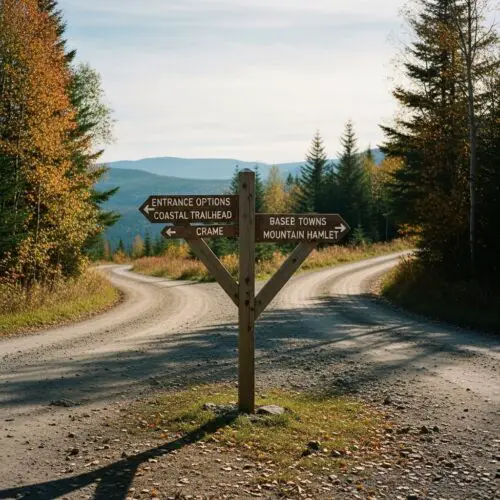
Choosing the right entrance to Great Smoky Mountains National Park can shape your entire visit. Each entrance offers unique experiences and access to different activities. Let’s explore the main options and nearby towns.
Gatlinburg Entrance
The Gatlinburg entrance is the most popular. It’s easily accessible from downtown and connects directly to the park via US-441.
Pros:
- Close to restaurants and shops.
- Excellent visitor center with exhibits and clean restrooms.
- Quick access to Cades Cove and Roaring Fork Motor Nature Trail.
Cons:
- Can get crowded, especially on weekends.
- Limited parking during peak seasons.
Pigeon Forge Entrance
Next up is the Pigeon Forge entrance. This area is known for its attractions and family-friendly activities.
Pros:
- Less crowded than Gatlinburg, especially during summer.
- Plenty of accommodation options nearby.
- Offers scenic routes to the park.
Cons:
- Slightly farther from some popular hiking trails.
- Activity-filled town may distract from nature.
Townsend and Cherokee Options
If you prefer a quieter entrance, consider Townsend or Cherokee. These towns provide a different vibe and access points.
Townsend Entrance:
- Pros: Known as the “quiet side of the Smokies,” great for peaceful hikes.
- Cons: Fewer amenities and dining options.
Cherokee Entrance:
- Pros: Rich in cultural history and close to the Oconaluftee Visitor Center.
- Cons: Limited access to some main attractions.
Entrance Comparison Table
| Entrance | Pros | Cons |
|---|---|---|
| Gatlinburg | Close to amenities, direct access | Crowded, limited parking |
| Pigeon Forge | Less crowded, family-friendly activities | Farther from some trails |
| Townsend | Peaceful hikes, less commercial | Fewer amenities |
| Cherokee | Culturally rich, great visitor center access | Limited access to main attractions |
When planning your visit, consider what you want from your experience. Whether it’s the bustling energy of Gatlinburg or the serene charm of Townsend, there’s an entrance that fits your style!
Wildlife and Nature in the Smokies

The Great Smoky Mountains National Park is a wildlife lover’s paradise. From bears to wildflowers, the park is teeming with life. Here’s what you need to know to experience the best of its natural wonders.
Types of Wildlife
The park is home to a diverse range of animals. Here are some highlights:
- Black Bears: The iconic residents of the Smokies. Spot them foraging in the early morning or late evening.
- Elk: Found mainly in Cataloochee Valley, these majestic creatures are best seen in the early spring and fall.
- Birds: Over 200 species call the park home. Look out for the colorful warblers during migration seasons.
Best Viewing Spots
Want to catch a glimpse of the wildlife? Head to these prime spots:
- Cades Cove: A beautiful valley that’s perfect for wildlife viewing. Drive the loop early in the morning for the best chance to see deer and black bears.
- Oconaluftee Visitor Center: Here, you can often see elk grazing, especially at dawn or dusk.
- Roaring Fork Motor Nature Trail: A scenic drive where you might spot a variety of wildlife, including wild turkeys and squirrels.
Safety Tips for Encounters
While wildlife viewing is thrilling, safety is key. Here are some essential tips:
- Keep your distance: Stay at least 50 yards away from bears and 25 yards from elk. Use binoculars for a better view.
- Do not feed wildlife: It can harm them and get you into trouble. It’s illegal and dangerous.
- Be aware of your surroundings: Keep an eye out for animals crossing the road, especially at dawn and dusk.
Here’s a quick checklist for your wildlife viewing adventure:
- Binoculars: A must-have for spotting animals from a safe distance.
- Camera: Capture those unforgettable moments, but ensure you respect their space.
- Quietness: Speak softly and move slowly to avoid startling the wildlife.
Personal stories from visitors often highlight heartwarming encounters. One traveler shared how they watched a mother bear teach her cubs to climb trees. Moments like that make your visit unforgettable!
Plan ahead, respect nature, and enjoy the breathtaking wildlife that the Great Smoky Mountains National Park has to offer!
Seasonal Activities and Attractions

The Great Smoky Mountains National Park offers a variety of activities throughout the year. Whether you’re hiking, enjoying festivals, or witnessing natural wonders, there’s something for everyone.
Spring Activities
Spring brings vibrant wildflowers and the famous synchronous fireflies. Every year, these magical insects light up the park in late May to early June. Here’s how to make the most of your spring visit:
- Wildflower Walks: Explore the blooming trails. The Alum Cave Trail is a favorite for spotting colorful flora.
- Synchronous Fireflies Viewing: Plan your visit around the firefly season. Arrive early to secure a parking spot.
- Wildlife Watching: Spring is prime time for seeing black bears and other wildlife waking from hibernation.
Summer Events
Summer heats up with family-friendly events and outdoor activities. It’s the perfect time to soak up the sun and enjoy the park’s beauty.
- Ranger-led Programs: Join park rangers for educational hikes and talks. Learn more about the ecosystem and history.
- Waterfalls Exploration: Visit popular spots like Laurel Falls and Grotto Falls. Pack a picnic for a fun day out.
- Camping: Experience the great outdoors. Popular campgrounds include Elkmont and Cades Cove. Make reservations early!
Fall Foliage Festivals
Fall transforms the Smokies into a colorful wonderland. The foliage peaks in late October, offering stunning views.
- Leaf Peeping: Take the Cades Cove Loop for breathtaking scenery. Bring your camera!
- Harvest Festivals: Check out local events in nearby towns. Enjoy crafts, food, and live music.
- Hiking: Trails like Clingmans Dome provide amazing vistas. Don’t miss the chance to capture the fall colors.
Visitor Testimonials
Many visitors rave about their experiences in the Smokies. One family shared how they were awestruck by the fireflies lighting up the night. Another couple enjoyed a peaceful hike during the fall, surrounded by vibrant leaves. These moments make the park unforgettable!
Seasonal Checklist
- Spring: Wildflower hikes, firefly viewing, wildlife watching.
- Summer: Ranger programs, waterfall visits, camping.
- Fall: Leaf peeping, local festivals, hiking.
Plan your trip around these activities for a memorable experience in the Great Smoky Mountains National Park!
Cultural History and Heritage
The Great Smoky Mountains National Park is rich in cultural history. This heritage is woven into its landscapes, especially in areas like Cades Cove and the Mountain Farm Museum. Let’s dive into what makes these spots special.
Historical Sites in the Smokies
Cades Cove is a gem of the park. It tells the story of early Appalachian settlers. As you drive the loop, you’ll see preserved log cabins, churches, and even a working gristmill. Each structure has its own tale to share.
Here are some highlights of historical sites in Cades Cove:
- Log Cabins: Built in the early 1800s, these cabins show how settlers lived.
- Cades Cove Missionary Baptist Church: This church dates back to 1887 and is still in use today.
- Gristmill: A great spot to learn about early farming techniques and see how grain was processed.
Significance of Cades Cove
Cades Cove isn’t just pretty scenery; it’s a window into the past. Many visitors find it a peaceful spot to reflect on history. The cove was home to families who farmed the land and thrived despite challenges.
What makes Cades Cove significant?
- Wildlife Viewing: It’s a prime spot to see black bears and deer. This blend of history and nature makes it unique.
- Cultural Events: Throughout the year, you can enjoy events that celebrate Appalachian culture. These include music festivals and traditional craft demonstrations.
- Visitor Interaction: Many visitors leave with stories of how the cove’s beauty and history have touched them. One visitor shared how learning about the settlers deepened their appreciation for the landscape.
Exploring the cultural heritage of the Great Smoky Mountains adds depth to your visit. Cades Cove offers a perfect mix of history, nature, and a glimpse into the lives of those who came before us.
Tips for a Successful Visit
Planning a trip to the Great Smoky Mountains National Park? You’re in for a treat! This section will help you pack smart, avoid common pitfalls, and navigate the park like a pro.
Packing Essentials
Packing right can make your visit more enjoyable. Here’s a seasonal checklist to guide you:
- Spring/Summer:
- Lightweight clothing
- Sturdy hiking shoes
- Sunscreen and hat
- Insect repellent
- Reusable water bottle
- Fall:
- Layered clothing for changing temperatures
- Camera to capture the stunning foliage
- Hiking poles for slippery trails
- Winter:
- Warm clothing, including gloves and hats
- Waterproof boots
- Ice grips for shoes (if there’s snow)
- Extra snacks for energy during hikes
Navigating Crowds
The Smokies get busy, especially in peak seasons. Here are tips to help you avoid the rush:
- Visit on weekdays: Crowds are thinner, especially in popular spots like Cades Cove.
- Arrive early: Beat the morning rush by arriving before 9 AM.
- Explore lesser-known trails: Try trails like the Alum Cave Trail or Porters Creek Trail for fewer people and beautiful views.
- Utilize the NPS app: Download the National Park Service app for maps and real-time alerts about crowd levels and closures.
Common Mistakes to Avoid
Even seasoned travelers can make missteps. Here are common mistakes to steer clear of:
- Underestimating the weather: Conditions can change quickly. Always check the forecast before heading out.
- Ignoring wildlife safety: Keep your distance from animals. Feeding them is prohibited and dangerous.
- Skipping the visitor center: Stop by the Sugarlands Visitor Center for maps, advice, and exhibits about the park’s history.
- Not planning for downtime: Don’t jam-pack your itinerary. Allow time to relax and soak in the scenery.
With these tips, you’re set for an unforgettable adventure in the Great Smoky Mountains! Happy exploring!
Frequently Asked Questions
These quick answers cover the most common questions about this topic, including key details, practical tips, and common concerns.
What is the best month to visit Great Smoky Mountains National Park?
The best months to visit are during spring (March–May) and fall (September–November). Spring offers wildflower blooms and active wildlife, while fall provides stunning foliage colors. Early mornings and weekdays are ideal to avoid crowds and enjoy the scenery peacefully.
What is the prettiest town in the Smoky Mountains?
Gatlinburg and Pigeon Forge are the most popular towns, each offering unique attractions. Gatlinburg is known for its charming downtown and scenic mountain views, while Pigeon Forge boasts family-friendly entertainment. For a quieter experience, Townsend is a great alternative with a peaceful vibe.
Can you drive Cades Cove at night?
No, driving Cades Cove at night is not permitted. The loop is open from dawn to dusk only. Nighttime driving is restricted to protect wildlife and ensure visitor safety. However, Cades Cove is famous for wildlife viewing early in the morning and at dusk.
What is the best town to stay in when visiting the Smoky Mountains?
Gatlinburg is the most convenient for access and amenities, making it popular for visitors. Pigeon Forge offers a family-friendly atmosphere with plenty of attractions. For a quieter experience, Townsend provides peaceful lodging options and fewer crowds.
How do I avoid parking issues during peak season?
Arrive early, especially in the morning hours, to secure parking. Consider visiting less crowded areas or trails that don’t require parking passes. Using the park’s shuttle system or visiting during weekdays can also help you avoid parking congestion.
How to plan a trip to Great Smoky Mountains National Park?
Start by choosing the best season for your interests. Decide on entrances and nearby towns for accommodations. Make reservations early for popular lodging and campgrounds. Use the park’s visitor centers and maps to plan hikes, scenic drives, and activities.
Why is Cades Cove so popular?
Cades Cove offers a scenic, accessible loop that’s ideal for wildlife viewing, photography, and exploring Appalachian history. Its abundance of wildlife, historic buildings, and beautiful landscapes make it a must-visit spot for many travelers.
When is the best time to see synchronous fireflies?
The peak season for viewing synchronized fireflies is late May to early June. Check local schedules as the timing can vary slightly each year. Arrive early in the evening and bring a flashlight with a red filter to enjoy this natural light show safely.