
Gutter aprons and drip edges are crucial components of roofing systems that protect homes from water damage. Understanding their differences can help homeowners make informed decisions for their roofing needs.
Understanding Gutter Aprons and Drip Edges
Gutter aprons and drip edges are essential elements of a roofing system. They work together to direct water away from your home, preventing damage. Let’s break down what each one is and how they function.
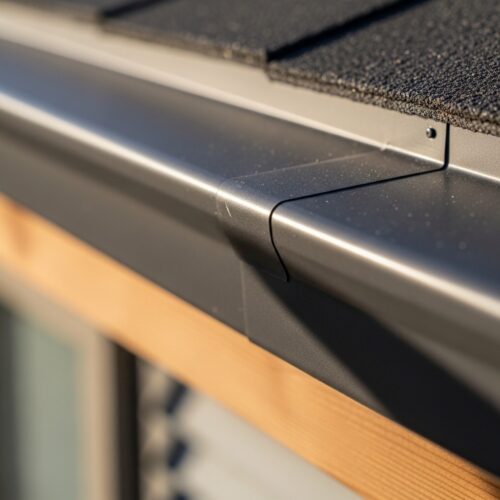
What is a Gutter Apron?
A gutter apron is an L-shaped metal flashing. It’s installed along the roof edge and extends into the gutter. This design helps channel water directly into the gutter system. By doing so, it prevents water from trickling behind the gutters or splashing on the siding, which can lead to rot and other damage.
What is a Drip Edge?
A drip edge is a T-shaped metal flashing that hangs over the roof’s edge. Its main job is to prevent water from running back under the shingles and damaging the roof deck. It also helps protect the fascia board from water damage by directing runoff into the gutter.
Key Differences Between Gutter Aprons and Drip Edges
| Feature | Gutter Apron | Drip Edge |
|---|---|---|
| Shape | L-shaped | T-shaped |
| Installation | Under shingles, over roof sheathing | At the roof edge, over shingles |
| Main Function | Directs water into gutters | Prevents water from going under shingles |
| Best For | Low-slope roofs | Steep-pitched roofs |
Why Are They Important?
Both gutter aprons and drip edges play vital roles in water management. They work together to keep your roof and home safe from potential water damage. For instance, if you have a low-slope roof, using a gutter apron can significantly reduce the risk of water pooling and leaking. On the other hand, a drip edge provides crucial protection for steeper roofs, ensuring water doesn’t seep beneath the shingles.
Table of Contents
By understanding these differences, you can make a more informed decision about what’s best for your home’s roofing needs.
Installation Methods for Gutter Aprons and Drip Edges
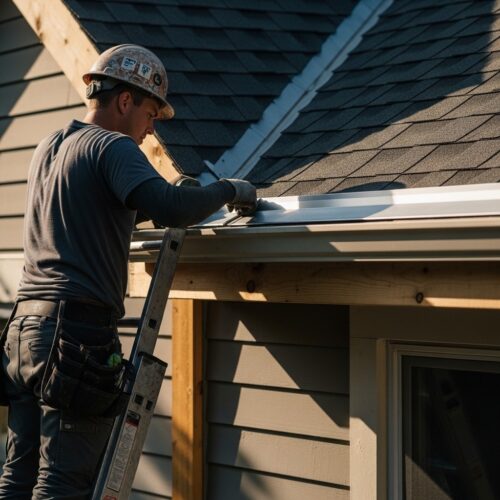
Installing gutter aprons and drip edges requires attention to detail. Each serves a unique purpose, and their installation processes differ significantly. Let’s break down how to install both components effectively.
Step-by-Step Installation of a Gutter Apron
1. Gather Materials: You’ll need the gutter apron, roofing nails, a hammer, a measuring tape, and a utility knife.
2. Prepare the Roof: Remove any old shingles from the edge where the gutter apron will be installed. Ensure the area is clean and dry.
3. Measure and Cut: Measure the length of the eaves. Cut the gutter apron to size, ensuring it’s long enough to extend into the gutter.
4. Position the Gutter Apron: Place the apron so that it sits on the roof deck, extending into the gutter. Make sure it overlaps the roof sheathing.
5. Secure It: Nail the gutter apron in place using roofing nails. Space the nails about 12 inches apart to ensure a secure fit.
6. Install Shingles: Once the gutter apron is secured, carefully install the shingles over it, ensuring a tight seal to prevent leaks.
Common Mistakes:
- Not overlapping the apron properly can lead to leaks.
- Failing to secure the nails adequately may cause the apron to lift over time.
How to Properly Install a Drip Edge
1. Gather Materials: You’ll need the drip edge, roofing nails, a hammer, and a utility knife.
2. Preparation: Similar to the gutter apron, remove any old roofing material at the edges. Clean the area.
3. Measure and Cut: Measure the eaves and cut the drip edge to the proper length.
4. Position the Drip Edge: Place the drip edge along the edge of the roof, ensuring it overhangs the fascia board slightly.
5. Secure It: Nail the drip edge in place with roofing nails, placing them about 12 inches apart.
6. Install Shingles: Install the shingles over the drip edge, ensuring they cover the edge for maximum protection.
Common Mistakes:
- Installing the drip edge too far back can allow water to seep behind it.
- Not ensuring the shingles cover the edge can expose the fascia to water damage.
Quick Comparison of Installation
| Feature | Gutter Apron | Drip Edge |
|---|---|---|
| Shape | L-shaped | T-shaped |
| Installation Location | Under shingles, extending into gutter | Over fascia, covering roof edge |
| Complexity | More complex, requires shingle removal | Simpler, can be installed last |
| Common Mistakes | Improper overlap, insufficient nailing | Incorrect positioning, lack of coverage |
Understanding these installation methods can help you avoid costly mistakes. Whether you choose a gutter apron or a drip edge, proper installation is crucial for effective water management and protecting your home.
Functional Differences: Gutter Apron vs. Drip Edge
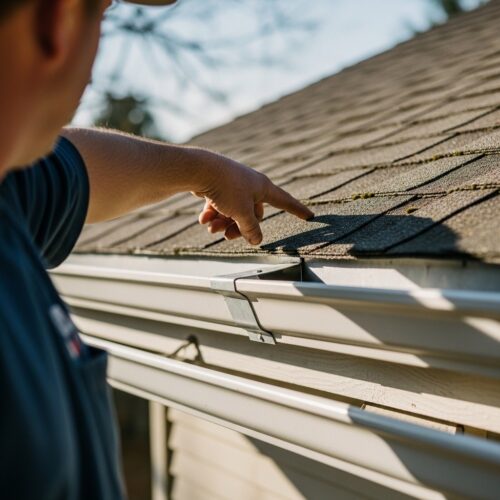
Gutter aprons and drip edges both play crucial roles in managing water on your roof. However, they function differently and are suited for various situations.
How Gutter Aprons Channel Water
Gutter aprons have an L-shaped design. They get installed under the shingles and extend into the gutter. This helps direct water runoff from the roof straight into the gutter.
- Ideal for: Low-slope roofs where water might otherwise flow behind the gutter.
- Functionality: They prevent water from trickling behind the gutters, which can lead to fascia damage over time.
- Installation Tip: Proper overlap is key. If not installed correctly, water can still end up where it shouldn’t.
The Role of Drip Edges in Preventing Water Damage
Drip edges feature a T-shaped design and sit over the fascia. Their primary job is to protect the fascia board from water damage.
- Ideal for: Steeper roof pitches where water needs to be diverted effectively.
- Functionality: They prevent water from running down the fascia, which can cause rot and other issues.
- Installation Tip: Ensure they’re positioned correctly. This minimizes gaps where water can escape.
Quick Comparison of Functions
| Feature | Gutter Apron | Drip Edge |
|---|---|---|
| Shape | L-shaped | T-shaped |
| Primary Function | Directs water into the gutter | Protects fascia from water damage |
| Best Suited For | Low-slope roofs | Steeper roof pitches |
| Installation Complexity | More complex, under shingles | Simpler, over fascia |
Choosing Between Them
When deciding between a gutter apron and a drip edge, consider your roof slope and potential water flow. If water tends to run behind your gutters, a gutter apron is your best bet. For protecting your fascia, the drip edge is essential.
Remember, both can be used together for maximum protection. Just follow the installation guidelines to avoid issues down the line.
Pros and Cons of Gutter Aprons and Drip Edges
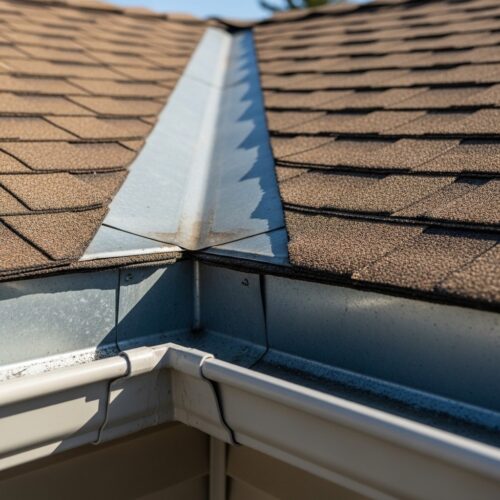
When it comes to choosing between a gutter apron and a drip edge, understanding the advantages and disadvantages of each can help you make the best decision for your home. Let’s break it down.
Advantages of Gutter Aprons
- Effective Water Management: Gutter aprons are designed to direct water directly into the gutters, minimizing the risk of water running behind them. This is especially beneficial for low-slope roofs where water flow can be a challenge.
- Prevents Damage: By preventing water from getting behind the gutters, gutter aprons help protect your fascia and siding from potential water damage.
- Longer Coverage: Gutter aprons typically extend further into the gutter compared to drip edges, offering better coverage and protection against heavy rains.
Disadvantages of Gutter Aprons
- Complex Installation: Installing a gutter apron can be tricky. It often requires lifting shingles, which might lead to warranty issues if not done correctly. Professional installation is usually recommended.
- Higher Cost: While they are not exorbitantly expensive, gutter aprons can cost more than drip edges, especially with installation fees factored in.
Advantages of Drip Edges
- Simple Installation: Drip edges are much easier to install. They sit on top of the fascia, making them more DIY-friendly compared to gutter aprons.
- Fascia Protection: They effectively prevent water from running down the fascia board, reducing the risk of rot and damage over time.
- Cost-Effective: Generally, drip edges are less expensive than gutter aprons, making them a budget-friendly option.
Disadvantages of Drip Edges
- Limited Coverage: Drip edges don’t extend into the gutter as much as gutter aprons, which can lead to water spilling over if the gutters are clogged or overwhelmed.
- Not Ideal for Low-Slope Roofs: On lower slopes, they may not redirect water effectively, leading to potential issues with water pooling.
Quick Comparison Table
| Feature | Gutter Apron | Drip Edge |
|---|---|---|
| Installation | Complex, under shingles | Simple, over fascia |
| Water Management | Excellent for low-slopes | Good, but less coverage |
| Cost | Generally higher | More budget-friendly |
| Fascia Protection | Moderate | Strong |
| Best Suited For | Low-slope roofs | Steeper roofs |
By weighing these pros and cons, you can choose the right option for your roof and ensure effective water management.
Cost Comparison: Gutter Apron vs. Drip Edge
When considering a gutter apron versus a drip edge, cost is a key factor. Let’s break down the expenses and long-term value of each option.
Initial Installation Costs
- Gutter Apron: Installation is generally more complex. It requires precise fitting and may involve removing shingles. This complexity can drive up labor costs. Expect to pay about $1-5 per linear foot for materials.
- Drip Edge: Installation is simpler and quicker, making it more budget-friendly. The typical cost is also around $1-5 per linear foot. Plus, since it sits over the fascia, it usually doesn’t require any shingle removal.
Long-Term Value and Durability
- Gutter Apron: Ideal for low-slope roofs, it directs water efficiently into gutters, reducing the risk of water damage. If installed correctly, it can be a long-term solution, potentially saving you from costly repairs down the road.
- Drip Edge: While it protects the fascia board better, its effectiveness varies with the roof pitch. For steeper roofs, it provides good coverage, but may not direct water as effectively on low slopes. It offers decent long-term value if properly maintained.
Cost-Benefit Analysis
| Feature | Gutter Apron | Drip Edge |
|---|---|---|
| Installation Cost | Higher due to complexity | Lower, easier installation |
| Material Cost | $1-5 per linear foot | $1-5 per linear foot |
| Water Management | Excellent for low slopes | Good for steep roofs |
| Fascia Protection | Moderate | Strong |
| Long-Term Value | Reduces water damage risk | Protects fascia, but less effective on low slopes |
Real-World Example
Imagine a home with a low-slope roof. Without a gutter apron, water may trickle behind the gutter, leading to rot over time. Investing in a gutter apron during installation may seem pricier initially, but it could save thousands in repairs later.
When deciding between the two, consider your roof type and the installation complexity. Each option has its pros and cons, but understanding the costs can help you make the best choice for your home.
Building Code Requirements for Gutter Aprons and Drip Edges
When it comes to gutter aprons and drip edges, building codes play a key role in their installation. These codes help ensure that your roofing system effectively manages water and prevents damage.
Drip Edge Requirements
Many regions mandate the use of drip edges on new constructions and during roof replacements. Here’s what you need to know:
- Common Requirement: Most building codes require a drip edge to protect the fascia board from water damage.
- Material Specifications: Drip edges are often specified to be made from materials like galvanized steel or aluminum.
- Installation Placement: They should be installed along the eaves and rakes of the roof.
Gutter Apron Regulations
Gutter apron requirements can vary widely by region and are not always explicitly mandated. However, here are some general guidelines:
- Best Practice: While not always required, many contractors recommend installing gutter aprons, especially on low-slope roofs.
- Installation Location: Gutter aprons are typically placed behind the shingles, directing water into the gutter and preventing leaks.
Regional Variations
It’s important to check local building codes, as they can differ significantly. Some areas might have stricter regulations, while others provide more flexibility. Here are a few considerations:
- Consult Local Codes: Always check your local building department for specific requirements.
- Professional Advice: Getting advice from a roofing professional can help ensure compliance and optimal performance.
Quick Checklist for Compliance
- Verify if your area requires a drip edge for your roofing project.
- Determine if installing a gutter apron is advisable based on your roof’s slope.
- Ensure materials meet local code specifications.
Taking the time to understand these building code requirements can save you from future headaches and help maintain the integrity of your roofing system.
Conclusion: Making the Right Choice for Your Roof
Choosing between a gutter apron and a drip edge can significantly impact your roof’s effectiveness in managing water. Let’s break down the key differences and help you make an informed decision.
Understanding the Basics
- Gutter Apron: An L-shaped metal piece installed along the roof’s edge, directing water into the gutter. It prevents water from splashing behind the gutters and protects the fascia.
- Drip Edge: A T-shaped metal strip that hangs over the roof edge. It mainly prevents water from running down the fascia board, protecting it from rot.
Pros and Cons
| Feature | Gutter Apron | Drip Edge |
|---|---|---|
| Pros | – Prevents water from getting behind gutters | – Protects fascia board from water damage |
| – Ideal for low-slope roofs | – Easy to install | |
| – Offers better protection during heavy rains | – Available in various materials | |
| Cons | – More complex to install | – May not handle heavy water flow as well |
| – Requires professional installation | – Limited effectiveness on low-slope roofs |
Making Your Decision
When deciding which to use, consider these factors:
- Roof Slope: If your roof is low-slope, a gutter apron might be more effective. For steeper roofs, a drip edge may suffice.
- Installation Difficulty: Drip edges are generally easier to install yourself. Gutter aprons often need a pro due to their placement behind shingles.
- Water Volume: If you live in an area with heavy rain, both systems can be beneficial. Using them together provides optimal protection.
Quick Checklist
- Local Code Requirements: Check if your area mandates a drip edge.
- Roof Slope Assessment: Determine if a gutter apron is necessary.
- Professional Help: Consider hiring a contractor if unsure about installation.
By weighing these aspects, you can choose the right option for your roofing needs.
Frequently Asked Questions
These quick answers cover the most common questions about this topic, including key details, practical tips, and common concerns.
Should I use a gutter apron or a drip edge on my roof?
The choice depends on your roof slope and water management needs. Gutter aprons are ideal for low-slope roofs, as they direct water into the gutters and prevent leaks behind them. Drip edges work well on steeper roofs, protecting the fascia from water runoff. In many cases, using both provides the best protection.
Consult a roofing professional to evaluate your roof’s slope and water flow. Proper installation is key to maximizing their effectiveness and protecting your home from water damage.
When should I install a gutter apron or a drip edge?
Install a gutter apron when you have a low-slope roof or notice water spilling behind gutters. It’s also recommended during new roof installations or replacements to prevent water infiltration.
A drip edge should be installed whenever you replace or install a new roof, especially on steeper slopes. It’s required by many building codes to protect the fascia and ensure proper water runoff.
What problems can occur from improper installation of these components?
Incorrect installation can lead to water leaks, fascia rot, and gutter overflow. For example, if a gutter apron isn’t properly overlapped or nailed, water can seep behind the gutter, causing damage over time.
Similarly, if a drip edge is installed too far back or not covering the fascia adequately, water can run down the fascia, leading to rot and structural issues. Proper installation following manufacturer guidelines prevents these problems.
What are the main differences between a gutter apron and a drip edge?
A gutter apron is an L-shaped flashing installed under shingles and extending into the gutter, directing water into the gutter system. A drip edge is a T-shaped flashing placed over the roof’s edge, preventing water from seeping under shingles and protecting the fascia.
Gutter aprons are more effective for low-slope roofs, while drip edges are better suited for steeper pitches. They serve complementary roles in water management.
Can I use both a gutter apron and a drip edge on the same roof?
Yes, using both components together provides comprehensive water protection. The drip edge deflects water from the roof edge and protects the fascia, while the gutter apron ensures water flows directly into the gutter without leaking behind it.
Ensure proper installation of both to maximize their benefits and prevent water infiltration or damage.
How do I install a gutter apron?
First, remove any old shingles or damaged material at the roof edge. Measure and cut the gutter apron to fit the length of your eaves. Place it so that it extends into the gutter and overlaps the roof sheathing.
Secure the apron with roofing nails spaced about 12 inches apart. Carefully install shingles over the apron, ensuring a tight seal to prevent leaks. Proper overlap and secure fastening are crucial for effectiveness.
What are the installation requirements for a drip edge?
Measure and cut the drip edge to match your roof’s length. Position it along the roof edge, with the overhang slightly beyond the fascia. Nail it in place with roofing nails spaced about 12 inches apart.
Ensure the shingles cover the top edge of the drip edge to prevent water from seeping underneath. Proper positioning and secure fastening are essential for optimal performance.