
Hermaphrodites and monoecious organisms both possess male and female reproductive structures, but they differ significantly in their biological contexts. Hermaphrodites are typically found in animals, while monoecious refers to plants that have both male and female reproductive organs. This article explores 11 key differences between these two reproductive strategies.
1. Definition of Hermaphrodite
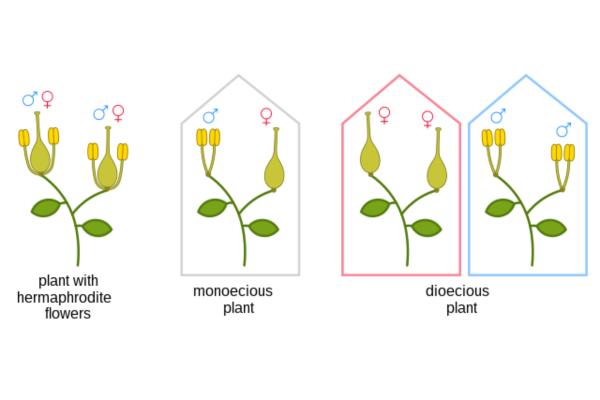
A hermaphrodite is an organism that possesses both male and female reproductive organs, allowing it to produce gametes associated with both sexes. This unique biological trait is primarily observed in the animal kingdom, where many species can function as either male or female during reproduction.
For example, earthworms are classic hermaphrodites. Each worm has a complete set of male and female reproductive organs. When mating, two earthworms align and exchange sperm, ensuring that both can produce fertilized eggs. This ability enhances their reproductive success, particularly in environments where mates may be scarce.
Another example is certain species of snails. Many snails are hermaphroditic, carrying both sets of reproductive organs. This characteristic allows them to maximize their chances of finding a partner since any two snails can mate with each other, further increasing their reproductive output.
Unlike hermaphrodites, monoecious plants, such as corn and cucumbers, have separate male and female flowers on the same individual. While both reproductive strategies enable organisms to produce offspring, the context differs significantly. Hermaphroditism mainly applies to animals, while monoecious is a term used for plants that exhibit both male and female reproductive traits but in a different structural arrangement. This distinction is crucial for understanding how various species adapt their reproductive strategies to their environments.
For more information, you can refer to sources like Reddit and Stack Exchange.
2. Definition of Monoecious
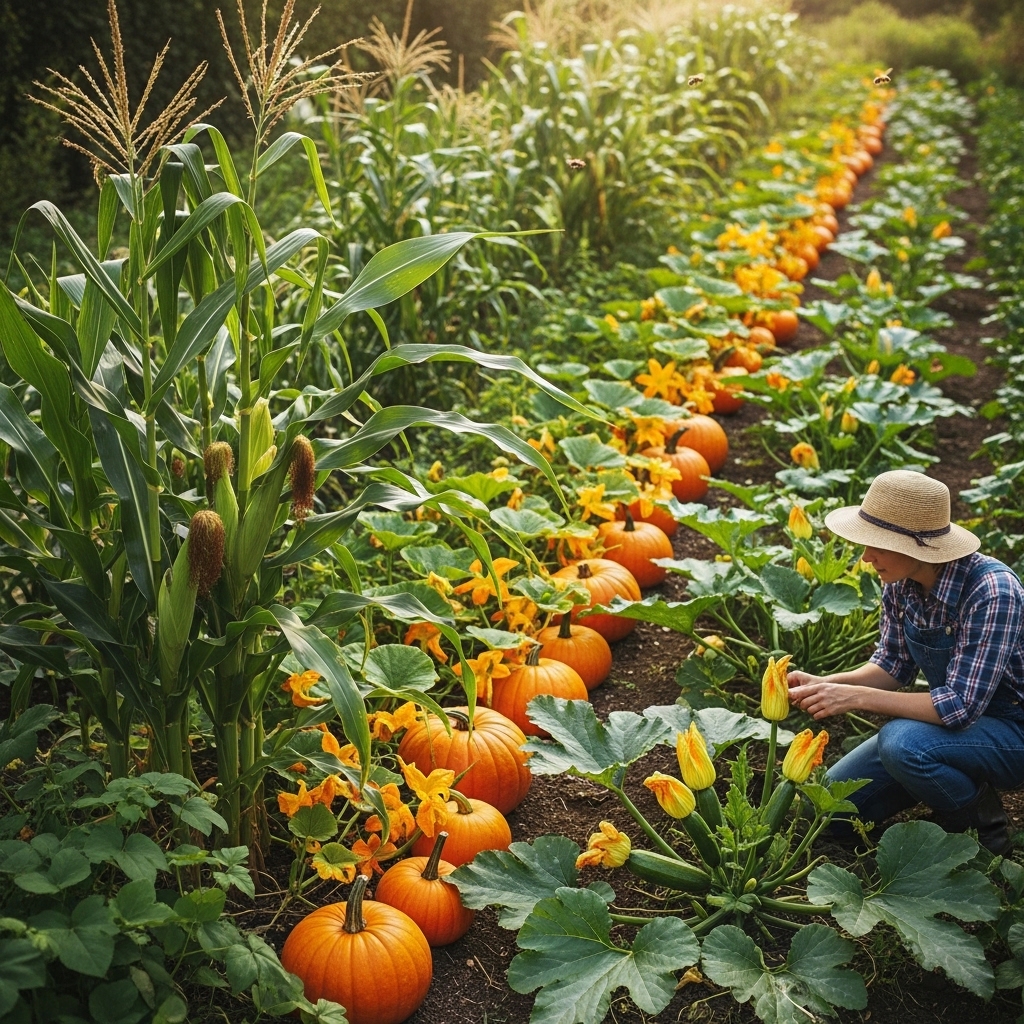
Monoecious refers to a specific reproductive strategy found primarily in plants. In monoecious species, both male and female flowers are present on the same individual plant, but they are structurally distinct. This means that one part of the plant produces male flowers, which contain stamens, while another part produces female flowers, which contain pistils.
Key Characteristics of Monoecious Plants:
- Single Plant, Two Flower Types: Monoecious plants have separate male and female flowers on the same individual. This structural arrangement allows for self-pollination or cross-pollination, depending on the plant’s environment.
-
Examples: Common examples of monoecious plants include:
- Corn (Zea mays): Corn plants produce both tassels (male flowers) that release pollen and ears (female flowers) that develop into the corn kernels.
- Cucumbers (Cucumis sativa): Cucumbers have distinct male flowers that bloom first, followed by the female flowers that will eventually grow into the cucumbers we eat.
3. Key Differences in Terminology
The terms “hermaphrodite” and “monoecious” are often confused, but they have distinct meanings in botany and zoology. Understanding these differences is essential for grasping how various organisms reproduce.
- Hermaphrodite: This term is primarily used in zoology. It refers to animals that possess both male and female reproductive organs within a single individual. For instance, earthworms are classic examples of hermaphrodites, as each worm can produce both types of gametes—sperm and eggs. This adaptation allows them to reproduce with any mate they encounter, increasing their chances of successful reproduction.
- Monoecious: In contrast, this term is predominantly used in botany. Monoecious plants contain both male and female reproductive structures, but these are typically found in separate flowers on the same plant. Take corn (Zea mays) as an example; it produces male tassels and female ears, showcasing how monoecious plants can effectively manage their reproductive processes.
A common misconception is that both terms can be used interchangeably in any context. However, while they share the idea of having both male and female reproductive parts, their applications are different. For example, monoecious is not typically used to describe animals, and hermaphrodite is not commonly applied to plants.
- Dioecious: This term, often mentioned alongside the other two, refers specifically to species where individual plants or animals are distinctly male or female. In dioecious species, such as holly or kiwifruit, a single plant will only produce one type of gamete, necessitating the presence of both male and female plants for reproduction.
The distinction between these terms highlights the diverse strategies nature has evolved for reproduction among plants and animals. While monoecious species like cucumbers have specialized structures to facilitate reproduction, hermaphrodites like snails or earthworms offer a different evolutionary advantage by allowing for greater flexibility in mating. Understanding these terms and their proper contexts helps clarify discussions about reproductive biology across different life forms. For more insights, you can explore WikiDiff and Stack Exchange.
4. Examples of Hermaphroditic Animals
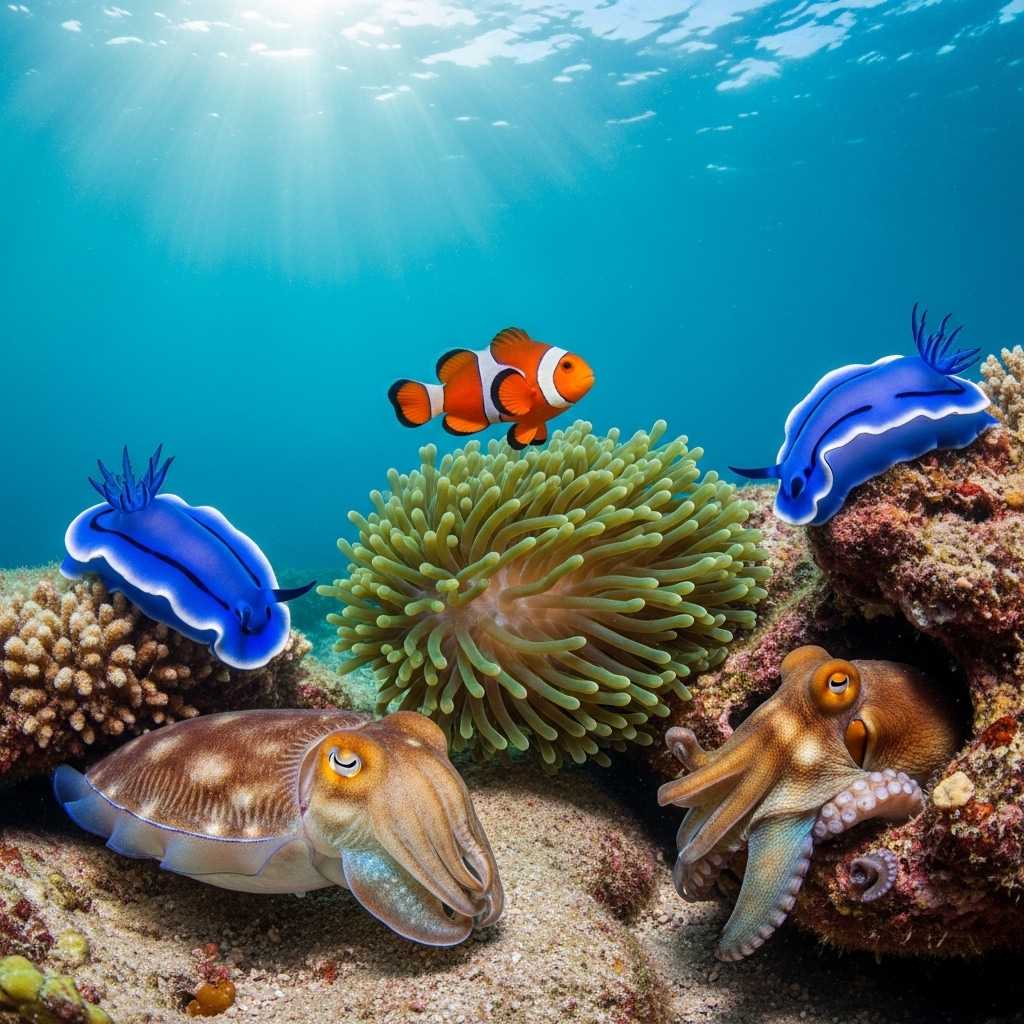
Hermaphroditic animals possess both male and female reproductive organs, which allows them to engage in a unique reproductive strategy. This flexibility can be advantageous in various ecological contexts. Here are some common examples of hermaphroditic animals and how they reproduce:
- Earthworms: These familiar soil dwellers are classic hermaphrodites. Each earthworm has both testes and ovaries, allowing them to exchange sperm with a partner during copulation. After mating, they can fertilize their own eggs, enhancing their chances of reproduction in diverse environments.
- Snails: Many species of snails, including garden snails, are hermaphroditic, featuring both male and female reproductive systems. This duality means that any two snails can mate and exchange genetic material, giving them a wider range of mating opportunities, especially in isolated habitats.
- Clownfish: Interestingly, clownfish display a unique form of hermaphroditism known as sequential hermaphroditism. They start their lives as males, and the dominant male can become female if the existing female dies. This adaptability enhances their reproductive success in their symbiotic relationships with sea anemones.
- Flatworms: Certain flatworm species are also hermaphrodites. During mating, they engage in a process called “penis fencing,” where two individuals attempt to fertilize each other. This behavior highlights the competition and cooperation inherent in hermaphroditic reproduction.
- Certain Fish Species: Some fish, like the wrasse and the grouper, exhibit hermaphroditism. They can change sex based on environmental factors or social hierarchy, ensuring reproductive success in varying conditions.
5. Examples of Monoecious Plants
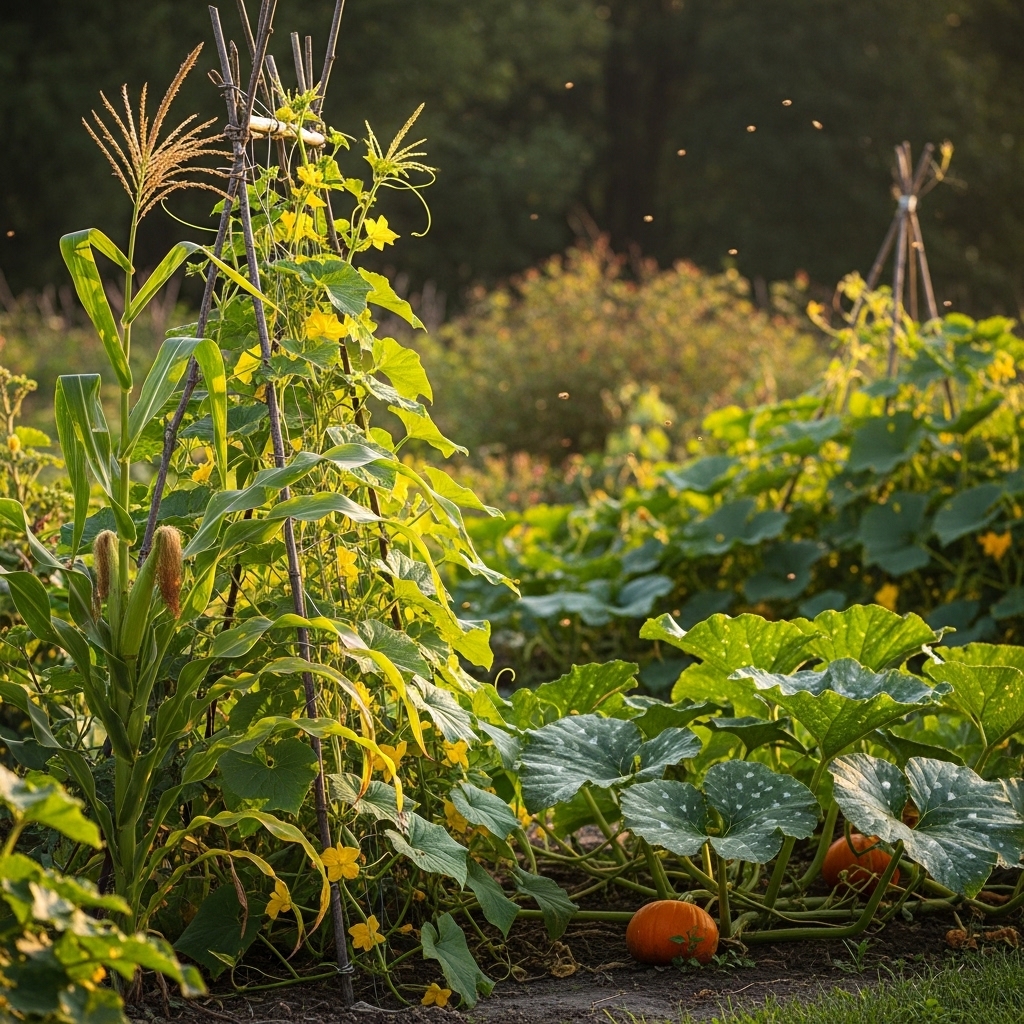
Monoecious plants have both male and female reproductive structures on the same individual, which distinguishes them from hermaphroditic animals. Here are some notable examples of monoecious plants:
- Corn (Zea mays): Corn is a classic example of a monoecious plant. It has separate male flowers, known as tassels, and female flowers, called ears, on the same plant. The tassels produce pollen, while the ears develop kernels after pollination. This separation of reproductive structures allows for efficient pollination and grain production.
- Cucumbers (Cucumis sativus): Cucumbers also exhibit monoecy. These plants produce both male and female flowers, with the male flowers appearing first. The female flowers are recognizable by their swollen ovaries, which eventually develop into cucumbers after pollination. Having both flower types on the same plant enhances the chances of successful fruit production.
- Pumpkins (Cucurbita pepo): Similar to cucumbers, pumpkins are monoecious, featuring male and female flowers. The male flowers typically bloom first, attracting pollinators, which then visit the female flowers. This strategy ensures that the female flowers can be pollinated effectively, leading to fruit development.
- Pine Trees (Pinus spp.): Many pine species are monoecious, producing both male cones (which generate pollen) and female cones (which develop seeds). The ability to produce both types of cones on the same tree allows for self-pollination and increases genetic diversity through cross-pollination with neighboring trees.
- Hemp (Cannabis sativa): Hemp plants are monoecious and can produce both male and female flowers. Male plants produce pollen, while female plants develop flowers that will become seeds. This trait is significant for farmers who may choose to cultivate only female plants for seed production or fibrous materials.
6. Evolutionary Advantages of Hermaphroditism
Hermaphroditism offers several evolutionary benefits for animals, particularly in scenarios where populations are isolated. This reproductive strategy allows individuals to have both male and female reproductive organs, increasing the likelihood of mating opportunities. Here’s how hermaphroditism stands out:
- Enhanced Reproductive Success: In situations where finding a mate can be challenging, such as in small or isolated populations, hermaphroditic animals can reproduce without needing to find a partner of the opposite sex. This flexibility increases their chances of reproducing successfully, ensuring the continuation of their species.
- Genetic Diversity: Hermaphroditic animals can mate with any individual they encounter, which can lead to greater genetic variation within the population. Increased genetic diversity is crucial for adapting to environmental changes and resisting diseases.
- Resource Efficiency: Hermaphroditism can reduce the energy and time spent searching for a mate. Instead of relying on finding a partner of a specific sex, individuals can engage in reproduction with any compatible member of their population. This efficiency is especially beneficial in environments where resources are scarce.
- Survival in Low-Density Populations: In habitats with few individuals, such as isolated islands or specific ecological niches, hermaphroditism becomes a key survival trait. Animals with this reproductive strategy can ensure their lineage continues even in conditions that might otherwise threaten non-hermaphroditic species, which rely strictly on dioecious reproduction.
- Adaptability: The ability to switch roles in reproduction allows hermaphroditic species to adapt to varying environmental conditions. For example, if one sex becomes less common due to environmental pressures, hermaphroditic individuals can adjust accordingly, maintaining reproductive stability.
7. Evolutionary Advantages of Monoecy
Monoecious plants, which bear both male and female flowers on the same individual, have developed unique evolutionary advantages that enhance their survival in diverse environments. Unlike hermaphrodites, which possess both male and female reproductive organs within a single organism, monoecious plants separate these functions into different floral structures. This separation allows for a greater range of reproductive strategies.
- Increased Pollination Opportunities: Monoecious plants can self-pollinate, but they can also cross-pollinate with nearby plants. This flexibility can be crucial in environments where pollinators are scarce. For instance, corn (Zea mays) relies on wind for pollination, and having both male tassels and female ears on the same plant increases the chances of successful reproduction.
- Genetic Diversity: By encouraging cross-pollination, monoecious plants can enhance genetic diversity within their populations. This genetic variation is vital for adapting to changing environmental conditions. In contrast, hermaphroditic organisms may reproduce more efficiently but can result in less genetic diversity due to self-fertilization.
- Survival in Variable Conditions: Monoecious species can thrive in fluctuating environments. When conditions favor one sex over another, the presence of both reproductive types on the same plant ensures that at least some individuals can reproduce. This adaptability can be a significant advantage in ecosystems where conditions change rapidly.
- Resource Allocation: Monoecious plants can allocate resources efficiently by having separate flowers for male and female functions. This separation can optimize energy use, allowing the plant to focus on producing more viable seeds when conditions are favorable.
8. Environmental Influences on Reproductive Strategies
Environmental factors significantly shape the reproductive strategies of hermaphrodites and monoecious organisms. Habitat, climate, and resource availability play crucial roles in determining which reproductive approach is more advantageous in a given setting.
Habitat Variability
In habitats with fluctuating conditions, such as wetlands or disturbed areas, hermaphroditism can offer a survival advantage. For example, earthworms, which are hermaphrodites, can engage in self-fertilization when mates are scarce. This flexibility allows them to reproduce even in challenging environments where finding a partner might be difficult.
Conversely, monoecious plants, like corn and cucumbers, thrive in stable habitats where both male and female reproductive structures are present on the same plant. This dual setup can enhance reproductive success by allowing these plants to produce seeds efficiently, especially in environments with consistent moisture and nutrient availability.
Climate Considerations
Climate also influences these reproductive strategies. In harsher climates, such as deserts or tundra, hermaphroditism may be more common among animals. The ability to self-fertilize ensures that reproduction can occur even when potential mates are few, which is vital for population survival in extreme conditions.
On the other hand, monoecious plants are often found in warmer, temperate climates where they can maximize reproductive output. These conditions support the development of separate male and female flowers, optimizing the chances for pollination and seed development.
Resource Availability
Resource availability directly impacts the reproductive strategies of both hermaphrodites and monoecious organisms. In nutrient-rich environments, monoecious plants can thrive, as they can afford to produce both male and female flowers without compromising energy. This trait allows them to efficiently capitalize on abundant resources, leading to higher seed production.
In contrast, hermaphroditic animals might be more prevalent in resource-scarce environments. When resources are limited, having both male and female reproductive organs can facilitate reproduction without the need for a mate. This adaptability is especially important in ecosystems where competition for resources is fierce.
9. Complexities of Plant Mating Systems
Plant mating systems are fascinating and complex, influencing the reproductive success of various species. While monoecious plants bear both male and female reproductive structures on the same individual, dioecious plants have separate male and female individuals. This distinction is crucial as it affects how these plants reproduce and adapt to their environments.
In monoecious plants, like corn and cucumbers, the presence of both reproductive organs allows them to self-pollinate or cross-pollinate with nearby plants. This flexibility can be advantageous in environments where pollinators are scarce, ensuring successful reproduction even with limited mating partners. Furthermore, monoecious systems can lead to genetic diversity, particularly when cross-pollination occurs.
On the other hand, dioecious plants, such as holly and kiwifruit, require both male and female individuals to reproduce. This separation often leads to greater outcrossing, which can enhance genetic diversity within a population. However, it also means that dioecious species are more vulnerable to reproductive failure if one sex is not present in sufficient numbers.
The evolutionary implications of these mating systems are significant. Monoecy is believed to have evolved as a response to specific environmental pressures, allowing plants to maximize reproductive efficiency. In contrast, dioecy may evolve in stable environments where outcrossing increases the chances of offspring survival, as genetic variation can help populations adapt to changing conditions.
10. Misconceptions and Common Questions
When diving into the terms “hermaphrodite” and “monoecious,” many people get confused about their meanings and applications. Here are some common misconceptions to clear up:
- Hermaphroditism is Only for Animals: A widespread belief is that hermaphroditism exclusively applies to animals. In reality, the term can also describe certain plants that have both male and female reproductive structures in the same flower, known as perfect flowers. For instance, some species of orchids can be hermaphroditic. However, the term “monoecious” is used more broadly in botany to discuss plants that have separate male and female flowers on the same individual, like corn and cucumbers.
- Monoecious Equals Hermaphroditic: Many people think these terms are interchangeable, but they’re not. While both involve having male and female reproductive organs, monoecious plants possess distinct male and female flowers, whereas hermaphrodites have both types of organs within a single flower or organism. This distinction is important for understanding plant reproductive strategies.
- All Plants are Monoecious or Dioecious: Some may assume that all plants fall into either monoecious or dioecious categories. However, there are also hermaphroditic plants that do not fit neatly into these classifications. This complexity highlights the diverse ways plants can reproduce, making it essential to study each species individually.
- Hermaphrodites Cannot Self-Fertilize: It’s a common myth that hermaphroditic organisms can never self-fertilize. While many hermaphrodites, like earthworms, usually prefer cross-fertilization to increase genetic diversity, they can also self-fertilize under certain conditions. This ability can be beneficial in environments where mates are scarce.
- Monoecious Plants are Less Evolved: Some people mistakenly think that monoecious plants are primitive compared to dioecious plants. However, monoecy is a successful evolutionary strategy that allows plants to maximize reproductive efficiency and adaptability in various environments. For example, monoecious plants like corn have evolved to thrive in diverse conditions, demonstrating the effectiveness of this reproductive strategy.
11. Implications for Agriculture and Conservation
Understanding the differences between hermaphroditic and monoecious traits is essential for agriculture and conservation efforts. These reproductive strategies can significantly influence breeding programs and ecosystem management.
Agriculture
-
Breeding Programs:
- Monoecious plants, such as corn and cucumbers, are often preferred in agricultural settings because they can produce both male and female flowers on the same plant. This trait allows for efficient pollination and increased yield per plant.
- In contrast, hermaphroditic organisms, like certain earthworms, can enhance soil fertility through their unique reproductive strategies. Farmers can benefit from incorporating these species into their soil management practices.
-
Crop Diversity:
- By selecting monoecious varieties, farmers ensure a more robust crop yield, particularly in varying environmental conditions. Understanding the hermaphroditic nature of some plants can also lead to innovative breeding techniques that combine the strengths of both reproductive strategies.
- Utilizing both monoecious and hermaphroditic plants can help maintain genetic diversity in crops, which is crucial for resilience against pests and diseases.
Conservation
-
Ecosystem Management:
- Monoecious plants play a vital role in maintaining balanced ecosystems. Their ability to self-pollinate can help sustain populations in areas where pollinators are scarce, making them crucial for conservation efforts.
- Hermaphroditic species, especially in aquatic environments, contribute to reproductive success in varying conditions. This adaptability can be essential for conserving biodiversity in sensitive habitats.
-
Restoration Projects:
- When restoring ecosystems, understanding whether a plant species is monoecious or hermaphroditic can guide decisions on planting strategies. Monoecious plants may be planted in higher densities to enhance reproduction and soil stabilization.
- The unique reproductive capabilities of hermaphroditic organisms can also aid in re-establishing populations of endangered species, ensuring their survival in the wild.