
Hickory and mesquite are two of the most popular woods for smoking meats, each offering distinct flavors and characteristics. Choosing between them can significantly impact the taste of your barbecue. This guide compares hickory smoke and mesquite smoke to help you decide which is best for your smoking needs.
Understanding Hickory Smoke
Hickory smoke is a favorite among barbecue enthusiasts for its rich, robust flavor. It adds a deep, bacon-like taste to meats, making it a go-to choice for many.
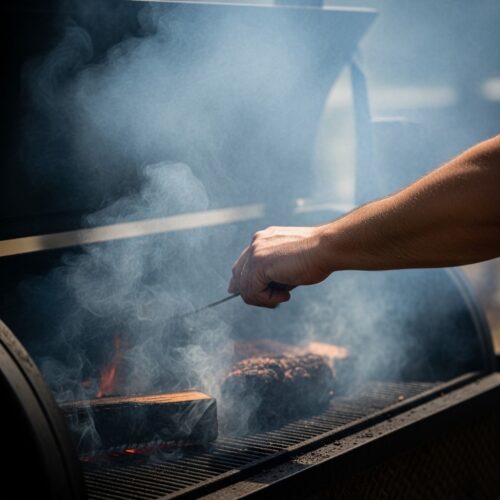
Flavor Profile of Hickory Smoke
Hickory wood has a distinctive flavor profile. It’s strong and savory, with a hint of sweetness. This makes it excellent for enhancing the natural flavors of meat. Here are some key characteristics:
- Robust Taste: Hickory imparts a strong, smoky flavor.
- Slight Sweetness: It has subtle sweet undertones.
- Complex Aroma: The smoke has a rich, aromatic quality that can elevate any dish.
Best Meats to Smoke with Hickory
Hickory pairs beautifully with various meats. Here are some of the best options:
- Beef Ribs: The strong flavor of hickory complements the richness of beef.
- Brisket: Hickory adds depth to this classic cut, enhancing its savory notes.
- Pork: It works well with pork shoulder and ribs, cutting through the fat for a balanced taste.
Cooking Techniques with Hickory
When smoking with hickory, a few techniques can help you achieve the best results:
Table of Contents
- Chunk Size: Use larger chunks of hickory wood. They burn slowly and release smoke for longer periods.
- Temperature Control: Keep your smoker temperature below 275°F for the first few hours. This helps develop the best flavors.
- Blending Woods: Consider mixing hickory with fruit woods like apple or cherry to add a touch of sweetness without overpowering bitterness.
For those looking to get the most out of their smoking experience, using quality wood is crucial. Check out Camerons Smoking Wood Chunks for a reliable option.
With hickory, you can create delicious, flavorful meats that impress friends and family alike.
Exploring Mesquite Smoke
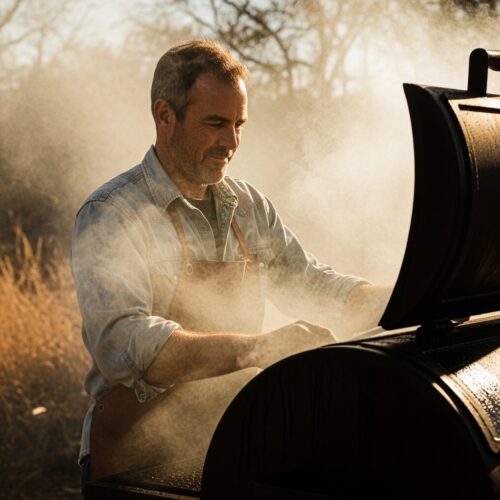
Mesquite wood is known for its bold, intense flavor. It’s a favorite for many barbecue enthusiasts, but it does come with some quirks. Let’s dive into what makes mesquite special, its ideal uses, and how to cook with it effectively.
Flavor Profile of Mesquite Smoke
Mesquite delivers a strong, earthy flavor with a hint of spiciness. It’s often described as sharp and punchy. This wood can dominate the palate, so it’s best used carefully. Here are some key points about its flavor:
- Intensity: Mesquite is one of the strongest smoking woods available. It can easily overpower lighter meats.
- Character: It adds a distinctive “twang” that many associate with authentic Tex-Mex cuisine.
- Speed: Mesquite burns quickly and produces a lot of smoke. This means you get bold flavors fast but also a risk of bitterness if overused.
Ideal Meats for Smoking with Mesquite
Not all meats are created equal when it comes to mesquite. Here’s a quick guide to pairing meats with mesquite smoke:
- Beef: Cuts like brisket, skirt steak, and ribeye shine with mesquite’s rich flavor.
- Game: Wild game meats, like venison, can handle mesquite’s intensity well.
- Pork: Use sparingly; it can overpower pork if not balanced with milder woods.
Techniques for Cooking with Mesquite
Cooking with mesquite requires some finesse. Here are tips to get the best results:
- Don’t Overdo It: Use mesquite in small amounts, especially with delicate meats.
- Blend Wisely: Consider mixing mesquite with milder woods like apple or cherry to soften its punch.
- Watch the Temperature: Keep your smoker around 225°F to 250°F. This helps control the intensity of the smoke and prevents bitterness.
Practical Tip: Avoiding Bitterness
If you’re using mesquite, here’s a quick checklist to avoid bitterness:
- Start with a light smoke for the first hour.
- Use larger chunks to manage burn speed.
- Monitor the meat closely; if it starts to darken too quickly, adjust the vents to reduce airflow.
By keeping these tips in mind, you’ll harness mesquite’s robust flavor without overwhelming your dish. For quality wood chunks, check out Camerons Smoking Wood Chunks to elevate your smoking game!
Hickory vs. Mesquite: A Direct Comparison
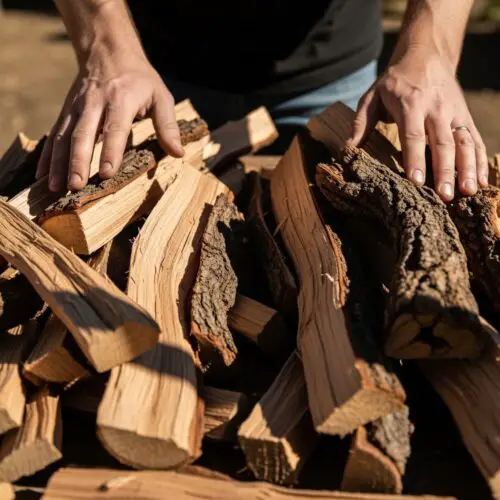
When it comes to smoking meats, hickory and mesquite bring unique flavors to the table. Each wood has its own personality, making them suited for different types of dishes. Let’s break down their flavor intensity, best meat pairings, and cooking methods.
Flavor Intensity and Characteristics
| Wood Type | Flavor Profile | Intensity Level |
|---|---|---|
| Hickory | Sweet, bacon-like smokiness | Medium |
| Mesquite | Strong, earthy, and bold | High |
Hickory offers a mild sweetness, perfect for complementing various meats. It’s like having a friendly BBQ buddy. Mesquite, on the other hand, is like that adventurous friend who’s always up for a thrill. Its bold flavor can dominate, so use it wisely!
Meat Pairing Recommendations
Choosing the right wood for your meat is crucial. Here’s a quick guide:
- Hickory:
- Pork (especially ribs and pulled pork)
- Chicken
- Beef (brisket is also great)
- Mesquite:
- Beef (ideal for brisket)
- Game meats
- Lamb
Hickory enhances flavors, while mesquite can overpower if not balanced right. If you want a little of both, consider mixing them!
Best Cooking Techniques
When using hickory or mesquite, the cooking method matters:
- Hickory: Great for low and slow smoking. Ideal temperatures are around 225°F to 250°F. This allows the sweet flavor to penetrate the meat over time.
- Mesquite: Works best for quick, high-heat cooking. Aim for a hotter fire, but keep an eye on the smoke. You don’t want the intense flavor to burn!
For the best results, consider your meat choice and cooking style. Experimenting with both woods can lead to delicious discoveries. Plus, if you’re looking for quality wood, check out Camerons Smoking Wood Chunks to elevate your smoking experience!
When to Use Each Type of Wood
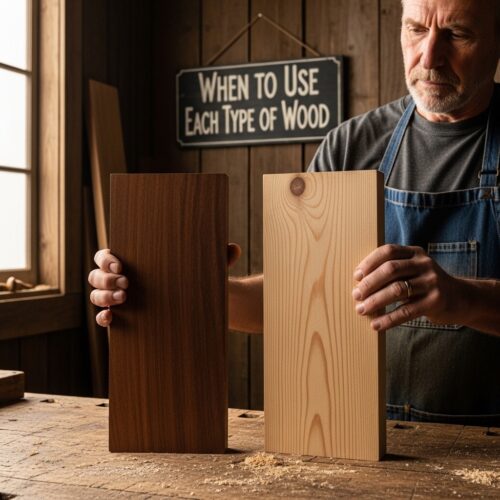
Choosing between hickory and mesquite can be a game-changer for your smoking experience. Each wood has its own unique flavor profile, best use cases, and cooking techniques. Let’s break it down!
Best Practices for Using Hickory
Hickory wood is versatile and works well with many meats. Here are some tips for using hickory:
- Ideal Meats: Great for pork, beef, and even chicken. It enhances the flavor without overpowering it.
- Cooking Method: Best for low and slow smoking. Keep your smoker at 225°F to 250°F. This allows the sweet, nutty flavor to infuse the meat gradually.
- Wood Quantity: Don’t go overboard! Use enough to create smoke but avoid heavy smoke that can make the meat bitter.
Example: Try hickory when smoking a brisket. It can create a rich, smoky flavor that complements the meat beautifully.
Guidelines for Mesquite Use
Mesquite is known for its strong, bold flavor. Use it wisely to avoid overwhelming your dish:
- Ideal Meats: Works wonderfully with beef and game meats. It can also pair nicely with chicken, but be cautious.
- Cooking Method: Best for high-heat cooking. Mesquite burns hot, so aim for quick smoking sessions.
- Smoke Duration: Limit the exposure to mesquite smoke. It can easily dominate the flavor, so consider mixing it with milder woods for balance.
Tip: If you’re new to mesquite, start with small amounts mixed with hickory. This can give you the intensity without being overpowering.
Avoiding Common Mistakes
Here are some pitfalls to watch out for when using hickory or mesquite:
- Over-smoking: Too much smoke can make your meat taste bitter. A good rule of thumb is to smoke for no more than half the cooking time.
- Ignoring Meat Type: Not all woods suit every meat. Match the wood with the meat for the best flavor.
- Neglecting Quality: Always source quality wood. Poor-quality wood can introduce unwanted flavors.
Staying aware of these guidelines will help you make the most out of your smoking sessions!
Safety and Health Considerations
When smoking with hickory or mesquite, it’s essential to consider health and safety. Both types of wood have unique characteristics that can impact your smoking experience.
Health Risks of Smoking with Each Wood
Smoking with hickory and mesquite can present health risks. While both woods are generally safe when burned properly, there are some things to keep in mind:
- Allergic Reactions: Some people may experience respiratory issues or skin sensitivity from mesquite smoke. Hickory allergies are rare but possible.
- Incomplete Combustion: Burning wood improperly can produce harmful compounds, like polycyclic aromatic hydrocarbons (PAHs) and creosote. These substances can be harmful if ingested or inhaled.
To minimize risks, ensure you have good ventilation when smoking.
Environmental Impact of Wood Sourcing
Where you get your wood matters. Sustainable sourcing helps protect the environment. Here’s what to consider:
- Harvesting Practices: Look for wood sourced from responsibly managed forests. This reduces deforestation and promotes biodiversity.
- Local vs. Imported: Local wood reduces transportation emissions. It’s often fresher and better for flavor too!
Safe Smoking Practices
To enjoy your smoking sessions safely, follow these practices:
- Use Quality Wood: Always choose high-quality hickory or mesquite. Poor-quality wood can introduce unwanted flavors and health risks.
- Monitor Smoking Time: Avoid over-smoking. A good rule is to smoke for no more than half your total cooking time.
- Know Your Meat: Match the wood to the meat type for optimal flavor. For example, use hickory for pork and mesquite for beef.
By keeping these points in mind, you can enjoy the rich flavors of hickory and mesquite while prioritizing your health and the environment.
Frequently Asked Questions
These quick answers cover the most common questions about this topic, including key details, practical tips, and common concerns.
Which is better for smoking, mesquite or hickory?
It depends on your flavor preference and the type of meat. Hickory offers a milder, sweet, bacon-like flavor suitable for a variety of meats. Mesquite provides a bold, intense smoky taste that works best with beef and hearty cuts. For beginners, hickory is generally easier to manage, while mesquite is ideal for experienced pitmasters seeking strong flavors.
What wood does Aaron Franklin use for brisket?
Aaron Franklin primarily uses post oak wood for smoking brisket. However, he has also mentioned using hickory and pecan woods at times. Post oak provides a balanced, mild smoky flavor that complements the meat without overpowering it, making it a popular choice among professional pitmasters.
What wood gives the best smoke flavor?
The “best” smoke flavor varies by personal taste and meat type. Hickory is widely appreciated for its rich, smoky aroma that enhances many meats. Mesquite offers a more intense, earthy flavor, ideal for those who prefer a bold taste. Mixing woods can also create a balanced and unique flavor profile.
What woods should you avoid when smoking meat?
Avoid woods that produce toxic or bitter smoke, such as green or wet wood, cedar, pine, and other softwoods. These can release harmful compounds and impart undesirable flavors. Also, steer clear of treated or painted wood, as chemicals can contaminate your food.
Can you mix hickory and mesquite?
Yes, mixing hickory and mesquite can create a complex flavor profile. Use mesquite sparingly to avoid overpowering the milder hickory. Combining them allows you to balance boldness with sweetness, suitable for larger cuts like brisket or beef ribs.
How should I store smoking wood to maintain quality?
Store your smoking wood in a dry, cool place away from direct sunlight. Keep it in a sealed container or bag to prevent moisture absorption, which can cause uneven burning or bitterness. Proper storage ensures your wood stays dry and flavorful for future use.
What are the health risks of smoking with wood?
Inhaling smoke from burning wood can cause respiratory irritation, especially with prolonged exposure or poor ventilation. Using high-quality, well-seasoned wood reduces the risk of harmful chemicals. Avoid over-smoking and ensure good airflow to minimize health concerns.
How does the type of wood affect cooking time?
Stronger woods like mesquite burn hotter and faster, potentially reducing cooking time but risking bitterness if overused. Milder woods like hickory burn more slowly and evenly, allowing for longer smoking sessions. Adjust your cooking time based on the wood’s burn rate and the meat being cooked.