
Apple trees typically grow at a rate of 12 to 24 inches per year, depending on the variety and conditions. However, several factors can influence this growth rate. If you’re eager to cultivate a thriving apple tree, understanding its growth patterns and how to encourage faster growth is essential.
Understanding Apple Tree Growth Rates
Apple trees grow at different rates depending on their variety and growing conditions. Knowing these growth rates can help you manage your expectations and care for your tree better.
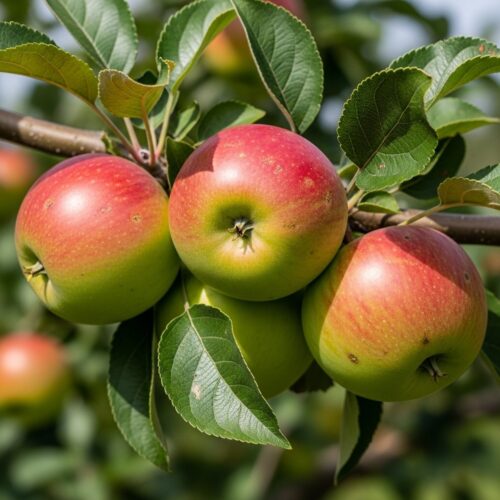
Average Growth Rates by Variety
Apple trees come in three main types, each with its own growth characteristics:
| Type | Average Growth Rate (per year) | Time to Fruit Production |
|---|---|---|
| Dwarf | 12-18 inches | 2-3 years |
| Semi-Dwarf | 18-24 inches | 3-4 years |
| Standard | 24-36 inches | 4-6 years |
- Dwarf trees grow slower but often produce fruit faster. They’re perfect for small spaces.
- Semi-dwarf trees balance size and speed, making them a popular choice for home orchards.
- Standard trees grow the tallest and take the longest to bear fruit, but they can produce larger yields.
Impact of Growth Rate on Fruit Production
The growth rate of your apple tree directly influences how soon you can enjoy those delicious apples. Faster-growing varieties, like dwarf trees, often bear fruit within a couple of years. In contrast, standard trees can take several years longer.
When selecting your apple tree, consider your patience level and space. If you want fruit quickly, opt for a dwarf variety. If you have room and time, a standard tree might be your best bet for a bountiful harvest in the long run.
Tips to Encourage Faster Growth
To boost your apple tree’s growth rate, consider these helpful tips:
- Choose the right soil. Well-drained, nutrient-rich soil helps young trees establish quickly.
- Water regularly. Ensure your tree gets enough moisture, especially during dry spells.
- Prune wisely. Pruning in winter can stimulate spring growth, but be mindful that it might delay fruiting.
- Protect from pests. Keep an eye out for pests and diseases that could hinder growth.
By understanding these growth rates and care tips, you can ensure your apple tree thrives and produces fruit in good time.
Table of Contents
Factors Influencing Apple Tree Growth
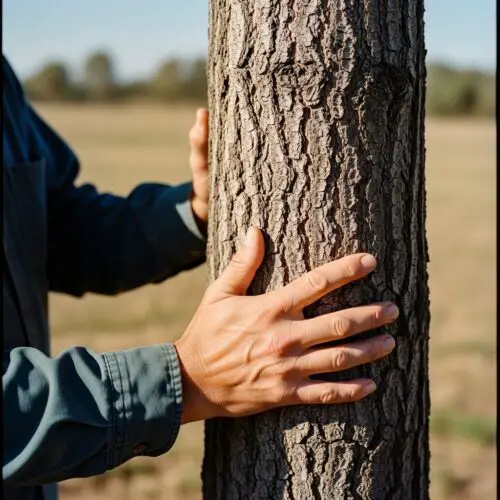
Several key factors impact how quickly your apple tree grows. Understanding these can help you create the best environment for your tree.
Soil Composition and pH
The right soil makes all the difference. Apple trees thrive in well-drained, nutrient-rich soil. Here’s what to look for:
- Soil Type: Loamy soil is ideal. It holds moisture without getting soggy.
- pH Level: Aim for a pH between 6.0 and 7.0. You can test your soil easily with a kit.
- Nutrients: Ensure your soil has enough nitrogen, phosphorus, and potassium.
A simple checklist for ideal soil conditions:
- Well-drained
- Nutrient-rich
- pH between 6.0 – 7.0
Optimal Climate Conditions
Apple trees are not one-size-fits-all. They prefer specific climate conditions to grow well. Here’s what you should know:
- Temperature: Apple trees thrive in areas with cold winters and moderate summers. They need winter chill for fruit production.
- Sunlight: Full sun is crucial. Aim for at least 6-8 hours of sunlight each day.
- Protection: Shield your trees from strong winds and late frosts.
Watering Needs
Watering is vital, especially for young trees. Here’s how to manage it:
- Establishment Phase: Water frequently but lightly to help roots settle in.
- Mature Trees: Switch to deep, infrequent soakings. This encourages roots to grow deeper.
A watering checklist:
- Regular during establishment
- Deep soakings for mature trees
- Adjust based on rainfall
By focusing on these factors, you can encourage faster growth in your apple trees.
Tips for Encouraging Faster Growth in Apple Trees

Want to speed up the growth of your apple trees? Here are some practical tips focusing on pruning, fertilization, and pest control. These strategies can help your trees thrive and produce fruit sooner.
Pruning Techniques for Better Growth
Pruning is essential for apple tree health and growth. It removes dead or overcrowded branches, allowing more light and air to reach the tree. Here’s how to do it effectively:
- Timing: Prune in late winter or early spring before new growth starts.
- Technique: Use sharp, clean tools. Cut just above a bud that faces outward. This encourages the tree to grow outward instead of inward.
- Focus: Remove any crossing branches and suckers. These can steal energy from your main branches.
Quick Tip: A simple diagram can help visualize where to make cuts. Remember, less is often more. A few well-placed cuts can make a big difference!
Nutrient Management for Faster Growth
Nutrient-rich soil is key to healthy apple trees. They thrive on balanced fertilizers. Here’s what you need to know:
- N-P-K Ratio: Look for fertilizers with a balanced ratio of nitrogen (N), phosphorus (P), and potassium (K). A 10-10-10 mix is often ideal.
- Timing: Fertilize in early spring before growth kicks in. This gives your trees a nutrient boost just when they need it.
- Organic Options: Consider compost or well-rotted manure as natural fertilizers. They provide slow-release nutrients and improve soil structure.
Example: If you’re planting a young apple tree, mix compost into the planting hole. This helps establish a strong root system right from the start.
Pest Control Strategies
Pests can hinder growth and even damage your apple trees. Here’s how to keep them at bay:
- Monitoring: Regularly check for signs of pests like aphids or apple scab. Early detection makes treatment easier.
- Natural Solutions: Use insecticidal soap or neem oil for pest control. These organic options are effective and safe for the environment.
- Companion Planting: Some plants can repel pests. Consider planting marigolds or nasturtiums nearby.
Caveat: Always read labels and follow instructions when using any pest control product. Safety first!
By following these tips on pruning, fertilization, and pest control, you can encourage faster growth in your apple trees. Happy gardening!
The Role of Apple Tree Varieties in Growth Rates
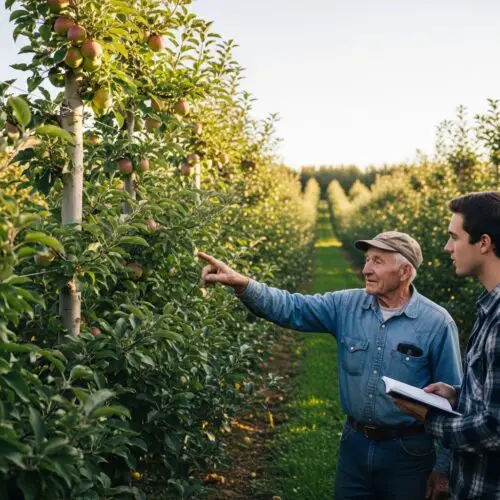
The type of apple tree you choose can significantly affect how quickly it grows and when it starts to bear fruit. Let’s dive into two main categories: spur-bearing and tip-bearing trees.
Spur-Bearing vs. Tip-Bearing Trees
Spur-bearing trees focus their growth energy on short branches called spurs. These trees usually grow slower, about 6 to 10 inches per year. However, they often produce fruit sooner—sometimes within 2 to 3 years.
Tip-bearing trees, on the other hand, grow longer branches. They can grow between 6 to 18 inches annually but may take longer to bear fruit, typically around 4 to 5 years.
Here’s a quick comparison:
| Type | Growth Rate (inches/year) | Time to Bear Fruit |
|---|---|---|
| Spur-Bearing | 6-10 | 2-3 years |
| Tip-Bearing | 6-18 | 4-5 years |
Best Varieties for Quick Growth
If you’re eager to see fruit on your apple trees, consider these spur-bearing varieties:
- Fuji: Known for its crispness and sweetness, it grows well in various climates.
- Honeycrisp: Famous for its flavor, it also bears fruit quickly.
- Gala: A favorite for its juicy apples, it grows at a decent pace.
For tip-bearing options, try:
- Granny Smith: Tart and versatile, it takes a bit longer to produce.
- McIntosh: Loved for its soft, sweet flavor but may take a while to bear fruit.
Choosing the right variety can set you on the path to enjoying homegrown apples sooner. Just remember, factors like climate and soil also play a big role in how fast your tree will grow.
Common Growth Issues and Solutions
Growing apple trees can be a rewarding journey, but it’s not always smooth sailing. Sometimes, issues crop up that can slow down growth or even harm your tree. Let’s tackle those common problems and explore solutions to keep your apple tree thriving.
Identifying Growth Issues
Recognizing the signs of trouble early can make all the difference. Here’s a quick checklist to help you spot common growth issues:
- Stunted Growth: If your tree isn’t growing as expected, it might be suffering from poor soil or lack of nutrients.
- Yellowing Leaves: This could indicate nutrient deficiencies or overwatering.
- Wilting or Browning Leaves: Often a sign of pests or diseases, especially if accompanied by visible insects.
- Fruit Drop: If your tree drops fruit prematurely, it might be stressed due to environmental factors.
Solutions for Common Problems
Now that you know what to look for, here are some solutions to help address those pesky issues:
- Pest Control: Common pests like aphids and codling moths can harm your tree. Implement natural pesticides, or introduce beneficial insects like ladybugs.
- Nutrient Boost: If your tree shows signs of nutrient deficiency, consider a balanced fertilizer. Follow the recommended amounts based on your tree size and age.
- Water Management: Ensure your tree gets the right amount of water. Overwatering can lead to root rot, while underwatering can stunt growth. Aim for deep watering once a week, especially in dry spells.
- Soil Quality: Test your soil to check pH and nutrient levels. Amending with compost or organic matter can enhance soil quality.
Quick Reference Checklist
| Issue | Signs | Solutions |
|---|---|---|
| Stunted Growth | Minimal growth | Check soil nutrients and amend |
| Yellowing Leaves | Discoloration | Adjust watering and fertilize |
| Wilting/Browning Leaves | Dry, crispy edges | Inspect for pests and treat accordingly |
| Fruit Drop | Premature fruit loss | Assess water and soil conditions |
By keeping an eye on these common growth issues and addressing them promptly, you’ll give your apple tree the best chance to flourish. Happy gardening!
When Do Apple Trees Start Producing Fruit?
Apple trees can be a rewarding addition to your garden. But patience is key! The time it takes for them to bear fruit varies based on several factors.
General Timeline for Apple Trees
Most apple trees start producing fruit between 2 to 8 years after planting. Here’s a quick look at how different types stack up:
| Apple Tree Type | Time to First Fruit |
|---|---|
| Dwarf Trees | 2-3 years |
| Semi-Dwarf Trees | 4-6 years |
| Standard Trees | 5-8 years |
Dwarf apple trees are the fastest to produce fruit. If you’re looking for a speedy harvest, they’re your best bet! On the other hand, standard apple trees take their sweet time, sometimes up to eight years.
Factors Affecting Fruit Production
Several factors can influence how quickly your apple trees bear fruit:
- Tree Variety: Dwarf, semi-dwarf, and standard varieties have different timelines.
- Rootstock: The type of rootstock can affect growth speed and fruiting.
- Environmental Conditions: Sunlight, soil quality, and water availability are crucial. Ensure your trees get plenty of light and proper nutrients.
- Pruning: Proper pruning encourages growth. However, it can also delay fruiting, so balance is key.
- Care Practices: Regular watering, pest control, and fertilization help trees thrive and produce fruit sooner.
By understanding these factors, you can make informed choices that set your apple trees up for success. Happy planting!
Innovative Techniques for Urban Apple Tree Gardening
Urban gardening can be a challenge, but growing apple trees in small spaces is entirely possible. With some creativity and the right techniques, you can enjoy fresh apples right from your balcony or backyard!
Container Gardening Best Practices
Container gardening is a fantastic way to grow apple trees in limited space. Here are some key tips to make it work:
- Choose the Right Container: Use pots that are at least 18-24 inches deep. This gives the roots enough room to grow.
- Select Dwarf Varieties: Dwarf apple trees are perfect for containers. They stay smaller and often produce fruit sooner.
- Well-Draining Soil: Use a high-quality potting mix. Good drainage is crucial to prevent root rot.
- Water Wisely: Containers dry out faster, so check moisture regularly. Water when the top inch of soil feels dry.
- Fertilization: Use a balanced fertilizer during the growing season. Follow the instructions for the right amount.
Space-Saving Techniques for Dwarf Varieties
Dwarf apple trees can fit into tight spots while still delivering delicious fruit. Here are some innovative space-saving techniques:
- Vertical Gardening: Train your trees to grow upward. Use trellises or stakes to keep them compact.
- Interplanting: Pair apple trees with companion plants that thrive in the same conditions. This saves space and can enhance your garden’s health.
- Espalier: This technique involves training the branches to grow flat against a wall or fence. It’s an attractive way to save space while maximizing sunlight exposure.
Case Study: Successful Urban Apple Gardens
Consider this example: A family in a small apartment started with a single dwarf apple tree in a container on their balcony. They followed the best practices for container gardening and used vertical techniques to maximize their limited space. Within two years, they enjoyed a bountiful harvest, proving that even the tiniest urban settings can produce delicious apples!
By incorporating these techniques, you can grow healthy apple trees in urban environments. Keep experimenting with different methods to find what works best for your space and lifestyle. Happy gardening!
Conclusion: Planning for a Thriving Apple Orchard
Growing apple trees can be a rewarding journey. With the right care, you can enjoy delicious apples in just a few years. Let’s recap the main points and get you excited about your apple-growing adventure!
Key Growth Factors to Remember
1. Choose the Right Tree: Dwarf trees can grow faster and are ideal for smaller spaces.
2. Know Your Chill Hours: Apple trees need a specific number of cold hours to thrive. Make sure your area meets these requirements.
3. Pruning is Essential: Regular pruning encourages healthy growth and fruit production. Start simple and learn as you go.
Nutrient Needs and Care Tips
- Watering: Consistent watering is key. Aim for deep watering rather than frequent light watering.
- Fertilization: Use a balanced fertilizer to provide essential nutrients. Different varieties may have specific needs.
- Pest Control: Keep an eye out for pests. Healthy trees are less prone to issues.
Example Growth Timeline
| Age of Tree | Growth Stage | Time to Fruit Production |
|---|---|---|
| 1 Year | Sapling | 3-4 Years |
| 2 Years | Young Tree | 2-3 Years |
| 3-5 Years | Mature Tree | 1-2 Years |
By following these tips, you set yourself up for success. Remember, patience is part of the process. Your efforts will pay off when you finally bite into that homegrown apple! Happy gardening!
Frequently Asked Questions
These quick answers cover the most common questions about this topic, including key details, practical tips, and common concerns.
How do I make my apple tree grow faster?
To encourage faster growth, ensure your apple tree is planted in well-drained, nutrient-rich soil. Water it consistently, especially during dry periods, and apply a balanced fertilizer in early spring. Proper pruning in late winter or early spring stimulates healthy outward growth, and controlling pests and diseases prevents setbacks. Selecting a dwarf or semi-dwarf variety can also lead to quicker development and earlier fruiting.
What does baking soda do for fruit trees?
Baking soda can help manage fungal diseases like powdery mildew by altering the pH on leaf surfaces, making conditions less favorable for fungi. It is often used as a natural, preventive spray when mixed with water and a small amount of soap. However, it should be applied carefully and not relied upon as the sole method of disease control.
How many years will it take for an apple tree to bear fruit?
Most apple trees start producing fruit between 2 and 8 years after planting. Dwarf varieties often bear fruit within 2-3 years, while standard trees may take 4-6 or more years. Proper care, suitable variety selection, and environmental conditions can influence this timeline.
Do coffee grounds help apple trees?
Yes, coffee grounds can benefit apple trees as a mild nitrogen-rich mulch or soil amendment. They improve soil aeration and drainage and can help increase organic matter. Use them sparingly around the base of the tree, and avoid over-application to prevent acidity issues.
What is the best soil for apple trees?
Apple trees thrive in well-drained, loamy soil rich in organic matter. The ideal soil pH ranges from 6.0 to 7.0. Ensuring proper drainage prevents root rot, while nutrients like nitrogen, phosphorus, and potassium support healthy growth. Amending soil with compost or organic matter helps create optimal conditions.
How often should I water my apple tree?
Young apple trees need regular watering to establish roots, typically once a week with deep soakings. Mature trees generally require less frequent watering but should be watered deeply during dry spells, about once a week or as needed to keep the soil moist but not soggy. Adjust based on rainfall and soil moisture levels.
What pests should I watch out for with apple trees?
Common pests include aphids, codling moths, apple maggots, and spider mites. These pests can damage leaves, fruit, and overall tree health. Regular monitoring, natural predators like ladybugs, and organic treatments such as neem oil or insecticidal soap can help manage infestations effectively.
What are the signs of a healthy apple tree?
A healthy apple tree has lush, green leaves, strong new growth, and a balanced canopy. It produces flowers and sets fruit annually. The tree should be free of significant pest damage, disease symptoms, or dieback. Consistent growth and vibrant foliage indicate good health.
Can I grow apple trees in containers?
Yes, dwarf apple trees are suitable for container gardening. Use large, deep pots with good drainage and high-quality potting mix. Regular watering, fertilization, and pruning are essential. Containers allow for easier management of soil conditions and can be placed in sunny spots, making urban or small-space gardening possible.
How do I know when to prune my apple tree?
Prune your apple tree in late winter or early spring before new growth begins. Look for crossing or crowded branches, dead or diseased wood, and inward-growing limbs. Proper pruning improves sunlight penetration and air circulation, which promotes healthy growth and better fruit production. Use clean, sharp tools and make cuts just above buds facing outward.