
Chipmunks typically live for 2 to 3 years in the wild, while those in captivity can reach up to 11 years. This article delves into their average lifespan, the stages of their life cycle, and the factors affecting their longevity.
Understanding the Average Lifespan of Chipmunks
Chipmunks have varying lifespans depending on where they live. In the wild, they face many challenges, while in captivity, they often thrive. Let’s break down their average lifespans and see how different species stack up.
Table of Contents
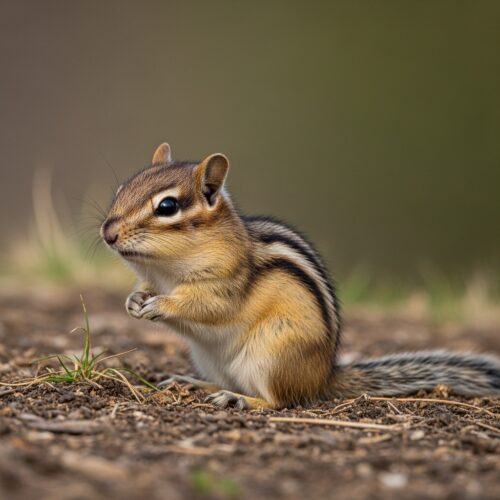
Lifespan in the Wild
In the wild, chipmunks typically live for 1 to 3 years. Their lives are often cut short by predators like snakes, hawks, and even domestic cats. Here are some key points about their wild lifespan:
- Average lifespan: 2 to 3 years.
- Predation: Major threat leading to early death.
- Environmental factors: Availability of food and habitat conditions can also impact their longevity.
Interestingly, some chipmunks have been known to live longer under ideal conditions, with reports of individuals reaching up to 5 years in the wild.
Lifespan in Captivity
Chipmunks kept in controlled environments, like zoos or as pets, can live much longer—often 8 to 11 years. This is mainly due to:
- Protection from predators: No threats in a safe environment.
- Consistent food supply: Access to balanced diets year-round.
- Veterinary care: Regular health check-ups and treatment for diseases.
For example, Eastern chipmunks can live longer in captivity than their wild counterparts, often reaching up to 10 years.
Species Variations in Lifespan
Not all chipmunks are created equal when it comes to lifespan. Here’s a quick comparison of some common chipmunk species:
| Species | Lifespan in the Wild | Lifespan in Captivity |
|---|---|---|
| Eastern Chipmunk | 2 to 3 years | 8 to 10 years |
| Townsend’s Chipmunk | 2 to 7 years | Up to 10 years |
| Sierra Chipmunk | 2 to 5 years | Up to 8 years |
This table shows that while most chipmunks live around the same length in the wild, captivity significantly extends their lifespan.
Factors Affecting Lifespan
Several factors influence how long chipmunks live:
- Predation: The most significant threat in the wild.
- Food availability: Limited food can reduce lifespan.
- Health issues: Diseases like metabolic bone disease can cut lives short.
Chipmunks also have behavioral adaptations to survive winter, such as hoarding food and burrowing. These strategies help them endure harsh conditions and can impact their overall lifespan.
By understanding these factors, you can appreciate how environment and species play a critical role in the lives of these charming little creatures.
The Life Cycle of Chipmunks: Stages and Development
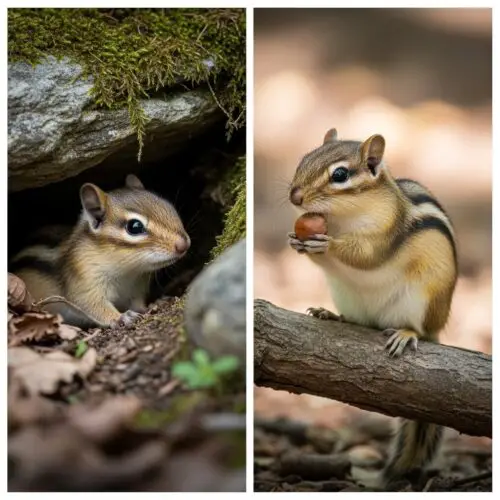
Chipmunks go through a fascinating life cycle. Understanding each stage helps us appreciate these little critters better. Let’s break it down!
Mating and Gestation
Chipmunks typically mate in early spring. Males compete for females, showcasing their charming antics. After mating, the female has a gestation period of about 31 days.
- Mating Season: Spring, with a possible second round in late summer.
- Litter Size: Usually 2 to 8 pups.
Growth Stages: From Pups to Independence
Once born, chipmunk pups are tiny and helpless. They rely entirely on their mother. Here’s how they grow:
- Birth: Pups are born blind and hairless.
- Eyes Open: Around 4 weeks old.
- Weaning: They start eating solid food around 6 weeks.
- Independence: Pups leave the nest and become independent at 8 to 10 weeks.
By the time they hit one year, they’re ready to breed themselves!
Preparing for Winter: Hoarding and Torpor
As autumn approaches, chipmunks prepare for winter. This is a crucial part of their life cycle.
- Hoarding Food: Chipmunks gather nuts and seeds to store in their burrows. They can collect a significant stash to last through the winter months.
- Torpor: During winter, chipmunks enter a state of torpor. Their body temperature drops, and they rely on stored food to survive.
This behavior not only helps them survive harsh conditions but also impacts their lifespan. Those who are well-prepared can live longer, even in the wild!
Understanding these stages gives insight into how chipmunks thrive in various environments. Whether in the wild or as pets, their life cycle is truly remarkable.
Factors Influencing Chipmunk Lifespan
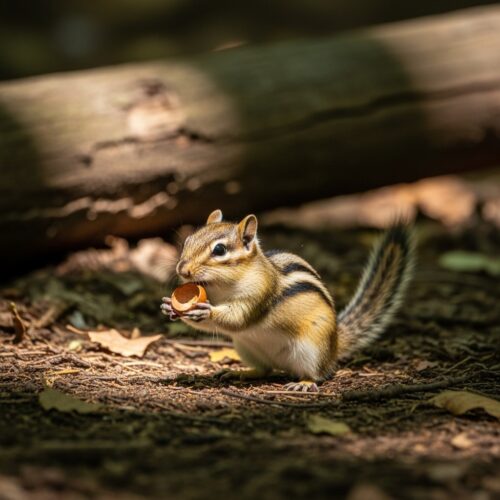
Chipmunks face various challenges that can affect how long they live. Understanding these factors helps shed light on their average lifespan and life cycle.
Predation and Natural Threats
Chipmunks are small and vulnerable. They have many natural predators, including hawks, owls, and snakes. These threats can significantly impact their lifespan. In the wild, survival can be tough. A chipmunk may only live 2 to 5 years due to these dangers. However, in captivity, they can thrive without worrying about predators, often living up to 8 or even 10 years.
Environmental Challenges: Food and Weather
The environment plays a big role in a chipmunk’s life. Food scarcity can shorten their lifespan. Chipmunks rely on a steady supply of nuts and seeds. If trees don’t produce enough during the annual “mast,” food becomes limited. This situation can lead to starvation, especially in harsh winters.
Weather also impacts chipmunk survival. Climate change has made winters more unpredictable. Unusually high temperatures can disrupt their hibernation patterns, reducing their chances of survival. Chipmunks need proper conditions to hibernate effectively.
Common Diseases Affecting Chipmunks
Health problems can cut a chipmunk’s life short. Common diseases include:
- Metabolic Bone Disease: Often caused by a calcium deficiency, leading to weak bones.
- Respiratory Infections: Can be fatal if not treated.
- Tooth Problems: Overgrown teeth can prevent proper feeding.
Pet chipmunks are particularly susceptible to these issues due to diet and living conditions. If you have a pet chipmunk, ensure they have a balanced diet to prevent these health problems.
How Human Activity Affects Chipmunks
Human actions can also influence chipmunk lifespans. Urban development and habitat destruction reduce their natural spaces. This leads to increased competition for food and resources. Additionally, pollution can introduce harmful substances into their environment, affecting their health.
By understanding these factors, we can appreciate the challenges chipmunks face and their resilience in the wild.
Unique Survival Strategies of Chipmunks
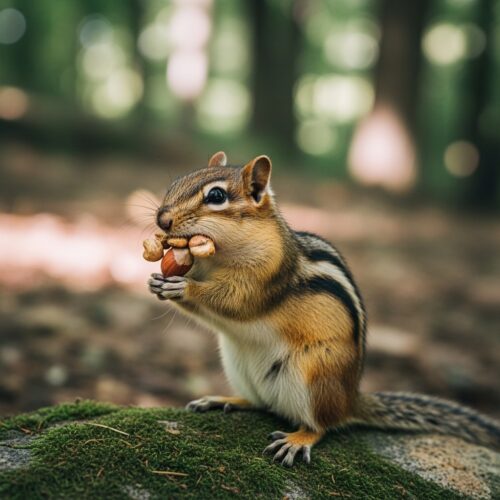
Chipmunks are fascinating little creatures. They have developed some unique strategies to survive in different environments, especially during winter. Let’s dive into how they manage to thrive despite the challenges they face.
How Chipmunks Survive Winter
Chipmunks don’t hibernate like bears. Instead, they enter a state called torpor. This means they slow down their metabolism but wake up periodically. During these wakeful moments, they munch on the food they’ve stored in their burrows.
- Food Caching: Before winter, chipmunks gather seeds, nuts, and berries. They use their cheek pouches to carry food back to their underground storage. A single chamber can hold up to a gallon and a half of food! This stash is crucial for their survival during cold months.
- Periodic Feeding: By waking up throughout winter, they can eat from their caches, keeping their energy levels up. This behavior is vital; if they run out of food, they risk starvation.
Adaptations for Food Storage
Chipmunks have developed impressive adaptations for food storage. Their cheek pouches are a standout feature, allowing them to transport food efficiently. Here’s how they do it:
- Cheek Pouches: These pouches can expand significantly. Chipmunks can carry large amounts of food back to their dens, making sure they have enough to last through the winter.
- Strategic Hoarding: They selectively gather food items that are high in calories. This ensures they can build up fat reserves before the cold sets in.
Behavioral Traits for Avoiding Predation
Survival isn’t just about food; chipmunks are also masters of evasion. They have developed several behavioral traits to avoid becoming prey:
- Quick Burrowing: When threatened, chipmunks quickly dart into their burrows. Their underground homes provide safety from predators like hawks, snakes, and even house pets.
- Alertness: Chipmunks are naturally alert. They often use a warning call to alert others of danger, allowing them to escape before it’s too late.
- Camouflage: Their fur blends well with the forest floor, helping them stay hidden from predators.
Scenario-Based Insights
Imagine a chipmunk in an area with harsh winter conditions. It has to gather food while also being wary of predators. If the ground is frozen, it might struggle to find food. In this case, it will rely more on its stored food and stay close to its burrow. Conversely, in milder conditions, it can venture out more, allowing it to forage and build up its food supplies even further.
Understanding these survival strategies helps us appreciate how chipmunks navigate their lives in the wild. Their clever adaptations improve their chances of living longer, whether in the wild or in captivity.
Frequently Asked Questions
These quick answers cover the most common questions about this topic, including key details, practical tips, and common concerns.
What smell do chipmunks hate the most?
Chipmunks dislike strong, pungent odors such as peppermint oil, garlic, and predator scents like fox or coyote urine. These smells can deter them from entering certain areas or nests. Using natural repellents containing these odors can help keep chipmunks away from gardens or homes.
Does a chipmunk sleep all winter?
No, chipmunks do not sleep all winter. Instead, they enter a state called torpor, where their body temperature and activity levels drop significantly. During this period, they wake periodically to eat from their stored food caches and then return to torpor. They do not hibernate continuously like some larger mammals.
Do chipmunks like to be petted?
Generally, chipmunks are not naturally social or tolerant of handling. They tend to be shy and may become stressed if petted or handled frequently. Some pet chipmunks can become accustomed to their owners with gentle, consistent interaction, but they are not typically affectionate like cats or dogs.
What does it mean when a chipmunk chirps at you?
A chirping sound from a chipmunk usually serves as a warning or alarm call. It indicates the presence of a threat or predator nearby. Sometimes, chipmunks also chirp to communicate with other chipmunks or to establish territory boundaries.
How do chipmunks survive winter?
Chipmunks survive winter by gathering and storing large quantities of food in their burrows before the cold months. They enter torpor, a state of reduced metabolic activity, during winter, waking occasionally to eat from their caches. Their burrows provide insulation and protection from harsh weather.
Why is their lifespan longer in captivity?
In captivity, chipmunks are protected from predators, harsh weather, and food scarcity. They receive regular veterinary care and a stable diet, which reduces stress and health issues. As a result, they can live up to 8-11 years, compared to 2-3 years in the wild.
When do chipmunks reach maturity?
Most chipmunks reach sexual maturity by around 10 weeks to 1 year of age. Mating season typically occurs in early spring, with some species breeding again in late summer. Juveniles are independent by about 8-10 weeks old, ready to establish their own territories.
What are common diseases affecting chipmunks?
Common health issues include metabolic bone disease, respiratory infections, and dental problems. Poor diet, stress, and unsanitary living conditions can increase disease risk. In the wild, diseases can spread quickly, and predators can also transmit parasites and pathogens.