
As of 2026, the United States officially has 63 designated national parks, showcasing diverse ecosystems across the country. This guide will provide a comprehensive overview of these parks, their significance, and essential information for visitors.
Overview of National Parks in the USA
National parks are special places set aside to protect the natural beauty and wildlife of the United States. With 63 parks as of 2026, they serve as vital ecosystems and offer countless opportunities for outdoor recreation.
What is a National Park?
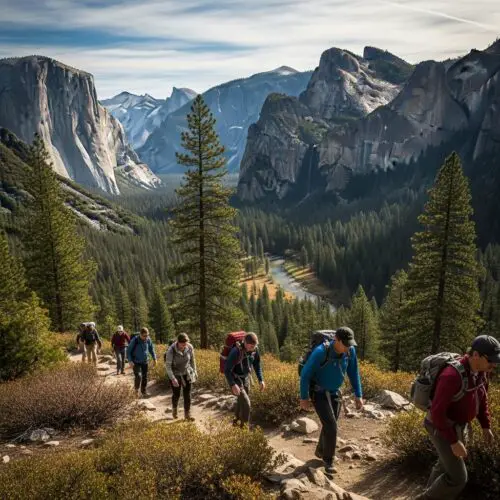
A national park is a protected area managed by the National Park Service (NPS). These parks are established to conserve wildlife, scenic beauty, and cultural heritage. They often feature unique landscapes, from towering mountains to serene lakes.
Significance of National Parks
National parks play a crucial role in conservation efforts. They help preserve ecosystems and protect endangered species. Here are some key points about their significance:
- Biodiversity: National parks safeguard a wide range of plant and animal species. For example, Yellowstone is home to wolves, bison, and grizzly bears.
- Ecosystem Services: They provide clean air, water, and climate regulation. Parks act as natural buffers against climate change.
- Cultural Heritage: Many parks protect historical sites and stories. For instance, Mesa Verde preserves ancient cliff dwellings.
National Park Service Role
The National Park Service manages all national parks. Their mission is to protect these areas for future generations. The NPS ensures that parks maintain ecological integrity while providing access for visitors. They also engage in conservation projects, like restoring habitats and preventing invasive species.
Table of Contents
In 2026, the national parks not only represent natural beauty but are also essential for ecological health and cultural preservation. They attract millions of visitors each year, contributing to local economies and promoting outdoor activities.
Total Number of National Parks in 2026
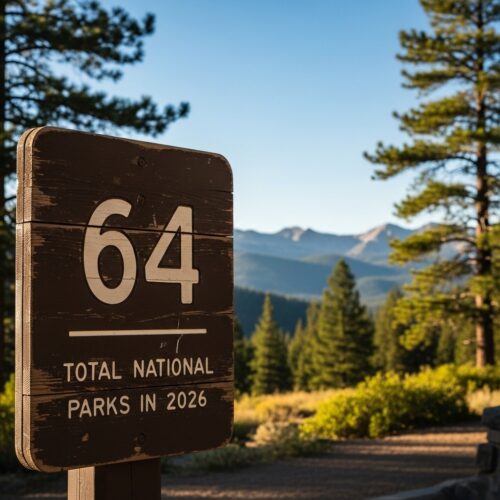
As of 2026, there are 64 officially designated national parks in the United States. These parks showcase stunning landscapes, diverse ecosystems, and historical treasures. But how do they differ from other protected areas?
National Parks vs. Other Protected Areas
National parks are not the only type of protected land. Here’s a quick look at how they compare:
- National Parks: Focused on preserving natural beauty and biodiversity. Managed by the National Park Service (NPS).
- National Monuments: Protect specific landmarks or historic sites. They can be created by presidential proclamation.
- National Wildlife Refuges: Aim to protect wildlife habitats. They often allow for hunting and fishing.
- State Parks: Managed by individual states, these parks provide recreational opportunities and protect local natural features.
Current Count of National Parks
Here’s a snapshot of the current national parks in the U.S. by state:
| State | Number of National Parks |
|---|---|
| California | 9 |
| Alaska | 8 |
| Utah | 5 |
| Colorado | 4 |
| Florida | 3 |
| Arizona | 3 |
| New York | 3 |
| Washington | 3 |
| Other States | 19 |
Future Projections for the National Park System
The future of national parks looks promising. Current trends indicate a push for more parks to be designated. Conservation needs and growing public interest play a big role. For example, areas like the Arctic National Wildlife Refuge are potential candidates for national park status due to their unique ecosystems.
As we look ahead, these parks will continue to serve as vital spaces for both nature and recreation. Their importance in conservation efforts cannot be overstated. Each park not only protects nature but also enriches our cultural heritage.
State-wise Distribution of National Parks

As of 2026, the United States is home to a rich tapestry of national parks spread across various states. Each park offers unique landscapes, wildlife, and experiences. Let’s break down the distribution of these beautiful parks by state.
National Parks by State
Here’s a handy list of states and their respective national parks:
| State | Number of National Parks | Notable Parks |
|---|---|---|
| California | 9 | Yosemite, Sequoia, Joshua Tree |
| Utah | 5 | Zion, Arches, Bryce Canyon |
| Alaska | 8 | Denali, Glacier Bay |
| Colorado | 4 | Rocky Mountain, Mesa Verde |
| Arizona | 3 | Grand Canyon, Saguaro, Petrified Forest |
| Washington | 3 | Olympic, Mount Rainier |
| Oregon | 2 | Crater Lake, Lewis and Clark |
| Florida | 3 | Everglades, Dry Tortugas |
| South Dakota | 2 | Badlands, Wind Cave |
| New York | 2 | Statue of Liberty, Gateway Arch |
| Texas | 2 | Big Bend, Guadalupe Mountains |
| Hawaii | 2 | Haleakalā, Volcanoes |
| Montana | 2 | Glacier, Yellowstone |
| Wyoming | 2 | Yellowstone, Grand Teton |
| Virginia | 1 | Shenandoah |
| New Mexico | 1 | Carlsbad Caverns |
| Maine | 1 | Acadia |
Most Visited National Parks by State
Some parks attract more visitors each year than others. Here are a few of the most popular ones:
- Great Smoky Mountains National Park (Tennessee/North Carolina): The most visited park in the U.S. with over 14 million visitors annually.
- Zion National Park (Utah): A favorite for its stunning red cliffs and canyoneering opportunities.
- Yosemite National Park (California): Known for its breathtaking waterfalls and giant sequoias.
Unique Features of State Parks
While national parks often steal the spotlight, state parks also offer incredible experiences. Here are a few unique features:
- Cultural Significance: Many state parks preserve important historical sites and indigenous cultures.
- Ecological Diversity: Some state parks protect unique ecosystems, providing habitats for diverse wildlife.
- Accessibility: State parks can be more accessible, offering easier trails and facilities for families and casual visitors.
The distribution of national parks is a testament to the country’s commitment to conservation and appreciation for nature. Whether you’re hiking in a national park or enjoying a picnic in a state park, each visit brings a chance to connect with the great outdoors.
Historical Context of National Parks

The journey of national parks in the United States is rich and fascinating. It reflects a growing appreciation for nature and a commitment to conservation. Let’s dive into the key milestones that shaped our national parks.
Timeline of National Park Establishments
- 1872: Yellowstone became the first national park in the world. This monumental decision set a precedent for preserving natural wonders.
- 1916: The National Park Service (NPS) was established. Its mission? To manage and protect national parks and monuments.
- 1964: The Wilderness Act was passed. This act preserved millions of acres of wild land, protecting ecosystems and wildlife.
- 1980: The National Parks Omnibus Management Act was enacted. It aimed to improve park management and funding.
Impact of Historical Events on National Parks
Historical events have significantly influenced the development and expansion of national parks. Here are a few notable impacts:
- Conservation Movements: These movements in the late 19th and early 20th centuries rallied public support for park creation.
- World Wars: During the wars, many parks were neglected. However, post-war America saw renewed interest in outdoor recreation and conservation.
- Civil Rights Movement: This era brought attention to the need for inclusive access to parks, leading to more diverse visitor engagement.
Legacy of the National Park Service
The National Park Service has a lasting legacy in conservation. It plays a crucial role in:
- Ecosystem Protection: NPS ensures the preservation of unique ecosystems across the nation.
- Visitor Education: The service educates millions of visitors each year about the importance of conservation.
- Cultural Heritage: NPS preserves historical sites, celebrating the diverse stories of America.
This historical context adds depth to our understanding of national parks today. Each park tells a story, connecting us to nature and our shared history.
Visitor Statistics and Trends

National parks are a beloved escape for millions. Understanding visitor statistics helps us grasp what draws people to these natural wonders.
Annual Visitor Numbers
In 2026, national parks are expected to welcome around 330 million visitors. That’s a lot of people enjoying the great outdoors! Here’s a quick look at the top three parks by visitation:
- Great Smoky Mountains National Park: 14 million visitors
- Zion National Park: 5 million visitors
- Yosemite National Park: 4 million visitors
These parks are popular for a reason. They offer stunning views, diverse wildlife, and countless activities.
Factors Influencing Park Visitation
Several factors influence how many people visit national parks each year:
- Seasonal Changes: Summer is peak season. Families flock to parks for vacations.
- Special Events: Anniversaries or festivals can draw larger crowds.
- Social Media: Pictures on platforms like Instagram inspire visits. Stunning landscapes are just a click away!
- Accessibility Improvements: Efforts to make parks more accessible boost numbers, allowing more people to explore.
Visitor Demographics
The demographics of national park visitors are changing. Here are some key insights:
- Age: Millennials and Gen Z are visiting more. They seek adventure and connection with nature.
- Diversity: There’s a growing emphasis on inclusivity. Parks are working to attract a broader audience.
- Interests: Visitors are increasingly interested in educational programs. They want to learn about conservation and local history.
One visitor shared their experience at Yellowstone: “I was amazed by the geothermal wonders and learned so much about the ecosystem. It’s a must-see!”
Understanding these trends helps national parks adapt. They can create programs and experiences that resonate with visitors.
Importance of National Parks
National parks play a crucial role in preserving ecosystems, providing education, and offering recreational activities. They are more than just beautiful landscapes; they are vital for the environment and our communities.
Ecological Benefits
National parks protect diverse ecosystems. They serve as habitats for countless species, some of which are endangered. By conserving these areas, we help maintain biodiversity. This is important not just for wildlife but for our planet’s health.
- Habitat Protection: Parks safeguard species from habitat loss.
- Climate Regulation: They play a role in carbon storage, helping to combat climate change.
- Water Quality: Protected areas keep watersheds clean, benefiting local communities.
For example, Yellowstone National Park is not just a tourist spot; it’s a critical habitat for wolves and bison, contributing to ecological balance.
Educational Opportunities
National parks are outdoor classrooms. They offer visitors a chance to learn about nature, history, and conservation.
- Guided Tours: Many parks provide ranger-led programs that share insights about local ecosystems.
- Visitor Centers: These facilities often include exhibits and information about the park’s history and natural features.
- Workshops: Parks may host events on topics like wildlife tracking or native plant identification.
An example is the educational programs at the Grand Canyon, where visitors can learn about geology and the park’s formation.
Recreational Activities Available
National parks offer a wide range of activities for everyone. Whether you’re looking for adventure or relaxation, there’s something for you.
- Hiking and Biking: Trails range from easy walks to challenging climbs.
- Camping: Experience nature up close by camping under the stars.
- Wildlife Watching: Spotting animals in their natural habitat is a thrilling experience.
Parks like Yosemite draw millions of visitors each year, contributing to local economies and promoting outdoor recreation. For instance, in 2022, Yosemite welcomed over 4 million visitors, showcasing its popularity and importance for both tourism and conservation.
Challenges and Issues Facing National Parks
National parks face a variety of challenges that can impact their ecosystems and visitor experiences. Understanding these issues is crucial for anyone planning to visit.
Environmental Threats
National parks experience several environmental threats. These include:
- Climate Change: Rising temperatures affect wildlife and plant life.
- Invasive Species: Non-native plants and animals can disrupt local ecosystems.
- Pollution: Air and water pollution can harm natural habitats and wildlife.
For example, parks like Yellowstone are seeing shifts in animal migration patterns due to climate change. It’s essential for visitors to be aware of these issues to better appreciate the parks’ fragility.
Visitor Management Challenges
As national parks grow in popularity, managing visitor numbers becomes increasingly difficult. Some common challenges include:
- Overcrowding: Popular parks can become congested, leading to a diminished experience.
- Wear and Tear: Excessive foot traffic can damage trails and wildlife habitats.
- Wildlife Interactions: Close encounters with animals can be dangerous for both visitors and wildlife.
During peak seasons, parks may implement timed entry systems to help manage crowds effectively. Always check park websites for updates on visitor guidelines before your trip!
Regulations for Protecting Parks
To protect these natural treasures, national parks enforce various regulations. Here’s what you should know:
- Leave No Trace Principles: Always clean up after yourself. Pack out what you pack in.
- Wildlife Safety: Keep a safe distance from animals and never feed them.
- Stay on Designated Trails: This minimizes damage to fragile ecosystems.
By following these rules, you can help preserve the beauty and integrity of national parks for future visitors.
Future of National Parks Beyond 2026
As we look ahead, the future of national parks is both exciting and uncertain. With ongoing conservation efforts and potential new parks on the horizon, the landscape of national parks will continue to evolve.
Potential New National Parks
Several areas are being considered for future national park designation. These sites often boast unique ecosystems or significant historical value. Here are a few contenders:
- New River Gorge, West Virginia: Known for its stunning landscapes and outdoor activities, this area has gained popularity in recent years.
- Cumberland Island, Georgia: This coastal gem combines rich history with beautiful beaches and diverse wildlife.
- North Cascades, Washington: With its glaciers and rugged mountains, this region is a prime candidate for expansion of national park protections.
These potential parks could help preserve even more of America’s natural beauty.
Conservation Initiatives
Conservation is a top priority for existing national parks. Experts emphasize the importance of adapting to climate change. Here are some key strategies:
- Restoration Projects: Many parks are involved in restoring damaged ecosystems. This includes replanting native species and removing invasive plants.
- Sustainable Practices: Parks are adopting sustainable practices to minimize their environmental impact. This includes using renewable energy sources and reducing waste.
- Community Engagement: Involving local communities in conservation efforts enhances the success of these initiatives. Local volunteers often play a crucial role in park stewardship.
These actions are vital for maintaining the health of our national parks.
Visitor Engagement Strategies
Engaging visitors is essential for the future of national parks. Here are some strategies being implemented:
- Interactive Experiences: Parks are developing interactive maps and apps to enhance visitor experiences. These tools help guests explore and learn about the park’s features.
- Educational Programs: Many parks offer programs to educate visitors about conservation. Workshops and guided tours provide valuable insights into the park’s ecosystem.
- Feedback Mechanisms: Implementing visitor feedback systems helps parks understand what works and what needs improvement. This can lead to better management and visitor satisfaction.
By focusing on engagement, national parks can foster a deeper connection between visitors and nature.
Frequently Asked Questions
These quick answers cover the most common questions about this topic, including key details, practical tips, and common concerns.
Are there 423 or 63 national parks?
There are 63 officially designated national parks in the United States as of 2026. The figure 423 often includes all protected areas managed by various agencies, but only 63 hold the title of national parks managed by the National Park Service.
Which national parks are dropping reservation requirements for 2026?
Several parks are easing reservation requirements to improve visitor access in 2026. Parks like Yellowstone and Yosemite are expanding walk-up availability and reducing advance booking constraints. Check each park’s official website for specific updates, as policies may vary based on season and capacity.
What is the most unpopular national park?
Some of the least visited national parks include Gates of the Arctic in Alaska and Lake Clark National Park. These parks are remote, have limited facilities, and attract fewer tourists, making them ideal for visitors seeking solitude and pristine wilderness.
What are the five newest national parks?
The five newest national parks in the U.S. include:
- New River Gorge (West Virginia)
- Cumberland Island (Georgia)
- Gates of the Arctic (Alaska)
- North Cascades (Washington)
- Pinnacles (California)
These parks were designated recently to protect unique landscapes and ecosystems.
How can I plan a visit to national parks?
Start by choosing the parks you want to visit and checking their official websites for alerts and reservation policies. Plan your trip during shoulder seasons for fewer crowds, and consider booking accommodations early. Pack essentials, follow park regulations, and explore ranger-led programs for a richer experience.
What are the most visited national parks?
The most visited parks include Great Smoky Mountains, Zion, and Yosemite. These parks attract millions annually due to their iconic landscapes, accessibility, and variety of activities. They often have extensive facilities, making them popular choices for families and outdoor enthusiasts.
How many national parks are there in the US?
As of 2026, there are 63 national parks managed by the National Park Service. This number reflects ongoing efforts to preserve diverse ecosystems, cultural sites, and natural wonders across the country.
What is the largest national park in the US?
The largest national park is Wrangell-St. Elias in Alaska. It covers over 8 million acres, featuring towering mountains, glaciers, and remote wilderness. Its vast size makes it a haven for explorers seeking solitude and untouched nature.