
Oak trees can live for hundreds of years, with some species reaching ages of over 1,000 years. Determining the age of an oak tree can be done through several methods, including measuring its diameter and counting growth rings. This guide provides step-by-step instructions to help you estimate your oak tree’s age effectively.
Understand the Lifespan of Oak Trees
Oak trees are some of the longest-living trees in the world. Their lifespan varies significantly depending on the species. Here’s a closer look at different oak species and the factors that influence their longevity.
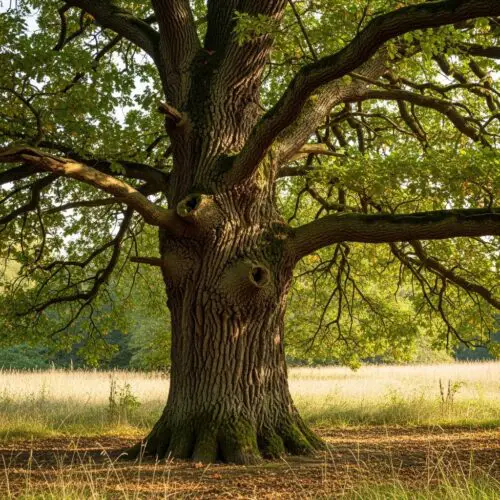
Different Oak Species and Their Lifespan
Here’s a quick rundown of some common oak species and their average lifespans:
| Oak Species | Average Lifespan | Notes |
|---|---|---|
| White Oak | 300-600 years | Highly valued for its strong wood. |
| Red Oak | 200-300 years | Grows fast but has a shorter lifespan. |
| Live Oak | 200-300 years | Iconic in southern landscapes. |
| Water Oak | 30-50 years | Shortest lifespan among oaks. |
| Bur Oak | 200-400 years | Thrives in various environments. |
These lifespans can vary based on environmental conditions and care.
Factors Influencing Longevity
Several factors play a role in how long an oak tree lives:
Table of Contents
- Species: As you can see, different species have inherent lifespans. Some are built to last longer.
- Environment: Soil quality, water availability, and sunlight affect growth and health.
- Disease and Pests: Oak trees can fall prey to various diseases and pests that can shorten their lifespan.
- Care: Proper care, including pruning and disease management, can ensure a longer life.
Historical Context of Oak Trees
Oak trees have been significant throughout history. They symbolize strength and endurance in many cultures. Ancient Greeks revered oaks as sacred to Zeus, while in Norse mythology, oak trees were linked to Thor. Their longevity and sturdy nature make them a living link to our past.
For those looking to care for their oak trees, consider checking out an essential resource like the Oak Tree Care Guide. It’s a handy tool for maintaining the health of these majestic giants!
Measure Your Oak Tree’s Circumference

Measuring the circumference of your oak tree is a simple yet effective way to estimate its age. With just a few tools and steps, you can get a good idea of how long this majestic tree has been around.
Tools Needed for Measurement
Before you start, gather these tools:
- Measuring tape (preferably one that’s flexible)
- Calculator (for the math part)
- Notebook or smartphone (to record your measurements)
Step-by-Step Measurement Process
1. Locate the Right Spot: Measure the circumference at breast height, which is about 4.5 feet (1.3 to 1.5 meters) above the ground. This height gives you a consistent measurement point.
2. Wrap the Measuring Tape: Gently wrap the measuring tape around the trunk of the tree. Make sure it’s level and snug, but not tight enough to damage the bark.
3. Read the Measurement: Note the number of inches on the tape where it overlaps. This is your tree’s circumference.
4. Calculate the Diameter: Use the formula:
- Diameter = Circumference ÷ 3.14
This will give you the diameter in inches.
5. Estimate the Age: Multiply the diameter by the growth factor for oak trees. Generally, oak trees grow about 4 to 10 inches in circumference each year, depending on the species and local conditions. Use a growth factor of 5 for a rough estimate.
Common Mistakes to Avoid
- Incorrect Height: Ensure you measure at the right height (4.5 feet). Measuring too low or too high can lead to inaccurate results.
- Tightening the Tape: Don’t pull the tape too tightly against the bark. This can compress the bark and give a false reading.
- Not Recording: Always write down your measurements. You might want to refer back to them later, especially if you decide to measure again in the future.
By following these steps, you’ll get a solid estimate of your oak tree’s age without causing any harm. Happy measuring!
Calculate the Diameter and Estimated Age

Estimating the age of an oak tree is easier than you might think. By measuring its circumference and using growth factors, you can get a pretty good idea of how old it is without cutting it down. Let’s dive into the details!
Formula for Calculating Diameter
To start, you need to measure the tree’s circumference. Here’s how to convert that measurement into diameter:
1. Measure the Circumference: Use a tape measure to find the circumference of the tree at about 4.5 feet above the ground.
2. Calculate Diameter: Divide the circumference by π (approximately 3.14).
Formula:
\[ \text{Diameter} = \frac{\text{Circumference}}{3.14} \]
Using Growth Factors for Age Estimation
Now that you have the diameter, it’s time to estimate the age. Each species of oak tree has a growth factor, which tells you how much it typically grows each year. For most oak species, the growth factor is generally around 4.
Age Estimation Formula:
\[ \text{Estimated Age} = \text{Diameter} \times \text{Growth Factor} \]
Examples of Calculating Age for Common Oak Species
Let’s put this into practice with an example. Suppose you measure an oak tree with a circumference of 110 inches. Here’s how you’d calculate its age:
1. Calculate Diameter:
- Circumference = 110 inches
- Diameter = 110 / 3.14 ≈ 35 inches
2. Estimate Age:
- Growth Factor = 4 (for oak trees)
- Estimated Age = 35 × 4 = 140 years
So, this oak tree is roughly 140 years old!
This method gives you a solid estimate. Remember, growth factors can vary based on environmental conditions and tree care, so this is an approximation. For more in-depth care, check out the Oak Tree Care Guide.
Understand Dendrochronology and Growth Rings
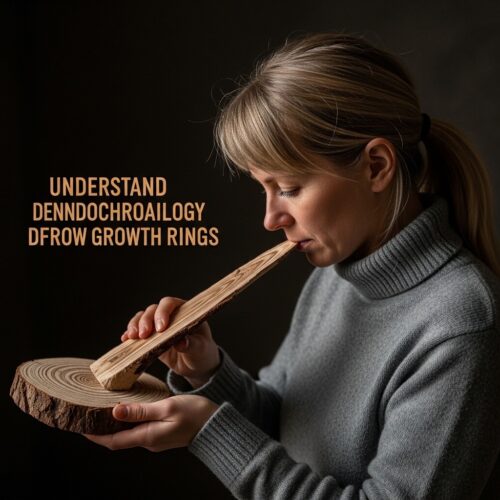
Dendrochronology is the scientific method used to determine a tree’s age by studying its growth rings. Each year, oak trees add a new layer of growth, creating distinct rings. These rings tell us not just the age but also the health and environmental conditions the tree faced.
What is Dendrochronology?
Dendrochronology is all about tree rings. Each ring consists of two parts:
- Earlywood: This is the lighter band formed during the rapid growth in spring and early summer.
- Latewood: This is the darker band created when growth slows down in late summer and fall.
Counting these rings gives a clear picture of a tree’s age. A tree adds one ring each year, so if you count 50 rings, the tree is about 50 years old.
How to Count Growth Rings
To accurately count growth rings, follow these simple steps:
1. Select a Cross-Section: If the tree is cut down, look at the trunk’s cross-section.
2. Identify the Rings: Count each distinct light and dark band.
3. Use a Diagram: It helps to have a visual aid to understand what each layer represents and how they form throughout the years.
Here’s a quick checklist to remember:
- Look for a clear cross-section.
- Count carefully; earlywood and latewood are crucial.
- Use a visual guide to help differentiate the rings.
Using an Increment Borer Safely
If you want to count rings without cutting down the tree, an increment borer is your friend. This handy tool extracts a small core sample from the trunk. Here’s how to use it:
1. Drill into the Tree: Use the borer to take a core sample. It’s like taking a tiny slice of the tree.
2. Examine the Core: Once you have the core, you can see the rings without harming the tree too much.
3. Count the Rings: Just like with a cross-section, count the light and dark bands.
Important Note: Always be gentle when using the borer. You want to minimize any damage to the tree while getting your information.
By understanding dendrochronology and how to count growth rings, you can accurately determine the age of an oak tree. This knowledge adds a fascinating layer to appreciating these majestic trees.
Environmental Factors Affecting Oak Growth
Oak trees, like all living things, are influenced by their environment. Factors like soil quality, water availability, and sunlight exposure can significantly affect their growth rates and, in turn, how we estimate their age.
Impact of Soil Quality and Water Availability
Soil quality plays a crucial role in the health and growth of oak trees. Here are some key points:
- Nutrient-Rich Soil: Oak trees thrive in well-drained, nutrient-rich soils. This promotes faster growth.
- Poor Soil: In contrast, sandy or rocky soil can stunt growth, making age estimation tricky.
- Water Supply: Regular rainfall or access to water sources boosts growth. Drought conditions can lead to slower growth rates.
For example, an oak tree in a lush, well-watered park may grow more quickly than one in a dry, urban environment. This can create discrepancies when estimating their ages.
Sunlight and Climate Effects
Sunlight is another vital aspect that influences oak growth.
- Full Sunlight: Oak trees that receive plenty of sunlight grow faster. They have more energy for photosynthesis.
- Shaded Areas: Trees in shaded environments may grow slower, leading to a lower growth rate.
- Climate Variability: Temperature and seasonal changes can impact growth. Warmer climates may accelerate growth, while colder ones might slow it down.
How Urban Conditions Change Growth Patterns
Urban environments pose unique challenges for oak trees.
- Space Limitations: Trees in cities often have less space to grow. Restricted root systems can result in slower growth.
- Pollution: Air and soil pollution can negatively affect tree health and growth rates.
- Heat Islands: Urban heat islands can create warmer environments, potentially speeding up growth but also stressing the trees.
| Condition | Growth Rate | Age Estimation Accuracy |
|---|---|---|
| Nutrient-Rich Soil | High | More Accurate |
| Poor Drainage | Low | Less Accurate |
| Ample Water | High | More Accurate |
| Drought Conditions | Low | Less Accurate |
| Full Sunlight | High | More Accurate |
| Shaded Areas | Low | Less Accurate |
| Urban Environment | Variable | Often Less Accurate |
Understanding these environmental factors helps in accurately estimating the age of oak trees. Each tree’s growth story is unique, shaped by its surroundings.
Explore Alternative Methods to Determine Age
Estimating the age of oak trees doesn’t have to involve cutting them down. There are several non-invasive techniques and tools you can use to get a good estimate without harming these majestic trees.
Using Technology for Age Estimation
Technology has made it easier to determine tree age without invasive methods. Here are some tools you can use:
- Tree Age Calculator: This handy online tool lets you input the circumference of your oak tree. It uses species-specific growth factors to give you an estimated age.
- Smartphone Apps: There are various apps available that help you estimate tree age by measuring trunk diameter and applying growth factors. They often include guides on how to measure correctly.
Comparing Non-Invasive Techniques
Here are some popular non-invasive methods for estimating oak tree age:
- Circumference Measurement: Measure the tree’s circumference at about 4.5 feet above the ground. Divide this number by 3.14 to get the diameter. Then, multiply the diameter by the specific growth factor for oak trees (which can be around 4 for many species).
- Height Measurement: If you know the average growth rate of oak trees in your area, you can estimate its age based on height. For instance, if an oak grows about 1.5 feet per year, and your tree is 15 feet tall, it’s likely around 10 years old.
- Visual Indicators: Look for characteristics like bark texture and branching patterns. Older oaks tend to have rougher bark and wider canopies. This is a more qualitative method but can provide clues.
Pros and Cons of Alternative Methods
Here’s a quick look at the benefits and drawbacks of these non-invasive techniques:
| Method | Pros | Cons |
|---|---|---|
| Circumference Measurement | Simple and quick to do | May vary based on environmental factors |
| Height Measurement | Non-invasive and requires no tools | Requires knowledge of growth rates |
| Visual Indicators | Easy to observe | Highly subjective and less precise |
Remember to consider the specific growth factors for oak trees in your area, as these can impact your estimates. With a little care and the right tools, you can appreciate the history of your oak tree without causing it harm.
Final Tips for Estimating the Age of Oak Trees
Estimating the age of oak trees can be a fun and rewarding experience. With the right methods, you can uncover the history of these majestic giants without harming them. Here are some practical tips to help you along the way.
Key Takeaways for Accurate Measurement
- Measure Circumference: Wrap a tape measure around the trunk at about 4.5 feet from the ground. This is your circumference.
- Calculate Diameter: Divide the circumference by 3.14 (pi) to get the diameter.
- Use Growth Factors: Multiply the diameter by the growth factor specific to oak trees (usually around 5 for most species).
- Consider Local Factors: Remember that growth can vary based on soil, sunlight, and moisture levels in your area.
Common Errors to Avoid
- Inaccurate Measurements: Ensure your tape is level when measuring circumference.
- Ignoring Growth Factors: Always use the correct growth factor for your oak species. Using the wrong factor can lead to significant age estimation errors.
- Relying Solely on Visual Clues: While visual indicators can give hints, they are subjective and less reliable than numerical methods.
When to Consult an Expert
If you’re unsure about your measurements or the growth factors, don’t hesitate to reach out to a local arborist. They can provide professional insights and may even help you with more advanced techniques, like dendrochronology, if you’re interested in a precise age determination.
By following these tips, you’ll have a clearer picture of your oak tree’s age. Happy tree measuring!
Frequently Asked Questions
These quick answers cover the most common questions about this topic, including key details, practical tips, and common concerns.
How can I tell how old my oak tree is?
You can estimate your oak tree’s age by measuring its circumference at about 4.5 feet above the ground and calculating its diameter. Using a species-specific growth factor—typically around 4 to 5 for oaks—you multiply the diameter to get an approximate age. For more accuracy, you can also count growth rings if you have access to a cross-section or use an increment borer.
How do I measure the age of an oak tree?
First, measure the trunk’s circumference at breast height (about 4.5 feet). Divide that measurement by pi (3.14) to find the diameter. Then, multiply the diameter by the growth factor relevant to your oak species. This provides a rough estimate of the tree’s age without causing harm.
Why is it important to know the age of an oak tree?
Knowing an oak’s age helps in assessing its health, longevity, and ecological value. It can inform conservation efforts, property planning, or tree care. Additionally, age estimates contribute to understanding local history, especially for ancient oaks with cultural or historical significance.
When do oak trees start producing acorns?
Most oak species begin producing acorns between 20 and 50 years of age. The exact timing varies by species and environmental conditions. Mature oaks produce acorns annually once they reach reproductive age, which is an indicator of their maturity.
What are common mistakes in measuring tree age?
Common errors include measuring at the wrong height, using an incorrect or inconsistent measurement method, and not accounting for environmental factors that influence growth. Over-tightening the measuring tape or misidentifying growth rings can also lead to inaccurate estimates.
What are the differences between measuring living and dead trees?
Measuring a living tree involves non-invasive methods like circumference measurement or using an increment borer. For dead trees, you can directly count growth rings on cross-sections. Dead wood provides more precise age data but is less practical for living trees you want to preserve.
What tools can help determine tree age besides an increment borer?
Alternatives include using a tree age calculator online, smartphone apps, or visual assessments of bark texture and branching patterns. These methods are non-invasive but provide only estimates. For more precise results, combining tools with measurements yields better accuracy.
Why do oak trees have varying lifespans?
Lifespan differences depend on species, environmental conditions, and care. Some oaks can live over 1,000 years, while others may only last a few decades due to pests, disease, or habitat quality. Genetics and local climate heavily influence longevity.