
Cooking the perfect ribeye steak on a Big Green Egg or Kamado grill requires precise techniques and a good understanding of heat management. This guide will walk you through the essential steps to achieve a tender, juicy ribeye that’s bursting with flavor.
Setting Up the Big Green Egg or Kamado Grill
To cook the perfect ribeye steak, it all starts with getting your Big Green Egg or Kamado grill ready. Proper setup is key to achieving that delicious sear and juicy interior. Let’s break down the steps.
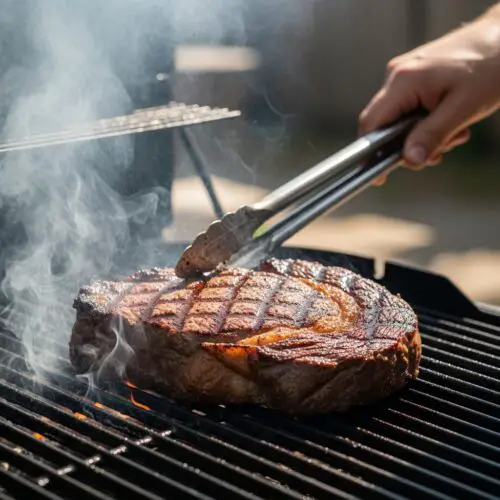
Preparing the Grill for High Heat
First up, you need to preheat your grill. Aim for a temperature between 500-600°F (260-315°C). This high heat is essential for a great sear.
- Open the vents: Make sure to adjust the bottom and top vents. More airflow means higher temperatures.
- Close the lid: Let the grill heat up for about 15-20 minutes. You’ll know it’s ready when the grates are hot.
Choosing the Right Charcoal
Not all charcoals are created equal. For that perfect ribeye, choose high-quality lump charcoal. It burns hotter and cleaner.
- Fill the firebox: Add an even layer of charcoal.
- Use a fire starter: This helps ignite the charcoal evenly.
Let the charcoal burn until it’s covered with a thin layer of ash. This indicates it’s ready for cooking.
Table of Contents
Adjusting Vents for Optimal Temperature
Controlling the temperature is crucial. You want a steady heat for even cooking.
- Open the top vent: This allows heat to escape and helps regulate temperature.
- Monitor the bottom vent: Adjust it to either increase or decrease airflow.
A good rule of thumb: If you want to raise the temperature, open the bottom vent more. If it gets too hot, close it slightly.
Quick Checklist for Setup
- Preheat to 500-600°F.
- Use high-quality lump charcoal.
- Adjust vents for airflow and temperature control.
- Wait for the charcoal to ash over.
By following these steps, you’re setting yourself up for ribeye success on your Big Green Egg or Kamado Joe. Happy grilling!
If you’re looking for a great charcoal grill option, check out the Weber 7416 Original Kettle Premium 22 Inch Charcoal Grill.
Selecting and Preparing the Ribeye Steak
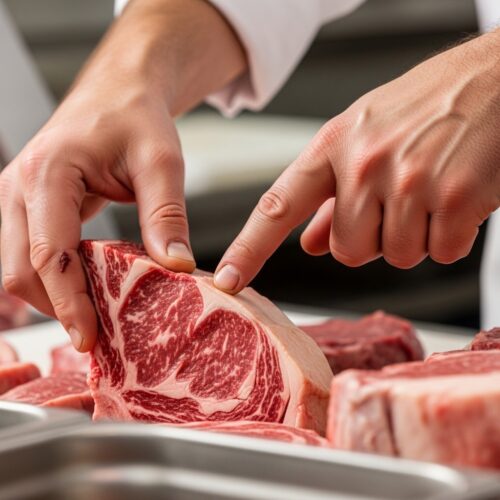
Choosing the right ribeye steak and seasoning it properly can make all the difference. Let’s explore the best cuts, seasoning options, and preparation methods to amp up the flavor of your ribeye on the Big Green Egg or Kamado Joe.
Choosing the Best Cut of Ribeye
When selecting ribeye, aim for cuts with good marbling. The fat adds flavor and juiciness. Here are some top choices:
- Bone-In Ribeye: Offers extra flavor from the bone.
- Ribeye Cap: The most tender and flavorful part, perfect for grilling.
- Choice Ribeye: A good balance of quality and price, with plenty of marbling.
Recommended Seasoning Techniques
Seasoning is key to elevating your ribeye steak. Here are some popular methods:
- Salt and Pepper: Keep it simple. A generous sprinkle of kosher salt and cracked black pepper enhances the natural flavor.
- Marinades: A mix of olive oil, garlic, and herbs can infuse great taste. Let it marinate for at least an hour.
- Rubs: Try a dry rub with paprika, garlic powder, and brown sugar for a sweet and smoky kick.
Flavor Profile Comparison
| Seasoning Method | Flavor Profile |
|---|---|
| Salt & Pepper | Simple, enhances natural flavor |
| Marinades | Rich, aromatic, adds moisture |
| Dry Rubs | Sweet, smoky, spicy kick |
Preparing the Steak for Cooking
Preparation sets the stage for a perfect cook. Here’s how to get your ribeye ready:
1. Bring to Room Temperature: Let the steak sit out for about 30 minutes before cooking. This helps it cook evenly.
2. Pat Dry: Use paper towels to remove excess moisture. A dry steak will sear better.
3. Season Generously: Apply your chosen seasoning right before grilling for the best flavor.
By following these steps, you’ll be well on your way to grilling the perfect ribeye steak on your Big Green Egg or Kamado Joe. Happy grilling!
Cooking the Perfect Ribeye Steak
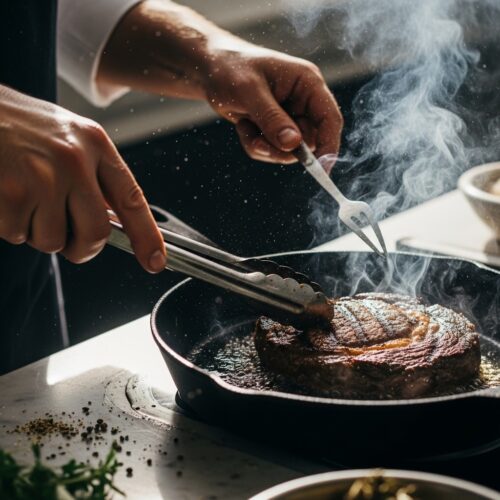
Getting the cooking techniques right is key to achieving that delicious ribeye steak on your Big Green Egg or Kamado Joe. Let’s dive into the essential methods and tips for perfect doneness.
Direct Heat Cooking Techniques
Direct heat is the way to go for steak. It gives you that beautiful sear and locks in flavor. Here’s how to do it right:
1. Preheat Your Grill: Aim for a temperature around 500°F (260°C) for a perfect sear.
2. Position the Steak: Place your ribeye diagonally across the grill grates at a 45-degree angle. This helps you achieve those stunning crosshatch grill marks.
3. Cook Time: Grill for about 2-3 minutes before flipping. This will give you that nice crust.
Monitoring Internal Temperature
Knowing the internal temperature is crucial for steak perfection. Use a meat thermometer to ensure accuracy. Here’s a simple guide for doneness:
- Rare: 120°F (49°C)
- Medium Rare: 130°F (54°C)
- Medium: 140°F (60°C)
- Medium Well: 150°F (66°C)
- Well Done: 160°F (71°C)
Flipping and Resting the Steak
Flipping your steak correctly is just as important as cooking it. Follow these steps:
1. Use Tongs: Never press down on the steak with a fork—this releases juices.
2. Flip at the Right Time: Wait until you see juices pooling on the top before flipping.
3. Rest the Steak: After grilling, let it rest for 5-10 minutes. This helps redistribute the juices.
The 3-3-3-3 Rule
Want to nail that perfect doneness? Try the 3-3-3-3 rule:
- 3 Minutes on Side One: Sear for 3 minutes.
- 3 Minutes on Side Two: Flip and sear for another 3 minutes.
- 3 Minutes Resting: Rest after cooking.
- 3 Degrees of Temperature: Aim for the desired temperature, adjusting for carryover cooking.
Using this rule helps ensure a juicy, flavorful ribeye every time. Happy grilling!
P.S. If you’re looking for a great grill, check out the Weber 7416 Original Kettle Premium 22 Inch Charcoal Grill for consistent results.
Common Mistakes and How to Avoid Them
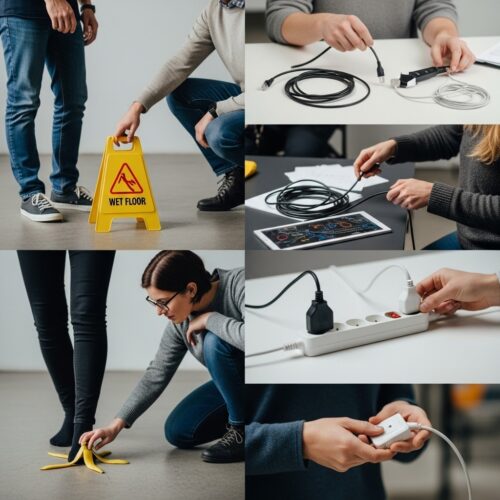
Cooking the perfect ribeye steak can be tricky. Here are some common mistakes and how to steer clear of them.
Overcooking and How to Prevent It
Overcooking is the nemesis of a juicy ribeye. Keep an eye on the internal temperature. Aim for about 130°F for medium-rare. Use a meat thermometer for accuracy. Remember, the steak will continue to cook as it rests.
Quick Tips:
- Use the 3-3-3-3 rule for timing.
- Check the steak’s temperature with a probe thermometer.
- Trust your instincts but verify with tools.
Mistakes in Grill Setup
Your grill setup can make or break your steak. Start with a clean grill. Preheat the Big Green Egg or Kamado Joe properly. A well-heated grill sears the meat perfectly, locking in those juices.
Setup Checklist:
- Clean grates.
- Use lump charcoal for higher heat.
- Preheat for at least 15-20 minutes.
Tips for Maintaining Moisture
Dry steak is a sad steak. To keep your ribeye moist, don’t skip the seasoning. Salt helps draw out moisture initially but then enhances flavor as it cooks.
Moisture Maintenance Tips:
- Use a marinade or rub before grilling.
- Avoid flipping the steak too often; let it sear.
- Consider a basting technique with butter and herbs during the cook.
By watching for these common pitfalls, you can enjoy a perfectly cooked ribeye every time. Happy grilling!
Big Green Egg vs. Kamado Joe: Which is Better for Ribeye?
When it comes to grilling the perfect ribeye steak, the Big Green Egg and Kamado Joe are two heavyweights in the game. Let’s break down how they stack up against each other.
Performance Comparison
Both grills excel in heat retention. However, there are some differences worth noting:
- Big Green Egg: Known for its superior insulation, it holds temperature exceptionally well. This is great for searing and maintaining even cooking.
- Kamado Joe: Offers a similar performance but tends to heat up slightly faster. It also has a unique divide-and-conquer cooking system that allows for versatile cooking setups.
Flavor Outcomes
Flavor is key when grilling ribeye:
- Big Green Egg: The ceramic construction enhances smoke flavor, especially if you add wood chips like mesquite. This can intensify that rich, beefy taste.
- Kamado Joe: Also delivers great flavor, but its slightly larger cooking surface can lead to more even heat distribution. This might be beneficial for those who like to grill multiple steaks at once.
User Experience and Community Support
User experience can play a big role in choosing the right grill:
- Big Green Egg: Has a vast community and tons of resources, including recipes and techniques. Users rave about how easy it is to achieve consistent results.
- Kamado Joe: Also has a strong community, but it’s growing rapidly. Many users appreciate its innovative features, like the air lift hinge and the slide-out ash drawer for easier cleanup.
Quick Comparison Summary
| Feature | Big Green Egg | Kamado Joe |
|---|---|---|
| Heat Retention | Excellent | Very Good |
| Heat-Up Time | Moderate | Faster |
| Flavor Intensity | Rich, enhanced smoke | Even heat, great flavor |
| Community Support | Extensive resources available | Rapidly growing community |
Both grills can cook an amazing ribeye steak. The choice comes down to personal preference and specific grilling needs.
Frequently Asked Questions
These quick answers cover the most common questions about this topic, including key details, practical tips, and common concerns.
What temperature do you cook a ribeye steak on the Big Green Egg?
For the perfect sear, preheat your Big Green Egg to between 500°F and 600°F (260°C – 315°C). This high heat allows for a good crust while locking in juices. Use the vents to control the airflow and maintain a steady temperature throughout the cooking process.
What is the 3 3 3 3 rule for steaks?
The 3-3-3-3 rule is a simple guideline for grilling steak:
- 3 minutes on one side for searing.
- Flip and cook for another 3 minutes.
- Rest the steak for 3 minutes before cutting.
- Aim for an internal temperature that matches your preferred doneness, typically around 130°F for medium-rare.
This method helps achieve consistent doneness and a flavorful crust.
Is ribeye good for cholesterol?
Ribeye steak is rich in saturated fats, which can raise cholesterol levels if consumed excessively. While it provides high-quality protein and nutrients like iron and zinc, moderation is key. Opt for leaner cuts or balance your diet with plenty of vegetables and whole grains.
How long to cook ribeye steak on a Kamado grill?
Cooking time varies based on thickness and desired doneness. Generally, a 1-inch thick ribeye takes about 4-5 minutes per side over high heat for medium-rare. Use a meat thermometer to check internal temperature and adjust cooking time accordingly.
What are common mistakes when grilling ribeye?
Common mistakes include overcooking, which dries out the steak, and under-seasoning, which can result in bland flavor. Other issues involve not preheating the grill properly, flipping too often, or using low-quality charcoal. Proper heat management and seasoning are essential for the best results.
What is the best way to season ribeye steak?
Keep seasoning simple with kosher salt and freshly cracked black pepper. For extra flavor, you can add garlic powder, paprika, or herbs. Season the steak generously just before grilling to enhance flavor and promote a good sear.
How long should I cook ribeye steak on a Kamado grill?
For a 1-inch thick ribeye cooked to medium-rare, about 4-5 minutes per side over high heat is typical. Thicker cuts may require longer. Always monitor internal temperature to ensure perfect doneness.
Can I use other types of grills for ribeye steak?
Yes, you can cook ribeye on gas grills, charcoal grills, or even indoor cast-iron pans. Each method offers different flavor profiles and control options. For the best results, aim for high heat and use a meat thermometer to check internal temperature.