
Attracting orioles to your backyard can be a rewarding experience. These vibrant birds are drawn to specific foods and feeders that mimic their natural habitat. This guide will provide effective strategies to attract orioles and introduce you to the five common types found in North America.
Understand the Migration Patterns of Orioles
Knowing when orioles migrate is key to attracting them. These beautiful birds make their journey north in the spring. Timing your efforts can significantly increase your chances of seeing them in your backyard.
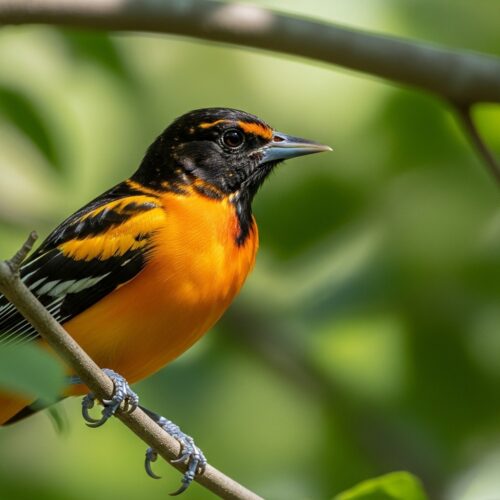
When do orioles migrate back north?
Most orioles, like the Baltimore and Bullock’s, start migrating back around late April to early May. Here’s a quick snapshot of their migration:
- Baltimore Orioles: Eastern U.S. to Central/South America.
- Bullock’s Orioles: Western U.S. to Mexico and Central America.
Male orioles generally arrive first, a few days ahead of the females. So, putting out your feeders early can help attract those eager males.
Peak months for oriole sightings and feeding
Once they arrive, peak feeding times happen during the warmer months. Here’s a simple timeline to follow:
Table of Contents
- Mid-April: Start setting out feeders.
- Late April to May: High activity as orioles are establishing territories.
- June to July: Nesting season; they’ll be feeding their young.
- August: Preparing for migration back south.
To make your backyard an appealing stop, offer fresh fruit and nectar. An Oriole Feeder with Nectar and Fruit Holder is great for this purpose. Check Price on Amazon.
Understanding these seasonal patterns will help you create an inviting environment for orioles.
Choose the Right Foods to Attract Orioles
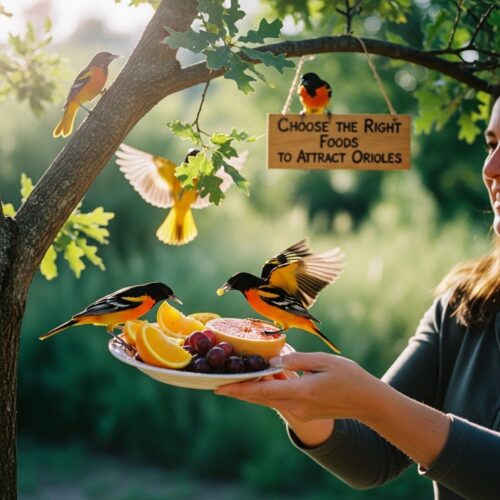
To attract orioles to your backyard, you need to offer the right foods. These colorful birds have specific tastes that lean towards fruits and sweet nectar. Let’s explore what they enjoy the most.
Top Fruits that Attract Orioles
Orioles have a sweet tooth, especially for fruits. Here’s a quick list of their favorites:
- Oranges: Cut in half and put them on a feeder or tree branch.
- Grapes: Halved or whole, they’re a juicy treat.
- Berries: Strawberries and raspberries work well.
- Melon: Cantaloupe and watermelon are great options.
- Bananas: Sliced bananas can bring them in too.
These fruits mimic their natural diet and provide vital energy.
How to Prepare Oriole-Friendly Nectar
While orioles love fruits, they also enjoy nectar. You can make homemade nectar easily:
1. Ingredients: Mix 1 part sugar to 4 parts water.
2. Heat: Boil the mixture until the sugar dissolves.
3. Cool: Let it cool before filling your feeder.
Make sure to clean your feeder regularly to prevent mold.
Why Grape Jelly is a Favorite Treat
Grape jelly is a superstar in the oriole diet. It’s sweet, and the sugar content is high, giving them a quick energy boost. Here’s how to serve it:
- Use a shallow dish: This prevents drowning.
- Combine with fruits: Offer jelly alongside fruit for variety.
- Watch for waste: Change it daily to keep it fresh.
By providing these food options, you’ll create a welcoming environment for orioles. An Oriole Feeder with Nectar and Fruit Holder is perfect for displaying these treats. Check Price on Amazon.
Set Up Oriole Feeders Effectively
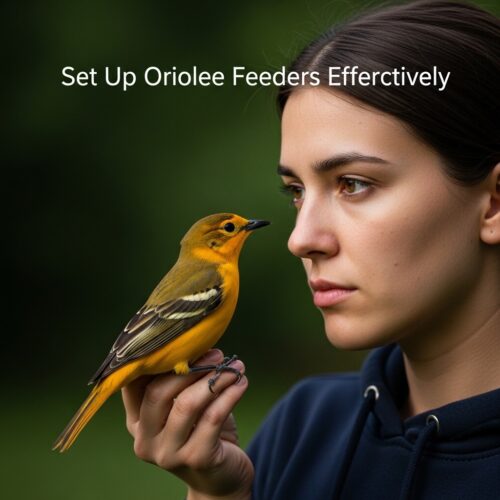
Setting up the right feeders is key to attracting orioles. These vibrant birds have specific needs, and choosing the right feeder can make all the difference. Let’s dive into the best feeders, where to place them, and how to keep everything clean and appealing.
Types of Feeders That Work Best for Orioles
Orioles are picky eaters, so they need feeders designed just for them. Here are the types that work best:
- Nectar Feeders: Look for feeders with larger ports, specifically made for orioles. They love sugar water, so make sure it holds enough nectar.
- Fruit Feeders: These can be simple. Just cut an orange in half and secure it in the feeder. Orioles adore fresh fruit!
- Jelly Feeders: Many orioles have a sweet tooth for grape jelly. Get a feeder that has a dish or compartment for jelly.
- Multi-purpose Feeders: These feeders often combine nectar, fruit, and jelly options. They’re perfect for offering variety.
Best Locations for Placing Feeders
Placement matters. Here are some tips to optimize your feeder setup:
- Near Trees: Orioles like to perch in trees. Place feeders close to branches for easy access.
- Sunlight: Position feeders in a sunny spot. Orioles are attracted to bright colors and warm environments.
- Visibility: Make sure feeders are visible from your home. This way, you can enjoy watching them!
- Away from Predators: Keep feeders away from areas where cats or other predators can hide.
Maintaining Hygiene in Feeders
Keeping feeders clean is crucial for the health of your feathered friends. Here’s a quick checklist:
- Clean Regularly: Wash feeders every few days to prevent mold and bacteria.
- Change Food Often: Replace nectar and jelly every few days, especially in warm weather.
- Inspect for Damage: Check feeders for cracks or wear. A damaged feeder can deter birds.
- Use Natural Cleaners: If you need to scrub, use a mixture of vinegar and water. Avoid harsh chemicals.
By following these tips, you’ll create a welcoming space for orioles. An Oriole Feeder with Nectar and Fruit Holder is great for displaying these treats. Check Price on Amazon.
Offer Water Sources for Orioles
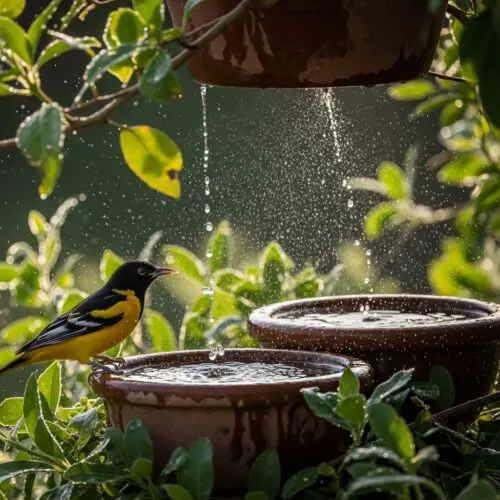
Providing water is essential for attracting orioles to your backyard. These colorful birds need water for drinking and bathing. A good water source will enhance your yard’s appeal and keep orioles coming back.
Types of Water Sources That Attract Orioles
1. Birdbaths: A classic choice. Choose a shallow birdbath. Orioles prefer water they can easily access. Adding small stones or pebbles helps them perch while they drink or bathe.
2. Moving Water: Orioles love the sound and sight of moving water. Consider adding a bubbler or a water wiggler to your birdbath. This creates a lively atmosphere that attracts more birds.
3. Natural Water Sources: If you have a pond or stream nearby, you’re in luck! These natural sources can draw orioles in, especially during migration.
Maintaining a Clean Birdbath
Keeping your water sources clean is crucial. Dirty water can deter orioles and attract unwanted pests. Here’s how to maintain your birdbath:
- Clean Regularly: Rinse and scrub your birdbath every few days. Use a natural cleaner like vinegar and water to avoid harmful chemicals.
- Change Water Often: Refresh the water at least every few days, especially in hot weather. This keeps it inviting and ensures it’s safe for the birds.
- Inspect for Algae: Watch for algae buildup, especially in warmer months. Algae can make the water unappealing and unhealthy for orioles.
By offering clean, accessible water, you create a welcoming environment for orioles. This simple addition can significantly boost your chances of attracting these beautiful birds to your yard.
Plant Native Trees and Flowers for Orioles
Using native plants is a game changer when attracting orioles. These plants provide food, shelter, and a natural habitat for these beautiful birds. By creating a welcoming environment, you’ll see more orioles visiting your yard.
Best Native Plants to Attract Orioles
Here’s a list of native plants that orioles love. They offer fruits, nectar, and a place to nest.
- Serviceberry: Produces sweet berries in early summer. Orioles can feast on these and enjoy the shelter it provides.
- Mulberry: A favorite for many birds, including orioles. The dark berries are packed with nutrients.
- Flowering Dogwood: Offers beautiful flowers in spring and berries in fall. This tree also attracts insects, which are great for feeding their young.
- Trumpet Vine: Not only does it attract orioles with its vibrant orange flowers, but it also draws in hummingbirds!
- Blackberry and Raspberry Bushes: These thorny bushes are excellent for providing fruit and cover for nesting.
Creating an Oriole-Friendly Landscape
Designing your yard to attract orioles is all about the right plants and layout. Here are some tips:
- Mix Fruit Trees and Flowering Plants: Combine berry-producing trees with nectar-rich flowers to create a buffet for orioles.
- Avoid Pesticides: Pesticides can harm the insects that orioles need to feed their young. Go for natural pest control methods to keep the environment healthy.
- Plant in Clusters: Grouping together native plants can create a more appealing habitat. This setup makes it easier for orioles to find food and shelter.
By incorporating these native plants and design strategies, you’ll foster a vibrant ecosystem that not only attracts orioles but also supports local wildlife. This way, you’ll enjoy the sights and sounds of these colorful birds right in your backyard!
Identify the 5 Common Types of Orioles
Orioles are vibrant birds that bring color and music to your backyard. In the U.S., five species are commonly spotted. Each has its own unique traits and habits.
Overview of Baltimore Orioles
The Baltimore Oriole is one of the most recognizable species. They have bright orange and black plumage, making them stand out. Here are some key points about them:
- Habitat: Found mainly in the eastern U.S.
- Migration: They migrate to Central and South America for the winter.
- Diet: They enjoy fruits, especially oranges, and nectar from feeders.
Characteristics of Bullock’s Orioles
Next up is the Bullock’s Oriole. This bird is common in the western U.S. Its colors are slightly different from its Baltimore cousin:
- Appearance: Yellow-orange with black on the head and back.
- Nesting: They build their nests in trees, often near water sources.
- Diet: They also love fruits and nectar, similar to Baltimore Orioles.
Identifying Orchard Orioles and Others
Orchard Orioles have a more muted color scheme. They are less vibrant than the Baltimore and Bullock’s Orioles but still beautiful. Here’s what to know:
- Habitat: They can be found from central U.S. to the East Coast.
- Coloration: Males are bright yellow while females are more olive-brown.
- Behavior: They prefer open areas with scattered trees.
Quick Comparison of the Five Common Orioles
Here’s a handy comparison of the five types of orioles you might find:
| Oriole Type | Coloration | Habitat | Migration Pattern |
|---|---|---|---|
| Baltimore Oriole | Orange and black | Eastern U.S. | Migrates to Central/South America |
| Bullock’s Oriole | Yellow-orange and black | Western U.S. | Migrates to Mexico/Central America |
| Orchard Oriole | Yellow (male), olive (female) | Central U.S. to East Coast | Partially migratory |
| Hooded Oriole | Bright yellow and black | Southwestern U.S. | Some migrate, others stay put |
| Scott’s Oriole | Bright yellow | Southern U.S. | Mostly non-migratory |
Understanding these characteristics will help you identify which orioles visit your backyard. Plus, knowing their habits can guide how you attract them.
Timing Your Feeding Efforts
Getting the timing right is key to attracting orioles to your backyard. It’s all about knowing when they’re in your area and adjusting your feeding strategies accordingly.
Best times to set up feeders
Start by putting out your feeders in the spring. Orioles usually return around late April to early May, depending on your location. Here’s a quick timeline to help you:
- Late April: Set up your feeders. This is when the first orioles arrive.
- Mid-May: Peak migration time. Many orioles will be around, so make sure your feeders are full.
- Early Fall (September): Orioles begin to migrate south. Keep feeders out to catch any late stragglers.
Adjusting feeding strategies with the seasons
As the seasons change, so do the dietary needs of orioles. Here’s how to adjust:
- Spring: Focus on high-sugar foods like orange halves and grape jelly. They need energy after their long migration.
- Summer: Add high-protein options like mealworms to their diet. This helps them feed their young.
- Fall: Return to sugar-rich foods as they prepare for migration, but be aware they may start to leave.
Tip: Keep an eye on your feeders. If the food is spoiling quickly in the sun, move them to a shadier spot. Oriels are visual feeders, so make sure your feeders are in an open area where they can easily spot them as they fly by.
Recognize Common Mistakes When Attracting Orioles
Attracting orioles can be tricky. Many bird watchers make common mistakes that can keep these beautiful birds away. Let’s dive into what to avoid.
Mistakes in Food Offerings
Choosing the right food is crucial. Here are some common errors:
- Forgetting Freshness: Spoiled food will send orioles packing. Always check your feeders and refresh the food regularly.
- Overlooking Variety: Orioles love a mix! Relying solely on one type of food can bore them. Offer oranges, grape jelly, and sugar water.
- Using the Wrong Sugar Ratio: If you’re making sugar water, the ratio is important. Use one part sugar to four parts water. Too much sugar can be harmful.
Feeder Placement Errors
Where you place your feeders matters. Avoid these pitfalls:
- Hiding Feeders: Orioles need to see feeders easily. If they’re tucked away, they might miss them entirely.
- Ignoring Safety: Position feeders away from predators. A safe space will encourage orioles to visit more often.
- Not Timing It Right: Put feeders out a couple of weeks before you expect orioles to arrive in your area. This way, they’ll find your setup as soon as they return from migration.
Quick Checklist to Avoid Mistakes
- Check food freshness daily.
- Offer a variety of foods.
- Use the correct sugar water ratio.
- Place feeders in open, safe areas.
- Put feeders out early in the season.
By avoiding these common mistakes, you’ll create a welcoming environment for orioles in your backyard. Happy birdwatching!
Explore Alternatives to Jelly for Feeding Orioles
While grape jelly is a popular choice for attracting orioles, there are other tasty options that can be just as effective. Let’s dive into some alternatives that can keep your feathered friends happy and healthy.
What to Use Instead of Grape Jelly
1. Fresh Fruits
- Oranges: Cut them in half and place them on a platform feeder. Orioles love the juicy sweetness.
- Berries: Blueberries and strawberries can be a hit. They’re packed with nutrients and easy to eat.
- Apples: Slice them up for a crunchy treat.
2. Sugar Water
- Mix 6 parts water to 1 part white sugar.
- Use this solution in a hummingbird feeder. Orioles will sip from it during the warmer months.
3. Dried Mealworms
- These protein-packed snacks are great, especially during breeding season.
- Offer them in a tray to attract more orioles to your yard.
Comparing Jelly and Fruit Options
| Feeding Option | Pros | Cons |
|---|---|---|
| Grape Jelly | Easy to find, attracts orioles quickly | High sugar content, can be messy, potential stickiness |
| Fresh Fruits | Nutritious, natural, less mess | May spoil quickly, requires regular replacement |
| Sugar Water | Simple to make, provides energy | Needs frequent refilling, less appealing to some orioles |
| Dried Mealworms | High in protein, great for breeding | Some birds may not prefer it, can attract unwanted pests |
Switching things up can help you find what your local orioles enjoy the most. A mix of these options will keep your feeders busy and your orioles coming back for more!
Maintain Your Oriole Feeders Properly
Keeping your oriole feeders clean and stocked is essential for attracting these beautiful birds. Regular maintenance ensures they keep coming back for more delicious treats!
Cleaning and Refilling Schedules
To ensure your feeders are always ready for hungry orioles, follow these simple guidelines:
- Clean Feeders Weekly: Wash your feeders with hot, soapy water. Rinse thoroughly to remove any soap residue. Vinegar can be used for extra cleaning power. This helps prevent mold and bacteria.
- Refill Regularly: Check feeders every few days, especially during peak feeding times. In hot weather, sugar water can spoil quickly. Replace it every couple of days.
- Monitor Fruit: If you’re using fresh fruit, replace it daily. Moldy or spoiled fruit can deter orioles.
Seasonal Adjustments for Feeder Care
As the seasons change, so should your feeding strategies:
- Spring and Summer: This is peak oriole season. Stock up on sugar water and fresh fruit. Consider using orange halves and jelly to attract them.
- Fall Migration: Keep feeders filled as orioles prepare for migration. They’ll be looking for energy-rich food.
- Winter: Most orioles migrate south. If you live in a warmer area, keep feeders up but adjust food types. Offer high-energy foods like dried mealworms.
Pro Tips for Longevity
1. Choose the Right Feeder: Use orange oriole feeders with larger ports. This makes it easier for these birds to access food.
2. Watch for Pests: Ants and wasps can be a nuisance. Use ant moats or bee guards to keep them away from the feeders.
3. Location Matters: Hang feeders in a sheltered spot, away from wind and rain. This helps keep food dry and appealing.
By following these maintenance tips, you’ll create a welcoming environment for orioles and enjoy their stunning colors in your yard!
Final Thoughts on Attracting Orioles to Your Backyard
Attracting orioles is all about creating the right environment. With some effort, you can enjoy these vibrant birds in your own yard. Here’s how to make it happen.
Key Strategies for Success
1. Food Variety: Orioles love fruit, nectar, and insects. Offer a mix of orange slices, sugar water, and dried mealworms.
2. Feeder Placement: Hang feeders in sheltered spots. This keeps them dry and accessible.
3. Timing is Everything: Put feeders out in early spring, about two weeks before orioles typically arrive in your area. This way, you’ll be ready when they show up.
Understanding Nesting and Habitat
Orioles prefer open woodlands, parks, and gardens. They build their nests in trees, often hanging them from the end of branches. Make your yard a welcoming place by planting native trees and shrubs. This provides natural food sources and nesting materials.
Common Mistakes to Avoid
- Ignoring Pests: Ants and wasps can deter orioles. Use ant moats and bee guards to keep them at bay.
- Overlooking Timing: Don’t wait until you see orioles before putting out feeders. They need to find food right when they arrive.
- Neglecting Maintenance: Clean feeders regularly. Spoiled food can drive birds away.
By combining these strategies, you’ll create a holistic approach that attracts orioles. With patience and care, you can enjoy their beauty and songs all season long!
Frequently Asked Questions
These quick answers cover the most common questions about this topic, including key details, practical tips, and common concerns.
What month do you put out oriole feeders?
You should start putting out oriole feeders in late April to early May, depending on your region. Orioles typically arrive in North America during this time for spring migration. Setting up feeders a couple of weeks before their arrival helps attract them as soon as they return. Keep feeders available throughout the summer and early fall to support their feeding needs during nesting and migration periods.
Why put a potato in the bird feeder?
Actually, putting a potato in a bird feeder is not recommended. It’s a common misconception or old practice that potatoes can attract certain birds, but they are not a natural or healthy food source for orioles or other backyard birds. Instead, focus on offering fruits, nectar, and other natural foods that mimic their natural diet. Using appropriate foods ensures the health and safety of visiting birds.
What is the 5-7-9 rule for bird feeders?
The 5-7-9 rule is a guideline for maintaining bird feeders to prevent spoilage and pests. It suggests filling feeders with enough food to last 5 days for small feeders, 7 days for medium, and 9 days for large feeders. This helps keep food fresh and reduces waste. Regular cleaning and refilling are essential, especially during peak migration and breeding seasons when birds rely heavily on available food sources.
Why not feed grape jelly to orioles?
Feeding grape jelly to orioles is generally safe and popular because they love the sweetness. However, some birders avoid it because it can be messy and may spoil quickly in warm weather. Excess jelly can also attract unwanted pests like ants and wasps. It’s best to use jelly sparingly, change it frequently, and offer it alongside other foods like fresh fruit to provide a balanced diet.
Why should you use grape jelly for orioles?
Grape jelly is a favorite because it provides a quick energy boost through its high sugar content. It mimics the natural sweetness of ripe fruits that orioles seek in the wild. Offering jelly in a shallow dish or specialized feeder makes it easy for orioles to access. Including jelly in your feeding setup can significantly increase your chances of attracting these vibrant birds.
What are the best types of feeders for orioles?
The best feeders for orioles are those designed to hold nectar, fruit, and jelly. Look for feeders with large ports for nectar, compartments for sliced oranges, and shallow dishes for jelly. Multi-purpose feeders that combine these features are ideal. Place feeders in open, sunny spots near trees to make them more visible and accessible for orioles.
How do I maintain my oriole feeders?
Clean your feeders at least once a week with hot, soapy water or vinegar to prevent mold and bacteria. Refill with fresh nectar, fruit, or jelly regularly, especially during hot weather. Check for damage or wear and replace feeders as needed. Keep feeders in shaded areas to slow spoilage and protect birds from predators. Consistent maintenance encourages repeat visits from orioles.
Can I attract orioles without using feeders?
Yes. Orioles are naturally attracted to native trees and flowering plants that produce fruits and nectar. Planting native berry-producing trees like serviceberry or mulberry can draw orioles to your yard. Also, placing ripe fruits like oranges on branches or the ground can attract them without feeders. Creating a natural habitat with plenty of food sources encourages oriole visits.