
Choosing the right birdhouse hole size is crucial for attracting specific bird species to your backyard. The entrance hole’s diameter directly influences which birds will feel comfortable nesting inside, making it a vital aspect of birdhouse construction.
Understanding the Importance of Hole Size
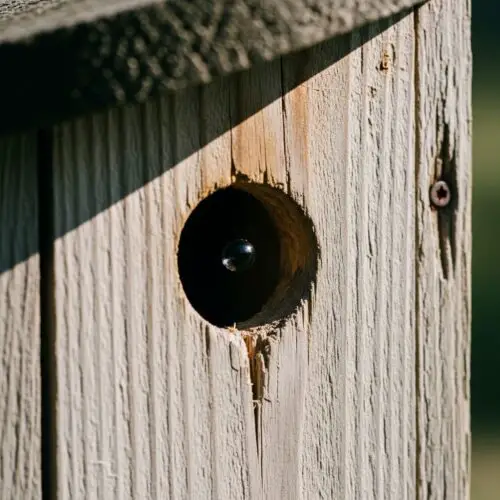
Choosing the right entrance hole size is not just a detail—it’s a game changer. The hole size affects which birds feel safe to enter and nest. It also plays a huge role in keeping out unwanted visitors.
Why Hole Size Affects Bird Attraction
Different bird species have unique preferences for entrance hole sizes. Here’s a quick look:
| Bird Species | Ideal Hole Size (inches) |
|---|---|
| Bluebird | 1.5 |
| Wren | 1 to 1.125 |
| Chickadee | 1.125 |
| Finch | 1¼ to 1⅜ |
A smaller hole keeps larger birds and predators at bay. For example, a bluebird prefers a 1.5-inch hole to feel secure from threats. If the hole is too big, other species might take over the nest.
The Risks of Incorrect Hole Size
Using the wrong hole size can lead to problems. Here are a few risks:
Table of Contents
- Predator Access: A hole that’s too large invites unwanted guests like snakes or other birds.
- Nest Failure: If the hole is too small, birds may get stuck or struggle to enter, leading to abandoned nests.
- Species Misplacement: You might attract unwanted birds instead of your favorites.
As a rule of thumb, always consider the bird species you want to attract. If you’re unsure, a birdhouse building kit can help you get the dimensions just right. Check Price on Amazon.
Choosing the perfect hole size is essential for a successful birdhouse. It ensures safety for nesting birds and helps keep predators away.
Recommended Hole Sizes for Common Bird Species
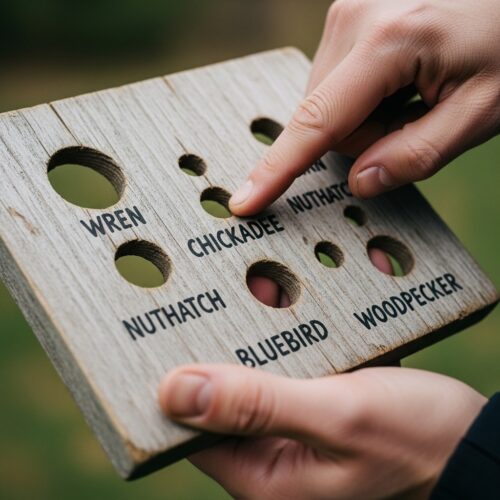
Choosing the right hole size for your birdhouse is crucial to attract your favorite feathered friends. Each bird species has specific preferences that can make or break your chances of successful nesting.
Chart of Birdhouse Hole Sizes by Species
Here’s a handy chart that outlines the recommended hole sizes for some common bird species:
| Bird Species | Recommended Hole Size (inches) | Notes |
|---|---|---|
| Bluebird | 1.5 | Provides security while keeping predators out. |
| Wren | 1 – 1.125 | Ideal for various wren species. |
| Chickadee | 1.125 | Keeps larger birds away. |
| Finch | 1.25 – 1.375 | Attracts multiple finch species. |
| Cardinal | N/A | Prefer open areas, not traditional birdhouses. |
How to Choose Your Target Species
When selecting which birds to attract, consider your local habitat. Here are some tips:
- Assess Your Area: Look around your yard. Are there specific birds you see often? This can guide your hole size choice.
- Know the Competition: If you have larger birds in the area, opt for smaller hole sizes to keep them out.
- Experiment: Don’t hesitate to try different sizes. Placing multiple birdhouses with varying hole sizes can create a thriving bird community.
Choosing the right birdhouse hole size can significantly impact your success in attracting the birds you love. If you’re unsure about dimensions, a birdhouse building kit can help you get it just right. Check Price on Amazon.
Key Materials for Building a Birdhouse
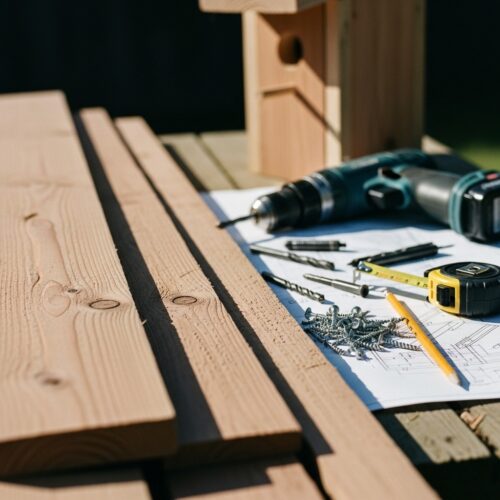
Choosing the right materials is crucial for building a safe and durable birdhouse. The materials you select will affect the longevity and comfort of the home you create for your feathered friends.
Best Woods for Birdhouses
When it comes to wood, not all options are created equal. Here are some top choices:
- Cedar: This wood is naturally resistant to rot and insects. It also blends well into natural settings.
- Pine: Affordable and lightweight, pine is a good option, but make sure it’s untreated. It can warp if exposed to moisture.
- Plywood: While a bit heavier, exterior-grade plywood provides good durability. Just ensure it’s free of toxic adhesives.
Comparison of Wood Types:
| Wood Type | Durability | Cost | Weather Resistance |
|---|---|---|---|
| Cedar | High | Medium | Excellent |
| Pine | Medium | Low | Moderate |
| Plywood | Medium | Medium | Good |
Avoiding Toxic Materials
Not all materials are safe for birds. Be cautious with:
- Pressure-treated wood: It often contains chemicals that can be harmful to birds.
- Paints and stains: If you choose to finish your birdhouse, use non-toxic options. Natural oils can be a safer alternative.
- MDF or particleboard: These materials can release harmful fumes and are not suitable for outdoor use.
Example of Safe Birdhouse Building
Imagine you’re building a birdhouse for wrens. Use untreated cedar for the walls and a small, 1.25-inch hole for the entrance. This combo offers both durability and a welcoming space for your little visitors. Plus, you can find a handy Birdhouse Building Kit to help you get started! Check Price on Amazon.
Predator Prevention Strategies
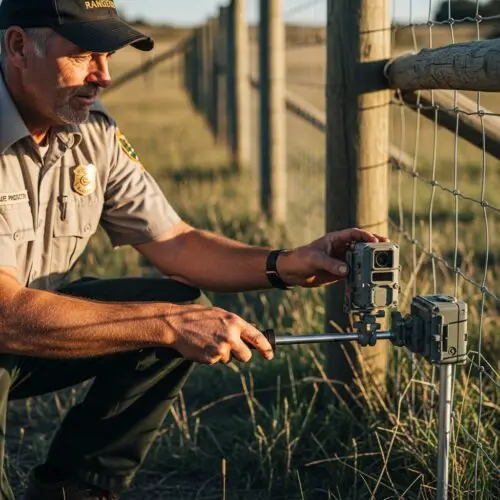
Keeping unwanted predators out of your birdhouse is crucial for the safety of your feathered friends. A well-sized entrance hole is only part of the solution. Here are some effective strategies to protect your birdhouse.
Using Metal Hole Guards
Metal hole guards are a great way to reinforce the entrance of your birdhouse. They add durability and deter larger predators. Here’s how to install them:
1. Choose the Right Size: Select a guard that fits snugly around the hole. It should extend about an inch around the entrance.
2. Secure with Screws: Use stainless steel screws to attach the guard. This prevents rust and ensures it stays in place.
3. Check Regularly: Inspect the guard periodically for wear and tear. Replace if necessary.
Choosing the Right Height and Location
Where you place your birdhouse makes a big difference in predator prevention. Here are some tips to keep in mind:
- Height Matters: Position your birdhouse at least 5 to 10 feet off the ground. This discourages climbing predators.
- Avoid Overhanging Branches: Trim back branches that might allow predators to leap onto the house.
- Use Baffles: Install predator baffles on the pole or tree where the birdhouse hangs. These barriers block access from raccoons and cats.
Quick Checklist for Predator Prevention
- [ ] Install metal hole guards.
- [ ] Position the birdhouse at least 5-10 feet high.
- [ ] Trim branches that overhang the birdhouse.
- [ ] Add predator baffles to poles or trees.
- [ ] Regularly inspect for signs of damage or wear.
By incorporating these strategies, you can create a safer environment for the birds in your care. Remember, the right hole size is just the beginning!
Common Mistakes When Building Birdhouses
Building a birdhouse can be a fun project, but it’s easy to make mistakes. Let’s look at some common errors and how to avoid them, especially regarding hole sizes.
Incorrect Hole Sizes
Choosing the wrong hole size is a frequent mistake. It can keep your feathered friends away or invite unwanted guests.
- Too Small: If the hole is too small, birds can’t enter. This is a surefire way to scare them off.
- Too Big: A larger hole might attract predators. This increases the risk for nesting birds.
Quick Checklist for Ideal Hole Sizes:
- Bluebirds: 1.5 inches
- Chickadees: 1.25 inches
- Wrens: 1 inch
- Cardinals: Open-front or 1.5 inches for enclosed types
Poor Ventilation and Drainage
Ventilation and drainage are critical, yet often overlooked. Without them, your birdhouse can become a sauna or a swimming pool.
- No Ventilation: This leads to overheating. Birds need fresh air, especially during the hot months.
- Lack of Drainage: Water pooling can cause mold and make the nest unhealthy.
Tips for Proper Ventilation and Drainage:
- Add small holes near the top for airflow.
- Include drainage holes at the bottom to let water escape.
- Ensure the roof has a slight overhang to protect from rain.
Common Construction Mistakes
Here are some construction mistakes to avoid that can impact bird attraction and safety.
- Using Wrong Materials: Avoid untreated wood. It can warp and decay quickly. Opt for cedar or pine for durability.
- Ignoring Placement: If the house is too low, it could be vulnerable to predators. Position it at least 5-10 feet off the ground.
- Neglecting Maintenance: Regularly check for wear. A damaged birdhouse won’t attract birds.
By avoiding these common pitfalls, you can create a birdhouse that’s safe and welcoming for your feathered friends.
Maintenance Tips for Your Birdhouse
Keeping your birdhouse in top shape is key to attracting and caring for your feathered friends. Regular maintenance ensures it stays a safe and inviting home. Here’s how to keep your birdhouse in great condition throughout the seasons.
Cleaning Your Birdhouse
Cleaning your birdhouse is crucial after each nesting season. Here’s what to do:
- Remove Old Nesting Material: Gently take out old nests. Birds prefer clean spaces for laying eggs.
- Scrub and Rinse: Use a mild soap and water solution to scrub the inside. Rinse well and let it dry completely.
- Inspect for Damage: Check for cracks or holes. Repair them promptly to keep predators out.
Seasonal Maintenance Checks
Different seasons call for different tasks. Here’s a helpful seasonal checklist:
| Season | Maintenance Task |
|---|---|
| Spring | Clean out the birdhouse before nesting. |
| Summer | Check for wear and tear, especially after storms. |
| Fall | Ensure ventilation holes are clear and check for any damage. |
| Winter | Seal any cracks to keep out cold drafts. |
Example Scenario
Imagine you have a bluebird house. In late winter, you clean it out and seal any cracks. By spring, it’s ready for new tenants. The bluebirds notice and happily move in. This simple act of maintenance can lead to successful nesting!
By following these maintenance tips, you’ll not only enhance the longevity of your birdhouse but also ensure it remains a cozy spot for birds to thrive.
Final Thoughts on Birdhouse Hole Sizes
Choosing the right hole size for your birdhouse is essential. It ensures birds can enter comfortably while keeping predators out. Let’s dive into some key points to remember.
Recap of Key Points
- Importance of Hole Size: The hole size determines which birds can nest in your birdhouse. A too-small hole can keep birds out, while a too-large hole invites unwanted guests.
- Species-Specific Recommendations:
- Wrens: 1 to 1.125 inches
- Chickadees: 1.125 inches
- Bluebirds: 1.5 inches
- Finches: 1¼ to 1⅜ inches
- Construction Considerations: Use durable materials and ensure your birdhouse has proper ventilation and drainage. This will help maintain a healthy environment for your feathered friends.
- Predator Protection: Make sure the entrance hole is appropriately sized to keep out larger birds and other predators.
- Common Mistakes: Avoid making the hole too big. This is a common error that can lead to nest disturbances.
Encouragement to Build
Building a birdhouse can be a rewarding experience. Each birdhouse you create is a step toward supporting local wildlife. Just remember to follow the guidelines for hole sizes specific to the birds you want to attract.
Consider this: If you build a bluebird house with the right 1.5-inch hole, you may find a family of bluebirds settling in before you know it.
So, grab your tools and start crafting! Share your successes and challenges with friends or online communities. Your experiences can inspire others to create their own bird-friendly spaces.
Frequently Asked Questions
These quick answers cover the most common questions about this topic, including key details, practical tips, and common concerns.
What is the most common hole size for a birdhouse?
The most common hole size for a birdhouse depends on the target species. For example, a 1.5-inch diameter hole is standard for bluebirds, while smaller holes around 1 inch attract wrens. Choosing the correct size helps attract the right birds and keeps predators out.
What are common birdhouse building mistakes?
Common mistakes include using an incorrect hole size, which can deter intended species or invite predators. Other issues are poor ventilation and drainage, using toxic materials, and placing the house too low or in unsafe locations. Proper design and placement are key to successful nesting.
What birds can fit in a 1 inch hole?
Birds that can fit through a 1-inch hole include wrens and some small chickadees. This size effectively attracts these small species while preventing larger birds and predators from entering. Always match the hole size to the specific bird species you want to attract.
Where not to put a birdhouse?
Avoid placing birdhouses in direct sunlight, low-lying areas prone to flooding, or near busy human activity. Also, don’t put them too close to feeders or in locations accessible to predators. Ideal spots are shaded, quiet, and at least 5-10 feet above ground.
How do I prevent predators from accessing my birdhouse?
Use predator guards like metal hole protectors and baffles on poles or trees. Position the house at least 5-10 feet high and away from overhanging branches. Regularly inspect the house for signs of intrusion or damage and replace worn guards or baffles as needed.
When should I build or install a birdhouse?
Build or install a birdhouse before the nesting season begins, typically in early spring. This ensures birds have a safe nesting site ready when they arrive. Regular maintenance and cleaning should be done after each breeding cycle to prepare for new occupants.
How do I clean my birdhouse?
Remove old nesting material carefully at the end of each breeding season. Use a mild soap and water to scrub the interior, then rinse and let it dry completely. Regular cleaning prevents disease and maintains a healthy environment for future nesting.
What materials are best for building birdhouses?
Untreated cedar and pine are ideal because they resist rot and insects. Avoid toxic paints, stains, or pressure-treated woods. Durable, natural materials help ensure your birdhouse lasts through seasons and provides a safe nesting environment.