
Fish odor in your car can be persistent and unpleasant, making every drive a challenge. Fortunately, there are effective strategies to eliminate this smell for good. Here are nine proven methods to help you get rid of that fishy scent in your vehicle quickly and efficiently.
Identify the Source of the Fish Smell
Finding out where that fishy smell is coming from is your first step to getting rid of it. A thorough inspection can save you time and effort later on. Let’s dive into the common sources and how to check for them.

Common Sources of Fish Smells in Vehicles
Fish odors can come from various places in your car. Here are some typical culprits to inspect:
- Carpets and Upholstery: Check for spills or residue. Fish juice can seep deep into fibers, causing lingering smells.
- Air Conditioning System: Sometimes moisture trapped in the A/C can lead to funky odors. If the system isn’t clean, it can easily trap fish scents.
- Trunk and Storage Areas: Look for leaky coolers, old fishing gear, or spoiled food items hidden away. You’d be surprised what can end up back there!
- Under Seats: Food items or wrappers often slip under seats and can decay, causing unpleasant smells.
- Ventilation Vents: Dust and grime can accumulate here, which could also be a source of odors.
How to Inspect Your Car Thoroughly
A systematic approach will help you locate the source of the smell. Here’s a quick checklist:
1. Visual Inspection: Look for any obvious spills, stains, or items that might be causing the odor.
Table of Contents
2. Smell Test: Use your nose! Move around the car to identify where the smell is strongest.
3. Check Under the Mats: Lift mats and check underneath for hidden spills or debris.
4. Inspect the Air Vents: Run the A/C and see if the smell intensifies. If it does, the issue might be within the system.
The Importance of Prompt Action
Once you identify the source, act fast. The longer the smell lingers, the harder it becomes to eliminate. Use the right cleaning methods immediately to tackle the odor. For example, using baking soda or vinegar can help neutralize the smell effectively. If you’re looking for a quick solution, consider using an Odor Eliminating Spray for Cars. This can provide instant relief while you work on deeper cleaning methods.
By pinpointing the source of the fish smell, you set yourself up for success in banishing it for good!
Immediate Actions for Quick Relief

Dealing with a fish smell in your car can be a challenge. But don’t worry! Quick actions can make a big difference. Let’s dive into what you can do right away.
Ventilation Techniques to Reduce Odors
Start by giving your car a good airing out. Open the windows and doors. Fresh air works wonders! Here are some quick tips:
- Roll down windows: Let the breeze in while you drive.
- Park in the sun: Heat can help evaporate odors. Just make sure not to leave anything vulnerable to direct sunlight.
- Use fans: If you have a portable fan, set it up inside to circulate air.
Removing Visible Sources Immediately
Next, tackle the obvious. Identify and remove any items that might be causing the smell. Here’s a quick checklist:
- Remove fish remnants: If you’ve left any fish or seafood in the car, get it out ASAP.
- Clean up spills: Blot any liquid spills with paper towels. Avoid rubbing; just dab gently.
- Dispose of packaging: Throw away any wrappers or containers that held fish.
What to Do with Contaminated Items
If you’ve transported fish or seafood, some items may need extra attention. Follow these steps:
- Wash coolers or containers: Use hot, soapy water to wash any containers that held fish. Rinse thoroughly.
- Remove upholstery: If possible, take out any removable car upholstery or mats for cleaning.
- Air out contaminated items: Let everything dry outside in the sun. Fresh air can help eliminate odors.
By acting quickly, you can significantly reduce that fishy smell and make your car more enjoyable. For a quick fix, consider using an Odor Eliminating Spray for Cars while you work on deeper cleaning methods!
Use Baking Soda for Odor Absorption
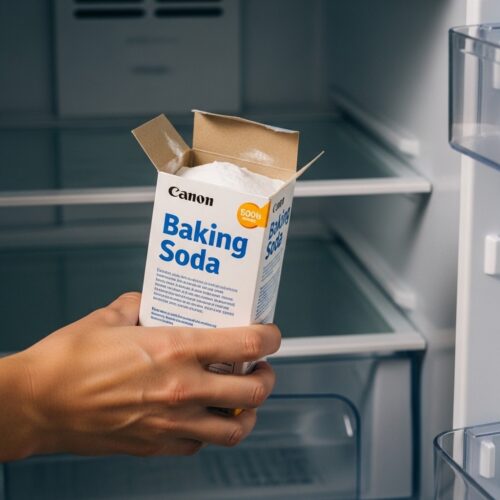
Baking soda is a powerful natural deodorizer. It’s budget-friendly and effective at absorbing those pesky fish smells from your car’s upholstery and carpets. Here’s how to put it to work.
How to Sprinkle and Let Sit
1. Choose your spots: Focus on areas where the fish smell is strongest, like seats and carpets.
2. Sprinkle generously: Use a fine-mesh strainer for even distribution. This ensures that the baking soda covers all the odor-causing particles.
3. Let it sit: Aim for at least 15-30 minutes, but if you can leave it overnight, even better! The longer it sits, the more odors it will absorb.
Vacuuming After Application
Once the waiting time is up, it’s time to vacuum:
- Use a good vacuum: Ensure your vacuum has a strong suction to pick up all the baking soda.
- Go over every area: Pay special attention to corners and crevices. Odors like to hide there!
- Repeat if necessary: For stubborn smells, you might need to repeat the process a couple of times.
Why Baking Soda is Effective
Baking soda works wonders because it neutralizes odors on a molecular level. Unlike air fresheners that just mask unpleasant smells, baking soda binds to the odor particles, effectively eliminating them. It’s also safe for various materials, making it a go-to for your car’s interior.
Quick Tips for Maximum Effectiveness
- Test first: If your upholstery is delicate, test on a small area to avoid damage.
- Combine methods: For a more thorough clean, pair baking soda with vinegar. Sprinkle baking soda, then lightly spray vinegar and let it fizz before vacuuming.
- User experiences: Many have found that leaving baking soda in their car for a few days can keep odors at bay. It’s a simple trick that goes a long way!
Using baking soda is a straightforward, effective way to tackle fish smells in your car. With a little patience, you’ll have a fresher ride in no time!
Vinegar Solutions for Neutralizing Smells
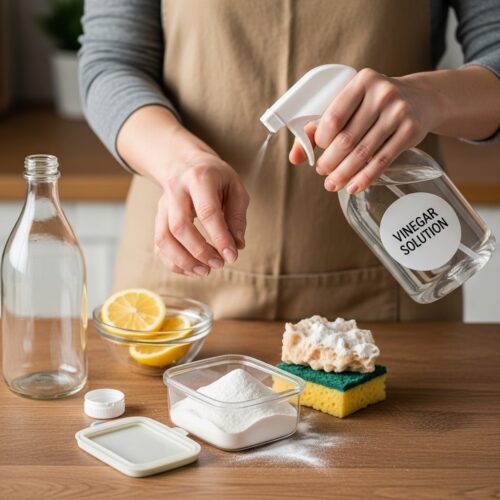
Vinegar is a powerhouse when it comes to fighting odors, especially fish smells. It’s affordable, natural, and easy to use. Here’s how you can prepare and apply a vinegar solution effectively.
Mixing Vinegar with Water
To create your vinegar solution, follow these simple steps:
1. Ingredients: Grab white vinegar and water. You can use a spray bottle for easy application.
2. Ratio: Mix equal parts of vinegar and water. For example, one cup of vinegar to one cup of water works well.
3. Optional Add-ins: If you want to enhance the cleaning power, consider adding a few drops of dish soap. This can help lift grime along with the odor.
Application Techniques for Effectiveness
Now that you’ve mixed your solution, it’s time to put it to work:
1. Wipe Down Surfaces: Use a clean cloth or sponge. Dip it in your vinegar solution and wipe down all surfaces in your car—seats, dashboard, and floor mats.
2. Focus on Problem Areas: Pay extra attention to spots where the fish smell is strongest. Areas like under the seats or in seat creases are often overlooked.
3. Ventilate: After cleaning, leave the windows open for a while. This helps the vinegar smell dissipate while allowing fresh air to circulate.
Safety Tips When Using Vinegar
While vinegar is generally safe, here are a few precautions:
- Test First: If your upholstery is delicate, test the solution on a small, hidden area to avoid any damage.
- Avoid Mixing: Don’t mix vinegar with bleach or ammonia. This can create harmful fumes.
- Keep Pets and Kids Away: While vinegar is non-toxic, it’s best to keep pets and young kids away during the cleaning process to avoid any accidents.
Using vinegar is a simple yet effective way to tackle those stubborn fish odors in your car. Give it a try, and you might be surprised by how fresh your ride can smell!
Utilize Activated Charcoal for Ongoing Odor Control
Activated charcoal is a fantastic natural solution for absorbing odors, including those stubborn fish smells in your car. Here’s how to effectively use it for ongoing odor control.
Where to Place Activated Charcoal in Your Car
To maximize its effectiveness, strategically place activated charcoal bags in your car. Here are some ideal spots:
- Under the front seats
- In the trunk
- In cup holders
- Near air vents
Using 2-3 bags in a standard sedan works well. For larger vehicles or particularly strong odors, consider adding more bags.
Duration for Optimal Results
Activated charcoal works over time, so patience is key. Here’s what you need to know:
- Initial Placement: Leave the bags in your car for at least 72 hours for the best results.
- Ongoing Use: Replace the charcoal bags every 3-4 weeks, or when they seem less effective.
- Recharging: To refresh them, place the bags in direct sunlight for a few hours. This helps them release trapped odors and extends their lifespan.
Comparing Charcoal with Other Methods
Activated charcoal is a gentle and chemical-free option. Here’s how it stacks up against other methods:
- Vinegar Solutions: Vinegar is great for immediate cleaning but may not provide long-term odor control.
- Commercial Odor Neutralizers: These can be effective but often contain strong chemicals. Charcoal is safer for sensitive individuals.
- Professional Cleaning: This is the most thorough method but can be costly and time-consuming.
For ongoing odor control, activated charcoal is a practical choice, especially when combined with other cleaning methods for deep cleaning and maintenance.
Deep Cleaning Upholstery and Carpets
If the fish smell in your car lingers despite your best efforts, it’s time for a deep clean. This section will guide you through effective methods tailored for different materials in your car.
Step-by-step Deep Cleaning Process
1. Gather Your Supplies: You’ll need a vacuum cleaner, steam cleaner, enzymatic cleaner, or a mild pH-neutral cleaner, depending on your upholstery type.
2. Vacuum Thoroughly: Start by vacuuming the seats and carpets to remove loose debris. Pay special attention to crevices where fish residues might hide.
3. Select the Right Cleaner:
- For fabric seats and carpets, use an enzymatic cleaner. This helps break down organic matter.
- For leather, opt for a mild pH-neutral cleaner to avoid damage.
4. Apply the Cleaner: Follow the instructions for your chosen cleaning solution. For enzymatic cleaners, let it sit for a while to work its magic.
5. Steam Clean: If you have a steam cleaner, go over the fabric thoroughly. Steam penetrates deep, killing bacteria and neutralizing odors.
6. Drying: After cleaning, leave the windows open or use fans to help dry everything quickly. Avoid moisture build-up to prevent mold.
Best Products for Different Materials
| Material | Recommended Product | Purpose |
|---|---|---|
| Fabric | Enzymatic Cleaner | Breaks down fish residue |
| Leather | pH-neutral Leather Cleaner | Cleans and conditions leather |
| Carpets | Carpet Shampoo | Deep clean and deodorize |
| General Use | Steam Cleaner | Kills bacteria and odors |
Common Mistakes to Avoid
- Skipping the Vacuuming Step: Always vacuum first! It preps surfaces for a more effective clean.
- Using the Wrong Cleaner: Make sure your cleaner is suitable for the material. Using the wrong product can cause damage.
- Not Allowing Enough Drying Time: Ensure everything is completely dry to prevent mold. This is crucial, especially in humid conditions.
By following these steps and avoiding common pitfalls, you’ll tackle that pesky fish smell effectively. Happy cleaning!
Cleaning the Air Conditioning System
Your car’s air conditioning system can trap odors, including that stubborn fish smell. Cleaning it properly is essential to ensuring a fresh ride. Here’s how to tackle it effectively.
Identifying Odors from the AC System
First, you need to recognize if the smell is coming from your AC. If you notice a fishy odor when you turn on the air, it could be due to bacteria or mold growth. This can happen when moisture builds up in the system.
Signs of odor issues include:
- A persistent fish smell when the AC is running.
- Foul odors that are stronger in humid weather.
- A strange smell when you first start the car.
Cleaning Methods for the AC Unit
To clean your air conditioning system, follow these steps:
1. Replace the Cabin Air Filter: This filter traps dust, pollen, and odors. A clogged filter can contribute to bad smells. Change it regularly, especially after transporting fish or other strong-smelling items.
2. Use an HVAC Odor Eliminator Spray: Look for a product specifically designed for car use. Spray it into the air intake and let it circulate through the vents. This helps eliminate any embedded smells.
3. Perform a Deep Clean:
- Turn on the AC and set it to the highest setting.
- Spray the odor eliminator directly into the vents.
- Let it run for about 10-15 minutes to ensure the product reaches all areas.
4. Consider Professional Cleaning: If the smell persists, it might be time to call in the pros. A professional can perform a thorough cleaning and check for any underlying issues.
When to Seek Professional Help
If you’ve tried the above methods and still smell fish, don’t hesitate to seek help. Professionals have specialized equipment and products that can effectively address tougher odors. Plus, they can inspect for any moisture buildup or mold in the system, ensuring a comprehensive clean.
Remember, keeping your AC system clean not only helps with odors but also improves air quality inside your car. Regular maintenance goes a long way in keeping those fishy smells at bay!
Consider Professional Cleaning Services
When DIY methods just don’t cut it, calling in the experts can save the day. Professional cleaning services can tackle stubborn fish smells with specialized tools and products. Here’s what you need to know to make the best choice.
Benefits of Hiring Professionals
- Deep Cleaning: Professionals use advanced equipment, like steam cleaners, to reach areas that regular cleaning might miss.
- Expertise: Trained detailers know how to identify and eliminate odors effectively, ensuring a thorough job.
- Time-Saving: Let the pros handle it while you focus on other things. A quick appointment can save you hours of scrubbing.
What to Look for in a Cleaning Service
Choose wisely when selecting a professional cleaning service. Keep these criteria in mind:
- Reputation: Look for reviews and testimonials. A highly rated service is often more reliable.
- Services Offered: Ensure they specialize in odor removal and deep cleaning. Ask if they have experience with fish smells specifically.
- Pricing Transparency: Get a clear estimate upfront. Avoid services that can’t provide a detailed breakdown of costs.
Cost Considerations for Professional Cleaning
Understanding costs can help you budget effectively. Here’s a quick breakdown:
- Basic Cleaning: $50 – $100 for a simple interior clean.
- Deep Cleaning: $100 – $300 for comprehensive odor removal and upholstery cleaning.
- Specialized Services: Expect higher prices for services involving steam cleaning or mold inspection.
Consider your options carefully. If the smell persists after your DIY attempts, investing in a professional cleaning may be worth it for a fresh-smelling car.
Preventing Future Fish Smells
Taking proactive steps can help prevent fish odors from returning. Here are some best practices for maintaining a fresh-smelling car.
Regular Cleaning Routines to Adopt
Keeping your car clean is key to avoiding lingering odors. Here’s a simple checklist to follow:
- Vacuum Regularly: Make it a habit to vacuum your car interior at least once a month. Focus on seats and carpets.
- Wipe Down Surfaces: Use a damp cloth with mild detergent to clean dashboards and door panels.
- Deep Clean Periodically: Schedule a deep clean every few months. This includes shampooing carpets and upholstery.
Immediate Spill Response Strategies
If a spill occurs, act fast to minimize odors. Here’s what to do:
1. Blot, Don’t Rub: Use paper towels to blot the spill immediately. Rubbing can spread the mess.
2. Use a Suitable Cleaner: For fish spills, a mix of vinegar and water works wonders. Spray lightly and blot again.
3. Air It Out: Open windows to let fresh air in. This helps reduce moisture and odors.
Using Odor Absorbers in Your Car
Odor absorbers can be a game-changer. Here are some effective options:
- Baking Soda: Place an open container of baking soda under the seats. It absorbs odors over time.
- Activated Charcoal: This is another great absorber. Get small bags and tuck them away in corners.
- Essential Oils: A few drops of essential oil on cotton balls can add a pleasant scent. Just be cautious not to overdo it!
By following these strategies, you can keep your car smelling fresh and prevent those fishy odors from making a comeback.
Recap and Final Thoughts
Dealing with a fish smell in your car can be frustrating, but it’s totally fixable! Here’s a quick recap of the eight effective methods to help you tackle that odor head-on.
Quick recap of methods
1. Identify the Source: Find where the smell is coming from. It could be leftover food, spills, or even something stuck in the upholstery.
2. Deep Clean: Thoroughly vacuum your car’s carpets and seats. Use an upholstery cleaner if needed.
3. Baking Soda: Sprinkle baking soda on affected areas. Let it sit for a few hours before vacuuming it up.
4. Vinegar Solution: Mix equal parts of vinegar and water. Wipe down surfaces with this solution to neutralize odors.
5. Odor Neutralizers: Use commercial sprays designed for strong smells. Choose products safe for your car’s interior materials.
6. Activated Charcoal: Place bags of activated charcoal in your car. It absorbs odors over time.
7. Ventilation: Open windows and doors to air out your car. Fresh air can work wonders.
8. Professional Cleaning: If the smell persists, consider a deep clean by a professional. They have tools and techniques to reach deep-seated odors.
Final tips for maintaining a fresh car
- Regular Cleaning: Keep your car tidy. Regular vacuuming and cleaning can prevent odors from building up.
- Immediate Action: If you spill something, clean it up right away. The longer it sits, the more likely it will smell.
- Check for Hidden Sources: Sometimes, old food or trash can hide in hard-to-reach spots. Make sure to check your car thoroughly.
Encouragement to act promptly
Don’t wait for the smell to get worse. The sooner you start tackling that fishy odor, the easier it will be to eliminate it. Whether you go the DIY route or seek professional help, taking action now will keep your car smelling fresh and inviting!
Frequently Asked Questions
These quick answers cover the most common questions about this topic, including key details, practical tips, and common concerns.
What kills fish smell in cars?
The most effective methods include deep cleaning with enzymatic cleaners, using odor neutralizers, and applying natural absorbents like baking soda or activated charcoal. Ventilating the vehicle and addressing the source of the smell immediately also help. Combining these approaches ensures thorough odor removal.
How to make fishy smell go away fast?
For quick relief, open all windows and doors to air out the car. Use an odor-eliminating spray or vinegar solution to wipe down surfaces. Placing baking soda or activated charcoal in the vehicle can also absorb lingering odors rapidly. These steps can significantly reduce the fish smell within hours.
What do car detailers use to remove odors?
Professional detailers often use steam cleaning, ozone treatments, and specialized odor neutralizers. They may also apply enzyme-based cleaners to break down organic residues. These methods are more thorough than DIY solutions and effectively eliminate deep-seated odors like fish smells.
How long until fish smell goes away?
The duration depends on the severity of the odor and the cleaning methods used. Usually, it can take from a few hours to a few days. Proper airing out, combined with cleaning and odor absorption methods, accelerates the process. Persistent smells may require repeated treatments or professional cleaning.
Can I use air fresheners to mask the fish smell?
Yes, air fresheners can temporarily mask odors, but they don’t eliminate the source. Relying solely on air fresheners may only hide the smell, which can return. For lasting results, combine freshening with cleaning methods that neutralize or remove the odor.
What are the best natural remedies for fish odor?
Natural remedies include baking soda, white vinegar, activated charcoal, and essential oils. Baking soda absorbs odors, vinegar neutralizes smells chemically, and charcoal traps odor molecules. Essential oils like lemon or eucalyptus can add a fresh scent after cleaning.
How often should I clean my car to prevent odors?
Regular maintenance is key. Vacuum and wipe down interior surfaces at least once a month. Deep clean carpets and upholstery every 3-6 months. Promptly clean spills and remove trash to prevent odors from developing over time.
Is it safe to use vinegar on car upholstery?
Yes, diluted vinegar is safe for most fabric and some vinyl or plastic surfaces when used properly. Always test a small, hidden area first to ensure no discoloration or damage occurs. Avoid using vinegar on delicate leather without proper dilution and testing.
What should I know about detailed explanation of professional cleaning processes?
Professional cleaning involves deep steam cleaning, ozone treatments, and specialized odor neutralizers. These methods target hidden residues and bacteria that cause persistent smells. They also inspect and clean the ventilation system to ensure comprehensive odor removal.
What should readers know about specifics on odor neutralizer products and their effectiveness?
Effective odor neutralizers are designed to chemically or enzymatically break down odor molecules. Choose products labeled for automotive use and safe for interior materials. For best results, follow application instructions carefully and consider combining with physical cleaning for lasting freshness.