
Bats can quickly turn your porch into their roosting ground, but there are effective strategies to keep them at bay. This guide outlines 10 smart ways to deter bats from your porch, ensuring your outdoor space remains bat-free and enjoyable.
Understand Why Bats Are Attracted to Your Porch
Bats might seem spooky, but they’re just looking for a cozy spot to hang out. Understanding their motivations can help you keep them away from your porch.

Bats Seek Shelter and Safety
Bats love dark, sheltered places. Your porch, with its overhangs and nooks, provides the perfect hideaway. It shields them from predators and harsh weather. This makes it an ideal roosting spot for tired bats.
When thinking about bat deterrence, remember that making your porch less inviting is key. Here are some quick tips:
- Seal cracks and crevices: Bats can squeeze through tiny openings.
- Install smooth surfaces: Plexiglass on rough spots can deter bats from clinging.
- Remove potential nesting materials: Keep the area clean and tidy.
Food Sources Attract Bats
Bats are insectivores, meaning they thrive on bugs. If your porch is a buffet of flying insects, it’s likely to attract bats seeking a midnight snack. Lights can draw in insects, which in turn draws in bats.
Table of Contents
To reduce this attraction, consider these strategies:
- Use yellow LED lights: They attract fewer insects than standard white lights.
- Maintain your garden: Trim shrubs and remove standing water to minimize bug populations.
- Use bat repellent spray: Certain sprays can help keep bats at bay by masking scents and creating an unwelcoming environment. Check Price on Amazon.
The Role of Porch Lights
As mentioned, lights can be a double-edged sword. They not only attract insects but also provide a hunting ground for bats.
Consider adjusting your porch lighting:
- Limit light usage during peak insect activity: This usually occurs at dusk.
- Position lights away from roosting areas: Keep them far from spots where bats might settle.
By understanding bat behavior and their attraction to your porch, you can implement strategies to ensure your outdoor space remains bat-free.
1. Keep Your Porch Lights On

Using lights effectively can help keep bats away from your porch. Bright lights make your porch less cozy for these critters, discouraging them from roosting nearby.
Why Bats Dislike Bright Lights
Bats prefer dark, secluded areas where they can feel safe. By illuminating your porch, you create an unwelcoming environment. Here’s how bright lights can help:
- Disruption of Roosting: Bats are less likely to stay where there’s a lot of light.
- Insect Attraction: Bright lights attract insects, but they also make it harder for bats to hunt comfortably.
- Visibility: A well-lit area is easier for you to monitor for any bat activity.
Adjusting Light Color for Effectiveness
Not all lights are created equal. Certain colors can be more effective in deterring bats. Consider these options:
- Use White LED Lights: They are bright and can illuminate a wider area.
- Try Yellow or Amber Lights: These are less attractive to insects, reducing the food source for bats.
- Positioning Matters: Place lights away from areas where bats might roost, like under eaves or overhangs.
Practical Example
Imagine you have a porch that seems to attract bats every summer. You decide to install LED lights around the perimeter. Not only do you keep the lights on during peak bat hours, but you also switch to yellow bulbs. After a few weeks, you notice a significant decrease in bat activity. This simple adjustment made your porch less appealing!
Remember, combining lighting with other deterrent methods can maximize your success. And don’t forget to consider natural repellents like Bat Repellent Spray to enhance your efforts! Check Price on Amazon.
2. Seal Cracks and Openings
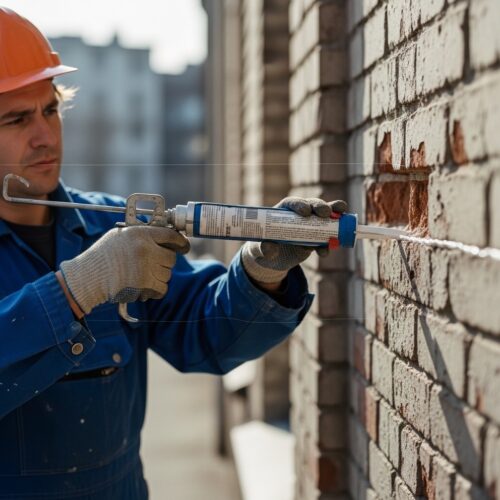
Bats are sneaky little creatures. They can squeeze through surprisingly small gaps. To keep them away from your porch, it’s crucial to seal any potential entry points around your home.
Common Entry Points for Bats
Bats often enter homes through tiny openings. Here are some common spots to check:
- Roof Gaps: Look for cracks or gaps in your roofline.
- Vents: Inspect attic vents and exhaust fans for openings.
- Eaves and Overhangs: These areas can provide perfect roosting spots.
- Windows and Doors: Ensure all screens are intact and fit snugly.
- Foundation Cracks: Check for gaps at the base of your home.
Best Materials for Sealing Gaps
Once you’ve identified the entry points, it’s time to seal them up. Here are some effective materials to use:
- Caulk: Great for small cracks and gaps.
- Mesh Screens: Use for vents and larger openings to allow airflow but block bats.
- Foam Insulation: Ideal for larger cracks; it expands to fill the space.
- Bat Nets: A good option to cover areas where bats might roost.
Checklist for Sealing Areas
1. Inspect your entire porch and surrounding areas.
2. Note any potential entry points.
3. Choose the appropriate sealing material.
4. Seal all identified gaps and cracks.
5. Double-check after heavy rains or storms for new openings.
By sealing entry points, you create a less inviting space for bats. Remember, even small gaps can let them in, so be thorough! For an added layer of protection, consider using natural repellents like Bat Repellent Spray to enhance your efforts! Check Price on Amazon.
3. Use Bat Repellent Sprays
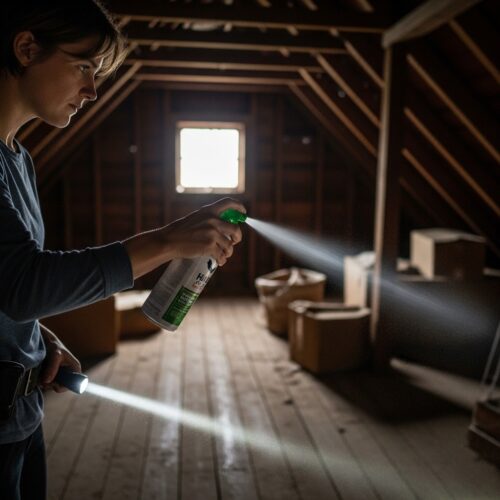
Bat repellent sprays can be a game changer when it comes to keeping bats away from your porch. They come in both natural and chemical varieties, each with its own pros and cons. Let’s explore what’s out there and how you can use these sprays effectively.
Natural vs. Chemical Repellents
1. Natural Repellents: These often include ingredients like peppermint and spearmint oils. Bats dislike the strong scents, making them an excellent choice for gentle deterrence. Plus, they’re safe for the environment and won’t harm plants around your porch.
2. Chemical Repellents: These sprays contain synthetic ingredients designed to repel bats. They can be more effective in some cases but might pose risks to other wildlife and plants. Always read labels and use them responsibly.
| Type | Ingredients | Effectiveness | Safety |
|---|---|---|---|
| Natural | Essential oils (peppermint, spearmint) | Moderate to High | Eco-friendly, safe for plants |
| Chemical | Synthetic compounds | High | Potentially harmful |
How to Apply Bat Repellent Effectively
- Identify Problem Areas: Look for spots where bats have been seen or have roosted before. This could be near eaves, under porches, or in dark corners.
- Spray Strategically: Apply the repellent around these areas. Focus on entry points and spots where bats tend to linger.
- Reapply Regularly: Natural repellents may need to be reapplied more frequently, especially after rain. Check your porch every few days and refresh as needed.
- Combine Methods: For the best results, use sprays alongside other deterrent methods like sealing entry points and installing bat houses.
Using bat repellent sprays can be a simple yet effective way to keep bats at bay. Remember, consistency is key! A little effort can save you from the hassle of unwanted guests.
4. Install Bat Houses Nearby
Providing bats with a cozy alternative can help keep them off your porch. By installing bat houses away from your living spaces, you can encourage them to roost somewhere else. Here’s how to do it right!
Choosing the Right Location for Bat Houses
When picking a spot for your bat houses, consider the following:
- Sun Exposure: Place the bat house in a sunny area. Bats prefer warm spots to roost.
- Height: Install the house at least 10-15 feet off the ground. This makes it less accessible to predators.
- Distance from Your Porch: Keep it at least 20-30 feet away from your porch to lure them away from your home.
DIY Bat House Construction Tips
Building your own bat house can be a fun project! Here’s a simple guide:
1. Materials Needed:
- Untreated wood (like cedar)
- Screws or nails
- Wood glue
- Paint or sealant (non-toxic)
2. Construction Steps:
- Cut the Wood: Make sure to have a back, front, two sides, and a roof. A typical size is about 24 inches tall and 14 inches wide.
- Create Chambers: Use a saw to create narrow chambers for bats to roost. They like tight spaces!
- Assemble: Put the pieces together using screws or nails. Seal any gaps to keep out rain.
- Finish: Paint or seal the outside with a non-toxic product. Avoid using anything that could harm the bats.
3. Installation:
- Mount the bat house securely on a pole or tree. Make sure it’s stable and safe from strong winds.
Real-Life Success Story
One homeowner in Texas installed a bat house about 25 feet from their porch. Within weeks, bats started roosting there instead! They enjoyed the benefits of natural pest control while keeping their porch bat-free. This simple change transformed their outdoor space.
By creating a welcoming environment for bats elsewhere, you can significantly reduce their presence on your porch. It’s a win-win for both you and these helpful creatures!
5. Eliminate Food Sources
Bats love to feast on insects, especially those buzzing around your porch. By cutting off their food supply, you can make your space a lot less inviting for these flying mammals. Here’s how to do it effectively.
Common Food Sources for Bats on Porches
Bats are attracted to areas where food is plentiful. Here are some common food sources to watch out for:
- Insects: Moths, beetles, and mosquitoes are top picks. Reducing these pests can deter bats.
- Fruits: If you have fruit trees, fallen fruit can attract bats. Keep your yard tidy.
- Standing Water: Puddles can attract insects, which in turn lure bats. Ensure proper drainage around your porch.
Best Practices for Insect Control
Controlling insects is key to keeping bats at bay. Here are some effective strategies:
- Keep it Clean: Regularly clean up any fallen fruit and debris. This reduces food sources for both bats and insects.
- Use Natural Repellents: Citronella candles or essential oils can deter mosquitoes and other pests. They create a less attractive environment for bats.
- Insect Traps: Set up traps to catch flying insects. This can help reduce their population near your porch.
- Lighting: Bright lights can deter insects from gathering. Consider installing motion-activated lights to keep pests away.
Implement these strategies, and you’ll create a less inviting area for bats. By tackling their food sources, you’ll enjoy a more bat-free porch in no time!
6. Use Ultrasonic Repellent Devices
Ultrasonic repellent devices are a clever way to keep bats at bay. They work by emitting high-frequency sounds that are inaudible to humans but can annoy bats. Let’s dive into how these devices operate and where you should place them for maximum impact.
How Ultrasonic Devices Work
These devices generate sound waves at frequencies that bats use for communication and navigation. When bats hear these sounds, they find the environment uncomfortable and are likely to move away.
- Frequency Range: Most ultrasonic devices operate between 20 kHz and 65 kHz.
- Inaudibility: The sounds are generally undetectable by human ears, making them a discreet option.
- Non-lethal: They don’t harm bats; they simply encourage them to find a new roosting spot.
Where to Place Ultrasonic Devices
For the best results, placement is key. Here’s where to set up your ultrasonic devices:
- Near Entry Points: Position them close to areas where bats are likely to enter your porch.
- Above Roosting Spots: Install them above places where you’ve seen bats hanging out.
- Outdoors: Use solar-powered versions for outdoor areas to ensure they’re always operational.
Quick Placement Checklist:
- [ ] Near entry points
- [ ] Above roosting areas
- [ ] Away from human activity zones
Effectiveness and Limitations
While many users report success, the effectiveness can vary. Here are some insights from real-life scenarios:
- Mixed Results: Some homeowners found them effective, while others noted that bats returned after a few weeks.
- Best for Small Problems: Ideal for minor bat issues rather than large infestations.
- Complementary Use: Combine with other methods, like sealing entry points, for better results.
Using ultrasonic repellent devices can be a smart part of your bat-deterrence strategy. Just remember, combining multiple techniques typically yields the best outcomes!
7. Contact Professional Pest Control
Sometimes, DIY methods just aren’t enough. If you’re facing a bat problem that’s getting out of hand, it might be time to call in the pros. Here’s when you should consider professional help.
Signs You Need Professional Help
Look for these signs that indicate it’s time to reach out to pest control experts:
- Frequent Sightings: If you see bats flying around your porch regularly, it’s a clear sign they’re roosting nearby.
- Persistent Noise: Sounds of squeaking or rustling at dusk or dawn can mean bats are nesting.
- Droppings: Finding bat droppings (guano) around your porch is a big red flag. It’s not just unsightly; it can pose health risks too.
- Health Concerns: If you or family members are experiencing respiratory issues or other health problems, bats could be the cause.
What to Expect from Pest Control Services
When you contact a pest control company, here’s what usually happens:
1. Assessment: They’ll evaluate your porch and surrounding area for signs of bats.
2. Humane Exclusion Techniques: Professionals often use one-way doors to let bats exit without letting them back in. This keeps them safe while solving your problem.
3. Sealing Entry Points: They’ll identify and seal any gaps or holes where bats might enter.
4. Follow-Up: Many companies will schedule a follow-up visit to ensure the bats are gone and haven’t returned.
Choosing the Right Pest Control Company
When you’re ready to hire a pest control service, keep these tips in mind:
- Look for Experience: Choose a company that specializes in bat removal. They’ll know the best practices.
- Check Reviews: Look for customer feedback about their humane methods and effectiveness.
- Ask About Techniques: Make sure they use humane exclusion methods. You want to keep bats safe while solving your problem.
- Get Estimates: Don’t hesitate to ask for quotes from multiple companies to find the best fit for your budget.
By knowing when to call in the experts and what to expect, you can tackle your bat problem effectively and humanely.
8. Create an Unpleasant Environment for Bats
Bats are creatures of habit, often drawn to cozy, dark spaces. By making your porch less inviting, you can effectively keep them away. Here are some smart ways to use scents and visual deterrents.
Natural scents that repel bats
Certain smells can make bats think twice about settling near your porch. Here are some natural repellents to consider:
- Lavender: This pleasant scent is known to deter bats. Placing lavender sachets around your porch can help keep them at bay.
- Ammonia: This strong smell can be off-putting to bats. However, use it cautiously. Make sure it’s out of reach and away from pets and children.
- Citrus: Bats dislike citrus scents. Use citrus peels or essential oils for a fresh aroma that keeps them away.
Visual deterrents to consider
Bats are not just sensitive to smells; they also react to visual cues. Here are some effective options:
- Reflective objects: Hang shiny objects like aluminum foil or old CDs. The light reflections can confuse and deter bats.
- Scare devices: Consider using fake owls or plastic hawks. These visual scare tactics can make bats think twice about roosting nearby.
- Motion lights: Installing lights that turn on with movement can create an unwelcoming environment. Bats prefer dark, quiet spots, so bright lights can drive them away.
Real-life scenario
One homeowner shared that after placing lavender sachets and hanging CDs around their porch, they saw a significant reduction in bat activity. The combination of scent and visual distractions made their outdoor space far less appealing to these flying creatures.
By utilizing these scents and visual deterrents, you can create an unwelcoming environment for bats on your porch.
9. Timing Is Key for Bat Exclusion
When it comes to keeping bats away, timing is everything. Knowing when to implement exclusion methods can make all the difference in preventing these winged visitors from roosting on your porch.
Seasonal Considerations for Bat Exclusion
Bats have specific behaviors tied to the seasons. Here’s a quick overview of the best times to act:
- Spring (Late April – May): Avoid exclusion during this time. Baby bats, or pups, are born and unable to fly. Excluding adult bats can trap pups inside, leading to their death.
- Summer (June – August): Bats are active and often roosting. This is not the ideal time for exclusion efforts.
- Fall (September – October): This is the best time to implement exclusion methods. Bats are preparing to migrate, making them easier to deter.
- Winter (November – March): Bats are less active. However, if you notice any signs of roosting, it’s a good idea to assess the situation.
Signs of Active Bat Roosting
Identifying bat activity is crucial for effective exclusion. Look for these signs:
- Guano: Bat droppings are a clear indicator. They often accumulate under roosting spots.
- Squeaking Sounds: Listen for high-pitched squeaks during evening hours when bats are active.
- Visual Sightings: Spotting bats flying around your porch at dusk or dawn is a strong sign they are roosting nearby.
By being mindful of these seasonal patterns and signs, you can effectively plan your exclusion strategy. Keeping bats away is all about timing and observation!
10. Avoid Common Mistakes in Bat Exclusion
Keeping bats away from your porch sounds simple, but it’s easy to make mistakes. Let’s dive into some common pitfalls and best practices to ensure your efforts are effective.
Typical Mistakes Homeowners Make
1. Ignoring Seasonal Timing: Trying to exclude bats during their birthing season (late spring to early summer) can backfire. Young bats can’t fly, and excluding them can lead to tragic outcomes. Always check local wildlife regulations.
2. Neglecting Cleanliness: A cluttered porch can attract bats. Leaving food scraps or open trash invites them in. Keep your space tidy and free from potential food sources.
3. Using Harmful Repellents: Some homeowners use chemicals that can harm bats and the environment. Stick to humane methods like natural repellents, which are safe for both bats and your family.
4. Sealing Entry Points Prematurely: If you seal up potential entry points too early, you might trap bats inside. Always ensure they’ve left before making any permanent changes.
Best Practices for Effective Exclusion
1. Install Bat Houses: Giving bats a designated home away from your porch can keep them from roosting where you don’t want them. It’s a win-win!
2. Use Ultrasonic Devices: These devices emit sound waves that deter bats without harming them. They’re a great addition to your exclusion strategy.
3. Regular Maintenance: Keep your porch in good shape. Regularly inspect for new entry points and make sure your deterrents are functioning.
4. Consult Professionals: If bats are a recurring issue, consider hiring pest control experts. They can provide tailored solutions for your specific situation.
By avoiding these common blunders and applying best practices, you can effectively keep bats away from your porch.
Frequently Asked Questions
These quick answers cover the most common questions about this topic, including key details, practical tips, and common concerns.
What can I put on my porch to keep bats away?
You can use natural repellents like peppermint or citrus scents, which bats dislike. Installing bright, motion-activated lights and reflective objects such as aluminum foil or old CDs can also deter them. Additionally, ultrasonic devices emitting high-frequency sounds are designed to discourage bats from roosting nearby.
What draws out bats?
Bats are attracted to areas with abundant food sources like insects, especially near porch lights that attract bugs. Dark, sheltered spots that provide safety and warmth also lure bats to roost. Presence of roosting sites, such as eaves or overhangs, further encourages their attraction.
What do bats hate most?
Bats dislike strong scents such as peppermint, citrus, or ammonia. They also avoid bright lights, reflective surfaces, and loud or high-frequency sounds like those from ultrasonic deterrents. These cues signal an unsafe or uncomfortable environment for them.
What is the number one killer of bats?
The primary threats to bat populations are habitat loss, disease (notably white-nose syndrome), and human-related issues like culling or accidental harm. Pesticide use and environmental changes also significantly impact their survival.
How can I safely remove bats from my porch?
Use humane exclusion methods, such as installing one-way doors that let bats exit but prevent re-entry. Seal all potential entry points after bats have left. It’s best to perform exclusion during late summer or fall when pups can fly, and always follow local wildlife laws.
Are there any natural repellents for bats?
Yes, natural repellents include essential oils like peppermint, citronella, and citrus peels. These scents create an environment bats find unpleasant. Regular application around problem areas can help keep bats away without harming them.
When is the best time to exclude bats?
The ideal time is late summer to early fall, after pups have fledged but before they migrate. Avoid excluding during spring or early summer, as this can trap young bats inside, which is harmful and often illegal.
Is it legal to remove bats from my property?
Laws vary by location, but in many areas, bats are protected species due to their ecological importance. It’s important to check local regulations before attempting removal. Humane exclusion methods are generally permitted and encouraged over killing or harming bats.