
If you’re struggling with mourning doves monopolizing your bird feeders, you’re not alone. These beautiful but persistent birds can disrupt your backyard birdwatching experience. Fortunately, there are effective strategies to deter them and keep your feeders filled with the birds you really want to attract.
Understand Mourning Dove Behavior
Mourning doves are fascinating birds with specific habits that make them drawn to your feeders. Understanding their behavior is the first step in keeping them at bay.
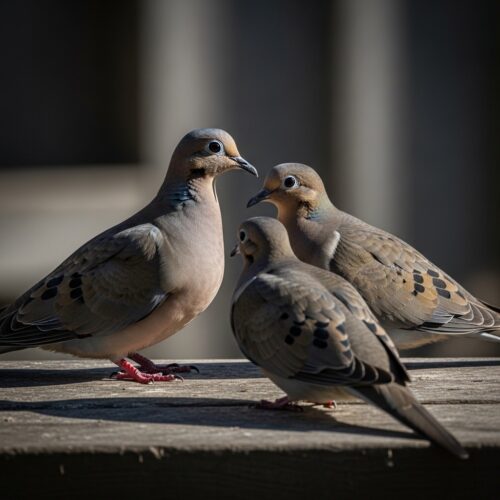
Mourning Doves: Characteristics and Habits
Mourning doves are ground feeders. They love to scavenge for seeds on the ground beneath feeders. Here are some key characteristics:
- Diet: They primarily eat seeds and grains, with a preference for small and soft seeds.
- Foraging: These birds tend to forage in open areas, making it easy for them to spot predators.
- Nesting: Mourning doves build simple nests in trees and shrubs, often in dense vegetation for cover.
By knowing these traits, you can better understand why they flock to your feeders.
Why They Prefer Bird Feeders
Mourning doves feel at home around bird feeders for several reasons:
Table of Contents
- Safe Space: Feeders provide a reliable food source and a vantage point to watch for danger.
- Seed Availability: If you have scattered seeds on the ground or around your feeder, it becomes a buffet for them.
- Flock Behavior: Mourning doves gather in flocks, so where there’s one, there are usually many.
This means that if your feeders are well-stocked, you may attract more doves than other birds.
Impact on Other Bird Species
Mourning doves can monopolize bird feeders, affecting the diversity of species in your yard. Here’s what to consider:
- Competition for Food: Their hearty appetites mean they can quickly deplete the seed supply, leaving less for other birds.
- Feeder Access: Smaller birds may struggle to access feeders dominated by larger mourning doves.
To create a balanced bird-watching experience, it’s essential to manage how and where you feed the birds.
Actionable Insights
Here are some strategies to deter mourning doves effectively:
- Use Feeders with Smaller Perches: This limits their landing space and makes it harder for them to feed.
- Place Feeders Higher Off the Ground: Positioning feeders out of easy reach can help keep doves at bay.
- Avoid Scattering Seeds: Keep feeding areas tidy to reduce ground foraging opportunities.
You might also consider a Bird Feeder with Dove Deterrent Features. These specialized feeders are designed to limit access for larger birds while still attracting smaller ones. Check Price on Amazon for options that could work in your yard.
By understanding mourning dove behavior and implementing these strategies, you can help ensure your feeders attract the birds you really want to see.
Choose the Right Bird Feeder Design
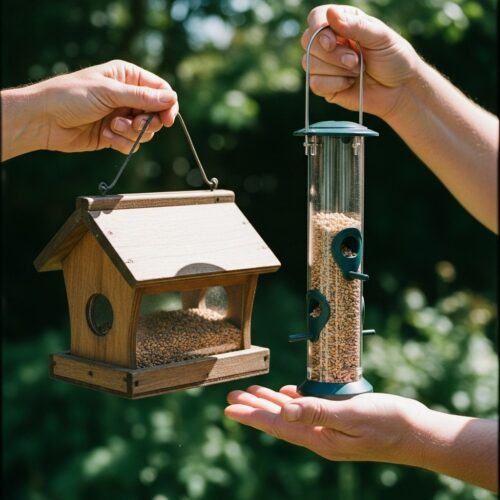
Selecting the right bird feeder design is crucial for keeping mourning doves at bay while inviting smaller birds. Here are some effective feeder options and design features to consider.
Types of Feeders to Consider
Different feeders attract different birds. Here’s a quick breakdown:
| Feeder Type | Description | Effectiveness Against Mourning Doves |
|---|---|---|
| Tube Feeders | Narrow openings, ideal for small birds. | High |
| Hopper Feeders | Open design, can attract larger birds. | Moderate |
| Platform Feeders | Flat surface, great for a variety of birds. | Low |
| Suet Feeders | Designed for suet cakes, hard for doves to access. | High |
Design Features That Deter Doves
When choosing a feeder, look for specific features that help keep mourning doves away:
- Adjustable Perches: These allow you to set the perch length so only smaller birds can comfortably feed. This is a simple yet effective deterrent.
- Weight-Sensitive Feeders: These feeders close when a heavier bird lands, blocking access to mourning doves.
- Narrow Ports: Feeders with smaller feeding holes make it difficult for doves to feed, while attracting finches and chickadees.
For example, a tube feeder with narrow perches can effectively limit access for mourning doves while still providing a feast for your favorite small birds.
How Feeder Height Affects Dove Access
The height of your feeder can significantly impact which birds visit. Here’s how to optimize feeder placement:
- Higher Feeders: Positioning feeders at least five feet off the ground can make it challenging for doves, which prefer ground-level feeding.
- Hanging Feeders: These add an extra layer of difficulty for doves, as they require more effort to reach.
- Close to Cover: Placing feeders near shrubs or trees can attract smaller birds while deterring larger ones like doves.
Experimenting with these placements can lead to a more diverse birdwatching experience in your yard.
By implementing these strategies and choosing the right feeder design, you can create a welcoming space for your desired birds while keeping mourning doves at bay.
Select the Right Bird Seed

Choosing the right bird seed is key to keeping mourning doves away from your feeders. Some seeds are like a VIP invitation for doves, while others can help attract your favorite smaller birds instead.
Seeds Mourning Doves Love
Mourning doves have a few go-to favorites that can fill your feeders and scare off smaller birds. These include:
- Sunflower seeds: Doves adore them. They’re a crowd-pleaser but attract unwanted guests.
- Cracked corn: Another favorite for doves but not so much for smaller birds.
- Millet: This is often a hit with doves, making it a no-go for your feeders.
Seeds that Attract Smaller Birds
To create a bird-friendly environment without doves, consider using seeds that smaller birds prefer. Here are some options:
- Safflower seeds: These are bitter to doves but loved by cardinals and grosbeaks.
- Nyjer seeds: Tiny seeds that finches adore, but doves struggle to handle.
- Thistle seeds: A great choice to attract small, colorful birds without giving doves a feast.
Mixing Seeds for Optimal Attraction
A well-thought-out seed mix can enhance your birdwatching experience. Consider this approach:
- Base mix: Start with safflower seeds as your primary offering.
- Add Nyjer: Toss in some Nyjer seeds for finches and other small birds.
- Balance it out: You can also mix in a small amount of sunflower seeds to attract a variety of birds without inviting doves.
By strategically selecting and mixing seeds, you can create a delightful buffet for your desired birds while keeping mourning doves at bay. Plus, for an added layer of protection, think about investing in a Bird Feeder with Dove Deterrent Features.
Implement Physical Barriers
Using physical barriers is a smart way to keep mourning doves away from your bird feeders. These solutions can help create a more inviting environment for your favorite small birds while discouraging larger feathered visitors.
Types of Physical Barriers
Here are some effective physical barriers you can use:
- Baffles: These are dome or cone-shaped devices that fit above or below feeders. They prevent doves from landing or climbing to the food.
- Wire Cages or Mesh: These allow smaller birds to feed while keeping doves out. They can be placed around feeders to limit access.
- Netting and Screens: Covering the feeder with netting or screens can keep doves at bay. Small birds can slip through, but doves can’t.
How to Install Barriers Effectively
Installing barriers is easier than you might think. Here’s a quick guide:
1. Choose the Right Barrier: Select a barrier based on your feeder type. For tube feeders, baffles work great. For platform feeders, consider cages or mesh.
2. Mounting: Follow the manufacturer’s instructions. Most baffles simply attach to the feeder pole, while cages may need some assembly.
3. Testing: After installation, observe feeding behavior. Ensure smaller birds can access the food while doves are deterred.
Cautions and Considerations
While barriers are effective, keep a few things in mind:
- Legal Considerations: Mourning doves are protected by law. Ensure your deterrent methods do not harm them.
- Feeder Accessibility: Check that your barriers don’t block access for the birds you want to attract.
- Aesthetic Impact: Select designs that fit your garden’s look. You want your yard to be inviting, after all.
Success Stories
Case studies show that many bird watchers have had success with these barriers. For example, a backyard in suburban Texas installed a wire cage around their platform feeder. They reported a dramatic decrease in mourning dove visits while still enjoying a variety of smaller birds.
By understanding how to implement these physical barriers, you can create a more enjoyable bird-feeding experience without the unwanted presence of mourning doves.
Use Visual and Auditory Deterrents
Keeping mourning doves away from your bird feeders can be a challenge. But using visual and auditory deterrents is an effective and humane way to protect your space.
Types of Visual Deterrents
Visual deterrents can be a game changer. Here are some options you can easily implement:
- Reflective Tape: This shiny material can be strung around your feeders. The light bouncing off it can startle doves and keep them at bay.
- Shiny Objects: Hang CDs or aluminum foil strips near your feeders. The flashes of light will make doves think twice about visiting.
- Predator Decoys: Setting up a fake owl or hawk can scare off doves. They instinctively avoid areas where they think predators might lurk.
Effective Auditory Methods
Sound can also play a big role in deterring mourning doves. Consider these options:
- Wind Chimes: The gentle sounds can create an unsettling environment for doves. Hang them near your feeders for an added layer of deterrence.
- Electronic Sound Devices: These devices can mimic the calls of predators. Set them to emit sounds at intervals to keep doves on their toes.
- Scare Noises: Simple recordings of predator calls can be played intermittently. This method keeps doves from growing accustomed to the noise.
Combining Techniques for Best Results
Using a mix of visual and auditory methods tends to be the most effective. Here’s a quick checklist to optimize your approach:
- Choose a Variety of Deterrents: Use both shiny objects and sound devices to cover all your bases.
- Position Strategically: Place visual deterrents where doves typically perch, and keep auditory devices close to the feeders.
- Monitor and Adjust: Pay attention to what works. If certain deterrents aren’t effective, try switching them up.
By combining these methods, you can create a less inviting space for mourning doves while still enjoying the company of your favorite birds.
Modify Your Garden Habitat
Making changes to your garden can deter mourning doves. By understanding their preferences, you can create an environment that’s less inviting for them. Let’s explore how to adjust your garden habitat to keep these birds away from your feeders.
Plants that Deter Mourning Doves
Choosing the right plants is key. Mourning doves like open spaces where they can easily spot predators. To make your garden less appealing, consider these options:
- Dense Shrubs: Planting shrubs can block sightlines and cover. Doves prefer open areas, so thick shrubs can discourage them.
- Spiky Plants: Thorny or prickly plants can make landing uncomfortable. Consider adding roses or barberry to your garden.
- Tall Grasses: While doves enjoy open ground, tall grasses can provide cover for other birds. They help create a less hospitable environment for mourning doves.
Creating an Uninviting Environment
Your garden layout can influence dove behavior. Here are some strategies to implement:
- Limit Open Spaces: Avoid large, bare patches of soil. Fill them with ground cover plants to limit foraging areas.
- Remove Seed Debris: Regularly clean up spilled seeds under feeders. This reduces the food source that attracts doves.
- Install Physical Barriers: Use bird netting or garden fabric around feeders. This can prevent doves from easily accessing food.
Importance of Ground Cover
Ground cover is essential in discouraging doves. These birds often forage on the ground for seeds. By modifying the ground layer, you can create a less inviting space:
- Choose Low-Growing Plants: Select ground covers that are dense and low to the ground. Options like creeping thyme or clover can work well.
- Layer Your Garden: Create layers with taller plants behind shorter ones. This reduces open areas and makes it harder for doves to land.
Example Scenario
Imagine you have a bird feeder in a sunny spot surrounded by bare soil. Mourning doves are likely to make themselves at home. To change this, you could:
1. Add a shrub: Plant a mid-sized bush about 3 feet away from the feeder.
2. Cover the ground: Introduce a low-growing ground cover to prevent doves from foraging.
3. Clean regularly: Keep the area beneath the feeder clean of seeds.
By making these adjustments, you create a less attractive habitat for mourning doves, allowing your favorite birds to visit without unwelcome guests.
Schedule Feeding Times Wisely
Timing is everything when it comes to bird feeding. Adjusting when you feed can make a big difference in deterring mourning doves. Here’s how to set your feeding schedule for success.
Ideal Feeding Times
Mourning doves tend to be most active during early morning and late afternoon. To avoid attracting them, consider feeding during mid-day. This way, your favorite smaller birds have a better chance at the feeder.
Impact of Feeding Frequency
Reducing the frequency of feeding can also help. If you fill your feeders every day, doves will quickly learn to hang around. Instead, try filling them every other day or even every third day. This strategy decreases the likelihood that mourning doves will settle in.
Adjusting Feeding Schedules
Here’s a simple template to guide your feeding schedule:
| Day | Feeding Time | Frequency |
|---|---|---|
| Monday | 10 AM – 2 PM | Every other day |
| Wednesday | 10 AM – 2 PM | Every other day |
| Friday | 10 AM – 2 PM | Every third day |
By sticking to this schedule, you’ll create a less inviting environment for mourning doves while still feeding the smaller birds you love. Just remember, consistency is key. Adjust as needed based on your local bird activity. With these timing strategies, you can enjoy a diverse array of feathered friends without the doves monopolizing your feeder.
Consider Scare Tactics
Scare tactics can be effective in keeping those pesky mourning doves away from your bird feeders. By using a mix of visual and auditory deterrents, you can create an environment that encourages other birds to visit while making doves feel unwelcome.
Types of Scare Tactics
Here are some popular scare tactics you can use:
- Predator Decoys: Realistic owl and hawk decoys can trick mourning doves into thinking there’s danger nearby. Position them where they are visible from multiple angles.
- Motion-Activated Devices: These gadgets can include noise makers or sprinklers that activate when something moves. The sudden burst can scare doves away.
- Reflective Objects: Items like shiny tape, old CDs, or aluminum foil can catch the light. This reflection can startle doves and keep them at bay.
- Wind Chimes: The sound of wind chimes can disrupt the calm environment mourning doves prefer. Hang them near your feeders for added noise.
How to Use Scare Tactics Effectively
To get the most out of your scare tactics, consider the following:
- Vary Their Placement: Move your decoys and reflective objects around every few days. Mourning doves can quickly recognize stationary items as harmless.
- Combine Tactics: Using a mix of methods, like both visual and auditory deterrents, can enhance effectiveness. For example, pair a predator decoy with motion-activated noise makers.
- Monitor Activity: Keep an eye on your feeders. If doves are still showing up, adjust your tactics. Try repositioning decoys or adding new reflective items.
Monitoring the Success of Your Tactics
After implementing your scare tactics, check their effectiveness:
- Track Bird Visits: Note how many different bird species visit your feeders. A rise in variety indicates your tactics may be working.
- Observe Dove Behavior: Are the mourning doves staying away? If they seem to be avoiding your feeders, you’re on the right track.
- Adjust as Needed: If you notice doves returning, it might be time to change your approach. Experiment with new scare tactics or modify existing ones.
By using these strategies, you’ll not only keep mourning doves away but also create a welcoming space for the smaller birds you love. Happy bird watching!
Maintain a Clean Feeding Area
Keeping your bird feeding area clean is crucial for deterring mourning doves. A tidy space not only looks nice but also helps attract the smaller birds you want. Mourning doves love to forage for seeds on the ground, so reducing their food source is key.
Cleaning Techniques
Regular cleaning can make a significant difference. Here are some effective techniques:
- Sweep Daily: Use a small broom or brush to clear away any spilled seeds. This prevents doves from finding easy snacks.
- Wipe Down Feeders: Clean the feeders themselves. Remove old seed and wipe with a damp cloth to keep everything fresh.
- Use a Vacuum: If you have a lot of spilled seeds, a handheld vacuum can be a quick way to clean up.
Frequency of Cleaning
How often should you clean? Here’s a simple guideline:
- Daily: Sweep the ground under feeders.
- Weekly: Deep clean feeders and surrounding areas.
- Monthly: Check for mold or residue in feeders and replace when necessary.
Preventing Seed Spillage
Preventing seed spillage is a smart strategy. Consider these tips:
- Choose the Right Feeder: Opt for feeders with small feeding ports. These make it harder for doves to access seeds.
- Use Seed Trays: Place trays under feeders to catch spilled seeds. This makes cleanup easier and keeps the area tidy.
- Monitor the Amount of Seed: Fill feeders with just enough seed for a day or two. This reduces the chances of excess falling to the ground.
Maintenance Checklist
Here’s a quick checklist to help you maintain a clean feeding area:
- [ ] Sweep ground daily
- [ ] Clean feeders weekly
- [ ] Inspect for mold monthly
- [ ] Use seed trays under feeders
- [ ] Adjust feeder types as needed
By keeping your feeding area clean, you can create a more welcoming space for your favorite birds while keeping those pesky mourning doves at bay.
Understand Legal Considerations
When managing mourning doves, it’s essential to know the laws that protect them. These beautiful birds are covered by regulations that ensure humane treatment and conservation. Let’s break down what you need to know.
Protection Under the Law
Mourning doves are protected under the Migratory Bird Treaty Act. This federal law prohibits the killing or harming of these birds without a permit. It’s crucial to respect their status as migratory birds. Here are some key points:
- Non-lethal Management: Only non-lethal methods are allowed for managing mourning doves. You can’t harm or kill them.
- Local Regulations: Check with local wildlife authorities for specific rules in your area. Laws can vary by state or region.
Humane Treatment Guidelines
To keep mourning doves away from your feeders, focus on humane deterrent strategies. Here are some effective, bird-friendly methods:
- Feeder Design: Use feeders that are challenging for doves to access. Tube feeders with small openings work well.
- Ground Covers: Plant dense shrubs or ground covers that make it difficult for doves to forage below feeders.
- Scare Tactics: Use visual deterrents like reflective tape or decoys of predators. Just remember to move them regularly to avoid doves getting used to them.
Consequences of Violating Laws
Ignoring these legal protections can lead to serious consequences. Here are potential penalties:
- Fines: Violating the Migratory Bird Treaty Act can result in hefty fines.
- Legal Action: You might face legal actions from wildlife authorities if you’re found harming mourning doves.
For a successful bird-watching experience, always prioritize humane methods and stay informed about the laws. Keeping mourning doves away can be done responsibly!
Frequently Asked Questions
These quick answers cover the most common questions about this topic, including key details, practical tips, and common concerns.
What is the best deterrent for mourning doves?
The most effective deterrents include feeders with small perches or weight-sensitive mechanisms that prevent larger birds from feeding. Physical barriers like baffles or cages can also block access. Combining visual deterrents such as reflective tape or predator decoys with these physical methods enhances success. Remember, humane and legal methods are essential, so avoid harming the birds.
Why should you sprinkle coffee grounds around your bird feeder?
Sprinkling coffee grounds is believed to deter mourning doves because they dislike the smell and texture. It can make ground foraging less appealing, encouraging doves to seek food elsewhere. However, this method’s effectiveness varies, and it should be used alongside other deterrents to improve results.
How to get rid of mourning doves at bird feeder?
Use feeders designed to limit access, such as tube feeders with small ports or weight-activated feeders. Place feeders higher off the ground and near dense shrubbery to make landing difficult. Employ visual deterrents like reflective objects or predator decoys, and regularly clean spilled seed to reduce ground foraging. Always choose humane methods that comply with legal protections.
Where do mourning doves sleep at night in the winter?
Mourning doves typically roost in trees, shrubs, or dense vegetation for safety and warmth. They often gather in communal roosts, sometimes in the same spot for weeks. In winter, they seek sheltered areas that provide protection from harsh weather, such as coniferous trees or dense thickets.
What bird feeders are most effective against mourning doves?
Tube feeders with small perches and narrow feeding ports are highly effective. Weight-sensitive feeders that close when heavy birds land also work well. Avoid open platform or hopper feeders, which attract larger birds like doves. Using feeders designed specifically for small birds helps limit dove access.
How can I modify my garden to deter mourning doves?
Plant dense shrubs and thorny plants to block open sightlines and reduce ground foraging. Use ground covers to discourage seed spillage. Position feeders higher off the ground and near cover to make landing less accessible. Regularly clean up spilled seeds to eliminate easy food sources.
Can I use essential oils to deter mourning doves?
Some people suggest that certain essential oils, like peppermint or citronella, may repel mourning doves. However, there is limited scientific evidence supporting their effectiveness. If used, apply cautiously and ensure they are safe for birds and the environment. Relying on physical barriers and selective feeding strategies is generally more reliable.
What should I know about legal guidelines and permits for mourning dove management?
Mourning doves are protected under federal law, and harming them is illegal without proper permits. Use humane deterrents and avoid any methods that could harm the birds. Check with local wildlife authorities for regulations and guidelines in your area. Always prioritize humane, non-lethal methods to manage dove presence.