
Water runoff from a neighbor’s yard can damage your property and disrupt your landscaping. This guide outlines eight effective strategies to help you prevent and manage water runoff, ensuring your yard remains safe and dry.
Understanding Water Runoff: Causes and Consequences
Water runoff can be a real headache for homeowners, especially when it flows in from a neighbor’s yard. Understanding why it happens and the potential impacts is crucial for finding a solution.
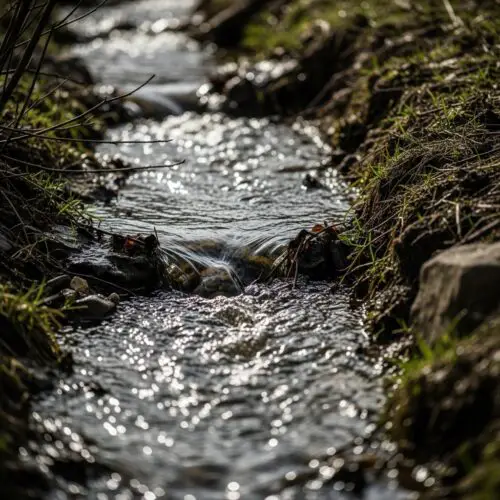
Identifying Causes of Water Runoff
Several factors contribute to water runoff from your neighbor’s yard. Here are the most common causes:
- Natural Slope: Water flows downhill due to gravity. If your neighbor’s yard is higher than yours, expect runoff to head your way.
- Poor Drainage: If your neighbor lacks proper drainage systems, excess water can easily spill over onto your property.
- Soil Type: Some soils absorb water better than others. Sandy soils drain quickly, while clay soils retain water, leading to more runoff.
- Landscaping Choices: Impervious surfaces like concrete or asphalt in your neighbor’s yard can prevent water absorption, increasing runoff.
Consequences of Unmanaged Runoff
Ignoring water runoff can lead to serious problems. Here are some consequences you might face:
- Soil Erosion: Continuous water flow can wash away topsoil, harming your plants and landscaping.
- Property Damage: Excess water can damage foundations, lead to flooding, and cause costly repairs.
- Pest Problems: Standing water can attract pests like mosquitoes, creating a nuisance.
For instance, if a neighbor’s poorly drained yard directs water toward your home, it could lead to foundation issues over time. Installing a French drain can help mitigate this risk by redirecting water away from your property. If you’re considering this solution, check out a French Drain Installation Kit to make the process easier.
Table of Contents
Understanding these causes and consequences can empower you to take action against runoff effectively.
1. Communicating with Your Neighbor: The First Step

Talking to your neighbor about water runoff can feel daunting. But it’s the best first step to finding a solution. Open communication can save you both time and stress.
Starting the Conversation
Begin with a friendly approach. Here are some tips to help you kick off the discussion:
- Choose the Right Time: Find a moment when your neighbor isn’t busy or distracted.
- Be Friendly and Calm: Start with a smile and express that you want to chat about something important.
- Explain the Issue: Clearly describe the water runoff problem. Use simple terms; for example, “I’ve noticed water pooling in my yard after it rains. It’s starting to cause some damage.”
- Listen Actively: Give your neighbor a chance to share their thoughts. They may not even realize their yard is causing you trouble.
Addressing the Issue Amicably
Keep the conversation positive. Here’s how to keep things smooth:
- Focus on Solutions: Suggest working together to find a fix. You could say, “What do you think we can do to help reduce the water?”
- Collaborate: Propose joint solutions. This could be installing a rain garden or a French drain. Teamwork makes the process easier!
- Offer Support: If possible, offer to help with costs or labor. It shows you’re invested in a solution.
- Follow Up: After the talk, check in with your neighbor. A simple message or chat can keep the lines of communication open.
Real-Life Example
Consider Jane and her neighbor, Bob. Jane noticed water from Bob’s yard creating a muddy mess in hers. Instead of getting upset, she invited Bob over for coffee. They discussed the issue, and Bob was surprised to hear about the problem. They decided to install a rain garden together. Not only did this solve the runoff issue, but it also strengthened their friendship!
By approaching the conversation thoughtfully and collaboratively, you can turn a challenging situation into an opportunity for teamwork.
2. Redirecting the Water: Practical Solutions
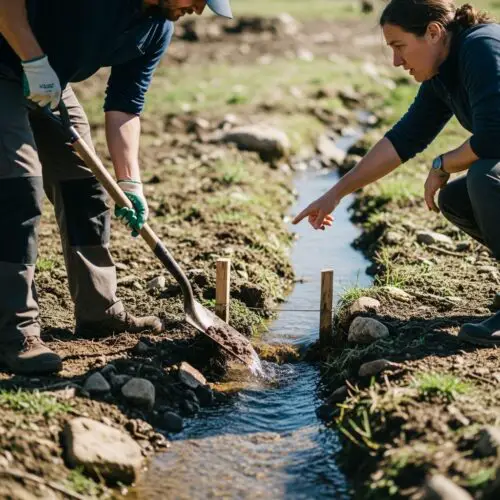
When it comes to stopping water runoff from your neighbor’s yard, taking action is key. There are several practical solutions you can implement to redirect that pesky water away from your property. Let’s dive into some effective methods.
Grading Your Yard
Grading your yard is a straightforward yet powerful way to manage water runoff. The idea is to create a slight slope away from your home. This helps channel water toward designated drainage areas. Here’s how to do it:
1. Evaluate Your Yard: Identify areas where water tends to pool.
2. Determine the Slope: Aim for a slope of about 2% (or 1/4 inch per foot) away from your house.
3. Adjust the Soil: Add or remove soil to create the desired slope. Use a rake to smooth it out.
4. Test Your Work: After a rain, check if water flows as expected.
This method is low-cost and effective. Plus, it can help prevent soil erosion and protect your foundation.
Creating Physical Barriers
Physical barriers can be a game changer in redirecting water. Here are some options to consider:
- French Drains: These are trenches filled with gravel and a perforated pipe. They collect water and channel it away. Installing a French drain requires digging a trench along your property line. It’s a great long-term solution for persistent runoff. If you’re interested, you can find a French Drain Installation Kit here.
- Berms: These are raised areas of soil that act as barriers. They can divert water around your yard. The key is to shape them correctly, sloping them away from your home.
- Rain Gardens: These beautiful features not only look good but can absorb excess water. Planting native plants with deep roots can help manage runoff naturally.
- Water Diversions: Simple channels made from stones, concrete, or wood can guide water away. Ensure they slope away to be effective.
Effectiveness Comparison
| Solution | Cost | Maintenance | Effectiveness |
|---|---|---|---|
| Grading | Low | Low | High |
| French Drains | Moderate | Medium | Very High |
| Berms | Low | Low | Medium |
| Rain Gardens | Moderate | Medium | High |
| Water Diversions | Low | Low | Medium |
Each solution has its strengths. Consider your specific situation, budget, and long-term goals when choosing the best method.
3. Installing French Drains: A Comprehensive Guide
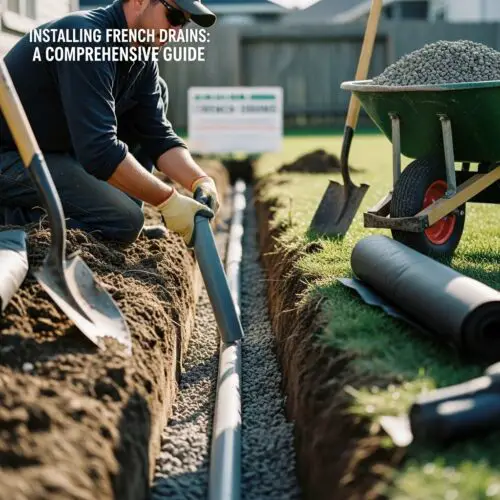
French drains are a fantastic way to manage water runoff. They effectively redirect excess water away from your yard, helping to keep your property dry. Let’s break down what they are and how you can install one.
What is a French Drain?
A French drain is a trench filled with gravel or rock, containing a perforated pipe. This setup allows water to flow into the pipe and channel it away from your yard. It’s particularly useful in areas prone to pooling water or erosion.
Step-by-Step Installation Process
Installing a French drain isn’t as daunting as it sounds. Here’s a simple guide to help you through the process:
1. Plan Your Drain Location:
- Identify the area where water collects in your yard.
- Decide where you want the water to drain—ideally to a lower area or a storm drain.
2. Gather Your Materials:
- Perforated pipe (preferably 4 inches in diameter)
- Gravel or crushed stone
- Landscape fabric
- Shovel
- Level
- Optional: A trenching tool for easier digging
3. Dig the Trench:
- Dig a trench about 6 inches wide and 18 to 24 inches deep.
- Ensure the trench slopes away from your house (about 1% slope per foot).
4. Add Landscape Fabric:
- Line the trench with landscape fabric. This will help prevent soil from clogging the gravel.
5. Install the Pipe:
- Place the perforated pipe in the trench, holes facing down.
- Ensure it follows the slope you created.
6. Cover with Gravel:
- Fill the trench with gravel around the pipe until it’s completely covered, leaving a little room at the top for soil.
7. Final Touch:
- Fold the landscape fabric over the gravel, then cover it with soil.
- You can replant grass or other vegetation on top for a neat finish.
Maintenance Tips
- Check Regularly: Inspect the drain periodically for clogs or blockages.
- Keep It Clear: Make sure leaves, dirt, and debris don’t accumulate over the pipe.
- Replenish Gravel: Over time, you may need to add more gravel to maintain good drainage.
By installing a French drain, you can significantly reduce water runoff from your neighbor’s yard. It’s a practical solution that can enhance the health of your landscape while maintaining good neighborly relations!
4. Utilizing Rain Gardens and Berms
Rain gardens and berms are fantastic ways to manage water runoff naturally. They help absorb excess water and redirect it, reducing the impact on your yard.
Designing a Rain Garden
A rain garden is a shallow, planted depression that captures runoff. Here are some key points to consider:
- Location: Place it at least 10 feet from your home. This distance helps protect your foundation.
- Plants: Use native plants that thrive in wet conditions. These plants will soak up water and look great!
- Size: Make it about 20% of the area from which it collects runoff.
Example: Consider Sarah’s backyard. After installing a rain garden, she noticed a significant drop in standing water after storms. Plus, her colorful native flowers added curb appeal!
Building a Berm
A berm is a raised mound of soil that acts as a barrier. It redirects water away from your yard. Here’s how to create one:
1. Choose a Location: Find a spot near the edge of your property where water tends to flow.
2. Shape: Form a gentle slope. A height of 1-2 feet is effective.
3. Plant: Add grass or shrubs on the berm. This helps stabilize the soil and absorbs moisture.
Tip: Use compacted soil for stability. It’ll hold back water better.
Benefits of Rain Gardens and Berms
- Environmentally Friendly: These solutions improve local ecosystems by filtering pollutants.
- Cost-Effective: They require minimal maintenance once established.
- Aesthetic Appeal: Both options can enhance your yard’s beauty while solving runoff issues.
Creating rain gardens and berms is not just smart; it’s a great way to work with nature. By absorbing and redirecting water, you’ll minimize problems with water runoff from your neighbor’s yard.
5. Growing Trees for Natural Absorption
Planting trees is a fantastic way to manage water runoff from your neighbor’s yard. They can absorb excess water and improve drainage in your garden. Plus, they add beauty and habitat for local wildlife!
Choosing the Right Trees
Not all trees are created equal when it comes to water absorption. Here are some tips for selecting the best species for your yard:
- Native Species: Choose trees that are native to your area. They typically adapt better to local soil and climate conditions.
- Deep Roots: Look for trees with deep root systems. These roots can reach down into the soil to absorb more water.
- Thirsty Varieties: Some trees are particularly good at soaking up moisture. Consider willows or oaks, known for their water-loving nature.
Planting Techniques for Maximum Effect
How you plant your trees matters! Here are some techniques to enhance their water absorption capabilities:
- Location: Plant along your property line or in low spots where water tends to collect.
- Spacing: Give trees enough space to grow. Crowded roots can lead to poor drainage.
- Mulching: Use mulch around the base of the trees. This retains moisture and prevents soil erosion.
Real-Life Example
Imagine a yard with a steep slope and runoff issues. By planting a row of native willows along the edge, the homeowner not only beautified their space but also significantly reduced water pooling. The willows absorbed excess moisture and stabilized the soil, preventing erosion.
Using trees as a natural solution for water runoff is not just practical; it’s also a smart way to work with nature for a healthier landscape!
6. Legal Considerations: Know Your Rights
Understanding your legal rights regarding water runoff is crucial. It helps you navigate potential disputes with your neighbor. Knowing the rules can empower you to take action when needed.
Understanding Local Regulations
Local laws vary widely. In many areas, property owners have a responsibility to manage water runoff. Here are some key points to keep in mind:
- Natural Flow Rule: If your neighbor’s property is higher, they may not be liable for water that naturally flows onto your yard. However, if they divert water intentionally, that could be a problem.
- Local Ordinances: Check your city or county regulations. Some places have specific drainage laws that protect homeowners from excessive runoff.
- Documentation is Key: Keep records of any water issues. Photos, videos, and notes on when the runoff occurs can be invaluable.
Taking Legal Action
If discussions with your neighbor don’t work, you may need to consider legal options. Here’s how to approach it:
- Consult a Lawyer: Look for someone who specializes in property law. They can clarify your rights and options.
- Mediation: Sometimes a neutral third party can help resolve disputes without going to court.
- File a Complaint: If necessary, you can report the issue to local authorities. Having your documentation ready will support your case.
Checklist for Legal Action
- Gather Evidence: Collect photographs, videos, and written accounts of the problem.
- Review Local Laws: Understand your rights and responsibilities.
- Communicate: Attempt to resolve the issue with your neighbor first.
- Consult Professionals: Get advice from legal experts if needed.
By knowing your rights and the local laws, you can take effective steps to address water runoff issues.
7. Long-Term Prevention: Sustainable Solutions
Preventing water runoff from your neighbor’s yard is all about smart landscaping and maintenance. Here are some sustainable practices to keep those pesky water issues at bay.
Sustainable Landscaping Practices
1. Rain Gardens: These are shallow depressions planted with native plants. They capture rainwater and allow it to soak into the ground. Not only do they reduce runoff, but they also support local wildlife.
2. Permeable Pavers: Instead of traditional concrete, consider using permeable materials for driveways and walkways. They let water infiltrate, reducing runoff and helping groundwater recharge.
3. Mulch and Gravel: Adding mulch or gravel paths can absorb water and slow its flow. Strategically placing these in areas prone to runoff can make a big difference.
4. Soil Aeration: Compacted soil can lead to increased runoff. Aerating your lawn helps improve drainage, allowing water to penetrate better. Add organic matter like compost to enhance soil structure.
5. Plant Trees and Shrubs: Deep-rooted plants help absorb excess water. Plus, they provide shade and beauty to your yard.
Routine Maintenance Tips
Maintaining these solutions is just as important as installing them. Here are some easy tips to keep everything running smoothly:
- Regular Inspection: Check your rain garden and drainage systems regularly. Look for signs of clogging or erosion.
- Seasonal Mulching: Refresh mulch annually to ensure it continues to absorb water effectively.
- Monitor Soil Health: Test your soil every few years. Healthy soil retains moisture better and reduces runoff.
- Adjust Irrigation: Use a rain sensor for your sprinklers. This prevents overwatering and helps conserve water.
- Collaborate with Neighbors: Share ideas and solutions with your neighbors. A united approach can lead to more effective long-term strategies.
Implementing these sustainable solutions will not only help you manage water runoff but also enhance the beauty and health of your yard.
8. Troubleshooting Common Runoff Problems
Managing water runoff can feel like a juggling act. You want to protect your yard without stepping on your neighbor’s toes. Here are common issues and how to troubleshoot them effectively.
Identifying Common Issues
Water runoff can lead to various problems. Here are a few signs to watch for:
- Standing Water: Puddles that linger indicate poor drainage.
- Soil Erosion: Noticeable soil loss can signal strong water flow.
- Vegetation Issues: Overly saturated or dying plants suggest drainage problems.
Effective Solutions for Common Problems
Here’s a quick checklist of solutions to tackle typical runoff issues:
| Problem | Solution | Example |
|---|---|---|
| Standing Water | Install a French Drain | A trench filled with gravel to redirect water. |
| Soil Erosion | Create a Berm | A raised mound to block water flow. |
| Poor Plant Growth | Set up a Rain Garden | A depression with plants to absorb excess water. |
| Clogged Drains | Regular Maintenance Checks | Clear debris from drainage systems regularly. |
Quick Tip: Always keep an eye on your drainage systems. Clogs can worsen water issues.
Common Pitfalls to Avoid
While tackling runoff, avoid these common mistakes:
1. Neglecting Soil Health: Poor soil can’t absorb water. Test and amend your soil regularly.
2. Ignoring Neighborly Communication: Discuss issues with your neighbor before taking drastic measures.
3. Overcomplicating Solutions: Sometimes, simple fixes like adding mulch can be effective. Don’t rush to costly installations.
Real-Life Scenario
Imagine your neighbor’s yard slopes towards yours. After heavy rain, your yard floods. You could:
- Talk to your neighbor about adding a Swale.
- Suggest they extend their downspouts away from your property.
- Consider planting trees or shrubs to absorb runoff naturally.
Taking these steps can lead to a better relationship and a healthier yard for both of you.
Frequently Asked Questions
These quick answers cover the most common questions about this topic, including key details, practical tips, and common concerns.
How to block neighbor’s water runoff?
Blocking your neighbor’s water runoff directly is generally not possible unless it violates local laws. Instead, focus on redirecting the water on your property using drainage solutions like French drains, rain gardens, or grading. Communicate with your neighbor to find mutually agreeable solutions to manage runoff effectively.
What is the common enemy rule in PA?
The common enemy rule in Pennsylvania states that surface water is considered a common enemy of all landowners. This means property owners can take reasonable measures to divert or control water flow to prevent damage to their property, as long as they do not cause harm to others. Proper drainage and communication are key.
Can you legally send rain water from your property onto your neighbors?
Generally, you can direct rainwater runoff from your property onto your neighbor’s land if it is the natural flow and not intentionally diverted. However, intentionally redirecting water in a way that causes damage or nuisance may be illegal. It’s best to manage runoff responsibly and communicate with neighbors.
Who is responsible for surface water runoff?
Responsibility varies by jurisdiction, but typically, property owners are responsible for managing water that naturally flows onto their land. If runoff is caused by improper drainage or intentional diversion, the responsible party may be liable for damages. Local laws often govern these responsibilities.
What are the best solutions for water runoff?
Effective solutions include grading your yard to slope away from structures, installing French drains, creating rain gardens, and planting trees to absorb excess water. Combining these methods provides a sustainable and long-term approach to managing runoff.
How do I talk to my neighbor about runoff issues?
Begin with a friendly, calm conversation. Explain how the runoff affects your property and suggest working together on solutions. Offer specific ideas like installing a French drain or rain garden. Good communication can prevent conflicts and lead to effective resolutions.
What should I do if my neighbor refuses to help with runoff?
If discussions fail, document the issue with photos and notes. Check local regulations regarding drainage and property rights. Consider consulting a legal professional or mediator to explore options for resolving the dispute while respecting your rights.
When should I address water runoff issues?
Address runoff problems as soon as you notice them, especially if they cause property damage, soil erosion, or standing water. Early action prevents costly repairs and maintains good neighbor relations. Regular maintenance and inspections help prevent future issues.