
Rooting a tree branch can transform your gardening experience by allowing you to clone your favorite trees. This guide covers various methods and best practices to ensure successful propagation from cuttings, whether using water or soil.
Understanding Tree Branches for Rooting
When it comes to rooting tree branches, knowing which types work best is key. There are two main categories: hardwoods and softwoods. Each has its own characteristics that affect how easily they root.
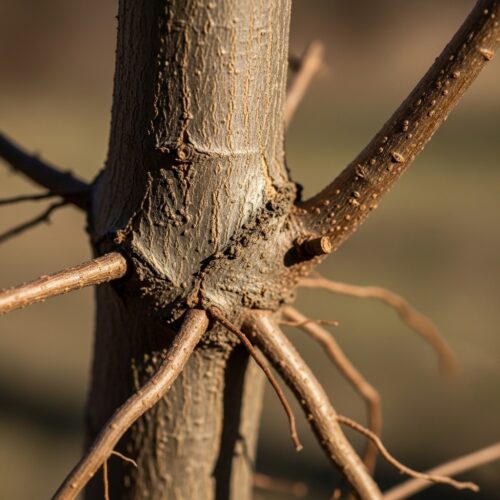
Types of Trees for Successful Rooting
Here’s a quick rundown of some tree types that root well from cuttings:
| Tree Type | Best Season for Rooting | Rooting Method | Notable Characteristics |
|---|---|---|---|
| Softwoods | Spring to early summer | Water or soil | Fast-growing, easier to root |
| Hardwoods | Late summer to fall | Soil, air layering | Slower to root, but more resilient |
| Fruit Trees | Spring or summer | Soil with rooting hormone | Often require hormone for best results |
| Ornamentals | Spring | Water or soil | Many respond well to softwood cuttings |
Characteristics of Hardwoods vs. Softwoods
Understanding the differences helps in choosing the right branch for rooting:
- Softwoods: These come from trees that are typically evergreen. They root quickly and can be cut in the spring or early summer. Great examples are pine and spruce. They thrive in water or soil.
- Hardwoods: These trees are usually deciduous. They take longer to root, often needing more care. Common types include oak and maple. Late summer to fall is their prime rooting season, and they often do best with soil and air layering.
Quick Tip for Choosing a Branch
1. Select healthy branches from the current season’s growth.
Table of Contents
2. Cut at an angle to increase the surface area for rooting.
3. Consider using Rooting Hormone Powder to boost success rates. Check Price on Amazon.
By knowing the right type of branch and its characteristics, you can drastically improve your chances of successful rooting.
Preparing to Root a Tree Branch
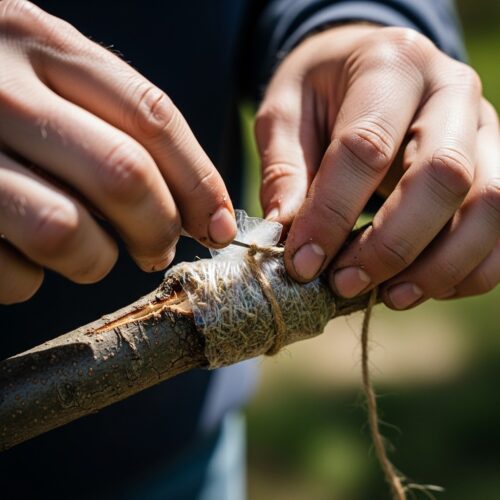
Getting your tree branch ready for rooting is crucial for success. It involves choosing the right branch and preparing it properly. Let’s dive into how to do this effectively.
Selecting the Right Cutting
Choose your cutting wisely. Here are some tips:
- Healthy Growth: Look for branches from the current season. They should be healthy and vibrant.
- Age Matters: Younger branches root easier than older ones. Aim for softwood cuttings in spring or early summer.
- Cutting Technique: Use sharp, sterilized tools. Make a clean cut just below a node. This is where roots will emerge.
Timing Your Cuttings for Best Results
Timing is everything when it comes to rooting. Here’s a quick checklist for optimal timing:
- Softwood Cuttings: Best taken in late spring to early summer. Softwood is still flexible and hasn’t hardened.
- Hardwood Cuttings: Ideal in late fall or winter when the tree is dormant. This gives them a head start when spring arrives.
- Weather Conditions: Choose a cool, cloudy day to cut. This reduces stress on the branch.
Pre-rooting Preparation Checklist
Before you start, follow this checklist to enhance your chances of success:
- Select a healthy branch from the current season’s growth.
- Make a clean cut below a node at a 45-degree angle.
- Consider using Rooting Hormone Powder to encourage root growth. Check Price on Amazon.
- Place cuttings in a moist environment right after cutting to prevent them from drying out.
By following these steps, you set your tree branch up for successful rooting. Happy propagating!
Rooting Methods: Water vs. Soil
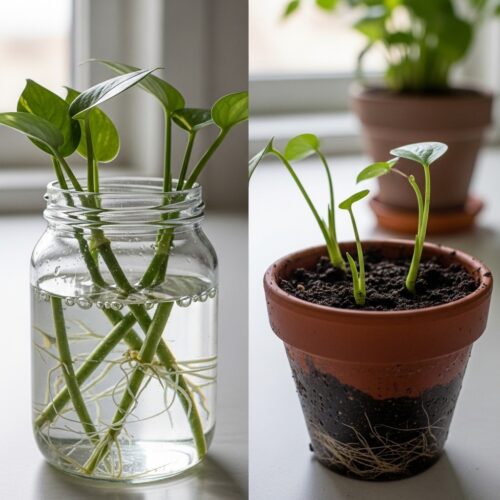
When it comes to rooting tree branches, you have two main options: water rooting and soil rooting. Each method has its perks and challenges. Let’s dive into the details!
Advantages of Water Rooting
Water rooting is a popular choice for many gardeners. Here’s why:
- Easy to Monitor: You can see root development clearly. No digging required!
- Less Risk of Rot: As long as you change the water regularly, the risk of rot is lower.
- Quick to Start: Simply place your cutting in water, and you’re good to go.
However, this method does have its downsides:
- Limited Nutrients: Water doesn’t provide nutrients. You may need to add liquid fertilizer to boost growth.
- Transitional Stress: Moving from water to soil can stress the plant. It may take time for the roots to adjust.
Benefits of Soil Rooting
Soil rooting is a more traditional method. Here’s what makes it beneficial:
- Nutrient-Rich: Soil provides essential nutrients right from the start.
- Better Adaptation: Plants rooted in soil generally adapt better to outdoor conditions.
- Stronger Roots: Soil supports the development of a robust root system.
On the flip side, there are some challenges:
- Risk of Rot: If the soil is too wet, you could face root rot. Choosing the right mix is crucial.
- Monitoring Difficulty: It’s harder to see root growth compared to water rooting.
Comparison Table
Here’s a quick comparison to help you choose the right method for your needs:
| Method | Success Rate | Timeframe for Roots | Ideal Conditions |
|---|---|---|---|
| Water Rooting | High | 1-4 weeks | Bright, indirect light |
| Soil Rooting | Moderate | 2-6 weeks | Warm, well-draining soil |
Decision Framework
When deciding between water and soil rooting, consider the type of tree and the season:
- Softwood Cuttings: Best in spring with water rooting.
- Hardwood Cuttings: Prefer soil rooting, typically taken in late fall or winter.
By weighing these factors, you can select the best rooting method for your tree branch. Happy propagating!
Advanced Rooting Techniques: Air Layering and Grafting
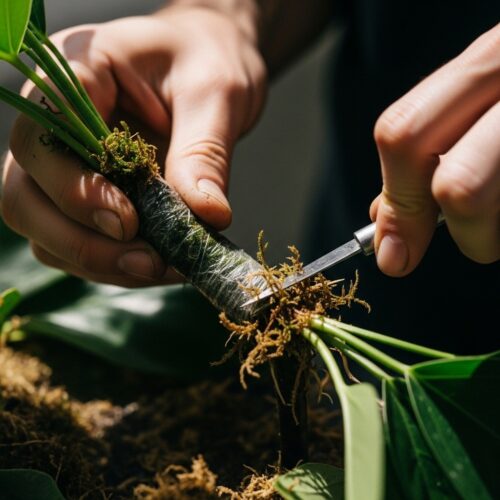
Ready to take your tree propagation skills up a notch? Let’s dive into two advanced techniques: air layering and grafting. These methods can help you root branches effectively and grow new trees with confidence.
What is Air Layering?
Air layering is a neat trick to encourage root growth while the branch is still attached to the parent tree. This method is great for trees that are harder to root from cuttings, like figs or magnolias.
Here’s how it works:
1. Choose a healthy branch.
2. Make a small cut around the branch, removing a ring of bark.
3. Surround the cut with moist sphagnum moss.
4. Wrap it in plastic to keep the moisture in.
5. Wait for roots to develop—this usually takes a few weeks.
Once you see roots peeking through the moss, you can cut the branch below the new roots and pot it up. Voila! You’ve got a new tree!
Grafting: When and How to Use it
Grafting is another advanced technique that allows you to combine two plants into one. It’s especially useful for creating new varieties or improving disease resistance.
There are a couple of popular grafting methods:
- Cleft Grafting: This involves splitting the rootstock and inserting a scion (the branch you want to propagate). It’s a great way to ensure a strong connection.
- Side Grafting: Here, you attach the scion to a side branch. This method is less stressful for the tree and often works well with delicate species.
When to Use Grafting?
- Use cleft grafting in late winter or early spring when trees are still dormant.
- Side grafting can be done in spring or early summer when the tree is actively growing.
Quick Comparison of Air Layering and Grafting
| Method | Best For | Success Rate | Timeframe |
|---|---|---|---|
| Air Layering | Difficult-to-root trees | High | 4-8 weeks |
| Grafting | Creating new varieties | Moderate to High | 2-4 weeks depending on method |
In summary, both air layering and grafting have their own unique advantages. Choose based on the type of tree and your propagation goals. Happy rooting!
Aftercare for Rooted Branches: Ensuring Successful Growth
After you’ve successfully rooted your tree branches, it’s time to give them the TLC they need to thrive. Proper aftercare is crucial for ensuring your new saplings grow strong and healthy. Let’s dive into the essentials!
Watering Your New Cuttings
Watering is key. You want to keep the soil consistently moist but not soggy. Here’s how to get it right:
- Daily Checks: Stick your finger into the soil up to the first knuckle. If it feels dry, it’s time to water.
- Water Amount: Aim for about 1-2 gallons of water for every inch of stem diameter. This helps create a solid foundation for root development.
- Moisture Meters: Consider using one to monitor soil moisture levels. It’s a handy tool to avoid over or underwatering.
Light and Temperature Needs for Success
Your newly rooted branches need the right light and temperature to flourish. Here’s what to remember:
- Light Exposure: Place your cuttings in a spot that gets bright, indirect sunlight. Too much direct sun can scorch the leaves.
- Ideal Temperature: Most rooted trees thrive at daytime temperatures between 65°F to 75°F (18°C to 24°C). Nighttime, keep it cooler at around 55°F to 60°F (13°C to 15°C).
- Humidity: To maintain humidity, cover the pot with a clear plastic bag or a cloche. This creates a mini greenhouse effect, keeping moisture levels up and pests at bay.
Fertilization Tips
Fertilizing your cuttings can give them that extra boost. Here’s a simple guide:
- Wait to Fertilize: Hold off on fertilizing until you see new growth. This typically happens a few weeks after rooting.
- Use the Right Fertilizer: Opt for a balanced, water-soluble fertilizer. Dilute to half strength to avoid burning the young roots.
- Frequency: Fertilize every 4-6 weeks during the growing season. This helps support healthy development.
Aftercare Checklist
Here’s a quick checklist to keep your rooted branches thriving:
- Water: Keep soil moist but not soggy.
- Light: Provide bright, indirect sunlight.
- Temperature: Maintain 65°F to 75°F during the day, cooler at night.
- Humidity: Use a plastic cover to retain moisture.
- Fertilize: Start feeding once you see new growth, using diluted fertilizer.
By following these aftercare tips, you’ll set your newly rooted trees up for success. Happy gardening!
Troubleshooting Common Issues in Rooting
Rooting a tree branch can be a rewarding process, but it’s not without its challenges. Let’s tackle some common problems and how to fix them.
Signs of Failure in Rooting
Recognizing when things aren’t going well is crucial. Look out for these signs:
- Wilting Leaves: This might indicate dehydration.
- Brown or Black Tips: A sign of root rot or overwatering.
- No Growth: If you see no new growth after a few weeks, your branch might not be rooting.
Solutions for Common Rooting Problems
Here’s a handy guide to troubleshoot issues you might face during the rooting process.
| Problem | Possible Causes | Solutions |
|---|---|---|
| Wilting Leaves | Insufficient water | Water the soil thoroughly, ensuring it’s moist but not soggy. |
| Brown or Black Tips | Overwatering or poor drainage | Reduce watering and ensure good drainage. Consider using a well-aerated rooting medium. |
| No Growth | Inadequate light or temperature | Move your cuttings to a brighter location or use grow lights. Maintain temperatures between 65°F to 75°F. |
| Slow Root Development | Lack of rooting hormone | Apply rooting hormone to encourage growth. Ensure you’re using the right type for your tree species. |
| Root Rot | Excess moisture and poor air circulation | Allow the medium to dry out a bit and improve air circulation around the cuttings. |
| Poor Root Structure | Inappropriate medium or water levels | Adjust the rooting medium’s moisture content and ensure it’s suitable for the tree type. |
Decision Framework for Troubleshooting
When troubleshooting, consider these factors:
1. Tree Type: Different trees might need different conditions. For example, hardwoods often take longer to root than softwoods.
2. Season: Rooting in spring or early summer typically yields better results due to increased growth activity.
3. Rooting Method: Decide if you’re using water propagation, soil, or air layering based on the tree species and your environment.
By keeping an eye on these signs and solutions, you can increase your chances of successfully rooting your tree branches. Happy gardening!
Frequently Asked Questions
These quick answers cover the most common questions about this topic, including key details, practical tips, and common concerns.
How to get a tree branch to root?
To root a tree branch successfully, select a healthy, current-season branch. Make a clean cut at a 45-degree angle just below a node using sterilized tools. Dip the cutting in rooting hormone to promote root growth. Place it in moist soil or water, depending on your chosen method, and provide bright, indirect light. Keep the environment humid and maintain consistent moisture until roots develop.
Is October too late to take cuttings?
October can be too late for softwood cuttings, which root best in spring or early summer. However, hardwood cuttings taken in late fall or winter can be rooted successfully while the tree is dormant. The timing depends on the tree species and the method used. For best results, check the specific needs of your tree type and consider waiting until the appropriate season.
Is it better to root cuttings in water or soil?
Water rooting allows you to easily monitor root development and reduces rot risk if water is changed regularly. Soil rooting provides nutrients directly to the cutting and often results in stronger, more adaptable roots. The best method depends on the tree species and your environment; softwood cuttings often root well in water, while hardwood cuttings generally prefer soil.
What helps cuttings root faster?
Using a rooting hormone powder or gel significantly boosts rooting speed and success rates. Providing optimal conditions—such as bright, indirect light, high humidity, and consistent moisture—also accelerates root development. Ensuring the cutting is healthy and taken at the right season further improves the chances of quick rooting.
Can all types of trees be rooted from cuttings?
Not all trees root easily from cuttings. Softwood and some semi-hardwood cuttings root well, such as willows, grapes, and many ornamentals. Hardwoods like oak and maple are more challenging and often require special techniques like air layering or grafting. Researching your specific tree species helps determine the best propagation method.
What tools do I need for rooting tree branches?
You’ll need sharp, sterilized pruning shears or knives to make clean cuts. A rooting hormone (powder or gel) can improve success. Depending on your method, you’ll also need containers with drainage for soil or jars for water. Additional tools like a humidity dome, plastic bags, or moss for air layering can enhance the environment for rooting.
How long does it take for a tree branch to root?
Rooting time varies by species and method. Softwood cuttings typically root in 1-4 weeks, while hardwood cuttings may take 4-12 weeks. Air layering can produce roots in about 4-8 weeks. Patience is key; maintaining proper conditions speeds up the process and increases success.
What is the best method for rooting tree branches?
The optimal method depends on the tree type and your goals. Softwood cuttings in spring or early summer are often easiest. For difficult species, air layering or grafting may be more reliable. Generally, using rooting hormone and providing ideal moisture, light, and temperature conditions yields the best results.