
Thawing frozen ribs can be done safely and effectively using three key methods: refrigerator thawing, cold water method, and microwave thawing. Each method has its advantages and specific guidelines to ensure food safety and meat quality.
Thawing Frozen Ribs in the Refrigerator
Thawing frozen ribs in the refrigerator is the safest method. It keeps the meat at a consistent temperature, reducing the risk of bacteria. Plus, it helps maintain the ribs’ juicy texture.
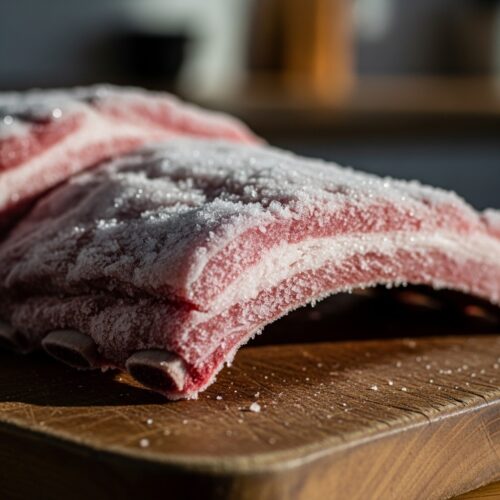
How to Safely Thaw Ribs in the Refrigerator
1. Plan Ahead: Thawing takes time. Ideally, place the ribs in the fridge 24 hours before you plan to cook them.
2. Use a Leak-Proof Bag: This helps prevent any juices from leaking onto other foods.
Table of Contents
3. Place on the Bottom Shelf: This avoids cross-contamination with other items.
Recommended Time Frames for Thawing
Here’s a quick reference for how long it takes to thaw different types of ribs in the refrigerator:
| Rib Type | Weight Range | Thawing Time |
|---|---|---|
| Baby Back Ribs | 1.5 to 2.5 lbs | 12 to 24 hours |
| Spare Ribs | 2.5 to 4 lbs | 24 to 36 hours |
| St. Louis Ribs | 3 to 5 lbs | 24 to 36 hours |
Slow thawing in the refrigerator keeps the meat tender and flavorful.
Importance of Maintaining Proper Temperature
Keeping the ribs at a safe temperature is crucial. The refrigerator should be at or below 40°F (4°C). This temperature prevents bacterial growth. Remember, never leave ribs out at room temperature to thaw. This can lead to unsafe conditions and spoilage.
By following these steps, you’ll ensure your ribs are ready to cook while keeping food safety in check.
Quick Thawing Using the Cold Water Method
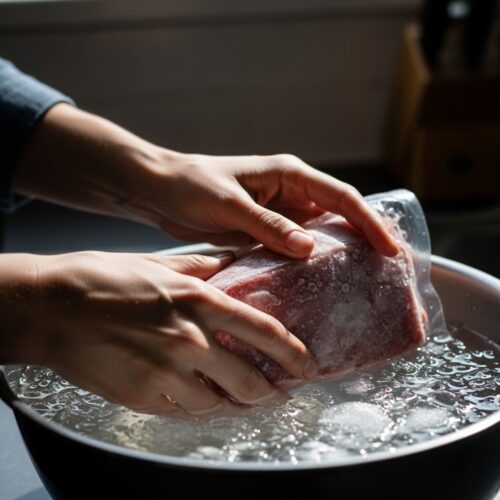
Thawing frozen ribs in cold water is a quick and effective method. It’s simple, fast, and can keep your ribs safe from bacteria when done correctly.
Step-by-step guide to cold water thawing
1. Prep the ribs: Place the frozen ribs in a leak-proof plastic bag. This prevents water from getting in and causing cross-contamination.
2. Submerge in cold water: Fill a bowl or sink with cold water and fully submerge the bagged ribs. Make sure they’re covered completely.
3. Change the water: Every 30 minutes, change the water to keep it cold. This helps maintain a safe temperature and prevents bacterial growth.
4. Check for flexibility: Continue thawing until the ribs are flexible and no longer frozen solid.
Key safety tips to avoid bacteria growth
- Always use cold water, never hot or warm water. Hot water can promote bacterial growth.
- Use a leak-proof bag to avoid contamination.
- Cook the ribs immediately after thawing. Don’t refreeze them once they’ve been thawed using this method.
Timing details for different rib sizes
Here’s a quick timing chart for thawing ribs in cold water:
| Rib Type | Weight Range | Thawing Time |
|---|---|---|
| Baby Back Ribs | 1.5 to 2.5 lbs | 30 to 75 minutes |
| Spare Ribs | 2.5 to 4 lbs | 1.5 to 2 hours |
| St. Louis Ribs | 3 to 5 lbs | 1.5 to 2.5 hours |
Checklist for cold water thawing
Dos:
- Use a leak-proof bag.
- Change the water every 30 minutes.
- Cook ribs right after thawing.
Don’ts:
- Never use hot water.
- Don’t leave ribs out at room temperature.
- Avoid refreezing thawed ribs.
By following these steps, you can safely and quickly thaw your ribs, ensuring they’re ready for a delicious cookout!
Speedy Thawing in the Microwave
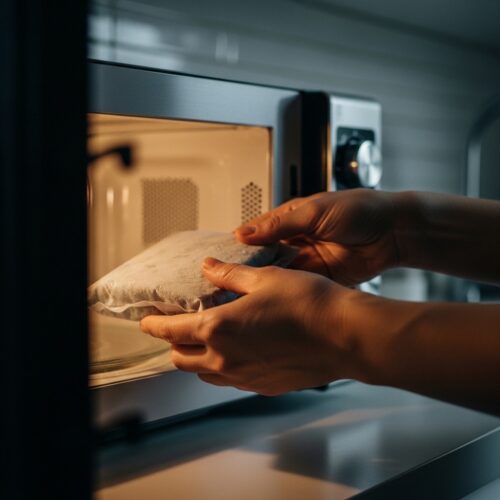
Thawing ribs in the microwave is a quick option, but it comes with its own set of challenges. Let’s dive into how to do it safely and effectively.
How to thaw ribs safely in the microwave
To thaw your ribs in the microwave, follow these steps:
1. Prep the Ribs: Place the frozen ribs in a microwave-safe dish.
2. Cover: Use microwave-safe plastic wrap to cover the dish. This helps retain moisture.
3. Defrost: Set your microwave to the defrost function. Typically, aim for 5 to 7 minutes per pound.
4. Check Frequently: Stop the microwave every few minutes to check the ribs. This prevents uneven thawing.
Understanding the risks of uneven thawing
Microwave thawing can lead to hot spots. This means parts of the ribs might start cooking while others remain frozen. That’s not good for food safety. Here’s what to watch out for:
- Bacterial Growth: If parts of the ribs reach temperatures above 40°F (4°C) but aren’t cooked, bacteria can thrive.
- Texture Changes: Uneven thawing can make some areas tough or dry.
Best practices for microwave thawing
To maximize safety and quality, follow these best practices:
- Cook Immediately: Always cook the ribs right after thawing. This minimizes the risk of bacteria.
- Avoid Hot Water: Never use hot water to speed up thawing. This can lead to uneven cooking.
- Use a Meat Thermometer: Ensure the ribs reach an internal temperature of at least 145°F (63°C) after cooking.
Quick Reference: Microwave Thawing vs. Other Methods
| Method | Time Estimate | Safety Level |
|---|---|---|
| Microwave | 5-7 minutes per pound | Moderate |
| Cold Water | 30 minutes per pound | High |
| Refrigerator | Several hours to overnight | Very High |
By keeping these tips in mind, you can safely thaw your ribs in the microwave while ensuring they remain delicious and ready for cooking!
Understanding the Risks of Improper Thawing
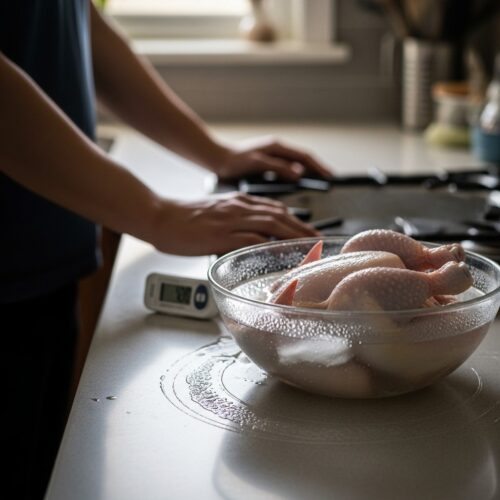
Thawing frozen ribs might seem simple, but doing it wrong can lead to serious health risks. Understanding these risks is key to keeping your food safe and tasty.
What is the danger zone for meat?
The “danger zone” for meat is between 40°F and 140°F (4°C and 60°C). In this range, bacteria can multiply quickly. Thawing ribs at room temperature puts them right in this danger zone. That’s a big no-no!
Consequences of improper thawing
Improper thawing can lead to foodborne illnesses. Here are some common issues:
- Bacterial Growth: Thawing at room temperature can allow harmful bacteria like Salmonella and E. coli to grow.
- Loss of Flavor and Texture: If not thawed properly, ribs can become mushy or lose their delicious flavor.
- Freezer Burn: Thawing and refreezing can cause freezer burn, ruining the quality of your meat.
Statistics show that improper thawing methods are a significant contributor to foodborne illnesses. In fact, about 48 million people get sick from food each year in the U.S. alone!
Best practices to ensure safe thawing
To keep your ribs safe and tasty, follow these best practices:
- Refrigerator Thawing: This is the safest method. It keeps ribs at a consistent, cool temperature. Plan ahead; it can take several hours to overnight.
- Cold Water Thawing: Submerge ribs in cold water, changing the water every 30 minutes. This method can take about 30 minutes per pound.
- Microwave Thawing: This is quick but requires close attention. Use the defrost setting and cook the ribs immediately after thawing.
Here’s a quick reference for thawing methods and their safety levels:
| Method | Time Estimate | Safety Level |
|---|---|---|
| Refrigerator | Several hours to overnight | Very High |
| Cold Water | 30 minutes per pound | High |
| Microwave | 5-7 minutes per pound | Moderate |
By following these tips, you can ensure not only the safety of your ribs but also their flavor and texture.
Frequently Asked Questions
These quick answers cover the most common questions about this topic, including key details, practical tips, and common concerns.
What’s the quickest way to defrost frozen ribs?
The fastest method is using the microwave’s defrost setting. Set your microwave to defrost and check the ribs every few minutes to prevent uneven thawing. Be aware that this method can cause hot spots, so cook the ribs immediately after thawing.
How to defrost meat in 5 minutes?
While fully thawing in 5 minutes is challenging, you can partially thaw ribs using the microwave. Use the defrost function for about 5 minutes per pound, checking frequently. For safety and best results, cook the ribs right after this quick thaw.
Do you thaw ribs in hot or cold water?
Always use cold water to thaw ribs. Hot water can promote bacterial growth and cause uneven thawing. Submerge the ribs in a leak-proof bag, change the water every 30 minutes, and cook immediately after thawing.
How to thaw frozen pork quickly?
The fastest safe method is cold water thawing. Place the pork in a leak-proof bag, submerge in cold water, and change the water every 30 minutes. Expect it to take about 30 minutes to a few hours depending on the size.
Can I cook ribs from frozen?
Yes, you can cook ribs directly from frozen, especially in the oven or slow cooker. However, it may take longer to cook. For best results, use a meat thermometer to ensure they reach at least 145°F (63°C) for safety.
What are the signs of freezer burn on ribs?
Freezer burn appears as dry, grayish-brown patches on the meat. The texture may become leathery or tough, and the flavor can be dull or off. While not unsafe, freezer-burned ribs are less appetizing and should be used promptly.
How long can thawed ribs stay in the fridge?
Thawed ribs should be cooked within 3 to 5 days if kept at or below 40°F (4°C). Always check for spoilage signs like sour smell, slimy texture, or discoloration before cooking.
When should you start thawing ribs before cooking?
Plan to start thawing ribs 24 hours before cooking in the refrigerator for best results. If using cold water, begin thawing about 1.5 to 2 hours prior. Use the microwave only if you need to thaw quickly and plan to cook immediately.