
Composting is a game changer for lush tropical gardens, transforming organic waste into rich soil. Let’s explore the essential techniques to master composting in these vibrant climates and unlock the secrets to a thriving garden. Read Interesting article: Top Fertilization Techniques for Lush Tropical Plant Life
Table of Contents
Understanding Composting in Tropical Climates
What is Composting?
Composting is a natural process of recycling organic matter, like food scraps and yard waste, into a valuable soil amendment. Over time, microorganisms break down the materials, resulting in nutrient-rich compost that enhances soil structure and fertility. I remember the first time I tried composting; it felt like magic watching kitchen scraps turn into dark, crumbly gold for my garden.
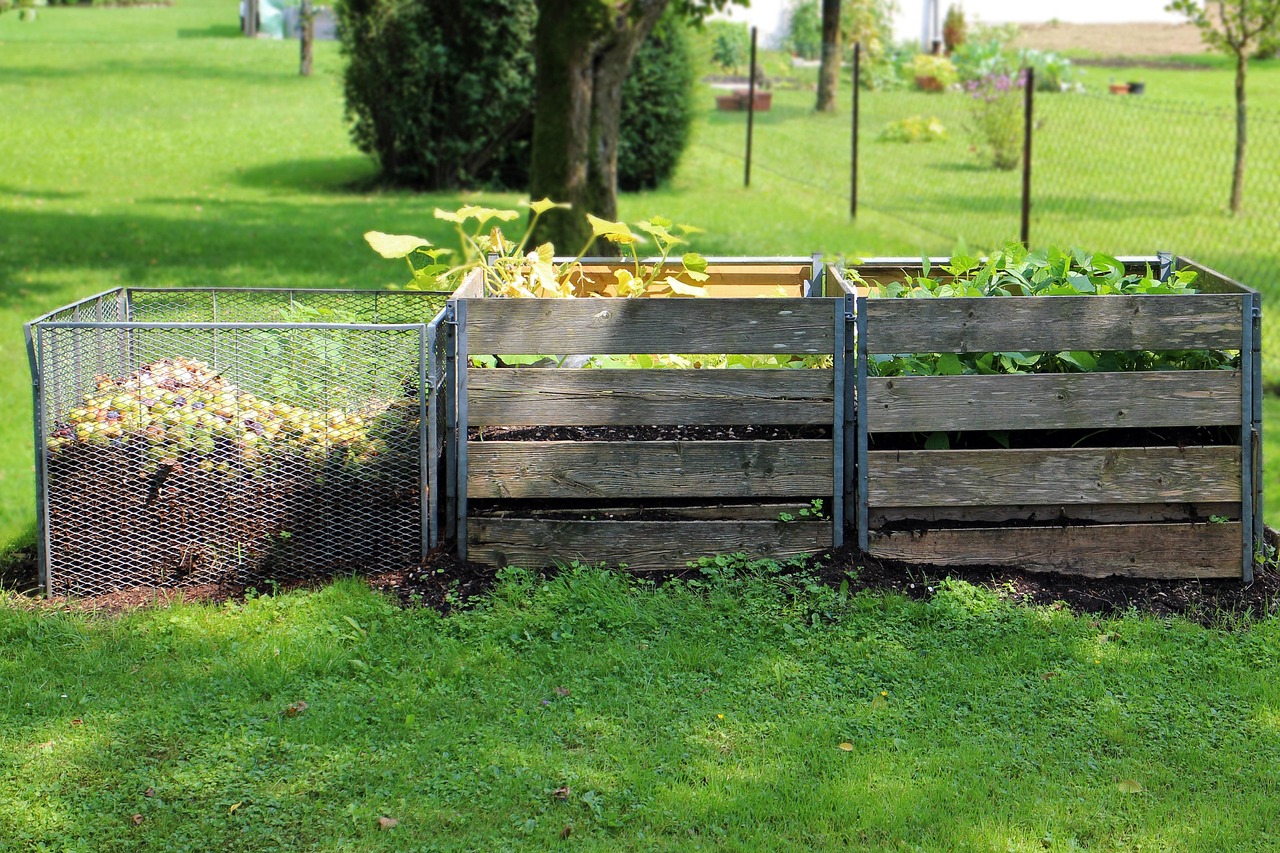
The Importance of Composting for Tropical Gardens
In tropical climates, where rainfall and humidity can be abundant, composting plays a crucial role. It helps manage organic waste effectively and contributes to healthier plants. Tropical gardens often face challenges like nutrient depletion and soil erosion, and composting can combat these issues by enriching the soil and improving its water retention ability. I’ve seen my plants flourish after I started adding homemade compost to my garden beds. Read Interesting article: Top Fertilizer Application Techniques for Tropical Plant Care
Benefits of Composting in Humid Environments
The benefits of composting in humid environments are profound. For starters, compost helps suppress plant diseases and pests, which can be rampant in tropical regions. By enriching the soil with compost, we not only nourish our plants but also create a balanced ecosystem. I’ve noticed that my flowers bloom brighter and vegetables produce more when I regularly incorporate compost into my gardening routine.
Additionally, composting reduces waste sent to landfills, which is a win for the environment. It also helps to mitigate greenhouse gas emissions by avoiding the anaerobic decomposition of organic matter that occurs in landfills. Knowing that my compost pile is making a positive impact gives me a sense of satisfaction every time I add to it.
Key Components of Composting
Brown Materials (Carbon Sources)
The foundation of any compost pile is made up of brown materials, or carbon sources. These include dry leaves, straw, cardboard, and wood chips. I learned early on that balancing brown materials with green materials is essential for a healthy compost pile. They provide the necessary carbon that fuels the composting process. When I started collecting brown materials from my yard, I noticed my compost became more aerated and efficient.
Green Materials (Nitrogen Sources)
On the flip side, green materials are rich in nitrogen. These include fresh grass clippings, vegetable scraps, and coffee grounds. In my experience, adding a good mix of green materials speeds up the decomposition process. One of my favorite tricks is to save coffee grounds from my morning brew; they not only boost nitrogen levels but also attract beneficial microorganisms to the compost pile.
Water and Air Requirements
Maintaining proper moisture levels and air circulation is vital for successful composting. The ideal moisture content is like a damp sponge—moist but not soggy. I often check my compost pile by grabbing a handful; if it feels too dry or too wet, I adjust accordingly. Turning the pile regularly also helps aerate it, ensuring that aerobic bacteria thrive. I enjoy the workout it gives me and the satisfaction of nurturing my compost.
Microorganisms and Their Role in Composting
Microorganisms are the unsung heroes of composting. Bacteria, fungi, and other decomposers work tirelessly to break down organic matter. I’ve learned that maintaining a diverse population of microorganisms is key to a faster composting process. You can boost these tiny workers by adding a handful of finished compost or garden soil to your pile, giving them a welcoming environment to thrive.
If you’re ever unsure whether your compost is working, just take a peek inside. The warm, earthy smell and the presence of worms are excellent indicators that the microorganisms are hard at work, transforming your waste into something wonderful.
Composting Methods Suitable for Tropical Gardens
Hot Composting Techniques
Hot composting is one of the quickest ways to transform organic waste into nutrient-rich compost. This method relies on the heat generated by microbial activity. I remember the first time I tried hot composting; it felt like I was conducting an experiment in my backyard. By layering green and brown materials in a well-aerated pile, I could create the perfect environment for bacteria to thrive. The key is to maintain high temperatures—ideally between 130°F and 160°F—for several days. Turning the pile every few days helps sustain that heat, and it’s like seeing instant results as the materials break down faster than I ever expected.
Cold Composting Techniques
If hot composting feels a bit too intense for you, cold composting might be the way to go. I’ve found this method to be incredibly forgiving. With cold composting, you simply pile your organic waste in a bin or a designated area and let nature do its thing over a longer period—typically six months to a year. There’s no need for turning, and I can just add materials whenever I have them. It’s low-maintenance, and I love that it allows for a more relaxed approach to composting. Just keep in mind that it takes more time to produce finished compost, but I’ve learned to be patient and appreciate the gradual transformation.
Vermicomposting (Worm Composting)
Vermicomposting has become one of my favorite methods for composting, especially because it requires very little space. By using red wigglers or other composting worms, I can break down kitchen scraps quickly. I started my vermicomposting bin in a small plastic container, and it has been a delightful experience. Watching those little guys do their work is fascinating! Not only do they help create compost, but their castings are an incredibly potent fertilizer. I’ve found that my plants respond wonderfully to the nutrient boost from worm castings, and maintaining a worm bin is surprisingly easy with the right balance of food and bedding.
Compost Tumblers
Compost tumblers are another great option for tropical gardeners. They make it easy to turn the compost without the need for a pitchfork or shovel. I purchased a tumbler a few years ago, and it has significantly reduced the effort I need to put into my composting routine. These enclosed systems heat up quickly, allowing for faster decomposition. The convenience of just spinning the tumbler to aerate the compost is a game changer. I often find myself checking it for progress, and the ease of adding or removing materials has made my composting journey even more enjoyable.
Bokashi Composting
Bokashi composting is a fascinating technique that I stumbled upon while searching for alternatives to traditional composting. It’s a fermentation process that uses a special mixture of microorganisms to break down organic waste, including meat and dairy, which are usually not recommended for other composting methods. I bought a Bokashi kit and started adding my kitchen scraps to the bucket with the Bokashi bran. After a couple of weeks, I was amazed at the fermented smell and the transformation of the waste. Once the bucket was full, I buried the contents in my garden, and within a few weeks, it turned into nutrient-rich soil. It’s an innovative solution for small spaces and allows for a broader range of materials. Read Interesting article: 10 Essential Pruning Techniques for Bigger and Healthier Grapes
Essential Tools and Materials for Successful Composting
Choosing the Right Compost Bin
Selecting the right compost bin has been one of the most important steps in my composting journey. There are so many options available, from simple pile setups to sophisticated bins with aeration systems. I opted for a sturdy, enclosed bin that keeps pests out and retains moisture. Having a designated space for composting makes it feel less chaotic and gives me a sense of organization in my garden. I recommend considering size, accessibility, and how much waste you generate when choosing a bin.
Tools for Turning and Maintaining Compost
While some methods require less intervention, having the right tools can make maintaining your compost pile much easier. I’ve found that a simple pitchfork is perfect for turning my compost, while a garden fork can help break up clumps. A trowel is great for transferring finished compost to my garden beds. Keeping my tools clean and organized has made the whole process smoother, and I feel more connected to my composting efforts.
Starter Materials and Additives
To kickstart the composting process, having the right starter materials and additives is essential. For me, adding a layer of finished compost or garden soil to my new pile has worked wonders in introducing beneficial microorganisms. I’ve also tried using specific additives like compost accelerators available at garden centers. They can help speed up decomposition, especially in the initial stages. Learning to identify the best materials to include has been a valuable part of my composting experience, as it sets the foundation for future success.
Creating the Perfect Compost Pile
Layering Techniques
When I first began composting, I quickly realized that layering is crucial for creating the perfect compost pile. It’s like building a cake, and each layer has a specific purpose. I start with a base of coarse brown materials like straw or small branches to promote airflow at the bottom. Then, I alternate layers of green and brown materials, aiming for a ratio of about 2:1 or even 3:1 in favor of browns. This balance creates an ideal environment for aerobic bacteria to thrive and break down the organic matter efficiently.
Another tip I’ve found helpful is to chop or shred larger materials before adding them. This increases the surface area and speeds up decomposition. I often grab my pruning shears to cut up bigger items like cardboard or branches. Watching the pile grow and change with each layer has been one of my favorite aspects of composting.
Maintaining Moisture Levels
Maintaining the right moisture level in my compost pile has been a learning experience. In tropical climates, the humidity can be both a blessing and a challenge. Too much moisture can lead to anaerobic decomposition, which produces unpleasant odors. I’ve learned to check my pile regularly by feeling it; it should feel like a damp sponge, not soaking wet. If it’s too dry, I sprinkle some water on it, but if it’s too wet, I add more brown materials to help absorb the excess moisture.
During the rainy season, I found it helpful to cover my compost pile with a tarp to prevent it from becoming waterlogged. This little trick has saved my compost from turning into a soggy mess more than once! I think finding that right balance is key to getting rich, dark compost in the end.
Turning Your Compost: Best Practices
Turning the compost pile is where the magic happens. I discovered early on that regularly aerating the pile speeds up the decomposition process significantly. I try to turn my compost every couple of weeks, using a pitchfork or shovel. This not only introduces oxygen but also redistributes materials, ensuring even breakdown. I remember the first time I turned my pile and felt the warmth radiating from it—it was a clear sign that the microorganisms were hard at work.
When turning, I take the time to break up any clumps and mix in any materials that may not be breaking down as quickly. I’ve noticed that I get a more uniform compost this way, and it’s satisfying to see the transformation happening right before my eyes. Plus, it’s a great way to connect with the process and feel like I’m actively participating in the recycling of nature.
Recognizing When Compost is Ready
Knowing when your compost is ready can feel a bit like waiting for a cake to bake. I’ve learned to look for specific signs that indicate it’s time to harvest. Finished compost should be dark, crumbly, and have an earthy smell. If it still looks like recognizable food scraps or yard waste, it’s not done yet. I often find myself digging into my pile to inspect it, and that’s when the excitement builds! The texture should be uniform, and it should feel cool to the touch.
Another trick I use is to do a smell test. If it smells sweet and earthy, it’s a good sign it’s ready. However, if it has a sour or rotten odor, that means it needs more aeration or browns to balance it out. I remember the first time I harvested my compost and mixed it into my garden beds. It felt rewarding to see the fruits of my labor come to life in my plants, and I knew all the effort had been worth it.
Common Challenges in Tropical Composting
Dealing with Excess Moisture
Excess moisture is one of the biggest challenges I’ve faced while composting in a tropical climate. With high humidity and heavy rains, my compost pile can quickly become too wet. I’ve learned to keep an eye on the weather and adjust accordingly. Adding more browns like dry leaves or shredded cardboard can help absorb some of that moisture. I also find that turning the pile more frequently during wet periods allows for better aeration, which is crucial in preventing anaerobic conditions.
If I notice signs of excess moisture, like a sour smell or slimy texture, I immediately take action. I’ve even set up a simple drainage system for my compost bin, allowing excess water to escape. This proactive approach has saved my compost from turning into a smelly sludge more than once!
Avoiding Pests and Odors
Pests are another concern that I had to tackle head-on. In tropical climates, it’s common to attract unwanted critters, from ants to rodents. I’ve found that keeping my compost covered helps deter pests. I also avoid adding meat or dairy products, which are notorious for attracting animals. Instead, I focus on plant-based scraps, which are less appealing to pests.
To combat odors, I make sure to balance my green and brown materials properly. Adding more browns when I notice a foul smell can bring the compost back into balance. Keeping the pile aerated by turning it regularly also helps minimize odors. I remember a time when I neglected my compost for a bit too long and was met with a strong smell when I finally turned it. It was a good reminder of how careful management leads to that sweet, earthy aroma we all aspire for!
Managing Speed of Decomposition
The speed of decomposition can vary widely, and I’ve had my fair share of slow composting episodes. Factors like temperature, moisture, and the materials used all play a role. I’ve found that using smaller pieces of organic matter accelerates the process. So, I often break up large items before adding them to the pile. Additionally, I make sure to maintain a good balance of greens and browns to keep the microbial activity high.
If I need my compost ready sooner, I’ll utilize compost accelerators, or even add a scoop of finished compost to introduce more microorganisms. It’s amazing how a little tweak can make such a difference in the speed of decomposition. I’ve grown to appreciate the process more and more, knowing that patience often leads to great rewards in the end.
Frequently Asked Questions
What is composting?
Composting is a natural process of recycling organic matter, like food scraps and yard waste, into a valuable soil amendment through the action of microorganisms that break down the materials over time, resulting in nutrient-rich compost.
Why is composting important for tropical gardens?
In tropical climates, composting helps manage organic waste effectively, combats nutrient depletion and soil erosion, enriches the soil, and improves its water retention ability, contributing to healthier plants.
What are the benefits of composting in humid environments?
Composting in humid environments helps suppress plant diseases and pests, nourishes plants, reduces waste sent to landfills, and mitigates greenhouse gas emissions by avoiding anaerobic decomposition in landfills.
What are brown materials in composting?
Brown materials, or carbon sources, include dry leaves, straw, cardboard, and wood chips, which provide the necessary carbon that fuels the composting process.
What are green materials in composting?
Green materials are rich in nitrogen and include fresh grass clippings, vegetable scraps, and coffee grounds, which help speed up the decomposition process.
How can I maintain moisture and air requirements in my compost pile?
Maintaining proper moisture levels involves ensuring the pile feels like a damp sponge and not soggy. Regularly turning the pile helps aerate it, ensuring that aerobic bacteria thrive, which is crucial for successful composting.
What is hot composting?
Hot composting is a quick method that relies on the heat generated by microbial activity, requiring the pile to be layered with green and brown materials and maintained at high temperatures (ideally between 130°F and 160°F) for several days.
What is vermicomposting?
Vermicomposting is a method that uses red wigglers or other composting worms to break down kitchen scraps quickly. It is space-efficient and produces potent fertilizer in the form of worm castings.
How do I recognize when compost is ready?
Finished compost should be dark, crumbly, have an earthy smell, and feel cool to the touch. It should not contain recognizable food scraps or yard waste.
What challenges might I face when composting in a tropical climate?
Common challenges include dealing with excess moisture, avoiding pests and odors, and managing the speed of decomposition, which can be affected by temperature, moisture, and the materials used.