
Are you tired of inconsistent watering in your garden? Drip irrigation might just be the solution you need to ensure your plants thrive while conserving water! Read Interesting article: Top 5 Drip Irrigation Techniques for Tropical Plants
Table of Contents
Understanding Drip Irrigation
What is Drip Irrigation?
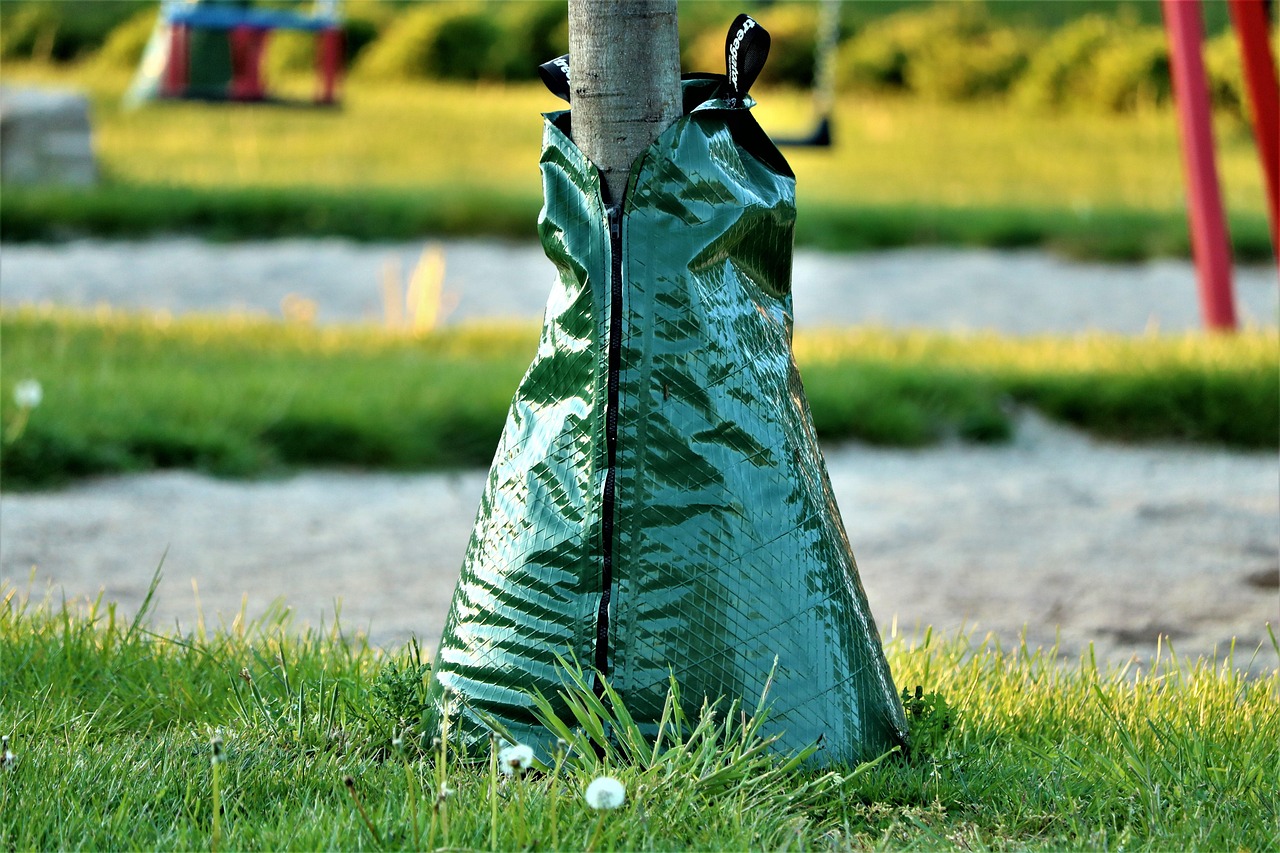
Drip irrigation is a method of watering plants where water is delivered directly to the root zone in a slow, steady manner. I remember the first time I set up my own system; it felt like magic watching the water seep gently into the soil without wasting a drop. Instead of soaking the entire area, which can lead to evaporation and runoff, drip irrigation allows for targeted watering. It’s a smart, efficient way to maintain healthy plants without the hassle of traditional watering methods.
Benefits of Drip Irrigation
There are so many reasons I love drip irrigation! First off, it saves water, which is crucial in many areas where water conservation is a priority. Since the water goes directly to the roots, plants are less likely to suffer from drought stress. I’ve noticed a significant reduction in my water bill since I switched to drip irrigation. It’s also a time-saver; I can set it up on a timer and forget about it, freeing up my weekends for other activities.
Another benefit is that it reduces weed growth. By directing water only where it’s needed, I’ve noticed fewer weeds popping up in the garden. Plus, the consistent moisture helps prevent issues like blossom end rot in tomatoes or other fruiting plants. And let’s not forget the health of the plants! They thrive better when they receive a steady supply of water, leading to bigger fruits and more vibrant flowers.
Common Components of a Drip Irrigation System
Setting up a drip irrigation system may seem daunting, but I found that understanding its components made it a lot easier. At its core, a drip irrigation system typically includes:
- Water Source: This can be a garden hose, a faucet, or even a rain barrel.
- Drip Tubing: This is the mainline that carries water from the source to your plants.
- Emitters: These are small devices that release water at a slow rate directly to the soil. I’ve learned that the type of emitter you choose can significantly impact water delivery.
- Filters: These prevent sediment from clogging your system, something I experienced early on when I neglected this step.
- Pressure Regulators: They ensure that water flows at the right pressure, protecting the emitters from damage. I once had a mishap with too much pressure, and it wasn’t pretty!
By understanding these components, I felt more confident in assembling my drip irrigation system. Each piece plays a vital role in ensuring that everything works smoothly, and I can’t stress enough how important it is to choose quality materials for longevity. Read Interesting article: Master Drip Irrigation: Transform Your Tropical Garden
Planning Your Drip Irrigation System
Assessing Your Garden’s Water Needs
Before diving into installation, I found it essential to assess my garden’s water needs. Not all plants require the same amount of water, and understanding this can save you time and resources. I took a moment to walk through my garden and made notes on which plants thrived in wetter areas and which ones preferred drier conditions. This simple assessment made planning my drip irrigation layout much smoother.
Choosing the Right Drip Irrigation Kit
When I decided to invest in a drip irrigation kit, I was overwhelmed by the options available. I recommend looking for a kit that suits your garden size and plant types. Some kits come with everything you need, while others require you to buy components separately. I ended up buying a comprehensive kit that included all essential parts and even a user-friendly guide. It made the setup process so much easier!
Designing Your Layout: Rows vs. Beds
Designing the layout of your drip irrigation system is crucial. I discovered that my garden had a mix of rows and beds, so I needed to adapt the system accordingly. For rows, I placed emitters at intervals along the tubing to ensure that each plant received adequate water. For beds, I ran the tubing along the edges and used additional emitters to cover the whole area. I found it helpful to sketch out my garden layout on paper, which made the installation much more manageable.
Identifying Plant Types and Water Requirements
Finally, identifying the types of plants in my garden and their specific water requirements was a game-changer. I created a simple chart that listed each plant along with how much water it typically needs. This way, I was able to adjust emitter flow rates for different plants. I even labeled the emitters with color-coded stickers to keep track of the watering needs of different plants. This might seem a bit tedious, but it paid off big time in the health of my garden!
By understanding drip irrigation and planning accordingly, I transformed my garden into a thriving, water-efficient paradise. In the next sections, we’ll dive deeper into essential tips for optimizing your system, ensuring that every drop of water counts. Read Interesting article: Essential Guide to Irrigation for Tropical Garden Designs
Essential Drip Irrigation Tips
Setting Up Your System Correctly
Getting the setup right for my drip irrigation system made all the difference. When I first installed it, I learned that proper placement of the tubing and emitters is crucial for ensuring that every plant gets the water it needs. I started by laying out the mainline tubing before securing it in place. I made sure that it was close enough to the plants to minimize the distance water had to travel. This way, I reduced the chances of evaporation and ensured that water reached the roots effectively. I remember making adjustments as I went along, and it was satisfying to see everything come together in the end. Taking the time to set up correctly saved me a lot of headaches later on!
Adjusting Flow Rates for Different Plants
Once my system was up and running, I quickly realized that not all plants have the same water needs. I made it a priority to adjust the flow rates of the emitters according to each plant type’s requirements. For instance, my succulents needed much less water compared to my tomatoes, which were thirsty little things! I used different emitters with varying flow rates to ensure that each plant received just the right amount. By keeping a close eye on my plants, I could tell if they were thriving or needed adjustments. It’s amazing how a little tweaking can lead to such healthy growth!
Using Timers for Efficient Watering
One of my favorite features of my drip irrigation system is the timer. I was skeptical at first, thinking it might be complicated, but it turned out to be a game-changer. I set my timer to water early in the morning when temperatures are cooler, which helps minimize evaporation. This way, I don’t have to worry about forgetting to turn it on or off. Plus, it gives me peace of mind, knowing that my garden is getting the care it needs while I enjoy my coffee on the porch. I highly recommend investing in a good timer; it’s one of those things that truly makes a difference.
Regular Maintenance and System Checks
To keep my drip irrigation system running smoothly, I learned that regular maintenance is key. At first, I would forget to check my system, but I quickly realized that a little attention goes a long way. I started scheduling monthly checks to look for clogs, leaks, and any signs of wear on the tubing. I remember discovering a couple of clogged emitters that could have affected my plants’ health. Cleaning or replacing emitters as needed helped maintain consistent water delivery. I also found it helpful to flush the system occasionally to clear out any debris that may have accumulated. This simple practice helped me avoid larger problems down the road!
Common Mistakes to Avoid
Overwatering: Signs and Solutions
In my early days with drip irrigation, I made the mistake of overwatering my plants. I thought that more water meant happier plants, but I quickly learned that too much water can lead to root rot and other issues. I started monitoring the soil moisture levels by digging down a bit or using a moisture meter to check how damp the soil was. If I noticed that the soil was consistently soggy, I adjusted the timer and emitter flow rates. I found that letting the soil dry out slightly between watering sessions encouraged stronger root growth and healthier plants.
Underwatering: How to Identify Issues
On the flip side, I also had my share of underwatering problems, especially during hot spells. I would sometimes forget to adjust the timer as the weather changed. Wilting leaves and poor growth were my telltale signs something was wrong. I learned to pay attention to my plants; they often give us clues when they need more water. I started keeping a watering log to track my plants’ needs based on the weather and growth stages. This practice helped me anticipate their requirements better, making it easier to keep them happy!
Ignoring Water Quality and Filtration
Water quality is something I didn’t think much about initially, but it became clear how important it is for a healthy drip irrigation system. I learned that sediment and debris can clog emitters, impacting water delivery to my plants. Installing a good filter was one of the best decisions I made. I now routinely check and clean the filter to ensure that the water flowing through the system is clean. This small step has saved me from many headaches and helped my plants thrive without interruption.
Advanced Techniques for Optimizing Drip Irrigation
Integrating Rain Sensors
As I continued to refine my drip irrigation system, I became intrigued by the idea of integrating rain sensors. These devices can automatically shut off the system when it rains, preventing unnecessary watering. I installed one on my system, and it was a fantastic decision! It’s a great way to save water and reduce my utility bill. I love knowing that my garden is being taken care of without me having to worry about the weather. Just the other day, it rained unexpectedly, and I was so grateful for that sensor!
Using Soil Moisture Sensors
In my quest for efficiency, I also decided to try soil moisture sensors. They help determine the moisture level at the root zone, providing real-time feedback on whether my plants are getting enough water. I placed a couple of sensors in different areas of my garden, and it’s been fascinating to see the data they provide. I feel more in control, and it helps me make informed decisions about watering schedules. It’s like having a little helper in the garden!
Seasonal Adjustments for Climate Variability
As seasons change, so do my plants’ water needs. I’ve learned to adjust my watering schedule based on seasonal conditions. For example, in the hotter months, I increase the watering duration, while in the cooler months, I dial it back. This flexibility has been vital for keeping my garden healthy all year round. I keep a gardening journal, documenting these adjustments, which has helped me track what works best for my specific climate.
Environmental Considerations
Water Conservation Practices
Water conservation is something that I’ve become increasingly passionate about, especially as I’ve seen firsthand how much water can be saved with a drip irrigation system. One of the practices I adopted was to incorporate a rainwater harvesting system into my gardening routine. I set up a simple rain barrel connected to my downspouts to capture rainwater. Whenever it rains, I collect this precious resource to use for watering my plants. It’s a sustainable way to reduce reliance on municipal water and provides a free source of hydration for my garden.
Furthermore, I’ve learned to optimize my watering schedule. Instead of keeping the system running daily, I now water based on the needs of my plants and the current weather conditions. I keep an eye on the forecast, adjusting my watering accordingly. If I know rain is coming, I skip watering the day before. This little tweak not only saves water but also helps my plants adapt to the natural rhythm of weather.
Reducing Erosion and Runoff
Another benefit of drip irrigation I’ve noticed is its ability to help reduce soil erosion and runoff. With traditional sprinklers, water often splashes around, causing soil to wash away, especially on slopes. I remember the first time I saw heavy rain wash away soil in my garden; it was a heartbreaking sight. Once I switched to drip irrigation, I noticed a significant difference. The slow, targeted delivery of water means that it seeps into the soil rather than running off, allowing it to stay put where it’s needed most.
To further enhance this effect, I’ve mulched my garden beds. Using organic mulch not only helps retain moisture but also reduces erosion by protecting the soil from heavy rains. The combination of drip irrigation and mulch has created a more stable environment for my plants, and it gives me a sense of satisfaction knowing I’m doing my part to protect the earth.
Choosing Eco-Friendly Materials
In my journey with drip irrigation, I also made a conscious effort to choose eco-friendly materials for my system. I researched options for tubing and emitters that are made from recycled materials. I found some companies that offer biodegradable options as well, which made me feel good about my choices. Knowing that my gardening practices can have a positive impact on the environment has been incredibly rewarding.
Additionally, I’ve started to pay more attention to the longevity of the materials I use. Investing in high-quality, durable components means I won’t have to replace them frequently, which is better for the planet. I also learned about the importance of proper disposal for any plastic parts that do wear out. Many local gardening centers offer recycling programs for used irrigation supplies, and I always make sure to take advantage of those.
Frequently Asked Questions (FAQs)
How much water does a drip irrigation system use?
From my experience, drip irrigation is an incredibly efficient way to water plants, using about 30-50% less water than traditional methods. The exact amount depends on your plant types and the system setup, but I’ve found that my garden stays well-hydrated with significantly less water than before. It’s a win-win for both my plants and my water bill!
Can I install a drip irrigation system myself?
Absolutely! I installed my first drip irrigation system myself, and it was much easier than I expected. With a bit of research and following the instructions that came with my kit, I was able to set everything up in a weekend. There are plenty of resources online, including videos and guides, that can walk you through the process step-by-step. Plus, there’s something really satisfying about creating a system that will take care of my garden for me!
What types of plants benefit most from drip irrigation?
I’ve found that almost all types of plants can benefit from drip irrigation, but it’s especially excellent for vegetables, fruits, and flowering plants. Deep-rooted plants like tomatoes and peppers thrive with the steady moisture, while delicate flowers appreciate the gentle watering without soaking their leaves. Even more drought-tolerant plants, like succulents, can benefit by ensuring they don’t get too much water at once!
How often should I water using drip irrigation?
The frequency of watering with a drip irrigation system really depends on the type of plants you have and the climate you’re in. In general, I water my garden every 3 to 7 days. During hotter months, I may increase the frequency, while cooler months usually require less. I recommend keeping an eye on your plants and adjusting based on their needs; they’ll often show you when they’re thirsty! Using a soil moisture sensor can also help you fine-tune your watering schedule for the best results.