
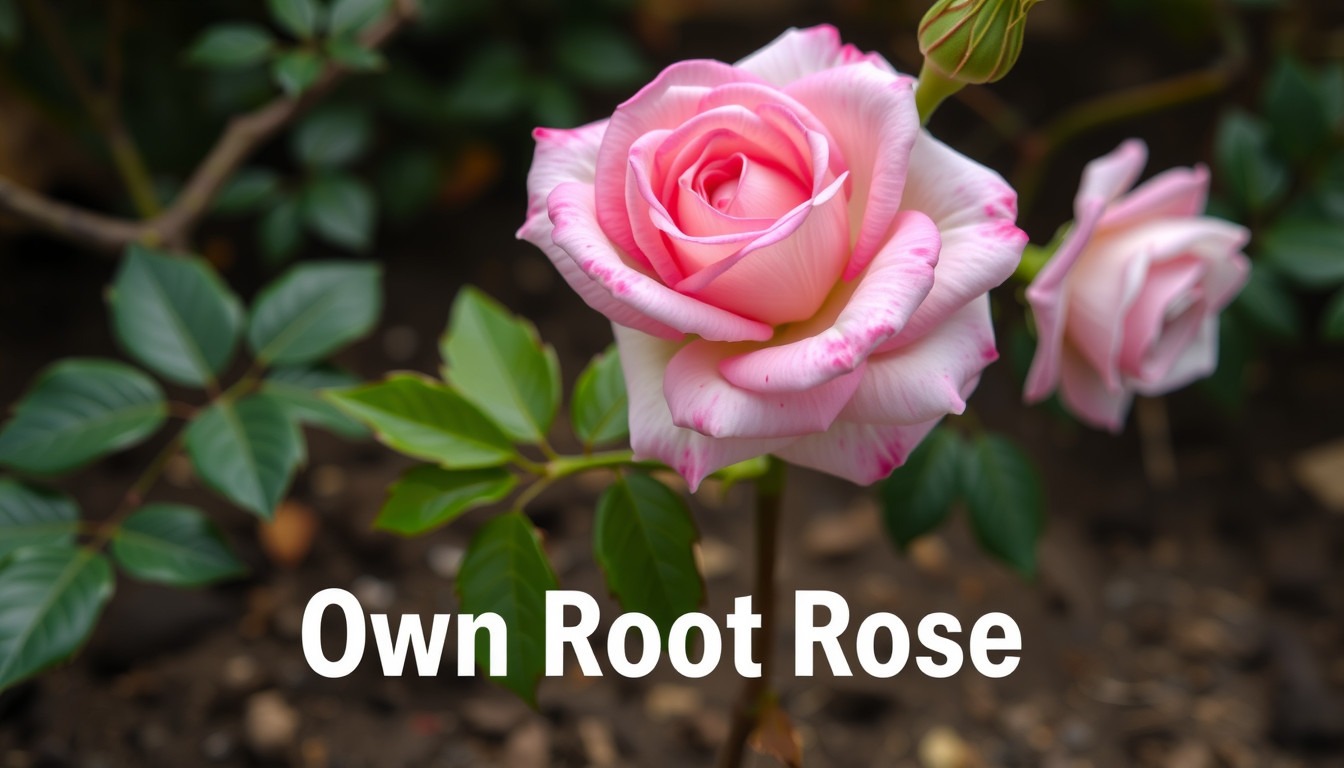
Own root roses are cultivated directly from seed or cuttings of the original plant, offering benefits such as greater resilience, longevity, and true-to-type growth compared to grafted varieties.
This article will explore why many gardeners prefer own root roses, detail their care needs, and provide tips for successful planting and maintenance based on expert sources.
What Are Own Root Roses and Why Choose Them?
Own root roses are rose plants that develop from cuttings rooted directly in the ground, rather than being grafted onto a different rootstock. This method ensures that the plant’s roots are native to the variety itself, resulting in several practical advantages for gardeners seeking durability, true-to-type flowering, and disease resistance. When choosing roses for planting, understanding the distinctions and benefits of own root roses can influence long-term satisfaction and plant health.
Disclosure: As an Amazon Associate I earn from qualifying purchases.
If you're considering establishing your own root roses, having the right gardening tools can make the process easier and more effective. Shop suitable gardening tools for rose cultivation on Amazon (affiliate link).
Table of Contents
1. Definition and Characteristics
| Entity | Attribute | Value |
|---|---|---|
| Own root roses | growth characteristics | Self-rooted growth ensures the plant grows true to its original variety, with vigorous foliage and flowers directly from the root system. |
| Own root roses | disease resistance | Generally offers enhanced resilience to certain pests and diseases compared to grafted counterparts, since the plant’s immune responses are not altered by rootstocks. |
| Own root roses | advantages | Authentic plant development, greater longevity, and true flower color/shape, with roots that are not dependent on a graft union. |
2. Advantages over Grafted Roses
- Authentic and Vigorous Growth: Because own root roses are rooted directly from cuttings, they develop as the original plant, avoiding the rootstock’s influence, which can sometimes alter flower color or form.
- Enhanced Disease Resistance: Self-rooted plants often have better resilience against soil-borne diseases and pests, since the root system is not a grafted rootstock that may not be resistant itself.
- Longer Lifespan: Without dependence on a graft union, own root roses tend to live longer and produce consistent, true-to-type blooms for many years.
- Improved Adaptability: These roses can sometimes better adapt to local soil and climate conditions, as their roots are local and native to the variety, rather than being dependent on non-native rootstocks.
How Are Own Root Roses Propagated and Grown?
Growing own root roses involves techniques that allow you to reproduce and establish roses with their original root systems, avoiding grafted plants. This approach can lead to more hardy and true-to-type plants, especially suited for gardeners who prefer to avoid the variability introduced by grafting. There are several propagation methods that growers and gardeners can use, as well as best practices for planting, maintaining, and caring for these roses during their establishment phase.

For natural cultivation, propagation methods like cuttings and layering are employed, similar to how other plants such as the Gold Mop Cypress are propagated effectively by these techniques propagation methods include cuttings and layering to grow own root roses naturally.
1. Propagation techniques: root cuttings and division
One of the most straightforward methods for propagating own root roses is through root cuttings or division. This technique involves cutting sections of the rose’s root system while it is dormant and planting them directly in soil. Root cuttings are typically taken in late winter or early spring, when the plant is not actively growing. The cuttings should be approximately 4-6 inches long, with a few buds, and planted in well-draining soil at a depth of about two inches. Dividing mature rose bushes can also succeed; careful excavation exposes the root ball, which is then split into sections, each containing healthy, active roots and a shoot or two. Each division can then be replanted, ensuring that the plant retains its original root system and genetic integrity.
2. Growing from nursery stock
Another reliable route to own root roses is purchasing plants from nurseries that grow roses on their own root stock. These plants are propagated via cuttings or divisions and are sold as established plants. When choosing nursery stock, look for healthy, well-established plants with multiple canes and no signs of disease or stress. Proper planting—placing the root ball at the same depth it was growing at in the nursery—is crucial for successful establishment. Maintaining consistent moisture and avoiding deep planting can help the plant settle and develop its root system naturally.
3. Care during establishment
During the establishment phase, which can take one to two growing seasons, own root roses need attentive care. Watering should be regular but not excessive; the soil should be kept moist but well-drained to prevent root rot. Mulching around the base conserves moisture, suppresses weeds, and protects roots from temperature fluctuations. Pruning should be minimal during initial growth, focusing on removing any damaged or dead stems. As the plant settles, pruning can be used to shape and stimulate healthy growth. Avoid grafting and pruning above the original root line, as this can compromise the plant’s own root system and cause the rose to revert to grafted growth, which is contrary to the true-to-type advantage of own root roses.
For those new to growing own root roses, a practical planting kit can support proper establishment and ongoing care. Shop suitable rose planting kit on Amazon (affiliate link).
Which Climates and Zones Suit Own Root Roses Best?
Choosing the right climate zone for own root roses ensures optimal growth, disease resistance, and longevity. Own root roses, planted directly in the soil from cuttings or grafted onto their own roots, tend to perform best in temperate, Mediterranean, and some subtropical climates where temperature fluctuations are moderate. These environments allow the rose’s natural resilience and hardiness to flourish without the stress caused by extreme cold or heat. Understanding the climate factors affecting performance helps gardeners select varieties that will thrive and develop into healthy, long-lived plants.
In climates with temperature extremes, additional protection can help ensure your own root roses thrive. Shop suitable garden protection covers on Amazon (affiliate link).
1. Climate factors influencing success
Temperature extremes present the most significant challenge for own root roses. In regions with harsh winters or very hot summers, additional protections—such as mulching or winter wrapping—may be necessary to prevent winter kill or heat stress. In colder zones, the risk is that roots may freeze if not adequately insulated, especially for varieties not adapted to low temperatures. Conversely, in zones with high heat, root systems may suffer from dehydration or scorch if not shaded or irrigated properly. Soil drainage is crucial, as overly wet or poorly drained soils can lead to root rot, regardless of climate. Proper site selection that considers these factors increases the likelihood of success.
2. Zone-specific varieties recommended
Own root roses generally perform well in USDA zones 4 through 8, where temperature variation is moderate. In zones 9 and above, specific varieties that have demonstrated heat tolerance are preferable, though some may require extra shading and watering. In colder zones, hardy varieties such as certain species roses and old garden roses tend to survive winter better when properly mulched and protected. Gardeners should match rose varieties to their specific zones, consulting with local nurseries or rose experts for recommendations tailored to their conditions. Such matching improves the longevity and health of own root roses, making them a sustainable choice for a variety of climates.
Comparison of Own Root and Grafted Roses
Choosing between own root roses and grafted roses depends on several factors, including longevity, disease resistance, and growth characteristics. Own root roses are grown from cuttings or seedlings, developing from the original plant’s root system. Grafted roses, however, are produced by attaching a desirable variety (the top or scion) onto a rootstock, which influences the plant’s vigor and resilience. Understanding the distinctions between these types helps gardeners select the best option for their specific garden conditions and long-term goals.
When choosing roses, understanding the differences between own root roses and grafted varieties is crucial, as discussed in comparative guides that detail their respective benefits and considerations own root roses versus grafted roses and their different benefits and considerations.
1. Key Points
- Vigor and Growth: Grafted roses often exhibit increased vigor and larger blooms because the rootstock is chosen for its strength and adaptability. Own root roses grow at a natural pace, which may be slower initially but tend to develop a more robust, resilient root system over time.
- Persistence and Longevity: Own root roses usually live longer and are more likely to survive harsh winters. Because they grow directly from the original plant, they carry fewer vulnerabilities linked to graft union failures, which can be a concern with grafted roses.
- Disease Resistance: Certain rootstocks are selected for their disease resistance. Grafted roses benefit from this, particularly in environments prone to soil-borne diseases. Own root roses, depending on their provenance and variety, may be more susceptible but can also be easier to manage without the complexities of graft union health.
- Ease of Propagation and Maintenance: Own root roses are often propagated from cuttings, making them easier for gardeners to multiply and customize. Grafted roses require skilled grafting which can be more delicate and costly but results in consistent plant qualities.
- Cost and Availability: Grafted roses are typically more expensive due to the labor involved in grafting and their commercial production. Own root roses tend to be more affordable and are increasingly available through nurseries and online sources.
Where and How to Buy High-Quality Own Root Roses
Securing healthy, genuine own root roses requires careful sourcing from reputable nurseries that emphasize authentic rootstocks. Buyers should focus on sellers offering certified, disease-free plants grown specifically on their own roots, which tend to be more adaptable and resilient over time. The selection process involves balancing variety choices, pricing considerations, and shipping options to ensure a successful planting experience and long-term rose health.
Sourcing high-quality own root roses from reputable vendors helps ensure healthy, disease-free plants, similar to how proper sourcing is important for healthy cut roses finding reputable sources for authentic own root roses ensures healthy plants.
Finding a reputable source for high-quality roses is key to establishing a successful garden. Shop suitable rose nursery catalog on Amazon (affiliate link).
1. Trusted nurseries and online sources
- Look for nurseries like High Country Roses, Edmunds’ Roses, and Heirloom Roses, recognized for their emphasis on own root stocks and high-quality propagation methods. High Country Roses specifically highlights their own root roses among their offerings, ensuring authenticity and plant vigor (source).
- Edmunds’ Roses provides a variety of own root roses, with detailed descriptions that help buyers identify durable, true-to-type options (source).
- Heirloom Roses offers a broad selection of own root roses for different climates with an emphasis on ecological resilience and disease resistance in their plant descriptions (source).
2. Factors affecting price and variety selection
- Pricing varies based on rose novelty, rarity, and the nursery’s reputation. Established nurseries emphasizing own root roses often charge a premium but offer healthier, more vigorous plants.
- Variety choices depend on climate suitability, garden aesthetic goals, and bloom characteristics. Certified own root roses are generally labeled clearly, ensuring buyer confidence.
- Local availability can influence cost and selection—ordering from regional nurseries may reduce shipping costs and transit times, whereas national or specialty sources might offer a broader spectrum of rare or heirloom varieties.
- Shipping considerations include nursery policies on bare-root vs. potted plants, shipping seasons (preferably spring or fall), and whether nurseries guarantee live arrival or offer plant replacements if issues arise.
Frequently Asked Questions
1. Which climate zones are ideal for own root roses?
Temperate, Mediterranean, and some subtropical zones with moderate temperature fluctuations support healthy growth, while colder zones require winter protection.
2. How long do own root roses typically last in a garden?
With proper care, own root roses often live 15 to 20 years, and many can thrive for decades without grafting deterioration.
3. What are the easiest propagation methods for beginners?
Root cuttings taken in winter or early spring and division of mature plants are straightforward methods suitable for beginners.
4. Are own root roses more resistant to diseases than grafted varieties?
Yes, they tend to have better resistance to soil-borne diseases since their roots are native to the plant’s genetic makeup.
5. Is initial planting more expensive compared to grafted roses?
Initial cost may be higher if purchasing nursery-grown own root roses, but they often require less maintenance and last longer.
6. Where can I reliably buy healthy own root roses?
Buy from reputable nurseries that specialize in self-rooted roses, ensuring plants are healthy, disease-free, and well-established.
7. What are the best practices for caring for own root roses after planting?
Water regularly but avoid overwatering, mulch to conserve moisture, and prune minimally during early establishment for healthy growth.