
Cut roses just above a leaf node or outward-facing bud, ideally at a 45-degree angle, during late morning when dew has dried, to promote healthy growth and extend vase life.
This guide explains the best timing and locations for cutting roses, including pruning techniques and tips for maintaining healthy, vibrant blooms in your garden or bouquet.
When to Cut Roses for Optimal Growth and Blooming
Timing is crucial when it comes to pruning and cutting roses, as it directly influences the health, vitality, and flowering potential of the plants. Knowing the best periods to cut roses ensures that each trimming promotes vigorous growth and abundant blooms without damaging the shrub or risking disease. The ideal time depends on environmental conditions, rose variety, and your local climate zone. Generally, the goal is to remove dead, diseased, or weak stems when it is most beneficial for the plant’s development, usually aligning with specific seasonal cues.

Knowing the best seasons for cutting roses is key; see descriptive natural anchor, which details timing and seasonal considerations for pruning.
1. Early morning versus later in the day
Pruning roses early in the morning offers advantages because stems are typically turgid, meaning they hold more water and are more resilient against damage. Cutting when the plant is well-hydrated reduces stress and promotes quicker healing. Conversely, late-day pruning can cause more moisture loss due to higher temperatures and lower humidity, potentially making plants more susceptible to disease. Therefore, whenever possible, schedule pruning sessions in the cooler, more humid morning hours for healthier cuts and faster recovery.
Table of Contents
Disclosure: As an Amazon Associate I earn from qualifying purchases.
Having the right tools can make the process of timing your cuts much easier and more effective. Shop suitable garden pruning scissors on Amazon (affiliate link).
2. After flowering or during dormancy
The most common timing for pruning roses is immediately after their main flowering cycle. This approach encourages the development of new growth that will produce flowers in the next season. For most roses, this means pruning in late winter or early spring just as buds start to swell but before new growth fully emerges. In climates with mild winters, pruning can be extended into early spring, but it’s generally best to wait until the threat of severe frost has passed to avoid winter injury.
3. Seasonal considerations for different climates
The optimal timing for cutting roses varies significantly based on regional climate zones. In colder climates, dormant pruning in late winter or early spring is ideal because plants are fully dormant, and pruning encourages vigorous new growth once conditions improve. In warmer, temperate zones, roses may be pruned later in the season, even during active growth periods, but always with care not to cut into the new growth that will produce the upcoming bloom. Conversely, in tropical regions where roses may bloom year-round, more frequent but light pruning throughout the year supports continuous flowering and health.
Ultimately, understanding specific rose types and local weather patterns helps refine the best schedule for pruning. Regularly observing the plant’s growth cues, such as swelling buds or leaf emergence, provides additional signals for optimal cutting times. Using clean, sharp tools and making precise cuts also enhances healing, ensuring the rose remains vigorous and bloom-rich season after season.
Where to Cut Roses for Healthy Growth and Vase Life
Proper pruning and cutting are essential for encouraging healthy growth, maximizing bloom production, and prolonging the vase life of cut roses. The goal is to make precise cuts at optimal points on healthy canes, which ensures quick healing, reduces disease risk, and helps the plant direct energy toward producing beautiful, vibrant flowers. Knowing exactly where to cut and how to make each cut can significantly impact the overall health and vigor of the rose bush.
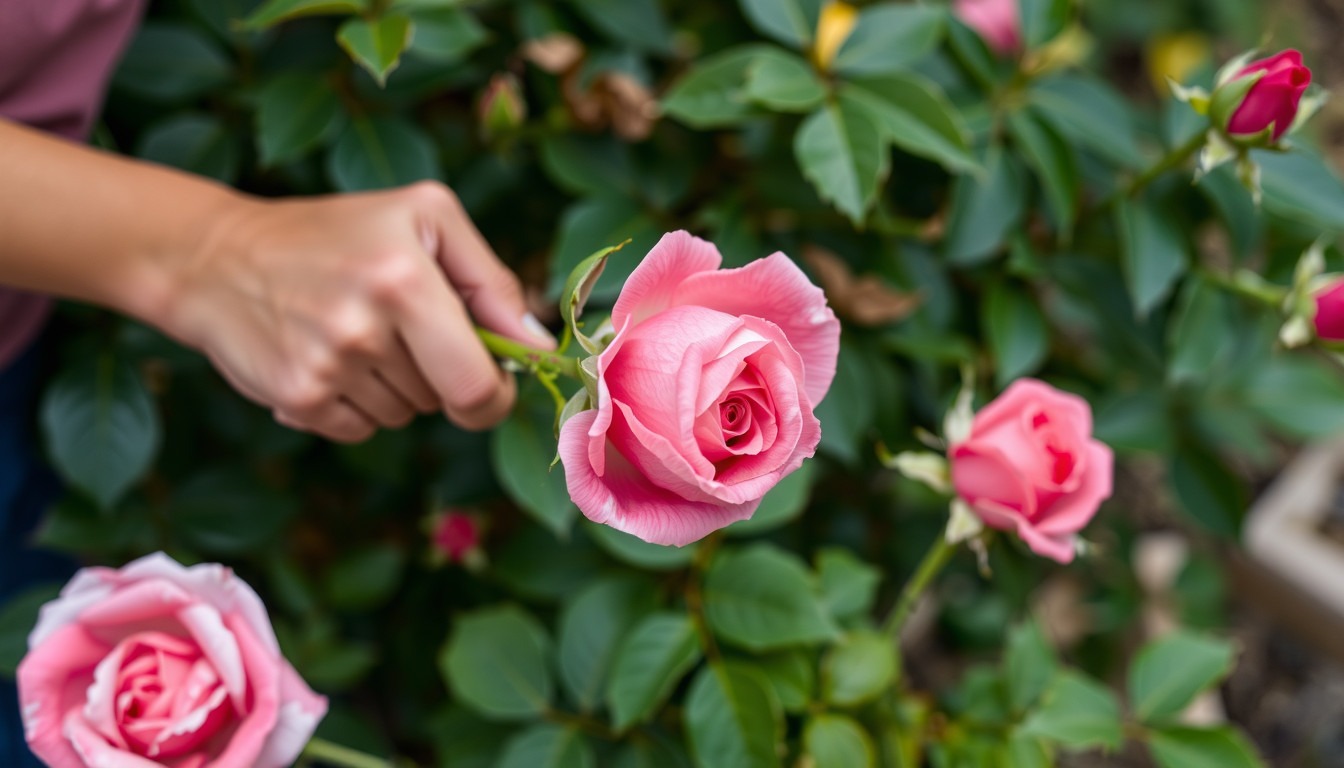
For tips on optimal placement and techniques, see descriptive natural anchor, which explains exactly how and where to make the cuts on stems for better results.
1. On a healthy cane above leaf set
The ideal cut point is just above a leaf set on a healthy cane. This encourages new growth from the bud just below the cut, which will develop into a new stem or flower. Make sure the cut is slanted at about a 45-degree angle to facilitate water runoff and prevent water from pooling on the cut surface, reducing the risk of rot and disease.
Quality pruning tools can help ensure your cuts are clean and promote healthy growth. Shop suitable pruning shears for roses on Amazon (affiliate link).
2. Below a bud for new growth
Cutting just below a healthy bud stimulates vigorous new growth. The chosen bud should face outward to promote an open, spreading shape for the plant. Removing old or damaged canes, as well as any that are crossing or rubbing against others, helps redirect energy to healthier stems and prevents infection.
3. Avoiding dead or diseased wood
Always identify and cut away dead, diseased, or damaged wood. These areas are weak points that can harbor pathogens and can compromise the entire plant. When cutting, make sure to remove these canes at their base or at the point where they join a healthy stem. This clean removal reduces the risk of spreading disease and results in a more vigorous, healthy plant.
By focusing on these precise cut points on healthy canes and removing any compromised wood, gardeners improve both the health of the rose bush and the quality of the blooms. Regular pruning, aligned with these guidelines, promotes stronger growth, larger flowers, and longer-lasting cut blooms.
Tools and Techniques for Precise, Healthy Cuts
To promote healthy growth and encourage abundant blooms, making proper cuts on roses is vital. Selecting the right tools ensures your cuts are clean and minimize damage, while precise technique helps avoid stress and disease in the plant. Using sharpened, sterilized equipment and following recommended angle and length of cuts will result in stronger, more resilient roses that last longer in bouquets or vases.
Choosing the right tools for a clean cut is important; see descriptive natural anchor, which covers selecting appropriate tools and the right cutting angles.
Using well-maintained shears can improve the precision of your cuts and the health of your roses. Shop suitable bypass pruning secateurs on Amazon (affiliate link).
1. Choosing sharp bypass shears
| Appropriate Tools for Cutting | Details and Best Practices |
|---|---|
| Sharp bypass shears | Cut stems with clean, smooth slices that reduce tissue damage and help prevent disease entry. Use scissors or secateurs specifically designed for pruning, ensuring they are sharp and well-maintained. |
| Sterilized equipment | Disinfect tools with alcohol or a bleach solution to prevent the spread of pathogens between cuts, especially when pruning multiple plants or dealing with diseased stems. |
2. How to angle cuts correctly
Cut the rose stem at a 45-degree angle, approximately ¼ inch above a leaf node or bud. This angled cut allows water to run off efficiently, reducing the likelihood of rot and promoting better hydration. The correct angle also increases the surface area for water absorption, which is essential for cut roses intended for floral arrangements or vase displays.
3. Ensuring clean, stress-free cuts
Make sure to cut the stem in an even, swift motion to avoid crushing or tearing the stem tissue. Sudden, precise cuts minimize plant stress and facilitate faster healing. Avoid leaving jagged edges, as these can serve as entry points for disease. Regularly maintaining your tools and employing proper cutting techniques will consistently produce healthy stems capable of supporting vigorous growth and robust blooms.
Post-Cut Care to Maximize Rose Longevity
Proper care immediately after cutting roses significantly extends their vase life and maintains their health and beauty. The key steps include conditioning the stems in water, removing excess leaves, and using floral preservatives if desired. These measures help prevent bacterial growth, inhibit stem blockages, and ensure the roses absorb water efficiently, resulting in longer-lasting blooms.
Effective post-cut care enhances vase life; learn more at descriptive natural anchor, explaining how to condition roses in water and care after cutting.
Proper post-cut care can significantly enhance how long your roses stay fresh and beautiful. Shop suitable flower preservative for cut roses on Amazon (affiliate link).
1. Immediate re-cutting underwater
- Use sharp, clean pruning shears or floral scissors to cut the stem at a 45-degree angle. This increases the surface area for water absorption and prevents the cut from sealing shut.
- Make the cut underwater if possible, especially if the rose was cut from a garden or outdoor source. This technique prevents air embolisms—tiny air bubbles that can block water uptake—and keeps the vascular system open.
2. Conditioning in fresh water
- Place the roses immediately into a clean vase filled with room-temperature, fresh water. Ensure the water covers all the cut stems entirely.
- Strip any leaves that will be submerged below the waterline to prevent bacterial growth and rotting, which shortens rose lifespan.
- If available, add a floral preservative to the water. It supplies nutrients, inhibits bacteria, and maintains water clarity, all of which contribute to healthier, longer-lasting flowers.
3. Placement and handling tips
- Position the vase in a cool, shaded area away from direct sunlight, drafts, and ripening fruits. Warm temperatures and ethylene gas from fruit accelerate deterioration.
- Check the water level daily and replenish with fresh water and preservative as needed. Re-cut stems every few days to maintain optimal water uptake.
- Handle roses gently to avoid damaging delicate petals or stems, which can lead to early spoilage.
Following these care steps after cutting maximums the longevity of roses, keeping them vibrant and healthy for as long as possible.
Frequently Asked Questions
1. What is the best time of day to cut roses?
Late morning when dew has dried is ideal because stems are hydrated and more resilient, reducing stress and promoting quick healing.
2. How high on the stem should I cut a rose?
Cut just above a leaf set or outward-facing bud, ideally at a 45-degree angle, to encourage healthy growth and proper water runoff.
3. Can I cut roses when they are not blooming?
Yes, pruning non-blooming roses during dormancy or before bud swell helps promote healthy new growth and future flowering.
4. What tools are best for cutting roses?
Use sharp, sterilized bypass pruners or scissors to make clean cuts that minimize tissue damage and reduce disease risk.
5. How often should I prune roses for optimal health?
Prune in late winter or early spring after the main flowering cycle, and lightly throughout the growing season if necessary for shape and health.
6. Should I remove thorns while cutting roses?
Removing thorns is optional; focus on clean cuts and healthy stems. Use gloves or tools to avoid injury if removing thorns is necessary.
7. How do I know if a cane is healthy enough to cut?
Look for firm, green, and unblemished tissue. Avoid canes that are blackened, brittle, or showing signs of disease or damage.