
Paradise at Mount Rainier is considered one of America’s most beautiful destinations, attracting millions of visitors each year. In 2026, this stunning area will continue to dazzle with its breathtaking landscapes, wildflower meadows, and diverse recreational activities. Discover why Paradise deserves a spot on your travel bucket list.
Discovering Paradise: America’s Premier Destination
Paradise at Mount Rainier is a travel gem that showcases nature at its finest. With stunning views, vibrant wildflowers, and endless outdoor activities, it’s easy to see why this spot is beloved by many.
What Makes Paradise Unique?
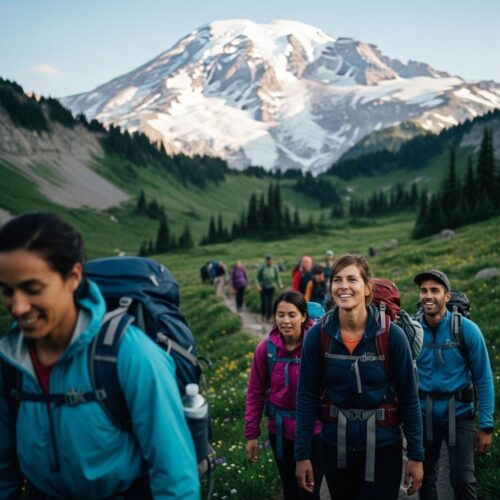
Paradise is famous for its breathtaking alpine meadows and striking mountain views. Here’s what sets it apart:
- Wildflower Meadows: In late spring and summer, vibrant wildflowers blanket the meadows. The sight is nothing short of magical.
- Scenic Views: From the Henry M. Jackson Visitor Center, visitors enjoy panoramic views of the Nisqually Glacier and the majestic Tatoosh Range.
- Hiking Trails: Whether you’re a novice or an expert, there are trails for everyone. Popular hikes include the Skyline Loop and the trails leading to Myrtle Falls.
- Wildlife Encounters: Keep your eyes peeled! You might spot deer, black bears, and numerous bird species in their natural habitat.
Historical Significance of Paradise
Paradise isn’t just a pretty face; it has a rich history too.
- Cultural Importance: For indigenous peoples, Mount Rainier holds great spiritual significance. It’s a symbol of strength and beauty in their culture.
- Historic Development: The area gained popularity in the 1880s. Early visitors were captivated by its beauty, leading to the establishment of the first park facilities.
When planning your visit, consider grabbing “Mount Rainier National Park: A Complete Guide Book” for in-depth tips and itineraries to make the most of your experience. Check Price on Amazon.
Table of Contents
Best Times to Visit Paradise for Optimal Experience

Planning your visit to Paradise at Mount Rainier? Timing is everything! The best experiences often come down to wildflower blooms and weather conditions. Let’s dive into what you need to know.
Peak Wildflower Seasons
Paradise is famous for its stunning wildflower displays. Here’s a quick look at when you can catch the best blooms:
| Month | Wildflower Highlights |
|---|---|
| Late June | Early blooms start, including Avalanche Lilies. |
| July | Peak season! Enjoy vibrant meadows filled with Lupine and Indian Paintbrush. |
| Early August | Wildflowers are still in full swing, with great photo opportunities. |
| Mid-August | The bloom starts to fade but still offers beautiful views. |
To see the best of these colors, aim for late July. This is when the meadows are bursting with life and perfect for those Instagram shots!
Weather Variability at High Elevations
Weather at Paradise can change quickly. Here are some key points to consider:
- Summer (June to August): Generally mild, with daytime temps around 70°F. Nights can drop to the 50s. Perfect for hiking!
- Fall (September): Crowds thin out, but temps can drop to the 40s. It’s a magical time with autumn colors, especially in the meadows.
- Winter (December to March): Snowfall transforms Paradise into a winter wonderland. Great for snowshoeing and cross-country skiing.
- Spring (April to May): Snow begins to melt, and wildflowers start to peek through. A quieter time to visit.
Tip: Always check the weather forecast before you go. Being prepared helps you enjoy your adventure without surprises.
With this information, you can plan a trip that aligns with your interests—whether you’re a wildflower lover, a peak hiker, or a winter sports enthusiast! For detailed itineraries, consider picking up “Mount Rainier National Park: A Complete Guide Book” to enhance your visit even further.
Top Attractions and Activities in Paradise
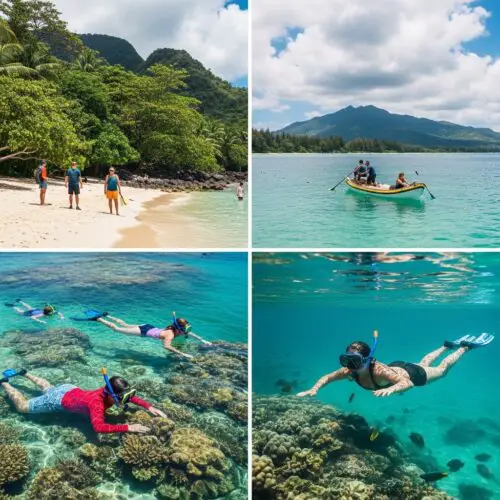
Paradise at Mount Rainier is a treasure chest of natural beauty and adventure. Whether you’re hiking, taking photos, or just soaking in the scenery, there’s something for everyone.
Famous Hiking Trails
Paradise has a trail for every type of hiker. Here’s a quick rundown of some must-try trails:
- Skyline Trail: This 5.5-mile loop is a moderate hike with breathtaking views. It’s a favorite for good reason!
- Myrtle Falls Trail: Perfect for families, this easy trail leads you to stunning waterfalls and vibrant wildflower meadows.
- Tolmie Peak Trail: A bit more challenging, this trail rewards you with panoramic views and a historic fire lookout tower.
Tip: When hiking, always check trail conditions. Snow can linger on trails well into summer, and some paths may be steep and strenuous.
Wildflower Viewing Spots
Paradise is famed for its wildflower meadows, especially from late July to early August. Here are some top spots:
- Meadow Loop Trail: A gentle stroll showcasing a mix of colorful blooms.
- Reflection Lakes: A great spot for wildflowers with the added bonus of stunning lake reflections.
- Deadhorse Creek Trail: Less crowded and filled with wildflower surprises.
Pro Tip: Bring a camera! The vibrant colors make for fantastic photos. Early mornings or late afternoons provide the best light.
Visitor Center Features
The Henry M. Jackson Visitor Center is your go-to for information and amenities:
- Educational Exhibits: Learn about the park’s ecology and history.
- Guided Programs: Join ranger-led programs for a deeper understanding of the area.
- Dining Options: Grab a bite at the Paradise Inn or enjoy a packed lunch with a view.
Caveat: If you’re planning to eat at the Paradise Inn, check reviews first. Some visitors recommend packing your own meals for better quality.
With these attractions and activities, Paradise truly stands out as America’s most beautiful destination. If you want to dive deeper into your visit, consider picking up “Mount Rainier National Park: A Complete Guide Book” to enhance your experience even further.
Visitor Amenities and Accessibility in Paradise

Paradise at Mt. Rainier offers fantastic amenities that make your visit enjoyable and convenient. From visitor centers to lodging options, everything is designed to help you soak in the beauty of this stunning destination.
Amenities at the Visitor Center
The Henry M. Jackson Visitor Center is the heart of Paradise. Here’s what you can find:
- Informative Exhibits: Learn about the park’s wildlife, plants, and volcanic history.
- Trail Maps: Grab hiking trail maps to find the best paths for your adventure.
- Restrooms: Clean facilities are available for your convenience.
- Cafeteria: Enjoy a quick meal at the Paradise Camp Deli, featuring simple but satisfying options.
- Souvenirs: Pick up a memento to remember your visit.
- Picnic Areas: Several picnic tables offer stunning views for a relaxing meal outdoors.
The visitor center is designed with accessibility in mind. It’s wheelchair accessible, ensuring everyone can enjoy the exhibits and facilities.
Where to Stay: Paradise Inn and Alternatives
If you’re planning to stay overnight, the historic Paradise Inn is right at the center of all the action. Here’s what you should know:
- Paradise Inn: A charming lodge offering cozy rooms and a great location to start your adventures. Reservations are recommended, especially during peak seasons.
- Accessibility: The inn has accessible rooms available for differently-abled visitors.
If the inn is full, consider these alternatives:
- National Park Inn: Located at Longmire, it’s a short drive from Paradise.
- Campgrounds: There are several campgrounds nearby, but they fill up quickly, especially in summer.
Travel Tips for Accessing Paradise
- Plan Ahead: The parking lot can fill up by 8 AM during peak times. Arrive early!
- Accessibility Options: Most trails have accessible paths, but check for specific trail conditions if you need wheelchair access.
- Public Transport: Consider using shuttles from nearby towns during peak season to avoid parking hassles.
By understanding the available amenities and accessibility options, you can maximize your time enjoying the breathtaking beauty of Paradise at Mt. Rainier.
Travel Tips: Avoiding Crowds and Parking Issues
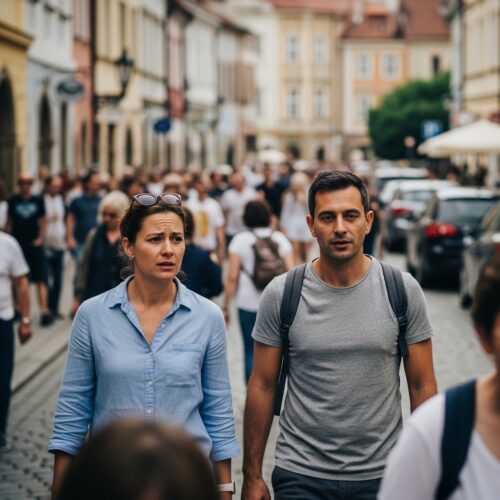
Visiting Paradise at Mt. Rainier can be magical, but it can also get crowded. Here are some tips to help you dodge the crowds and find parking with ease.
Best Times to Arrive
Timing is everything! Here are the best times to hit the road:
- Early Birds: Arrive by 7 AM to snag a parking spot. It’s peaceful in the morning, and you’ll have the trails mostly to yourself.
- Late Afternoon Delight: If you can’t make it early, aim for after 5 PM. Many day-trippers leave, and you’ll enjoy beautiful evening light with fewer people around.
- Weekday Wanderers: Monday through Thursday are your best bets. The difference in crowd size compared to weekends is remarkable.
Parking Strategies and Alternatives
Parking can be a hassle, especially on busy days. Here’s how to navigate it:
- Overflow Parking: If the main lot is full, look for overflow spots along the road. It’s a short walk to the visitor center from there.
- Public Transport: Consider using shuttles from nearby towns during peak months. It takes the stress out of parking and lets you relax.
- Check Ahead: Before you go, check for any alerts about parking availability. Knowing what to expect ahead of time will save you frustration.
Quick Checklist for Parking and Crowds
- Arrive Early or Late: 7 AM or after 5 PM are ideal times.
- Visit on Weekdays: Avoid weekends if you can.
- Use Overflow Lots: Don’t hesitate to park a bit farther away.
- Consider Public Transport: It’s a smart way to skip parking stress.
By planning your visit wisely, you’ll get to soak in the stunning sights of Paradise without the parking headaches. Enjoy your adventure!
Paradise vs. Sunrise: Which Should You Choose?
When deciding between Paradise and Sunrise, both areas have their own charm and unique offerings. Let’s break down what each has in store for visitors.
Pros and Cons of Each Area
Paradise:
Pros:
- Accessibility: Open year-round, thanks to the Nisqually Entrance.
- Wildflower Meadows: Famous for stunning wildflower displays, especially in late July.
- Visitor Amenities: Home to the Henry M. Jackson Visitor Center and Paradise Inn for easy access to food and information.
- Variety of Trails: Offers several hiking options, including the popular Skyline Trail Loop.
Cons:
- Crowds: Can get busy during peak summer months.
- Parking: Limited space can be challenging, especially during weekends.
—
Sunrise:
Pros:
- Scenic Views: Offers breathtaking vistas of Mount Rainier and the surrounding mountains.
- Less Crowded: Typically sees fewer visitors, making it a quieter option.
- Unique Trails: Home to the Sunrise Nature Trail and the challenging Burroughs Mountain Trail.
Cons:
- Seasonal Access: Road access is limited to summer months, often closing in late September.
- Fewer Amenities: Lacks the extensive facilities found in Paradise, with limited food options.
Ideal Visitor Types for Each Location
Choose Paradise if you:
- Enjoy vibrant wildflower meadows and want easy access to amenities.
- Prefer a variety of hiking trails and visitor services.
- Don’t mind sharing the space with fellow nature lovers.
Choose Sunrise if you:
- Seek a quieter, off-the-beaten-path experience.
- Are an avid hiker looking for challenging trails and stunning views.
- Prefer fewer crowds, especially during peak season.
By understanding the unique strengths of each area, you can choose your adventure wisely. Whether you gravitate towards the vibrant atmosphere of Paradise or the serene beauty of Sunrise, both promise unforgettable experiences at Mount Rainier.
Wildlife Encounters and Safety in Paradise
Paradise at Mount Rainier is a haven for wildlife lovers. As you explore the stunning meadows and trails, you might spot some incredible animals. However, it’s essential to stay safe and respect their space.
Common Wildlife Species in Paradise
You can expect to see a variety of wildlife during your visit. Here are some common species:
- Black Bears: Often seen foraging for berries.
- Elk: Majestic creatures that roam the meadows, especially during the spring and fall.
- Marmots: Playful and often found sunbathing on rocks.
- Deer: Quietly grazing near the trails.
- Birds: From hummingbirds to eagles, the birdwatching here is fantastic.
Keep your eyes peeled and your camera ready! Just remember, these animals are wild and deserve their space.
Safety Tips for Wildlife Encounters
While wildlife encounters can be thrilling, it’s crucial to prioritize safety. Here are some tips to keep in mind:
- Keep Your Distance: Stay at least 100 yards away from bears and wolves. For elk and deer, keep a distance of at least 25 yards.
- Never Feed Wildlife: It’s harmful to both the animals and humans. Feeding them can lead to aggressive behavior.
- Stay Calm: If you spot a bear, remain calm. Back away slowly without turning your back.
- Make Noise: When hiking, make noise to avoid surprising wildlife. Talk, clap, or use a bell.
- Hike in Groups: There’s safety in numbers. Wildlife is less likely to approach larger groups.
Here’s a quick checklist for wildlife safety:
- [ ] Keep a safe distance
- [ ] Never feed animals
- [ ] Stay calm and back away if approached
- [ ] Make noise while hiking
- [ ] Hike with others
By following these tips, you can enjoy the breathtaking beauty of Paradise while keeping both yourself and the wildlife safe. Remember, the goal is to admire the incredible creatures without disrupting their natural behavior.
Cultural Significance of Mount Rainier to Indigenous Peoples
Mount Rainier holds deep cultural significance for Indigenous peoples, particularly the Puyallup Tribe and other tribes in the region. The mountain is not just a stunning natural wonder; it is a sacred site, rich in stories, traditions, and history.
Historical Perspectives
For centuries, Indigenous communities have revered Mount Rainier. They see it as a central figure in their creation stories. The mountain is often referred to as “Tahoma,” which means “the place that is always snow-covered.” This name reflects both its physical appearance and its spiritual role.
Indigenous peoples utilized the resources around Mount Rainier for food, medicine, and materials. They harvested berries, roots, and fish from the area, maintaining a sustainable relationship with the land. These practices continue today, highlighting the importance of preserving traditional knowledge.
Modern Cultural Practices
Today, Indigenous tribes engage in cultural practices that honor their connection to Mount Rainier. They host ceremonies, storytelling events, and educational programs to share their heritage. These activities enrich the visitor experience and deepen understanding of the mountain’s significance.
Visitors can participate in guided tours led by Indigenous storytellers. These tours often include insights into the flora and fauna, as well as the traditional uses of these plants. It’s a unique opportunity to learn about the mountain from those who have cherished it for generations.
Visitor Takeaways
- Respect the Land: When visiting, it’s important to honor the cultural significance of the area. Follow park guidelines and engage thoughtfully.
- Join Cultural Tours: Look for opportunities to participate in Indigenous-led tours to enhance your understanding of the mountain’s history.
- Learn the Stories: Familiarize yourself with the stories and traditions of the Indigenous peoples connected to Mount Rainier. This knowledge adds depth to your visit.
Understanding the cultural significance of Mount Rainier not only enriches your experience but also fosters respect for the land and its first inhabitants.
Sustainable Practices in Paradise and the Park
Paradise at Mount Rainier is not just a stunning destination; it’s also committed to preserving its natural beauty. The park emphasizes sustainability and conservation to ensure that future generations can enjoy its wonders.
Conservation Efforts in Paradise
Mount Rainier National Park has implemented several initiatives to protect its unique ecosystem. Here are some key practices:
- Waste Management: There are ample trash and recycling bins throughout the park. Visitors are encouraged to pack out what they pack in to keep the area pristine.
- Wildflower Protection: Trails are established to protect delicate wildflower meadows. Stay on marked paths to help conserve these beautiful blooms.
- Wildlife Conservation: The park works to protect native wildlife. Observing animals from a distance ensures their safety and your own.
Visitor Responsibilities
As a visitor, you play a crucial role in maintaining Paradise’s charm. Here are some simple actions you can take:
- Stay on Trails: Avoid straying off paths to protect fragile habitats.
- Leave No Trace: Follow the Leave No Trace principles. This means taking all your belongings with you and minimizing your impact on the environment.
- Respect Wildlife: Keep a safe distance from animals. Feeding them can disrupt their natural behavior and is harmful.
By being mindful of your actions, you can contribute to the sustainability of Paradise. Every small effort counts towards preserving this beautiful destination for years to come.
Final Thoughts: Embrace the Beauty of Paradise
Paradise at Mount Rainier is more than just a destination; it’s an experience that stays with you long after you’ve left. The breathtaking scenery and vibrant wildflowers make it a must-visit location.
Why Visit Paradise?
Here are a few compelling reasons to make Paradise your next getaway:
- Stunning Views: Experience panoramic vistas that are simply jaw-dropping.
- Wildflower Wonderland: From late July to early August, the meadows burst into color. Bring your camera!
- Diverse Activities: Whether you’re a hiker or a casual visitor, there’s something for everyone.
- Rich Wildlife: Keep an eye out for deer, elk, and a variety of birds as you explore.
Tips for a Memorable Visit
To make the most of your trip, consider these handy tips:
- Visit Early: Arrive at sunrise to beat the crowds and enjoy the serene beauty.
- Plan Your Hiking: Choose trails based on your fitness level. The Skyline Loop is popular for its views but can be challenging.
- Be Weather Prepared: Conditions can change quickly in the mountains. Layers are your best friend!
Capture the Moment
Don’t forget to take pictures! Here are a few prime spots for photography:
- Reflection Lakes: For mirror-like images of Mount Rainier.
- Paradise Meadows: Where wildflowers bloom in abundance.
- Sunrise Point: Perfect for capturing the mountain at dawn.
Embrace the beauty of Paradise at Mount Rainier. Whether you’re hiking, snapping photos, or just soaking in the views, this stunning destination will leave you in awe. So pack your bags and get ready for an unforgettable adventure!
Frequently Asked Questions
These quick answers cover the most common questions about this topic, including key details, practical tips, and common concerns.
Where does Mount Rainier rank in the world?
Mount Rainier is one of the most prominent volcanic peaks in the United States and ranks as the highest mountain in Washington state. Globally, it is considered one of the most iconic stratovolcanoes, but it does not rank among the tallest in the world. Its impressive height of 14,411 feet makes it a major feature of the North American landscape and a renowned destination for climbers and nature lovers.
Which is better, Sunrise or Paradise, Mt Rainier?
Both areas offer unique experiences. Paradise is famous for its wildflower meadows, accessible trails, and visitor amenities, making it ideal for families and casual hikers. Sunrise provides stunning panoramic views, fewer crowds, and more challenging hikes, appealing to experienced adventurers. Your choice depends on your interests: vibrant meadows and accessibility at Paradise, or scenic solitude and mountain vistas at Sunrise.
What do indigenous people call Mount Rainier?
Many Indigenous tribes in the region have their own names for Mount Rainier. The Puyallup Tribe, for example, refers to it as “Tacoma” or “Takhoma,” meaning “the mountain.” These names reflect the mountain’s spiritual significance and its role in their cultural stories and traditions, emphasizing its sacred status long before it became a national park destination.
Are there grizzly bears on Mount Rainier?
No, grizzly bears are not native to Mount Rainier National Park. The park’s wildlife primarily includes black bears, elk, marmots, and various bird species. Black bears are the largest bear species found here and are generally shy, but visitors should still keep a safe distance and follow wildlife safety guidelines.
What should I pack for a visit to Paradise?
Bring layered clothing to adapt to changing mountain weather. Essentials include sturdy hiking shoes, water, sun protection, a hat, and binoculars for wildlife viewing. If hiking, pack trail maps, snacks, and a camera. During colder months, add warm clothing, gloves, and possibly snow gear if venturing into winter activities.
What wildlife can I expect to see in Paradise?
Expect to see black bears, elk, marmots, deer, and numerous bird species such as eagles and hummingbirds. Wildlife is most active during early mornings and late afternoons. Always observe animals from a safe distance and avoid feeding them to protect both your safety and theirs.
Are there guided tours available in Paradise?
Yes, ranger-led programs and guided tours are offered seasonally. These include interpretive walks, wildlife viewing, and cultural storytelling. Check the park’s schedule before your visit to participate and gain deeper insights into the natural and cultural history of Mount Rainier.
What are the best viewpoints in Paradise?
The Henry M. Jackson Visitor Center offers sweeping views of the Nisqually Glacier and surrounding peaks. Myrtle Falls provides a picturesque spot for photos, especially with Mount Rainier in the background. Reflection Lakes and Sunrise Point also offer stunning vistas, perfect for capturing the mountain’s majesty.