
Proper rose care involves regular watering, pruning, fertilizing, and pest management tailored to the plant’s needs and environment to promote healthy growth and abundant blooms.
This article covers essential techniques for watering correctly, pruning to encourage flowering, choosing appropriate fertilizers, preventing pests, and addressing common diseases, helping you grow vibrant, healthy roses year-round.
Choosing the Right Planting Site and Conditions
Selecting an appropriate location for planting roses is crucial for their healthy growth and abundant blooming. A well-chosen site provides the right amount of sunlight, proper soil conditions, and adequate spacing to prevent disease and promote airflow. These factors combined ensure that roses develop strong roots and vibrant blooms over time. Carefully assessing and preparing the planting site will give roses the best chance to thrive.
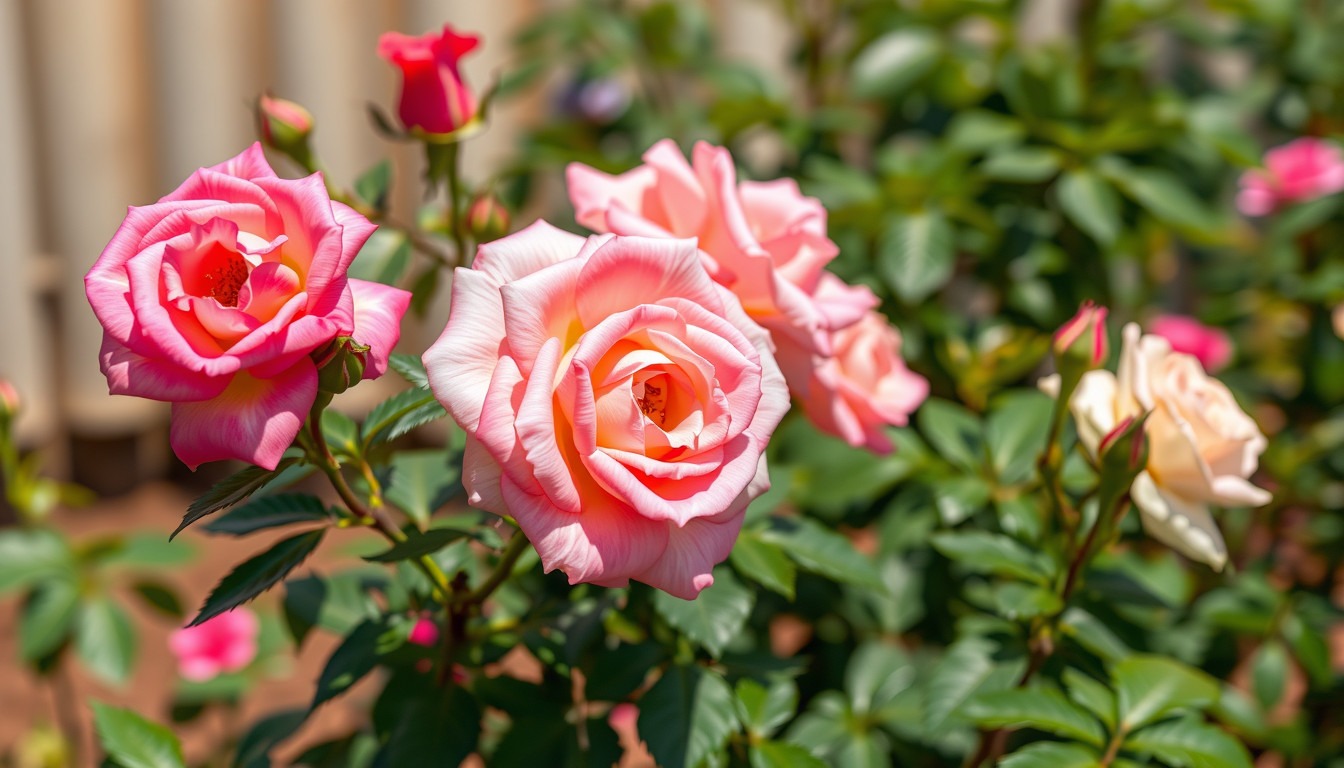
When selecting a planting site, considering soil type is crucial for healthy growth. descriptive natural anchor details soil preferences that can benefit rose care by ensuring the plants have optimal conditions for thriving.
1. Sunlight requirements for roses
Roses need at least 6 hours of direct sunlight each day to produce abundant, healthy blooms. Full sun exposure promotes photosynthesis, which supports growth and flower production. In regions with very hot summers, some afternoon shade can prevent sunburn on the petals, but overall, the site should be sunlit most of the day. Insufficient sunlight often results in leggy growth, fewer flowers, and increased vulnerability to diseases.
Table of Contents
2. Soil type and drainage needs
Well-drained, loamy soil with high organic matter content supports vigorous root development and nutrient uptake. Roses prefer slightly acidic to neutral pH levels (around 6.0 to 7.0). Poorly drained soils can lead to root rot and other diseases, so it’s essential to select a site with good drainage or amend heavy clay soils with organic matter such as compost or aged manure. Proper drainage prevents standing water, which can be detrimental to rose health.
3. Optimal spacing and airflow considerations
Providing adequate space between rose bushes is key to preventing disease and encouraging airflow. Most roses should be planted at least 2 to 3 feet apart, although this can vary depending on the variety. Proper spacing reduces humidity around the foliage, minimizing the risk of fungal diseases such as powdery mildew and black spot. Good airflow also makes pruning and maintenance easier, contributing to overall plant health and quality blooms.
Careful site selection aligned with these conditions will lay a solid foundation for successful rose cultivation and vibrant, thriving plants year after year.
Watering Techniques and Schedules
Maintaining proper soil moisture is essential for healthy roses. The goal is to keep the soil evenly moist without overwatering, which can lead to root problems and fungal diseases. Implementing the right watering practices involves understanding how much water roses need, how often to water, and the most effective methods for delivering moisture.
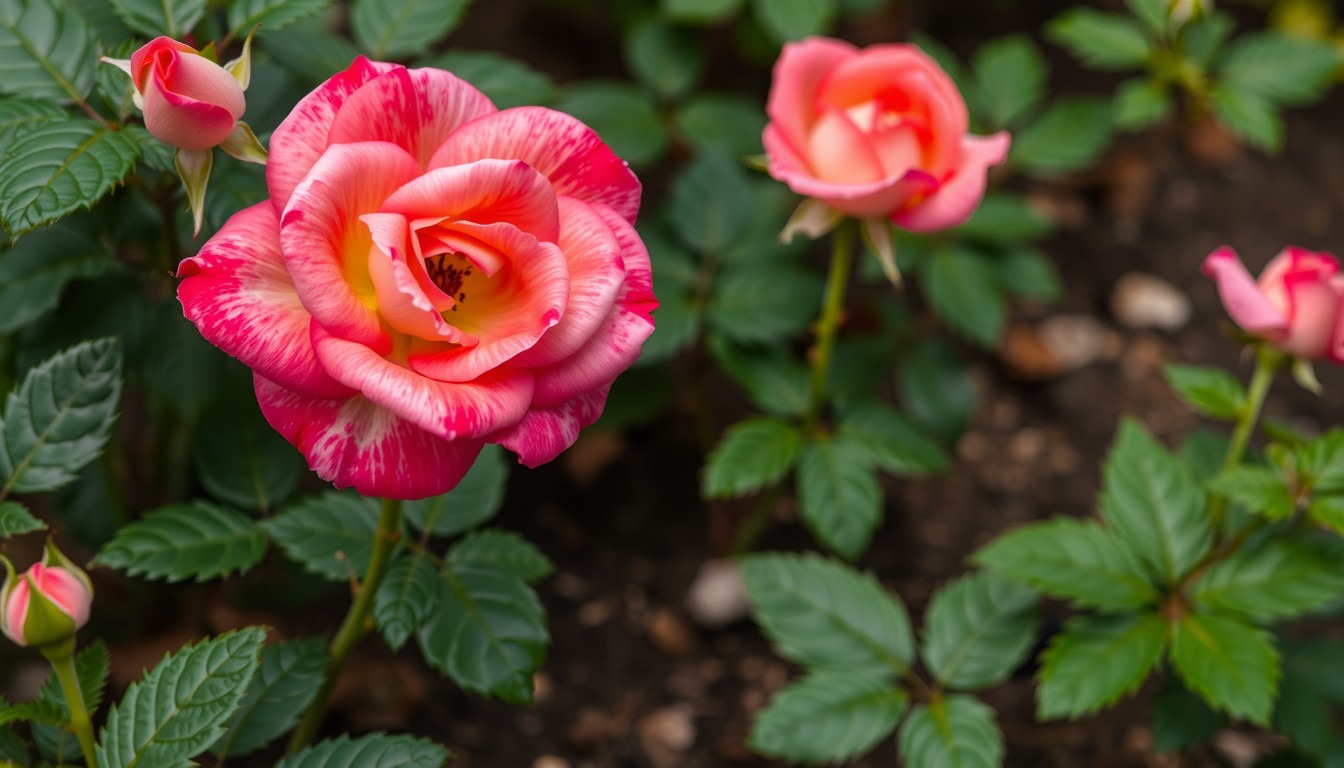
Proper watering is essential for encouraging abundant rose blooms. descriptive natural anchor links to bloom health, which is directly influenced by watering practices.
1. How much water roses need
Deep soaking encourages strong root development and helps roses access water more efficiently during dry periods. Typically, each watering should deliver enough moisture to penetrate 6 to 12 inches into the soil, which can vary based on soil type and plant size. A general guideline is about 1 to 2 inches of water per week, adjusted for rainfall and evaporation rates.
2. Frequency of watering through seasons
During active growth and blooming, roses usually require watering 2–3 times per week. In hot and windy weather, more frequent watering might be necessary. Conversely, in cooler or rainy periods, reducing watering frequency prevents over-saturation. During dormancy or winter, watering is often minimal—only when the soil is dry—since growth slows significantly.
3. Methods for effective watering
Water early in the day to reduce disease risk by allowing foliage to dry before evening. Drip irrigation, soaker hoses, or watering directly at the base of the plant are effective methods to deliver moisture efficiently while minimizing splashing that can promote fungal growth. Applying water slowly and deeply ensures the soil absorbs moisture and encourages roots to grow downward, providing resilience against drought and heat stress. Adjust your watering schedule based on weather conditions and soil moisture levels to avoid both drought stress and waterlogged roots.
Fertilization and Feeding Schedules
Maintaining a consistent fertilization schedule is essential for healthy, thriving roses with abundant blooms. Proper feeding supplies the necessary nutrients that support growth, flowering, and disease resistance. Selecting the right fertilizer type, timing the applications appropriately throughout the year, and adjusting frequency based on the plant’s growth stage and local conditions can significantly improve rose care outcomes.
Fertilization schedules are vital for sustained plant health. descriptive natural anchor provides insights into fertilization strategies that can be applied to roses for vigorous growth.
1. Types of fertilizers suitable for roses
Balanced fertilizers, such as 10-10-10 or specific rose fertilizers, provide a mix of nitrogen (N), phosphorus (P), and potassium (K), which are crucial for vegetative growth, root development, and flowering. Organic options, including compost, fish emulsion, or blood meal, enhance soil health and provide a gentle, steady supply of nutrients. Choosing rose-specific fertilizers ensures the plants receive an optimal ratio tailored for their needs, reducing the risk of deficiencies or excessive growth that can lead to weaker flowers or disease susceptibility.
2. Timing for fertilization (spring, summer, fall)
Begin fertilizing early spring before new growth begins and the first bloom sets, usually when buds are forming. This prepares the plant with nutrients for a strong flowering period. During active growing months in summer, continue to feed every 4-6 weeks to sustain bloom production and healthy foliage. In fall, reducing fertilization helps prepare roses for dormancy, limiting the risk of encouraging tender new growth that might be vulnerable to winter damage.
3. Frequency and application methods
Applying fertilizer every 4-6 weeks during the growing season is generally effective for most roses. The methods include broadcasting granular fertilizer around the base of the plant, lightly scratching it into the soil surface, or using liquid feeds, which are absorbed quickly. Always water thoroughly after application to help nutrients penetrate the soil and prevent root burn. Avoid overfeeding in late fall, as excess nutrients can hinder the plant’s natural dormancy process and increase vulnerability to winter injuries.
Pruning Techniques and Timing for Healthy Growth
Proper pruning is essential for shaping roses, encouraging vigorous growth, and maintaining plant health. The timing and methods used during pruning directly affect flowering and the overall vigor of the plant.
Pruning at the right time fosters healthy growth and abundant blooms. descriptive natural anchor offers guidance on pruning techniques that can be adapted for roses.
1. When to Prune roses in different seasons
The optimal time to prune roses varies by climate and rose type, but generally, the best window is early spring before new growth appears. This period allows the gardener to remove dead or diseased wood and shape the plant as it begins its active growth phase. In mild climates, light pruning can be performed in late winter, while more severe pruning should wait until early spring when swelling buds signal the start of the growing season. Avoid pruning in late fall, as this can stimulate tender new growth that might be damaged by winter cold.
2. How to prune for shape and health
Effective rose pruning involves removing all dead, diseased, or crossing branches to improve air circulation and reduce disease risk. Use sharp, clean pruning shears to make clean cuts just above healthy buds. For bush roses, cut back canes to a height that encourages a balanced shape, usually one-third to one-half of the previous year’s growth. For shrub and climbing roses, focus on maintaining a natural form by removing overcrowded or crossing stems. Always aim for an open, well-spaced structure that allows sunlight to reach all parts of the plant, reducing disease susceptibility and promoting even flowering.
3. Deadheading to promote continuous flowering
Removing spent flower heads, known as deadheading, encourages roses to produce new blooms throughout the growing season. Cut just above the first set of healthy, outward-facing buds. Regular deadheading prevents the plant from putting energy into seed production and directs it toward flowering. This practice is especially vital for repeat-blooming varieties and helps maintain a tidy, attractive appearance. Deadheading should be performed as blooms fade, ideally every few days during peak flowering periods.
Managing Pests and Diseases
Effective rose pest and disease control starts with regular inspection. Early identification allows for timely intervention, minimizing damage and reducing the need for heavy chemical use.
Effective pest management is critical for rose health. descriptive natural anchor discusses natural methods to control common pests like aphids, which threaten rose plants.
1. Common pests: aphids, Japanese beetles
Aphids are small, soft-bodied insects that cluster on new growth, sucking sap and causing deformed leaves. Control options include washing them off with water, introducing natural predators such as ladybugs, or applying insecticidal soap. Japanese beetles are metallic green insects that consume rose foliage, skeletonizing leaves. Handpicking during early morning or evening is effective, while biological controls or neem oil can also help manage larger infestations.
2. Diseases: black spot, powdery mildew
Black spot presents as dark, circular spots on leaves, leading to leaf drop and weakened plants. Powdery mildew appears as a white, powdery coating on leaves, stems, and buds. Preventing these diseases involves maintaining good hygiene: remove fallen leaves and debris, avoid overhead watering, and ensure proper air circulation by spacing plants adequately. Applying organic fungicides like neem oil or sulfur-based products can suppress outbreaks. When infections occur, early treatment is crucial to prevent spread and reduce plant stress.
3. Prevention tips and organic/control methods
Consistently monitoring plants is essential to catch issues before they become severe. Good hygiene practices include removing diseased or fallen material promptly and pruning to improve airflow. Maintaining healthy plant vigor through proper fertilization and watering also strengthens roses against pests and diseases. Organic controls, such as insecticidal soaps, neem oil, and sulfur, are effective for managing common threats without harmful chemicals. When deciding between organic and chemical methods, consider the severity of the infestation, the impact on beneficial insects, and the overall health of the rose garden. Implementing integrated pest management strategies ensures healthier roses and a more sustainable garden.
Seasonal Tips and Troubleshooting Common Issues
Adjusting care practices to seasonal changes helps roses stay healthy and vibrant. Additionally, identifying and addressing common problems early prevents more serious damage and promotes lush blooms year-round.
1. Winter protection and pruning
During colder months, protecting roses from harsh weather is essential. Mulching around the base with organic material insulates roots and enhances winter hardiness. In regions with severe winters, covering plants with burlap or specialized rose covers shields them from frost. Pruning in late winter or early spring prepares roses for active growth; remove any dead, diseased, or crossing branches. Proper pruning encourages airflow and reduces disease risk, laying a strong foundation for vigorous blooming in the season ahead.
2. Summer watering and shade
Heat and direct sunlight can stress roses, leading to wilting or sunburn. During hot periods, increase watering frequency to keep the soil moist but not waterlogged. Mulch again helps retain soil moisture and keeps roots cooler. Providing some afternoon shade, especially in scorching climates, prevents leaf scorch and promotes sustained flowering. Pay close attention to signs of drought stress—drooping leaves or scorched edges—and adjust watering or shading accordingly to preserve plant health during peak summer.
3. Fall cleanup and disease prevention
As leaves fall, removing debris from the ground prevents the buildup of pests and fungal spores. Clearing out fallen leaves, old blossoms, and diseased plant material reduces the risk of infections overwintering in the garden. Fall is also an ideal time to assess plant health, prune lightly to promote airflow, and apply organic fungicides if needed. Keeping the garden tidy and vigilant about disease signs ensures healthier, more resilient roses in the next growing season. Proper fall cleanup acts as a preventative measure, reducing common issues such as black spot or powdery mildew in subsequent months.