
To naturally manage aphids on roses, methods include high-pressure water sprays, introducing beneficial insects, applying homemade sprays, and maintaining plant health to prevent infestations.
This guide covers effective, chemical-free strategies for controlling aphids, emphasizing immediate removal methods and long-term prevention techniques to protect your roses sustainably.
High-Pressure Water Spray as a Natural Dislodging Method
Using a water jet can quickly remove aphids from roses without resorting to chemicals. This method is especially suitable for light infestations and when immediate action is needed to prevent further plant stress.
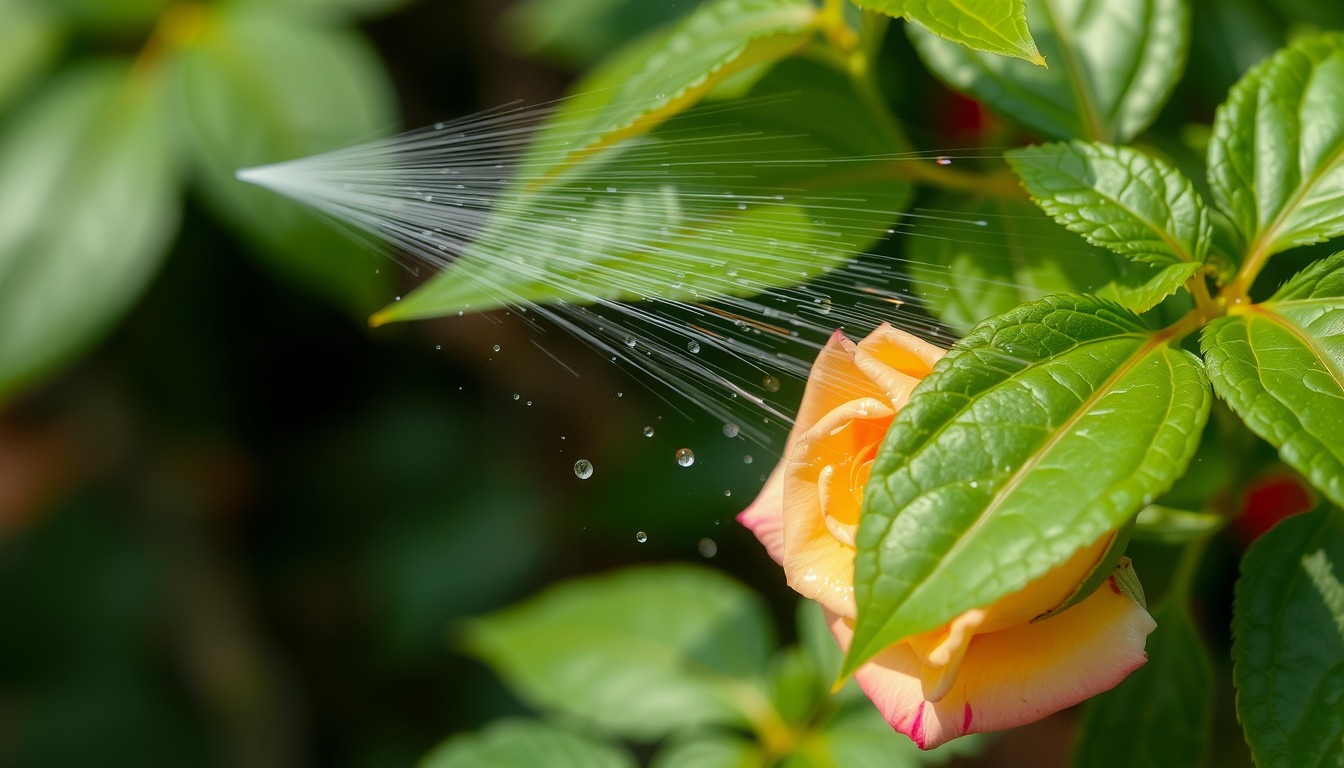
After determining if your roses are affected by aphids, a high-pressure water spray can effectively dislodge the pests without chemicals are used to identify infestations of.
1. Targeted Water Blast Technique
A sharp, forceful spray from a garden hose can dislodge soft-bodied aphids, which are easily swept away by the strong water flow. Aphids identified by their small, pear-shaped bodies and the sticky residue they leave on plant surfaces are particularly vulnerable to this approach. Regularly directing the water jet towards the undersides of leaves, where aphids tend to cluster, can effectively reduce their numbers without harming the plant. The impact often kills many of the pests outright and makes the plant less attractive for future aphid colonization.
Table of Contents
Disclosure: As an Amazon Associate I earn from qualifying purchases.
Using the right spray nozzle can help maximize the effectiveness of water blasts to dislodge aphids more efficiently. Shop suitable garden hose spray nozzle on Amazon (affiliate link).
This method offers the benefit of immediate results with no chemical use, making it safe for beneficial insects and the environment. It is easy to implement and can be incorporated into routine garden maintenance. However, its limitation lies in its effectiveness mainly for light infestations; heavy or entrenched aphid populations may require additional control measures. Excessively high water pressure risks damaging tender rose stems or leaves, so a moderate but steady spray is recommended.
Use of Neem Oil for Aphid Control
Neem oil is a natural insecticide derived from the seeds of the neem tree. It is highly effective in repelling and killing aphids on roses while being safe for beneficial insects like ladybugs and pollinators. This makes it a popular choice for gardeners seeking an environmentally friendly pest control method that minimizes harm to helpful garden creatures.
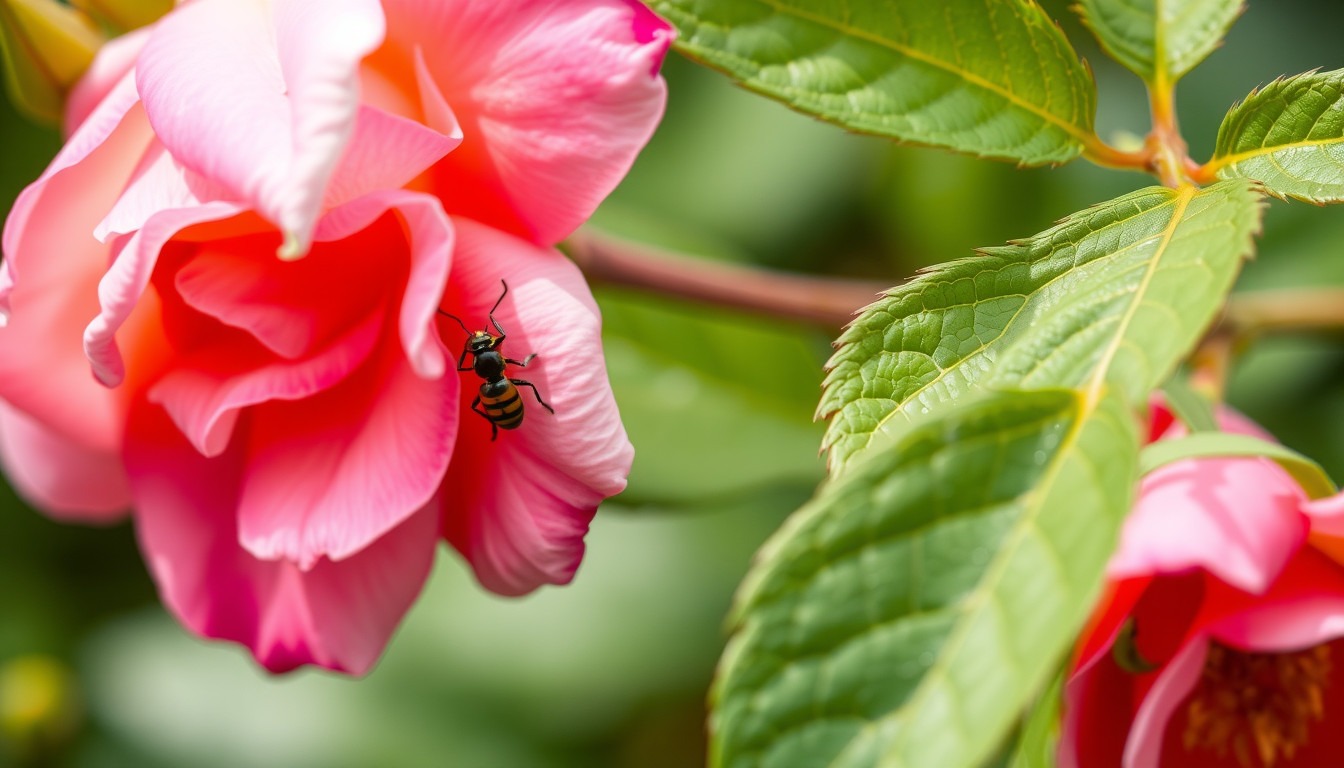
Healthy roses are less susceptible to pest problems like aphids, and neem oil can be a natural way to protect roses from infestation are affected by.
1. Application Tips and Timing
Applying neem oil regularly is key to maintaining control over aphid populations. It works by penetrating the exoskeletons of aphids, disrupting their feeding habits and eventually leading to their death. Because neem oil is most effective when it coats the pests and penetrates their protective shells, thorough coverage—including undersides of leaves—is necessary.
Choosing a suitable spray product can ensure effective and safe application of neem oil. Shop suitable natural pest control spray on Amazon (affiliate link).
For the best results, spray neem oil during the early morning or late afternoon, avoiding the hottest parts of the day. This helps prevent leaf burn and allows the oil to set properly. Reapply every 7 to 14 days, especially after rain, to keep a consistent barrier against aphids. Spot treatments targeting infested areas can prevent the pests from spreading to healthy parts of the rose bush.
One advantage of neem oil is its safety profile. Unlike chemical pesticides, it does not target only pests but also can affect some beneficial insects if applied excessively. Therefore, applying neem oil during times when pollinators are less active, such as early morning or late evening, reduces unintended impacts.
A practical tip involves mixing the neem oil with a few drops of liquid soap in water, which helps spread the oil evenly and cling to the plant surfaces. However, gardeners should always follow the manufacturer’s instructions regarding concentration and frequency to avoid causing stress or damage to roses. While neem oil is a potent tool for aphid control, it should be integrated with other methods—such as pruning infested areas or encouraging natural predators—to achieve comprehensive pest management.
Introducing Beneficial Insects like Ladybugs
Ladybugs are natural predators used to manage aphid populations effectively, helping maintain an ecological balance in the garden. Their presence provides continuous pest control without the need for manual removal or chemical intervention, making them an appealing choice for organic rose care.
A natural ecological balance can be maintained with beneficial insects such as ladybugs, which prey on aphids on roses are used to manage.
1. Encouraging Ladybug Presence
To attract ladybugs and encourage their natural predation of aphids on roses, gardeners can plant companion plants that serve as food or habitat for these beneficial insects. Flowers such as marigolds, fennel, or dill entice ladybugs to settle near rose bushes where aphid infestations are likely. Providing a diverse, pesticide-free environment ensures ladybugs thrive and remain active during the growing season.
Acquiring and releasing beneficial insects can help maintain ecological balance in your garden. Shop suitable beneficial ladybug insects on Amazon (affiliate link).
Using ladybugs as a control method has proven effective because they can efficiently reduce aphid populations. They prey on large clusters of aphids, which can prevent the pests from spreading or causing severe damage to roses. However, their effectiveness depends on maintaining a healthy garden ecosystem; if chemical pesticides are used, they can inadvertently harm these beneficial insects. Moreover, releasing ladybugs artificially can sometimes be less effective if their habitat isn’t suitable or if other pests emerge to compete for food.
While ladybugs bring many advantages, they do have limitations. Their predation is most effective during the active season, typically spring through early fall, and they may leave if environmental conditions become unfavorable. Additionally, in highly manicured gardens with frequent pesticide use, their populations can dwindle, reducing their impact. Therefore, relying solely on ladybugs without supporting other integrated pest management strategies may not fully control aphids during severe infestations. Their role is best regarded as part of a broader, eco-friendly approach to managing pests on roses.
Use of Plant-Based Soaps for Aphid Management
Applying soap solutions creates a physical barrier that deters and removes aphids from rose plants. This method not only physically dislodges the pests but also suffocates them by clogging their breathing openings, making it a gentle yet effective preventative strategy.
Preventative strategies like using plant-based soaps can reduce the likelihood of aphids infecting roses reduce the likelihood of.
1. Making Safe Soap Sprays
To prepare a soap solution suitable for aphid control, mix a few drops of pure, biodegradable dish soap with water. Typically, a concentration of about one teaspoon of soap per liter of water suffices. Aggressive soaps or detergents should be avoided to prevent damage to the rose’s delicate leaves and stems.
Finding a suitable soap formulation can support effective and safe aphid management. Shop suitable garden-friendly insecticidal soap on Amazon (affiliate link).
Thorough coverage is crucial. Spray the solution generously on the undersides of leaves and affected stems where aphids congregate. The soap forms a film on the insects, suffocating them and disrupting their cell membranes, which ultimately leads to their demise.
Applying the solution in cooler parts of the day, such as early morning or late afternoon, reduces the risk of plant stress from heat or direct sunlight. Excessive or frequent spraying may cause leaf curling or a temporary decline in plant vigor, so monitor your roses’ response to treatment.
This approach belongs in the list of preventative strategies because regular application can reduce the likelihood of severe infestations. It is especially suitable for gardeners seeking chemical-free alternatives and those with sensitive or organically grown roses.
However, it does have limitations. Soap solutions are most effective against smaller, less developed aphid populations. During heavy infestations, mechanical removal or additional biological controls may be necessary to achieve complete eradication. Furthermore, frequent or improperly timed applications can lead to leaf damage or interfere with photosynthesis, so careful application and observation are recommended.
Companion Planting with Repellent Plants
Designing your garden with specific aromatic herbs and flowers can naturally deter aphids from infesting roses. These repellent plants emit scents that interfere with aphids’ ability to locate and settle on rose bushes, reducing infestation risks over multiple growing seasons.
1. Best Companion Plants for Roses
Lavender, chives, and marigolds are among the most effective repellent plants for keeping aphids away from roses. Lavender’s strong fragrance not only attracts pollinators but also masks the scent signals that aphids rely on to find their hosts. Chives, with their onion-like aroma, create a pest-unfriendly environment for aphids while being easy to incorporate into rose beds. Marigolds emit a distinctive scent that repels various pests, including aphids, and are highly resilient in garden conditions. Planting these herbs and flowers near roses can create a natural barrier, leading to a significant reduction in aphid visits.
This approach works because aphids are used to identify host plants by scent. When aromatic repellent plants are nearby, they confuse aphids and make your roses less attractive, decreasing the likelihood of infestation. Additionally, these companion plants can attract beneficial insects like ladybugs and lacewings, which prey on aphids, further enhancing natural pest control.
However, this strategy has limitations. It is most effective when the repellent plants are well-established and grown in close proximity to roses. If aphid populations are already severe, planting alone might not provide swift relief, and combined methods should be considered. Furthermore, some aromatic herbs may compete with roses for nutrients or space if not properly managed, so strategic planting and ongoing maintenance are necessary. This method is ideal for gardeners committed to organic practices and those aiming to create a diverse, pest-resistant garden environment.
Maintaining Healthy Roses to Prevent Future Infestations
Healthy rose plants are inherently more resistant to aphid infestations, as strong, well-cared-for roses can better withstand pest attacks and recover quickly if they occur. Proper cultural practices that promote plant vigor can significantly reduce the likelihood of aphids on roses. Since roses are affected by damage symptoms such as leaf curling, sticky residue, black spots from stress, and distorted growth, maintaining plant health minimizes attractive habitats for these pests. Consistent care, including appropriate pruning and watering, plays a crucial role in fostering robust rose bushes that resist pest colonization.
1. Pruning and Proper Watering
Pruning removes infested, dead, or weak growth, which helps eliminate aphid habitats and improves air circulation around the plant. By opening up the canopy, pruning makes it harder for aphids to establish large colonies undetected on the undersides of leaves and stems. Additionally, removing heavily infested parts prevents the pests from spreading to healthy tissue. Proper watering is equally important because overwatering can create excessive humidity and waterlogged soil, conditions that stress roses and make them more vulnerable to pests. Maintaining consistent moisture levels, ensuring good soil drainage, and avoiding overhead watering help keep roses healthy and less attractive to aphids. Proper watering also improves overall plant vigor, helping roses recover faster from minor pest damage.
Besides pruning and watering, avoiding over-fertilization—particularly high nitrogen levels—reduces new, tender growth that aphids prefer for feeding. Excessive nitrogen encourages rapid, lush foliage that can attract more pests, while balanced fertilization supports stronger, pest-resistant plants. Regular inspection for early signs of aphids, coupled with strong cultural practices, provides a practical foundation for preventing infestations before they become severe. This integrated approach can markedly diminish the chances of aphids on roses and contribute to more vigorous, healthier plants overall.
Frequently Asked Questions
1. How do I tell if aphids are causing damage?
Look for curled, yellowed, or distorted leaves, sticky residue called honeydew, or visible clusters of small, pear-shaped insects on the undersides of leaves and new growth.
2. Are natural remedies safe for beneficial insects?
Yes, methods like water sprays and neem oil are generally safe for beneficial insects when applied during times of low activity, such as early morning or late evening.
3. How often should I treat my roses?
Apply neem oil every 7 to 14 days, especially after rain; use water dislodging sprays as needed for immediate relief during light infestations.
4. Can I combine control methods?
Yes, combining water sprays, neem oil, and encouraging beneficial insects creates a comprehensive approach, but avoid applying chemical pesticides simultaneously to protect beneficial populations.
5. What environmental conditions help prevent aphids?
Maintaining healthy, well-ventilated plants with good airflow and avoiding over-fertilization discourages aphid buildup, while diverse plantings attract natural predators.
6. Will naturally treated roses still need chemical controls?
Typically, effective natural methods can control aphids without chemicals, but severe or resistant infestations might require targeted chemical treatments.
7. When is the best time to apply preventive measures?
Apply preventive methods early in the growing season before aphids appear or when new growth begins to reduce the risk of infestation.
Sources and Further Reading
- How to Get Rid of Aphids on Roses With These 6 Tips – The Spruce
- How To Get Rid Of Aphids On Roses Naturally — 4 Easy Fixes
- How To Get Rid Of Aphids On Your Roses—And Prevent Them From Coming Back
- 7 Different Methods to Get Rid of Aphids on Roses – Epic Gardening
- Aphids on Roses: Beat Them Naturally Without Chemicals