
Yellowing rose leaves are most often caused by watering issues, nutrient deficiencies, pests, or disease. Addressing these factors promptly can help restore your rose’s health.
Yellowing rose leaves are commonly caused by improper watering—either overwatering, which suffocates roots and promotes rot, or underwatering, leading to dehydration. Overwatering results in waterlogged soil that prevents oxygen access, causing roots to decay and leaves to yellow despite frequent watering. Conversely, underwatering stresses the plant and causes leaves to turn yellow, curl, and become brittle. Correcting these issues involves adjusting watering practices: ensuring the soil drains well to prevent waterlogging and watering deeply and regularly during hot, dry periods to maintain consistent moisture. Using tools like a moisture meter can help monitor soil conditions, preventing both over- and under-watering. Reference: The Spruce, Gardening Know How.
This article explains common causes of yellow leaves, how to identify them, and practical steps to manage and prevent the problem effectively, helping your roses thrive.
Understanding Why Your Rose Leaves Turn Yellow
Yellowing rose leaves often indicate underlying issues related to pests or environmental stressors. Recognizing these causes helps prioritize corrective actions to maintain healthy, vibrant roses.
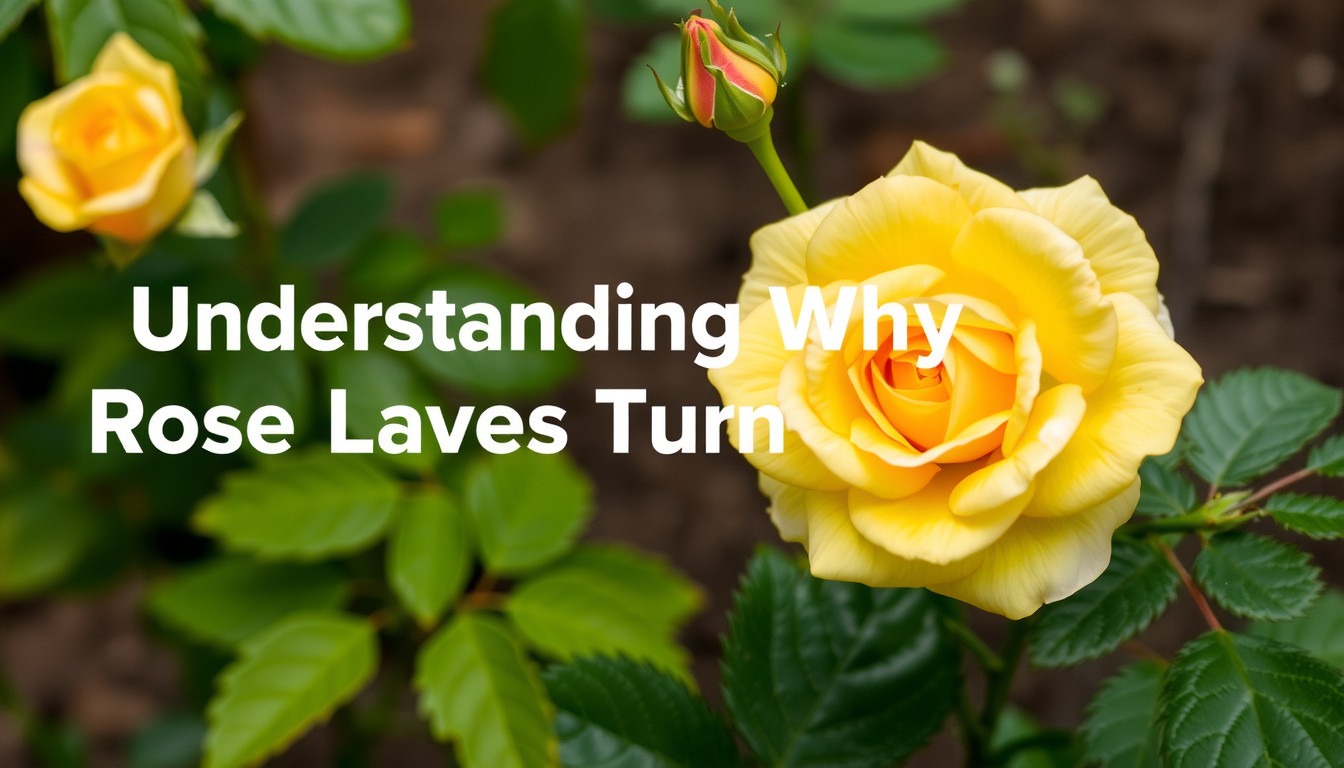
If you notice your rose leaves turning yellow, it may be related to specific classifications or varieties; descriptive natural anchor and their unique care needs.
Table of Contents
1. Signs that indicate nutritional deficiency
One common cause of yellow rose leaves is a lack of essential nutrients, particularly nitrogen. Nitrogen is crucial for healthy leaf growth; when deficient, leaves may turn pale or yellow, especially older leaves at the plant’s base. This deficiency often exists in soil that is overly sandy, compacted, or has been depleted by repeated cropping without replenishment. Addressing this involves applying a balanced fertilizer with adequate nitrogen levels. However, over-fertilization can lead to excessive leafy growth and weak stems, so caution is advised.
Disclosure: As an Amazon Associate I earn from qualifying purchases.
If you notice yellowing leaves due to potential nutrient deficiencies, consider supplementing with a balanced fertilizer. Shop suitable garden fertilizer on Amazon (affiliate link).
2. Environmental stress clues
Stressors such as sunburn, dehydration, or poor soil drainage also contribute to yellowing foliage. Sunburn occurs when roses are suddenly exposed to intense sunlight after a period of shade, causing leaf scorch that appears as yellow or bleached patches. Dehydration manifests as wilting, browning, and yellowing edges, often accompanied by an overall drooping appearance. Poor soil drainage results in waterlogged roots, which suffocate the plant and lead to yellowing leaves, particularly lower ones. Recognizing these signs enables targeted corrective steps: providing shade for sunburn, consistent watering for dehydration, and improving soil drainage for root oxygenation. Nonetheless, these symptoms may overlap, requiring careful observation to pinpoint the actual cause.
While addressing these issues can restore the health of rose leaves, limitations exist. For instance, correcting nutritional deficiencies may not resolve yellowing caused by pests or disease. Similarly, environmental factors like extreme heat can cause temporary leaf yellowing despite optimal care. Therefore, a comprehensive assessment of the plant’s growing conditions remains essential for effective intervention.
Watering Practices and Their Impact on Leaf Color
Proper watering is crucial for healthy rose foliage. Both overwatering and underwatering can cause leaves to turn yellow, but they affect the plant differently and require distinct remedies.
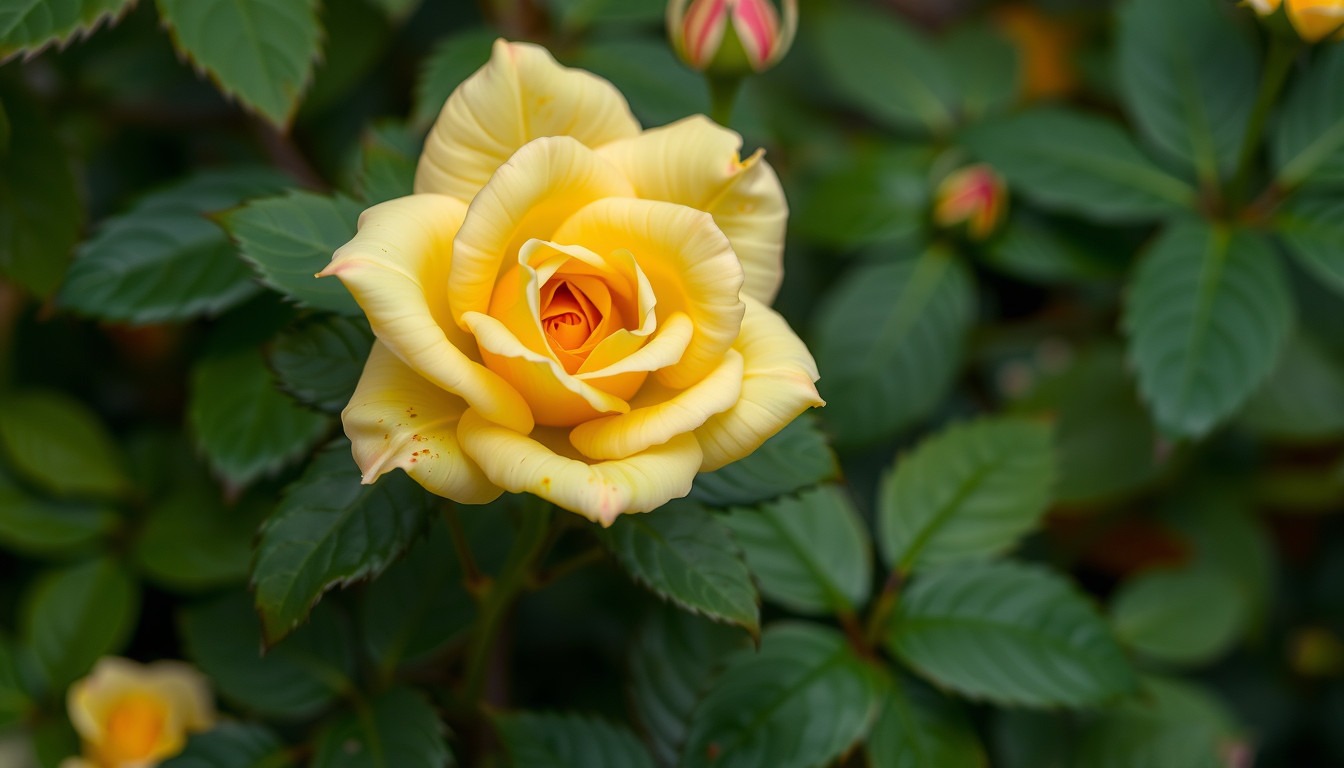
Improper watering can lead to yellow leaves, impacting root health; descriptive natural anchor for vibrant roses.
1. Overwatering signs and remedial steps
When roses receive too much water, their roots suffer from oxygen deprivation, leading to root rot and poor nutrient uptake. This often manifests as yellow, wilted leaves despite frequent watering. To correct this, reduce watering frequency and ensure the soil drains well. Improving soil aeration by mixing in organic matter can help roots access oxygen.
Maintaining proper soil moisture can be challenging; a moisture meter can help you optimize your watering routine. Shop suitable soil moisture meter on Amazon (affiliate link).
In cases of overwatering, the roots become unable to anchor the plant effectively and may decay, which exacerbates leaf yellowing. Remove any soggy or rotten roots carefully before replanting in well-draining soil. Monitoring soil moisture levels is key to preventing recurrence.
2. Underwatering symptoms and fixes
If roses are underwatered, they experience dehydration stress, causing leaves to turn yellow, curl, and become brittle. This often occurs when watering is inconsistent or insufficient for the plant’s needs. To fix this, water deeply and regularly to maintain consistent soil moisture, especially during hot or dry conditions.
Dehydration hampers nutrient transport to leaves, resulting in chlorosis, or yellowing due to a lack of chlorophyll development. Applying a slow-release fertilizer can support overall health, but only after establishing a consistent watering routine. Keeping soil evenly moist without waterlogging supports healthy root function and prevents the cycle of yellowing leaves caused by dehydration or root damage.
Nutrient Deficiencies Causing Yellowing and How to Correct Them
Identifying nutrient deficiencies is essential for troubleshooting yellow leaves on roses. Addressing these deficiencies promptly can restore plant vitality and prevent further damage.
Nutrient deficiencies like nitrogen, iron, and magnesium often cause yellowing; descriptive natural anchor.
1. Nitrogen deficiency symptoms
When roses lack nitrogen, their leaves turn pale or yellow, especially on the older foliage. Nitrogen is vital for leaf growth and overall plant health. If you notice widespread yellowing without other obvious causes, a nitrogen deficiency might be at play. You need to apply a balanced fertilizer with a higher nitrogen content, such as a 10-5-10 or similar, to promote lush, green growth. Soil testing confirms whether nitrogen levels are below optimal, guiding appropriate fertilization. Be cautious: over-fertilization can lead to excessive lush growth with reduced flowering or increased susceptibility to pests.
If your plants show signs of nitrogen deficiency, a targeted fertilizer might be beneficial. Shop suitable garden nitrogen fertilizer on Amazon (affiliate link).
2. Iron deficiency and chlorosis
Iron deficiency causes chlorosis, appearing as yellowing primarily in the younger leaves with distinct green veins remaining. This condition often results from soil pH being too high, which limits iron availability. You need to adjust soil pH by adding acidifying amendments or using chelated iron supplements, which are more readily absorbed by the plant. Soil testing reveals whether pH levels impede iron uptake. Regular monitoring and targeted soil amendments can restore pigment production and prevent chlorosis from recurring. Note that iron deficiency generally does not affect older leaves significantly and is more common in alkaline soils.
Magnesium deficiency also causes yellowing, starting with older leaves developing interveinal chlorosis. Since magnesium is a core element of chlorophyll, its absence reduces photosynthesis efficiency. To correct this, apply Epsom salts (magnesium sulfate) according to package instructions or use magnesium-rich fertilizers. Soil testing helps determine whether magnesium levels are adequate. It’s important to diagnose correctly because excess magnesium can interfere with calcium uptake, leading to other deficiencies.
Testing your soil periodically offers valuable insight into these deficiencies, allowing targeted corrections that prevent yellowing leaves. Relying solely on visual symptoms without testing may lead to misdiagnosis, so consider consulting local extension services or using home testing kits for precise nutrient profiling.
Pest and Disease Factors That Cause Leaf Yellowing
Pests and diseases can damage rose leaves’ chlorophyll, leading to yellowing. Correct identification and treatment are crucial for restoring healthy foliage.
Pest infestations and diseases can cause yellowing; descriptive natural anchor.
1. Common pests like aphids and their impact
Aphids are small, soft-bodied insects that cluster on new growth, sucking sap from leaves and stems. Their feeding activity depletes chlorophyll, resulting in yellow patches, distorted leaves, and sticky honeydew that fosters fungal growth. If left unchecked, aphids weaken the plant’s overall vitality and can transmit viral diseases. Organic controls like insecticidal soaps or natural predators such as ladybugs often effectively reduce aphid populations, but chemical insecticides may be necessary for severe infestations. Regular monitoring prevents significant damage and maintains leaf color.
2. Diseases such as black spot or rust
Viral or fungal infections represent another major cause of yellowing. Diseases like black spot produce characteristic black lesions surrounded by yellow halos on leaves, eventually causing leaf drop. Rust causes orange or reddish spots that may lead to chlorosis. These infections damage chlorophyll production, impairing photosynthesis and leading to yellow leaves. Proper fungicide application, good air circulation, and removing affected foliage help control these diseases. Resistant plant varieties and crop rotation can reduce recurrence, but persistent infections may require more aggressive fungicidal treatments. It’s essential to act early to limit disease spread and prevent permanent damage to the plant’s foliage.
3. Specification table: Pests and Diseases Causing Yellowing in Roses
| Entity | Cause | Effect on Leaves | Typical Damage | Control Method |
|---|---|---|---|---|
| Aphid infestation | Insect feeding | Yellow patches, distortion | Sap extraction, honeydew deposits | Insecticidal soap, natural predators, systemic insecticides |
| Black spot disease | Fungal infection | Yellow halos, spots, leaf drop | Black lesions, loss of chlorophyll | Fungicides, leaf removal, improved airflow |
| Rust disease | Fungal infection | Yellowing with orange or reddish spots | Spore-covered leaves, premature defoliation | Rust-resistant varieties, fungicides, sanitation |
Soil pH and Its Role in Nutrient Absorption
Maintaining the correct soil pH is crucial for nutrient uptake in roses. When soil pH shifts outside the optimal range, essential nutrients become less available, leading to symptoms like yellowing leaves even if nutrients are present in the soil.
Soil pH affects nutrient uptake, which can influence leaf color; descriptive natural anchor.
1. Testing soil pH
Regular soil testing helps determine whether the pH is within the ideal range of 6.0 to 6.5 for roses. You can use a simple soil pH test kit or send a sample to a lab for more precise analysis. Understanding your soil’s pH allows targeted adjustments, preventing issues caused by nutrient lockout.
Accurate pH testing helps identify if soil amendments are needed to improve plant health. Shop suitable soil pH testing kit on Amazon (affiliate link).
2. Adjusting pH for optimal nutrient uptake
If soil tests reveal a pH outside the desired range, amendments can correct the balance. Using lime raises soil pH if it is too acidic, making nutrients more accessible. Conversely, applying elemental sulfur or aluminum sulfate lowers the pH if it is too high. This adjustment improves the availability of key nutrients such as nitrogen, iron, and magnesium, which are vital for healthy green leaves and robust blooms. However, pH adjustments should be made gradually—over several months—to avoid stressing the plants. Keep in mind that overly frequent or excessive amendments can harm the soil structure and reduce nutrient availability, underscoring the importance of periodic testing and careful application.
Environmental Stresses and Their Effect on Rose Foliage
Extreme weather conditions can significantly impact rose health, leading to yellowing leaves. Both temperature fluctuations and sunlight exposure play crucial roles in how well roses thrive or struggle.
1. Heat stress and leaf scorch
When temperatures rise sharply, especially during heatwaves, roses can experience heat stress. This condition often manifests as leaf scorch, where leaf edges turn yellow or brown, and the tissue appears to be sunburned. Such stress occurs because excessive heat causes water loss and impairs the plant’s ability to regulate its internal temperature. Providing shade during peak heat hours helps reduce this stress and prevents leaf damage. Maintaining consistent watering ensures the plant remains hydrated, further mitigating the effects of prolonged heat exposure.
2. Cold damage signs
Frost and sudden drops in temperature can also cause leaf discoloration. Cold damage often presents as yellowing or blackening of the leaves, sometimes accompanied by wilting or dieback. Roses are sensitive to frost, especially in early spring or late fall. Protecting them with frost covers or planting in sheltered locations minimizes cold-related stress. It is also advisable to avoid pruning just before cold spells, as exposed wounds can be more vulnerable to frost injury, leading to yellow or damaged foliage.
3. Sunlight and shade considerations
Proper light exposure is essential for healthy roses. While roses typically enjoy full sun, excessive direct sunlight, particularly during the hottest part of the day, can cause leaf scorch and yellowing. Conversely, insufficient light hampers photosynthesis, resulting in weak, yellow leaves. If a rose bush shows signs of sunburn, providing partial shade—such as through strategically placed plants or shade cloth—helps protect foliage. During hot summer afternoons, creating shaded areas can prevent intense light from damaging the leaves. In cooler seasons, ensuring the plant receives adequate sunlight supports vigorous growth and vibrant green leaves.
Diagnosing and Differentiating Between Causes
Understanding whether yellowing leaves result from nutrient deficiencies, pests, or environmental factors requires careful symptom analysis and inspection. Accurate diagnosis helps determine the most effective treatment, preventing unnecessary interventions.
1. Visual Cues for Nutrient Deficiency or Pests
Yellow leaves caused by nutrient deficiencies often display specific patterns. For example, nitrogen deficiency typically produces uniformly yellowed leaves across the plant, while iron deficiency shows yellowing between the veins, with veins remaining green. Pests, such as aphids or spider mites, may cause localized yellowing, accompanied by visible pests or webbing on the underside of leaves.
2. Soil Tests and Environmental Checks
Testing soil pH and nutrient levels can clarify if deficiencies are at play. A pH that is too high or too low can lock nutrients, causing yellowing despite adequate fertilization. Checking recent watering habits and lighting conditions is equally important. Overwatering can drown roots, leading to yellow leaves, while insufficient sunlight hampers chlorophyll synthesis, resulting in pale, yellow foliage. Carefully inspecting affected leaves for pests or damage signs—such as stippling, webbing, or holes—along with examining the soil’s moisture content, helps pinpoint the cause.
While visual cues and simple tests guide diagnosis, some issues may require more detailed analysis. For example, poorly draining soil or extreme environmental conditions can mimic deficiencies, and pests may be hidden beneath foliage or in the soil. Recognizing these nuances prevents misdiagnosis and supports targeted corrective actions.
Quick Fixes and Long-Term Care Strategies
Addressing yellow leaves on roses requires immediate adjustments and ongoing care. Regularly monitoring the plant’s needs can prevent recurring issues and keep the foliage healthy.
1. Fertilization tips
Applying the right fertilizer boosts nutrient levels and promotes vibrant leaves. Use a balanced, slow-release fertilizer during the growing season, ensuring that the rose receives essential nutrients like nitrogen, phosphorus, and potassium. Avoid over-fertilizing, which can lead to nutrient imbalances and further yellowing. Consistent, appropriate feeding supports sustained green foliage and overall plant vigor.
2. Adjust watering routines
Proper watering is crucial; both overwatering and underwatering can cause yellow leaves. Rose plants prefer deeply soaking soil followed by sufficient drying between watering sessions. Use a regular schedule aligned with seasonal conditions—more frequent watering during hot, dry periods and less during cooler, wetter times. Check soil moisture with your finger or a moisture meter to prevent water stress and root drownage, both of which impair chlorophyll production.
3. Pest control methods
Pests such as aphids, spider mites, or scale insects often trigger yellowing by damaging foliage or spreading disease. Regularly inspect leaves, underside of stems, and soil for signs of pests. When detected, remove pests manually or use targeted treatments like insecticidal soaps or horticultural oils. Healthy, pest-free plants resist stress and nutrient deficiencies better, reducing the likelihood of yellow leaves caused by external infestations.
Seasonal adjustments are vital for long-term health. Transitioning from active growth to dormancy involves changing watering frequency, fertilization, and protection from extreme environmental conditions. Consistent care and attentive observation help maintain lush, green foliage and prevent yellowing caused by cultural or environmental factors. However, some issues may persist due to soil conditions or hidden pests, underscoring the importance of ongoing vigilance and precise treatment decisions.
Frequently Asked Questions
1. Can overwatering cause yellow leaves on roses?
Yes, overwatering can lead to root rot and oxygen deprivation, resulting in yellow, wilted leaves despite adequate watering.
2. What nutrient deficiencies lead to yellowing in rose leaves?
Common deficiencies include nitrogen, iron, and magnesium, which cause pale, yellow, or chlorotic leaves in different plant parts.
3. How do pests affect the color of rose foliage?
Pests such as aphids or spider mites can drain nutrients or transmit diseases, leading to yellowing, speckling, or deformity of the leaves.
4. What soil pH is best for healthy rose leaves?
Rose bushes generally thrive in slightly acidic soil with a pH between 6.0 and 6.5, optimizing nutrient availability.
5. How can environmental factors like heat or cold turn leaves yellow?
Extreme heat can cause sunburn and dehydration, while cold stress hampers growth and chlorophyll production, both leading to yellowing leaves.
6. When should I consider professional treatment for yellow rose leaves?
If pest infestations, persistent disease symptoms, or soil issues do not improve despite basic care, a professional diagnosis and treatment are advisable.
7. What preventative steps can keep rose leaves green in the long term?
Maintain proper watering, regular fertilization based on soil tests, adequate pest control, and protection from extreme weather to sustain healthy, green foliage.
Sources and Further Reading
- Why Are My Rose Leaves Turning Yellow? 8 Reasons and the Fixes
- Why Rose Leaves Turn Yellow: Causes & Fixes | Gardening Know How
- Why Are Your Rose Leaves Turning Yellow? 7 Causes (and the Fix for Each)
- 8 Reasons Your Rose Leaves Are Turning Yellow—And How To Fix It
- Rose Leaves Turning Yellow – Causes and Solutions