
Sausages come in various types, each with unique traits and cooking methods. This article explores the differences among popular varieties such as salami, summer sausage, beef sausage, and pork sausage to help you navigate their unique characteristics.
Understanding Sausages: What Are They?
Sausages are a delicious blend of meat, seasonings, and sometimes fillers, all packed into a casing. They come in many varieties, each with unique traits and cooking methods. Let’s dive into what makes sausages so special.

The Composition of Sausages
At their core, sausages are made from ground meat mixed with spices and other ingredients. The exact composition can vary widely depending on the type. Here are some key points:
- Meat Types: Common meats used include beef, pork, chicken, and even lamb.
- Casings: Sausages can be encased in natural casings (like animal intestines) or synthetic ones. This casing helps hold everything together.
- Fillers and Binders: Some sausages include fillers like rice or breadcrumbs. Binders, such as eggs, can also be used to improve texture.
Common Ingredients Used
The ingredients can differ significantly from one sausage type to another. Here’s a quick look at some common types and their typical ingredients:
- Beef Sausage: Usually contains 50-100% beef, seasoned with garlic, onion, and black pepper.
- Pork Sausage: Made from 70-100% pork, often flavored with sage, thyme, and rosemary.
- Salami: A cured sausage that may include beef, pork, or both, seasoned with garlic, pepper, and wine.
- Summer Sausage: A semi-dry sausage that can use a mix of meats and is often flavored with mustard seeds and black pepper.
How Are Sausages Made?
The sausage-making process is both an art and a science. Here’s a simple rundown of how they come together:
Table of Contents
1. Grinding: The meat is ground to the desired consistency.
2. Mixing: Spices and any fillers are blended with the meat.
3. Stuffing: The mixture is then stuffed into casings. This can be done manually or with machines.
4. Curing or Cooking: Depending on the type, sausages may be cured, smoked, or cooked to enhance flavor and safety.
Understanding these basics helps you appreciate the variety and depth of flavors sausages offer. Whether you’re grilling, frying, or baking, knowing what’s in your sausage can elevate your dish.
The Unique Traits of Salami and Summer Sausage
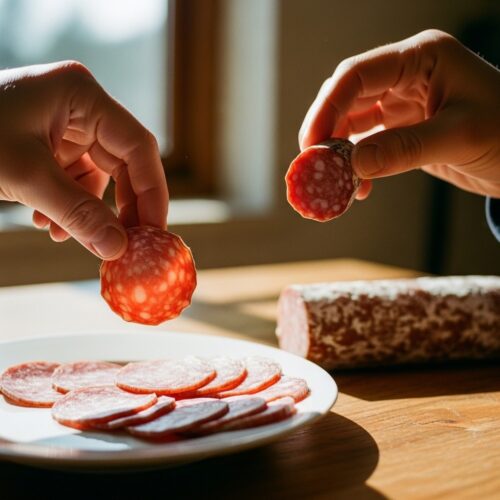
Salami and summer sausage might seem similar, but they have distinct characteristics. Let’s dive into their moisture levels, curing methods, and flavor profiles.
Curing Methods and Moisture Levels
Curing is key in defining these sausages. Here’s how they stack up:
- Salami: Typically, salami is fermented and dried. This process gives it a firmer texture. It usually has a lower moisture content because it loses about 15% of its weight during drying.
- Summer Sausage: This sausage is semi-dry, meaning it retains more moisture. It’s often cured using a faster method, which helps it stay juicier. Summer sausage usually has a softer bite compared to salami.
Flavor Profiles and Uses
The flavor differences are also noteworthy:
- Salami: A complex mix of spices gives salami its signature tangy flavor. You’ll often find garlic, pepper, and even wine in the mix. This makes it great for charcuterie boards or sandwiches.
- Summer Sausage: It has a milder, slightly sweet flavor. It’s perfect for snacking or pairing with cheese. The less intense seasoning means it can complement a wider variety of dishes.
Quick Comparison
| Trait | Salami | Summer Sausage |
|---|---|---|
| Moisture Level | Lower (drier) | Higher (juicier) |
| Curing Process | Fermented and dried | Semi-dry, quicker curing |
| Flavor Profile | Tangy, complex | Mild, slightly sweet |
| Common Uses | Charcuterie, sandwiches | Snacking, cheese pairing |
Understanding these traits can help you choose the right sausage for your next meal or gathering. Whether you’re aiming for a bold flavor or a milder bite, knowing the differences makes all the difference.
Beef Sausage vs. Pork Sausage: A Flavor Showdown
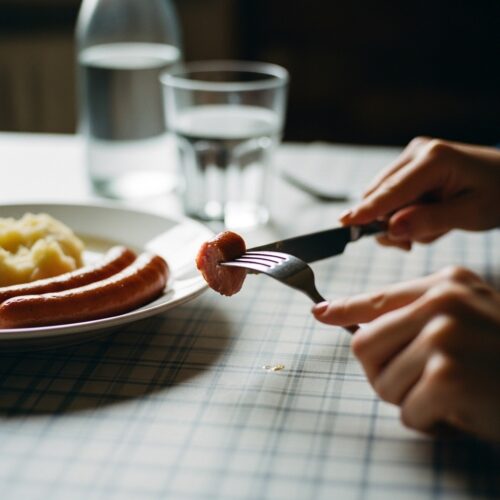
Beef and pork sausages each bring their own unique flair to the table. Understanding their differences can help you choose the right one for your next recipe.
Nutritional Content Comparison
When it comes to nutrition, beef and pork sausages have distinct profiles. Here’s a quick breakdown:
| Trait | Beef Sausage | Pork Sausage |
|---|---|---|
| Protein Content | Higher | Moderate |
| Fat Content | Lower | Higher |
| Vitamins & Minerals | Lower in B12, zinc | Rich in B12, zinc |
| Calories | Generally fewer | Generally more |
- Protein: Beef sausages often pack more protein, making them a leaner choice.
- Fat: Pork sausages tend to be juicier but come with more fat, which adds to their flavor.
- Vitamins: Pork sausages usually shine here, providing essential vitamins that beef sausages might lack.
Cooking Methods and Flavor Impact
How you cook these sausages can change their flavor and texture dramatically. Here’s a look at popular cooking methods:
- Grilling: Both types are great on the grill. Beef sausages give a robust flavor, while pork sausages offer a juicy bite.
- Boiling: This method works well for both, but pork sausages retain more moisture.
- Baking: Pork sausages can get crispy outside while remaining tender inside. Beef sausages may dry out if cooked too long.
Scenario Insight: If you’re making a hearty breakfast, beef sausage might complement your eggs better. For a classic Italian dish, pork sausage can add the richness needed in pasta sauces.
Choosing the Right Sausage
When deciding between beef and pork, consider the dish you’re preparing.
- Beef Sausage: Ideal for leaner meals and those watching their fat intake.
- Pork Sausage: Perfect for recipes that call for a richer, more savory flavor.
Remember, blending both can also create a delicious compromise, catering to different tastes and textures.
Cooking Methods: How to Prepare Your Sausages

Cooking sausages can be a game changer. The method you choose can really affect the flavor and texture. Let’s break down some popular cooking methods and how they transform your sausages.
Best Practices for Cooking
Here are some tried-and-true methods to cook your sausages perfectly:
- Grilling: This method gives sausages a nice char. It enhances their smoky flavor. Keep the heat medium to avoid flare-ups. Flip them regularly for even cooking.
- Smoking: If you have the time, smoking adds depth and complexity. This method infuses a rich flavor. Use wood chips like hickory or apple for a tasty twist.
- Boiling: A great way to keep sausages juicy. Simply simmer them in water or broth. This method is especially good for delicate sausages.
- Baking: Perfect for a hands-off approach. Bake sausages in the oven at 375°F for about 20-25 minutes. This method ensures a tender interior without drying them out.
Common Mistakes to Avoid
Avoid these pitfalls to ensure your sausages shine:
1. Overcooking: This can lead to dry sausages. Always check internal temperatures. Aim for 160°F for pork and 165°F for poultry.
2. Skipping the Rest: Let sausages rest for a few minutes after cooking. This helps juices redistribute, keeping them moist.
3. Not Pricking: Some people prick sausages to prevent bursting. This can actually let juices escape. Try grilling them whole instead!
Checklist for Perfectly Cooked Sausages
- Choose the right method based on your sausage type.
- Preheat your cooking surface (grill, pan, oven).
- Monitor the temperature closely.
- Allow sausages to rest after cooking.
By following these tips, you’ll navigate the sausage showdown like a pro!
The Cultural Significance of Sausages: Regional Variations
Sausages are more than just a delicious bite; they carry a rich cultural history. Different regions have their own unique takes on sausage making, shaped by local traditions, ingredients, and cooking methods.
Popular Sausage Varieties by Region
Here’s a quick look at some famous sausages from around the world:
- Germany: Bratwurst is a classic here. Made from pork, beef, or veal, it’s often grilled and served with mustard.
- Italy: Salami is a beloved cured sausage. It’s seasoned with garlic and spices, perfect for sandwiches or as part of a charcuterie board.
- Spain: Chorizo is known for its bold flavor, thanks to smoked paprika. It can be eaten fresh or dried, adding a kick to many dishes.
- United States: Hot dogs, often made from beef or pork, are a staple at barbecues and ballgames. They are quick, convenient, and customizable with toppings.
How Culture Shapes Sausage Making
Cultural practices heavily influence how sausages are prepared and consumed. For example:
- Ingredients: In some regions, local spices dictate the taste. Like the use of fennel in Italian sausages versus the paprika in Spanish chorizo.
- Preparation: Some cultures favor grilling, while others opt for boiling or smoking. This can change the texture and flavor profile significantly.
- Traditions: Festivals and gatherings often feature specific sausages as part of the celebration, showcasing local pride and culinary heritage.
Choosing the Right Sausage
When deciding which sausage to use, consider the dish and the cultural context. For a hearty German meal, go for bratwurst. If you want something zesty for a tapas night, chorizo is your best bet.
Understanding these regional variations not only enhances your meal but also deepens your appreciation for this global culinary tradition.
Frequently Asked Questions
These quick answers cover the most common questions about this topic, including key details, practical tips, and common concerns.
What exactly is sausage?
Sausage is a processed meat product made from ground meat mixed with seasonings, spices, fillers, and sometimes binders. It is encased in natural or synthetic casings to hold the mixture together. Sausages can be fresh, cured, smoked, or dried, depending on the variety and preparation method.
What meat is ground, seasoned, and stuffed into a casing?
Typically, meats like pork, beef, chicken, or lamb are ground and seasoned before being stuffed into casings. Pork and beef are the most common, but regional varieties may include other meats. The process involves grinding the meat, blending it with spices, and then filling it into casings for cooking or curing.
How do cooking methods affect sausage flavor?
Different cooking methods influence the flavor and texture of sausages. Grilling and smoking add smoky notes and a charred exterior, while boiling keeps sausages juicy and tender. Baking can produce a crispy outside, and pan-frying offers a caramelized crust. The method chosen can enhance or mute certain flavors.
Why is summer sausage named as such?
Summer sausage is named because it was traditionally made to be stored and enjoyed during the summer months without refrigeration. It is semi-dry, cured, and smoked, which extends its shelf life and makes it suitable for outdoor activities and picnics.
When should sausages be consumed after opening?
Sausages should be refrigerated and consumed within 3 to 4 days after opening. If you want to store them longer, freezing is recommended. Proper storage in airtight containers or vacuum-sealed packaging helps maintain freshness and prevent spoilage.
What are common mistakes when cooking sausages?
Common mistakes include overcooking, which can dry out the meat, and not monitoring internal temperatures. Pricking sausages can cause juices to escape, leading to dryness. Also, cooking sausages straight from the fridge can cause uneven cooking; letting them reach room temperature first helps.
How do shelf lives vary among different sausages?
Fresh sausages like pork or beef should be eaten within a few days of purchase or opening. Cured and smoked varieties like salami or summer sausage can last weeks or months if stored properly in a cool, dry place or refrigerated. Always check labels for specific expiration dates and storage instructions.
What is the difference between salami and summer sausage?
Salami is a cured, fermented, and dried sausage with a firm texture and tangy flavor, often sliced thin for charcuterie. Summer sausage is semi-dry, cured, and smoked but retains more moisture, making it softer and milder. Both are popular for snacking and charcuterie but differ in moisture content and flavor profile.