
The General Sherman Tree is the largest tree in the world by volume, located in Sequoia National Park. This guide provides essential information for visitors, including details about the tree’s characteristics, how to visit, and what to expect.
Overview of the General Sherman Tree
The General Sherman Tree stands tall as the largest tree in the world by volume. Located in Sequoia National Park, this giant sequoia is not just a marvel of nature but also an essential part of the park’s ecosystem.
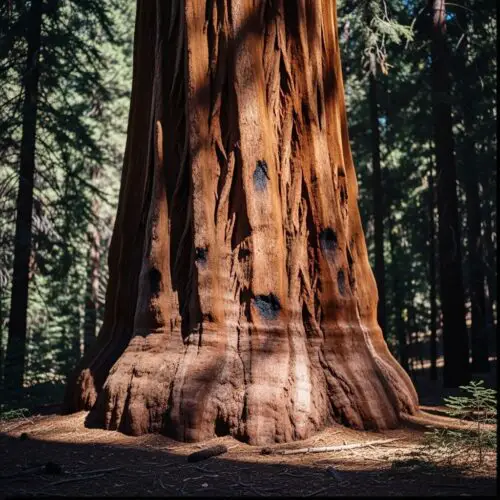
Key Characteristics of the General Sherman Tree
- Height: Approximately 275 feet (83.8 meters)
- Circumference: About 102.6 feet (31.3 meters) at its base
- Volume: Around 52,508 cubic feet (1,487 cubic meters)
- Age: Estimated between 2,200 to 2,700 years old
These impressive stats make the General Sherman Tree a true giant among trees. Its massive trunk holds more wood than any other tree on Earth, a title it fiercely maintains.
A Brief History
The General Sherman Tree was named after Civil War General William Tecumseh Sherman in 1879. Before that, it was known as the Karl Marx Tree by the Kaweah Colony, a group that settled in the area. Their logging activities were prohibited once the national park was established, but remnants of their history still exist, like Squatter’s Cabin.
Why Is It So Special?
The General Sherman Tree isn’t just big; it plays a vital role in its ecosystem. Its wide roots create a network with other giant sequoias, helping them stabilize and thrive. Wildlife, such as Douglas squirrels, find shelter and food among its branches, showcasing the interdependence of nature.
Table of Contents
Visiting the General Sherman Tree offers more than just a sight. It’s a chance to connect with a living piece of history and witness the majesty of nature that has stood for millennia.
Essential Visitor Information for the General Sherman Tree
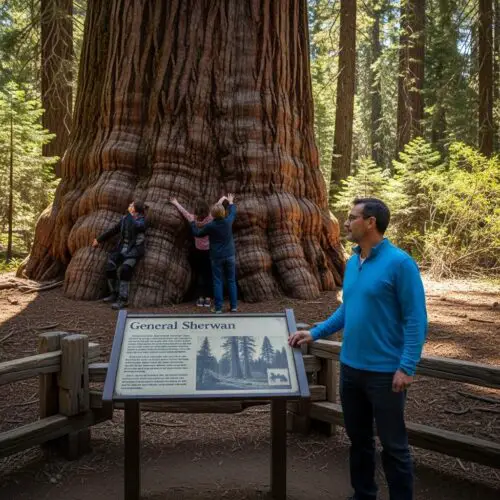
Planning your visit to the General Sherman Tree? Here’s everything you need to know about entrance fees, the best times to visit, and parking details. It’s all about making your trip smooth and enjoyable!
Entrance Fees and Passes
To access Sequoia National Park, you’ll need to pay an entrance fee. Here’s a quick breakdown:
- Vehicle Pass: $35 for a car (valid for seven days).
- Motorcycle Pass: $30 (valid for seven days).
- Individual Pass: $20 for pedestrians or cyclists (valid for seven days).
- Annual Pass: $70 for unlimited visits to all national parks for one year.
Make sure to keep your pass visible in your vehicle. If you’re planning to hike, grab a park map at the visitor center!
Best Times to Visit
Timing your visit can make a big difference. Here are the best times to see the General Sherman Tree:
- Early Morning (August to October): Fewer crowds and cooler weather.
- Weekdays: Generally quieter than weekends.
- Spring and Fall: Enjoy pleasant temperatures and stunning scenery.
Avoid peak summer months if you prefer a more peaceful experience.
Parking Information
Parking at the General Sherman Tree is pretty straightforward. Here’s what to keep in mind:
- Main Parking Area: Located near the tree, accessible from Wolverton Road.
- Shuttle Service: Runs every 15-20 minutes during peak season. Perfect if you want to skip the uphill climb back to your car!
- Accessible Parking: Available near the General Sherman Tree and along Generals Highway.
- Restroom Facilities: Located at the parking area, along with food-storage lockers for your safety.
Tip: During busy times, arrive early to snag a good parking spot. You’ll also want to store food in lockers to keep bears away!
By planning ahead, you can make the most of your visit and enjoy the grandeur of the world’s largest tree. Happy exploring!
Hiking to the General Sherman Tree: Trails and Tips
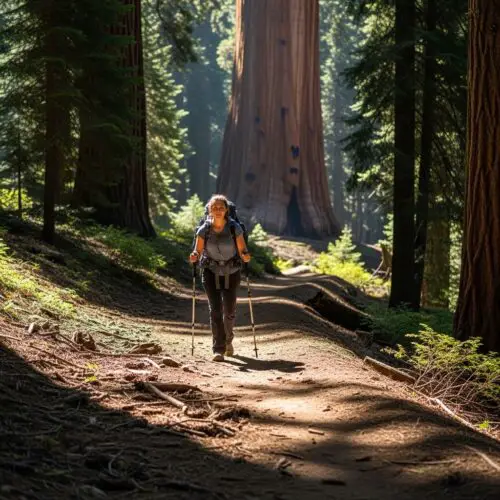
Exploring the trails to the General Sherman Tree is a fantastic way to soak in the beauty of Sequoia National Park. Whether you’re a seasoned hiker or a family looking for an adventure, there’s a trail that fits your needs.
General Sherman Tree Trail
This trail is the most direct route to see the General Sherman Tree. Here’s what you can expect:
- Length: About 0.5 miles round trip.
- Difficulty: Easy. Perfect for families and casual walkers.
- Features: Paved path and well-marked signs leading you right to the tree. You’ll enjoy stunning views along the way.
Tip: The trail can get crowded, especially during peak season. Early mornings or late afternoons are the best times to visit for fewer crowds.
Congress Trail Overview
If you’re up for a bit more adventure, the Congress Trail is a great choice. Here’s a quick overview:
- Length: Approximately 3 miles loop.
- Difficulty: Moderate. Some elevation changes, but manageable for most.
- Features: Connects several giant sequoias, including the General Sherman Tree. You’ll see impressive trees like the General Grant and the President Tree along the way.
Hiking Time: Expect to spend 2-3 hours if you’re taking your time to enjoy the scenery and snap photos.
Accessibility Options
The trails are designed to be accessible for a wide range of visitors. Here are some helpful details:
- Paved Path: The General Sherman Tree Trail is wheelchair accessible.
- Rest Areas: Benches are available along the trails for resting.
- Parking: Accessible parking is available close to the trailhead for easier access.
Checklist for Families:
- Bring plenty of water and snacks.
- Wear comfortable shoes; the trails can be uneven in places.
- Keep an eye out for wildlife like squirrels and deer!
Getting to the General Sherman Tree is not just a hike; it’s an experience that connects you with nature’s giants. Enjoy the journey!
Unique Characteristics of the General Sherman Tree
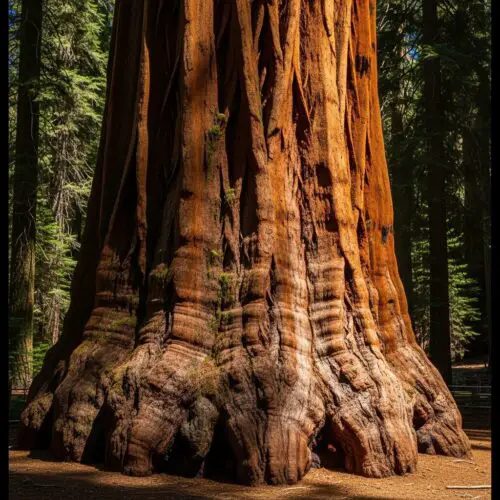
The General Sherman Tree isn’t just a tree; it’s a colossal giant with impressive stats! Let’s dive into its dimensions, age, and how it stacks up against its fellow giants.
Size and Volume
The General Sherman Tree is the largest tree in the world by volume. It measures about 275 feet tall and has a trunk diameter of around 36 feet. This massive tree contains more wood than any other tree on Earth. Here’s a quick comparison:
- General Sherman Tree:
- Height: 275 feet
- Diameter: 36 feet
- Volume: 52,508 cubic feet
- General Grant Tree:
- Height: 268 feet
- Diameter: 29 feet
- Volume: 47,000 cubic feet
- President Tree:
- Height: 247 feet
- Diameter: 27 feet
- Volume: 44,000 cubic feet
While the General Sherman Tree takes the crown for volume, it’s not the tallest tree. That title goes to Hyperion, a coast redwood.
Age and Growth
The age of the General Sherman Tree is estimated to be around 2,200 years old. That’s older than most civilizations! These giants grow rapidly over their long lives, contributing to their impressive size.
Giant sequoias, like the General Sherman, are known for their shallow but wide-spreading roots. This unique root system helps them stay stable and connected with other sequoias, forming a natural support network.
Comparison with Other Giant Sequoias
When comparing the General Sherman Tree to its peers, it stands out for its sheer volume. Here are a few notable aspects:
- General Grant Tree: Once considered the largest, it now ranks second in volume.
- President Tree: Surpassed General Grant in terms of total biomass, but still trails behind Sherman in volume.
- Historical Giants: There are reports of even larger trees historically, like the Crannell Creek Giant, which was estimated to be 15-25% larger than Sherman before it was cut down.
The General Sherman Tree’s unique characteristics make it a must-see for anyone visiting Sequoia National Park. It’s not just about size; it’s about history, growth, and the incredible ecosystems these trees support.
The Ecological Importance of Giant Sequoias

Giant sequoias, like the General Sherman Tree, play a vital role in their ecosystem. They are not just impressive for their size; they also support a diverse array of wildlife and contribute significantly to environmental health.
How Do Giant Sequoias Support Their Ecosystem?
Giant sequoias have unique characteristics that benefit their environment:
- Habitat for Wildlife: These trees provide homes for many species. Birds, squirrels, and insects thrive in their branches and trunks.
- Soil Enrichment: Fallen leaves and cones decompose, enriching the soil. This process helps other plants grow, supporting the overall health of the forest.
- Water Retention: Their massive canopies help capture rainwater, which slowly filters down to the ground. This process maintains moisture levels in the soil, benefiting surrounding flora.
Climate Resilience and Carbon Sequestration
Giant sequoias are impressive not only in size but also in their ability to combat climate change:
- Carbon Storage: They absorb carbon dioxide from the atmosphere, storing it in their vast trunks and branches. This helps mitigate the effects of global warming.
- Fire Resistance: Their thick bark protects them from fire. This resilience allows them to survive in regions that experience frequent wildfires, promoting stability in the ecosystem.
Visitor Insights on the Importance of Sequoias
When visitors come to see the General Sherman Tree, they often share awe-inspiring experiences. Many talk about feeling small in comparison to the tree’s enormity. This perspective highlights the importance of preserving these natural wonders.
- Visitor Testimonials: “Standing next to the General Sherman Tree made me realize how interconnected life is. It’s a reminder of nature’s resilience.”
- Photographic Opportunities: Families and photographers find joy in capturing the beauty of these giants, often sharing stories of their visits.
Giant sequoias, like the General Sherman Tree, are more than just trees; they are essential to the health of their ecosystem. By understanding their ecological significance, we can appreciate the need for conservation efforts in Sequoia National Park.
Conservation Efforts for the General Sherman Tree
The General Sherman Tree is not just a marvel of nature; it’s also a symbol of the ongoing need for conservation. Protecting this giant and its home, Sequoia National Park, is crucial for its survival and the ecosystem around it.
Current Conservation Projects
Several initiatives aim to preserve the General Sherman Tree and its environment. Here are some key efforts:
- Fire Management: Controlled burns help reduce the risk of severe wildfires. These fires mimic natural processes that sequoias thrive on.
- Invasive Species Control: Teams work to remove non-native plants that compete with sequoias for resources. This ensures that the giants get the nutrients they need.
- Visitor Education: Park rangers lead programs to educate visitors on the importance of preserving these trees. Knowledge is power!
How You Can Help
Visitors can play a role in conservation, too! Here’s how:
- Stay on Trails: Protect the surrounding environment. Walking off-trail can damage delicate roots and soil.
- Follow Regulations: Always adhere to park guidelines. This includes food storage to avoid attracting wildlife.
- Participate in Volunteer Days: Many parks offer opportunities to help with clean-ups and restoration projects. It’s a great way to give back!
The Ecological Role of Giant Sequoias
Giant sequoias are vital to their ecosystem. They provide habitat for many species, including birds and mammals. Their large canopies offer shade, which helps maintain a cooler microclimate below.
By understanding these trees’ ecological significance, we can better appreciate why conservation is essential. Protecting the General Sherman Tree means protecting a piece of our planet’s history and future.
Frequently Asked Questions
These quick answers cover the most common questions about this topic, including key details, practical tips, and common concerns.
How long is the hike to see the General Sherman Tree?
The most direct trail to the General Sherman Tree is about 0.5 miles round trip. It’s a paved, easy walk suitable for families and visitors of all ages. The trail usually takes 15-30 minutes to complete, depending on your pace and stops for photos. During peak times, it can be crowded, so early mornings or late afternoons are ideal for a quieter experience.
What does the Bible say about sequoia trees?
The Bible does not specifically mention sequoia trees, as they are native to North America and not found in the ancient Middle Eastern regions described in biblical texts. However, the Bible often references large trees and forests as symbols of strength, stability, and God’s creation. Sequoias can be seen as a modern representation of these biblical ideals of enduring life and divine craftsmanship.
Is the General Sherman Tree the biggest in the world?
The General Sherman Tree is the largest by volume, making it the biggest tree on Earth. It measures about 275 feet tall with a trunk volume of roughly 52,508 cubic feet. While it is the largest in terms of bulk, it is not the tallest tree. That title belongs to coast redwoods like Hyperion, which can reach over 380 feet but have less overall volume.
Is it illegal to cut down a sequoia tree?
Yes, it is illegal to cut down or damage giant sequoias in national parks like Sequoia and Kings Canyon. These trees are protected by federal law because they are rare and ecologically vital. Unauthorized cutting or vandalism can result in severe penalties, including fines and imprisonment. Conservation efforts aim to preserve these ancient giants for future generations.
What wildlife can be seen around the General Sherman Tree?
Wildlife around the General Sherman Tree includes squirrels, deer, and various bird species such as woodpeckers and warblers. Smaller mammals and insects also thrive in the tree’s ecosystem. Visitors might spot Douglas squirrels gathering food or listen to the calls of songbirds nesting in the branches.
How has climate change affected the General Sherman Tree?
Climate change poses threats such as increased wildfires, drought, and changing weather patterns that stress the giant sequoias. These trees rely on specific moisture levels and fire regimes for regeneration. Recent years have seen more intense wildfires, which can damage or threaten the health of the General Sherman Tree and other sequoias.
What is the history of the General Sherman Tree?
The tree was named after Civil War General William Tecumseh Sherman in 1879. Before that, it was called the Karl Marx Tree by the Kaweah Colony, a logging community that settled nearby. The park’s establishment protected the tree from logging, and it has since become a symbol of conservation and natural wonder.
How tall is the General Sherman Tree?
The General Sherman Tree stands approximately 275 feet tall, making it one of the tallest trees in the world. Its height, combined with its massive trunk diameter, contributes to its status as the largest tree by volume. Visitors often marvel at its towering presence, which can be seen from miles away.
Is it safe to visit the General Sherman Tree during wildfire season?
Visiting during wildfire season can be risky due to smoke, road closures, and increased fire activity. Always check current park alerts and conditions before your visit. If there are active fires nearby, it’s safer to postpone your trip until conditions improve. Park authorities prioritize safety and may restrict access during high fire danger.
Are there guided tours available for the General Sherman Tree?
Yes, guided tours are available through park ranger programs, concession providers, and private tour companies. These tours offer insights into the tree’s ecology, history, and conservation efforts. They can enhance your visit with expert commentary and a deeper understanding of the significance of the General Sherman Tree.