
The Original Green New Deal, encapsulated by the Civilian Conservation Corps (CCC), marked a pivotal moment in American history. Established during the Great Depression, the CCC transformed the landscape and economy of the United States through extensive environmental conservation efforts.
Understanding the Original Green New Deal
The Original Green New Deal refers to the transformative efforts of the Civilian Conservation Corps (CCC) during the Great Depression. This initiative not only provided jobs but also set the stage for modern environmental policies in America.
Defining the Original Green New Deal
The Original Green New Deal is often credited to the CCC, which was established in 1933 as part of Franklin D. Roosevelt’s New Deal. The CCC aimed to combat the environmental crisis caused by soil erosion and deforestation.
Key aspects of the Original Green New Deal include:
- Job Creation: The CCC employed over three million young men.
- Environmental Restoration: The program focused on reforestation, soil conservation, and creating parks.
- Community Engagement: Projects were often local, involving communities in restoration efforts.
The Role of the CCC in Environmental Transformation
The CCC played a crucial role in reshaping America’s natural landscape. One of its most notable projects was the reforestation of areas devastated by logging and erosion.
Table of Contents
Here are some specific examples of CCC projects:
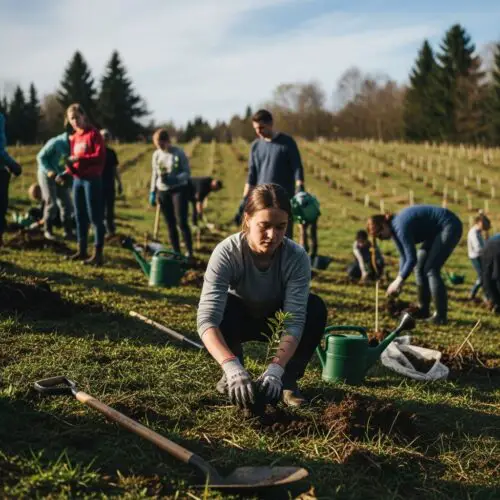
- Tree Planting Initiatives: The CCC planted over two billion trees across the nation. This not only helped restore forests but also improved air quality.
- Soil Conservation: The CCC worked on projects that slowed soil erosion on forty million acres of farmland. Techniques included building terraces and planting cover crops.
- Infrastructure Development: The CCC constructed trails, roads, and parks, which laid the groundwork for future public spaces and recreational areas.
These efforts not only helped to recover the environment but also provided a blueprint for future environmental initiatives. The CCC demonstrated how government programs could effectively mobilize resources for both economic recovery and environmental stewardship.
Franklin D. Roosevelt’s Vision for America

Franklin D. Roosevelt, often known as FDR, had a clear vision for America during the Great Depression. His goal was to revitalize the economy while also protecting the environment. This vision led to the creation of the New Deal and the Civilian Conservation Corps (CCC).
Economic Challenges of the Great Depression
The Great Depression hit hard. Unemployment soared. Families struggled to make ends meet. FDR recognized that the country needed bold action to recover.
- High Unemployment: Millions were out of work, leading to widespread poverty.
- Economic Collapse: The banking system was failing, and businesses were closing.
- Environmental Degradation: Dust storms ravaged the Midwest, showcasing the need for soil conservation.
FDR knew that tackling these issues required innovative solutions. He believed that economic recovery and environmental health could go hand in hand.
FDR’s Approach to Environmental Issues
FDR’s personal experiences shaped his environmental policies. He grew up in a rural setting and appreciated nature. This background influenced his commitment to conservation.
- Creation of the CCC: The CCC was established in 1933 to provide jobs while also focusing on environmental projects.
- Soil Conservation Efforts: The CCC worked on projects that restored landscapes and improved agricultural practices.
- Public Works Initiatives: By building parks, trails, and infrastructure, the CCC laid the groundwork for future recreation and conservation efforts.
FDR understood that restoring the land would help restore the economy. His approach blended economic recovery with environmental stewardship. This dual focus is what set the Original Green New Deal apart from typical economic policies of the time.
Personal Motivations Behind FDR’s Policies
FDR’s motivations were deeply personal. His own battles with polio made him empathetic to the struggles of others. This empathy drove him to create programs that not only provided jobs but also healed the land.
- Empathy for the Unemployed: FDR wanted to offer hope to those suffering.
- Vision for a Greener America: He believed that a healthy environment was essential for a thriving economy.
FDR’s legacy lives on in the programs he created. The CCC not only transformed America’s landscape but also served as a model for future environmental initiatives. His vision showed how government can play a role in both economic and environmental recovery, making the Original Green New Deal a pioneering effort in American history.
Environmental Conservation Efforts of the CCC
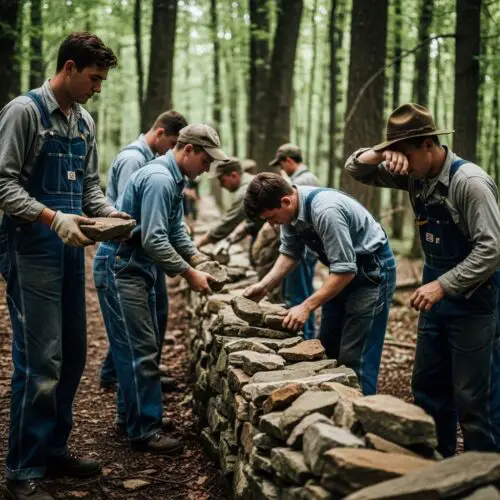
The Civilian Conservation Corps (CCC) was a game-changer for America’s environment during the Great Depression. Their projects focused on soil conservation and reforestation, laying the groundwork for future environmental efforts.
Major Achievements in Soil Conservation
The CCC tackled soil erosion head-on. With millions of acres affected by poor farming practices, their work was crucial. Here are some major achievements:
- Erosion Control: The CCC implemented techniques to combat soil erosion on over 40 million acres. They built terraces and planted grass to stabilize the soil.
- Flood Prevention: By creating structures like check dams, they reduced flooding and protected farmland.
- Soil Education: Their programs educated young men on sustainable farming practices, which spread awareness about soil health.
A standout project was the development of tree shelterbelts. These rows of trees helped farmers shield their lands from harsh winds, preserving soil moisture and preventing erosion.
Reforestation and Its Impact on Ecosystems
Reforestation was another significant focus for the CCC. Their efforts transformed barren landscapes into thriving ecosystems. Here’s how:
- Tree Planting: The CCC planted around 3 billion trees throughout the nation. This not only improved air quality but also provided habitats for wildlife.
- Forest Management: They built firebreaks and fire towers to protect forests from wildfires, ensuring that these newly planted trees could thrive.
- Community Involvement: Local communities often joined in, fostering a sense of stewardship for the land.
One notable success was in the Great Plains, where CCC workers transformed abandoned farmland into green spaces. This not only improved the environment but also boosted local economies by attracting tourism and recreation.
The CCC’s environmental initiatives not only helped heal the land but also inspired future generations. Their legacy is a testament to how focused efforts can create lasting change in our ecosystems.
Socio-Economic Impact of the CCC
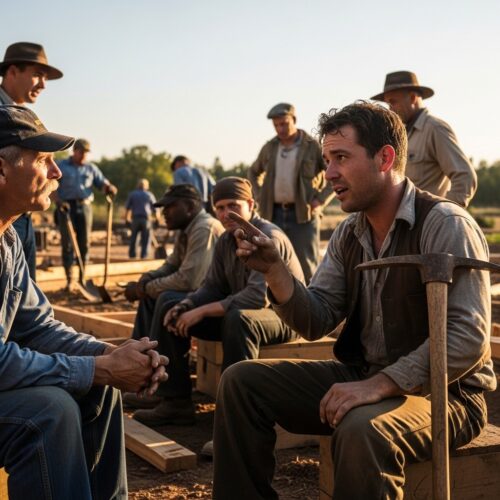
The Civilian Conservation Corps (CCC) had a profound impact on America’s socio-economic landscape during the Great Depression. It provided jobs, fostered community development, and uplifted marginalized groups. Let’s dive into how these changes unfolded.
Employment Opportunities Created by the CCC
The CCC was a game-changer for job seekers in the 1930s. It created millions of jobs for young men who were struggling to find work. Here’s how it worked:
- Job Creation: The CCC employed around 3 million men over its nine years. They built parks, planted trees, and improved infrastructure.
- Skills Development: Workers learned valuable skills in forestry, conservation, and construction. Many went on to find permanent jobs in these fields.
- Financial Relief: Enrollees sent a portion of their earnings home, helping families survive tough economic times.
For many, joining the CCC wasn’t just about work; it was about hope and purpose.
The CCC’s Influence on Marginalized Communities
The CCC made a significant impact on marginalized communities. It provided opportunities for groups who were often overlooked. Here’s how:
- Diversity in Recruitment: The CCC aimed to include African Americans and other minorities, though they faced challenges in accessing these opportunities.
- Community Projects: Many CCC projects were located in underdeveloped areas. This led to improved local infrastructure, benefiting everyone.
- Personal Stories: Take, for example, John, a young African American man from the South. He joined the CCC, worked on soil conservation projects, and returned home with skills that helped him start a small business. His story reflects the transformative power of the CCC.
The CCC not only created jobs but also fostered a sense of community and belonging among its workers. These experiences helped shape lives and pave the way for future opportunities.
The legacy of the CCC is clear: it was more than just a job program; it was a lifeline that connected individuals to their communities and the environment.
Challenges Faced by the CCC
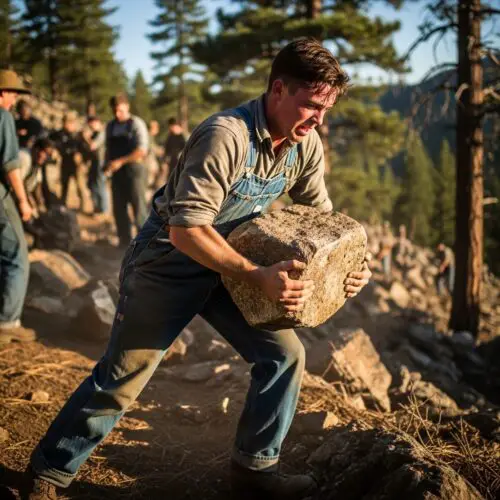
The Civilian Conservation Corps (CCC) made significant strides in environmental conservation and job creation. However, it wasn’t all smooth sailing. The program faced serious challenges, particularly around accessibility and racial inequities.
Accessibility Issues in the CCC
Not everyone had equal access to the opportunities created by the CCC. While the program aimed to help young men during the Great Depression, many eligible individuals faced barriers. For instance:
- Location Limitations: Camps were often situated far from urban centers, making it hard for some to participate.
- Eligibility Criteria: The CCC primarily targeted young, unmarried men, leaving out women and older individuals who also needed help.
- Physical Demands: The nature of the work required physical strength, which excluded some potential participants with disabilities.
These limitations meant that certain groups missed out on the benefits the CCC offered.
Racial Inequities and Exclusions
Racial discrimination was another dark cloud hanging over the CCC. While the program provided jobs, it did not do so equally. Here’s what you should know:
- Segregated Camps: Many camps were segregated, particularly in the South. Black workers often faced inferior conditions and fewer opportunities.
- Limited Supervisory Roles: Although some Black individuals were hired, they rarely held supervisory positions. This created a hierarchy that mirrored the societal inequalities of the time.
- Unequal Pay and Treatment: Reports indicate that Black enrollees received less pay and fewer resources compared to their white counterparts.
These inequities not only affected the workers but also hampered the overall mission of the CCC to heal the land and uplift communities.
Real Stories of Impact and Exclusion
To understand the human side of these challenges, consider the experiences of those who were affected. For example, many Black enrollees shared their frustration over being assigned to less critical projects or receiving inferior training compared to white workers. These stories highlight the complexities of the CCC’s legacy—an initiative that did help many, but also excluded and marginalized others.
In summary, while the CCC played a crucial role in America’s environmental transformation, it also faced significant challenges related to accessibility and racial inequities. Addressing these issues is important to fully appreciate the impact of this early Green New Deal.
Legacy of the Original Green New Deal
The Civilian Conservation Corps (CCC) left a lasting mark on American environmental policy. Its initiatives during the Great Depression reshaped how we think about conservation and public works. Let’s dive into its significant legacy and how it still resonates today.
Lasting Effects on Environmental Policy
The CCC was a pioneer in environmental restoration. It tackled soil erosion, reforestation, and park development. Here are some of its key contributions:
- Soil Conservation: The CCC worked on millions of acres, reducing soil erosion significantly. This laid the groundwork for modern soil conservation techniques.
- Reforestation: They planted over two billion trees, which helped combat climate change long before it was a household term.
- Public Awareness: The CCC raised awareness about environmental issues. Its efforts inspired future generations to prioritize conservation.
These foundational actions influenced later environmental policies, including the establishment of the Environmental Protection Agency (EPA) and various conservation laws.
The CCC’s Influence on Modern Environmental Movements
The spirit of the CCC lives on in today’s environmental movements. Many modern initiatives echo its principles of job creation and environmental stewardship. For instance:
- Job Creation: Programs like AmeriCorps and the Job Corps reflect the CCC’s model. They focus on providing jobs while addressing community and environmental needs.
- Community Engagement: Just like the CCC, many current movements emphasize local involvement. They encourage communities to take charge of their environmental challenges.
- Climate Initiatives: Modern policies often draw from the CCC’s legacy of integrating environmental goals with economic recovery. The idea that you can create jobs while saving the planet is more relevant than ever.
In summary, the CCC set a precedent for blending economic recovery with environmental responsibility. Its legacy continues to shape how we approach conservation and job creation today.
Frequently Asked Questions
These quick answers cover the most common questions about this topic, including key details, practical tips, and common concerns.
What was the original Green New Deal?
The original Green New Deal refers to the set of programs and policies enacted during the New Deal era, primarily through the Civilian Conservation Corps (CCC), in response to the Great Depression. It combined economic recovery efforts with environmental conservation, creating jobs while restoring natural landscapes and infrastructure.
How did the New Deal transform America?
The New Deal, launched by Franklin D. Roosevelt in 1933, transformed America by reducing unemployment, stabilizing the economy, and establishing government programs for social welfare. It also promoted large-scale public works projects and environmental conservation, laying the foundation for modern social and environmental policies.
What went wrong with the Green New Deal?
Critics argue that the Green New Deal faced issues like high costs, implementation challenges, and social inequalities. During the original efforts, racial and social disparities limited access for marginalized groups, and some projects were criticized for inefficiency or environmental impacts. Today’s proposals face similar debates over feasibility and scope.
Who funds the Green New Deal?
The original Green New Deal was funded through federal government budgets allocated during the New Deal era. Modern proposals are debated in Congress, with funding sources including federal taxes, public borrowing, and private investments, though specific funding mechanisms are still under discussion.
What were the main programs of the Civilian Conservation Corps?
The CCC’s main programs included reforestation, soil conservation, building parks and trails, and infrastructure projects like roads and flood control structures. It employed over three million young men and aimed to restore the environment while providing economic relief.
What challenges did the CCC face during its operation?
The CCC faced issues like racial segregation, unequal treatment of minority workers, and limited access for marginalized communities. Camps were often segregated, and Black enrollees received fewer resources and opportunities. Physical demands and location constraints also limited participation.
How does the CCC relate to modern environmental initiatives?
The CCC set a precedent for integrating environmental conservation with job creation. Its projects inspired current programs focused on climate resilience, reforestation, and community involvement. The idea of combining economic recovery with environmental stewardship remains central to modern policy.
What are the long-term effects of the New Deal on American society?
The New Deal established social safety nets, strengthened federal government roles, and promoted conservation efforts. It created lasting infrastructure, employment programs, and environmental policies that continue to influence American society and governance today.