
Flowers in fashion serve as powerful symbols of mental health expression, intertwining aesthetics with emotional wellbeing. The integration of floral motifs in clothing not only enhances visual appeal but also promotes healing and self-expression, making them a vital aspect of mental wellness in contemporary fashion.
The Symbolism of Flowers in Mental Health
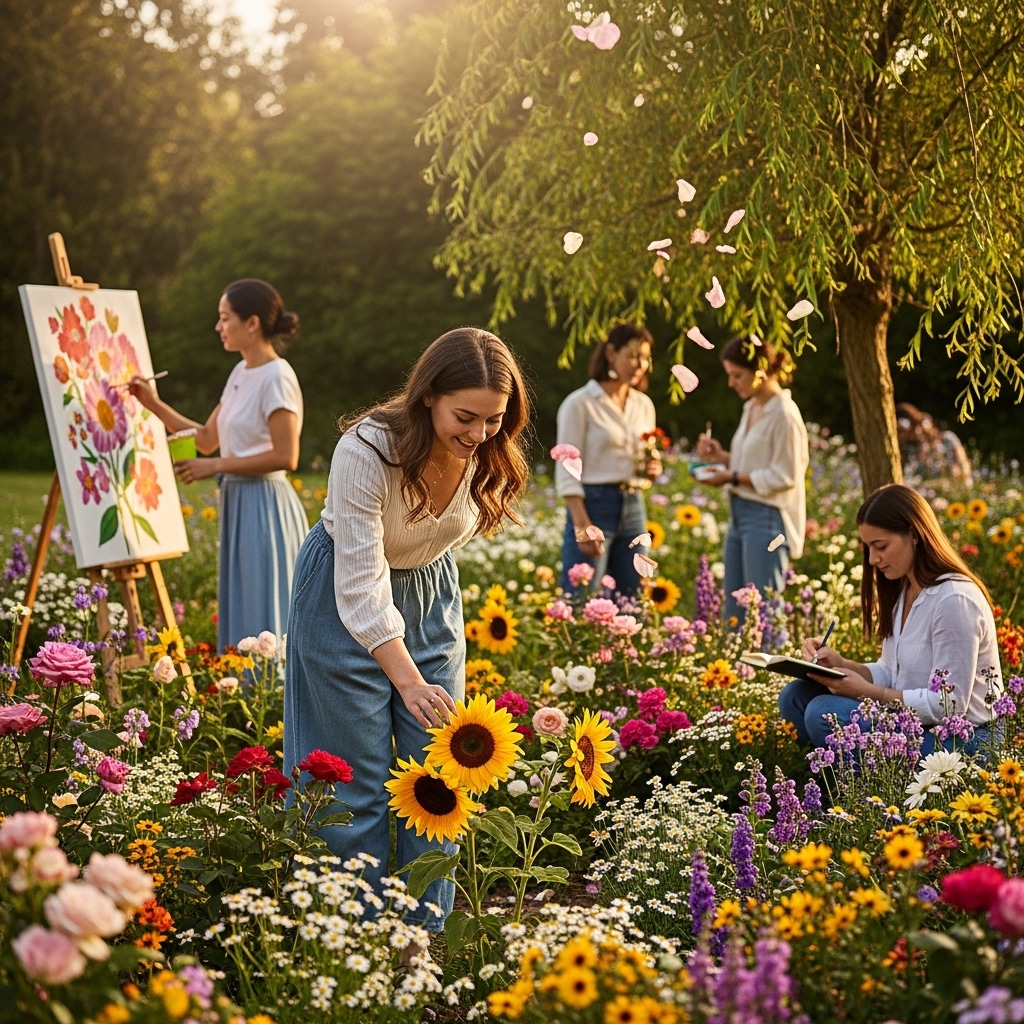
Flowers carry rich symbolism, especially when it comes to expressing mental health. Each bloom has its unique meaning and can evoke emotions that resonate deeply with personal experiences. Incorporating these flowers into fashion can transform clothing into a canvas for mental health expression, making the connection between visuals and emotional wellbeing even stronger.
Forget-Me-Nots: A Reminder of Connection
Forget-me-nots symbolize memory and remembrance, making them particularly poignant for those dealing with mental health struggles. These delicate blue flowers remind us that we should not forget those suffering from conditions like anxiety and depression. In fashion, forget-me-not patterns can serve as a gentle reminder that we are not alone in our battles, fostering a sense of connection and support among individuals. Wearing a floral print dress featuring these blooms can create a visual representation of solidarity and hope, encouraging open conversations about mental health.
Sunflowers: Radiating Positivity and Strength
Sunflowers are another powerful symbol in the realm of mental health. Their bright yellow petals represent joy, warmth, and resilience, reflecting the strength required to overcome challenges. In fashion design, incorporating sunflower motifs can embody positivity and uplift spirits. Wearing pieces adorned with sunflowers can inspire wearers to embrace their strengths and foster a positive outlook on life. This connection to resilience makes sunflowers an ideal choice for those looking to express their journey towards mental wellness through their clothing.
Lavender: Calming and Healing
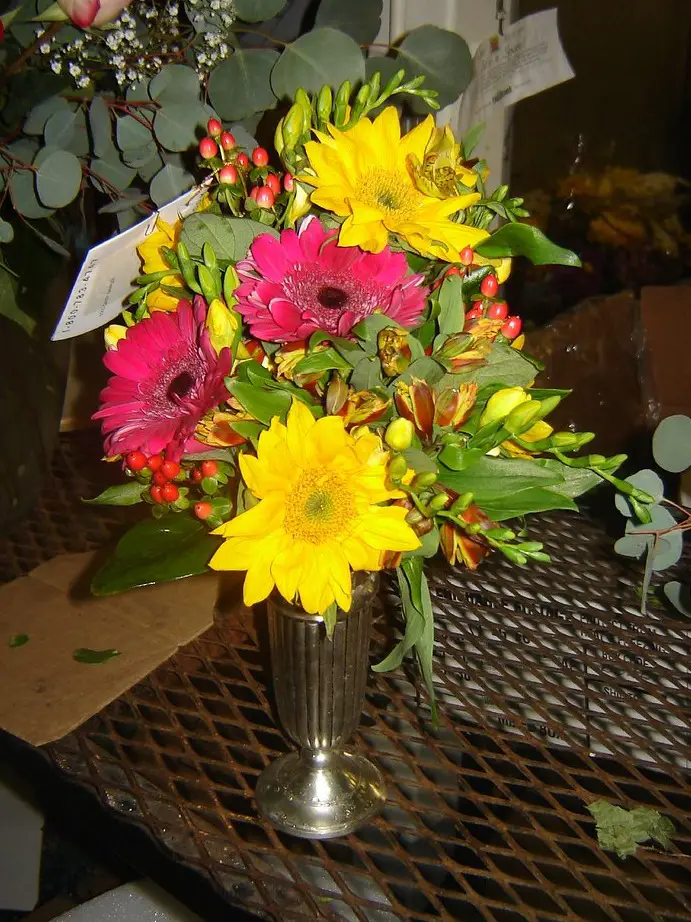
Lavender is renowned for its soothing properties, often associated with relaxation and tranquility. This flower is commonly used in aromatherapy to alleviate anxiety and promote better sleep. In fashion, the soft hues of lavender can evoke a sense of calmness, making it a perfect choice for garments intended to promote comfort and mental wellbeing. A lavender-inspired outfit can enhance the wearer’s mood and encourage a peaceful state of mind, offering an emotional refuge in the chaos of everyday life.
Floral Therapy in Fashion
By integrating these flowers into fashion, designers not only elevate aesthetics but also promote mental health awareness. Floral patterns act as visual symbols of hope, healing, and resilience, turning clothing into a medium for self-expression. This is where the concept of floral therapy comes into play, as wearing garments that reflect one’s emotional state can be a powerful form of self-care.
Choosing clothing that features these symbolic flowers can be an intentional act of self-love and affirmation. For example, a Floral Print Dress can serve as a beautiful representation of your journey through mental health, making every wear a reminder of your resilience and hope.
Incorporating flowers into fashion designs not only enriches the garments but also provides the wearer with a unique opportunity to express their mental health journey visually. By choosing flowers like forget-me-nots, sunflowers, and lavender, individuals can wear their stories confidently while promoting awareness and understanding of mental health.
The Role of Floral Patterns in Clothing

Floral patterns in fashion hold a significant place in the conversation about mental health and emotional wellbeing. These designs can evoke a range of feelings, making them more than just a style choice—they become a form of expression. When we wear floral patterns, we are often tapping into their symbolism, which can reflect our state of mind and emotional journey.
Color psychology plays a crucial role in how floral patterns affect our moods. For instance, bright flowers like sunflowers are associated with happiness and positivity. Wearing a dress adorned with cheerful sunflowers can uplift your spirit, promoting feelings of joy and hope. On the other hand, softer colors like lavender can evoke a sense of calm and tranquility, making them ideal for those seeking peace in their mental health journey. By choosing clothing with specific floral designs, individuals can intentionally influence their emotional state and wellbeing.
-
Colors and Their Emotional Impact:
- Yellow Flowers (e.g., Daisies): Associated with optimism and energy, yellow flowers can bring a sense of cheer. Wearing these can help combat feelings of sadness or anxiety.
- Blue Flowers (e.g., Forget-Me-Nots): Often linked to memory and reflection, blue can be soothing. This could remind the wearer of their journey through mental health challenges, emphasizing that they are not alone.
- Red Flowers (e.g., Poppies): Symbolizing love and passion, red can invigorate and empower. This emotional boost can be particularly beneficial during tough times.
The use of floral patterns in adaptive fashion is also noteworthy. Designers are increasingly incorporating floral motifs into clothing that caters to those with mental health challenges. These designs not only provide comfort but also create a visual representation of hope and resilience. By wearing clothing with flowers that symbolize recovery and strength, individuals can express their personal journey and foster a sense of community around mental health.
Moreover, floral patterns can serve as conversation starters, helping to break the stigma surrounding mental health. When someone wears a beautiful floral print, it can spark dialogue about emotional wellbeing and self-care. This connection fosters a supportive environment, allowing individuals to share their experiences and feelings.
Integrating Floral Therapy into Fashion Design
Designers have a unique opportunity to weave floral therapy into their collections, creating garments that not only look beautiful but also promote mental health and wellbeing. By incorporating flowers into fashion, designers can tap into the rich symbolism of various blooms, encouraging wearers to express their emotions and experiences through their clothing.
Using Floral Motifs
Floral motifs can be powerful symbols of hope and healing. Designers can choose specific flowers known for their mental health associations. For instance:
- Lavender: Often linked to calming effects, lavender prints can be used in loungewear or sleepwear, encouraging relaxation and peace.
- Sunflowers: Representing positivity and resilience, sunflower patterns might be ideal for casual wear, uplifting the mood of anyone who wears them.
These floral designs serve as a reminder of the wearer’s journey, promoting a sense of connection to mental health themes.
Fabric Choices and Color Psychology
The materials and colors used in floral designs play a vital role in their therapeutic effects. Soft, breathable fabrics like cotton or bamboo can enhance comfort, while colors like blue and yellow can evoke feelings of calmness and joy. For example:
- A floral print dress made from lightweight cotton can provide comfort and ease, making it perfect for everyday wear. The colors and patterns can uplift the spirit while also making a fashion statement. Check Price on Amazon.
Designers can utilize color psychology to select shades that resonate with the emotions they wish to evoke. For instance, soft pastels can create a soothing atmosphere, while bright colors can energize and inspire.
Functional Fashion for Mental Health
Incorporating adaptive fashion elements can further enhance the mental health benefits of floral designs. Features like adjustable straps, seamless stitching, and sensory-friendly fabrics can make garments more inclusive for individuals with mental health conditions. By prioritizing comfort and function alongside aesthetic appeal, designers can ensure that their creations support the wellbeing of all wearers.
Floral Patterns in Accessories
Floral designs aren’t limited to clothing. Accessories like bags, scarves, and jewelry can also carry floral motifs, providing subtle reminders of mental health themes. For instance, a floral-patterned scarf can be a comforting accessory, allowing wearers to express their connection to nature and mental wellbeing throughout their day.
Collaborative Efforts
Designers can collaborate with mental health organizations to create meaningful collections that raise awareness. By integrating floral themes associated with mental health, they can contribute to broader conversations about wellness and self-expression in fashion. This partnership can lead to unique, impactful designs that resonate with consumers looking for more than just style—they seek a connection to their mental health journey.
Case Studies: Brands Merging Fashion with Mental Health Advocacy
Many fashion brands are stepping up to advocate for mental health through floral designs and messaging. These initiatives not only enhance the aesthetics of their collections but also foster important conversations about mental health and wellbeing. Here are some noteworthy examples:
1. MIRROR | MIRROR™
MIRROR | MIRROR™ has integrated floral symbolism into its designs to promote mental health awareness. Their collections feature vibrant floral patterns that represent hope, resilience, and self-expression. By embedding messages of support for mental health on their clothing tags, they encourage consumers to engage in conversations about their mental health journeys. This approach has made their products more than just fashion items—they serve as symbols of solidarity for those facing mental health challenges. The brand’s strategy emphasizes the psychological impact of colors and floral designs, creating garments that not only look appealing but also uplift spirits and promote wellbeing.
2. Adaptive Fashion Initiatives
Several brands are pioneering adaptive fashion that incorporates floral elements specifically designed for individuals with mental health conditions. These collections often use soft fabrics and calming colors, integrating floral motifs that promote relaxation. For example, garments featuring lavender hues are chosen for their calming effects, while floral prints can evoke feelings of happiness and nostalgia. This mindful approach not only enhances comfort but also reinforces the idea of clothing as a medium for self-expression, allowing wearers to connect their outfits with their mental health experiences.
3. Fleur de Lis Fashion
Fleur de Lis Fashion focuses on creating clothing that promotes mental wellness through floral designs. Their collections are inspired by various flowers known for their associations with healing and positivity. Each piece is accompanied by a description of the floral symbolism behind it, educating consumers about the mental health benefits associated with those blooms. By bridging the gap between fashion and mental health advocacy, Fleur de Lis Fashion encourages customers to wear their feelings and share their stories, helping to normalize discussions around mental health.
4. Chanel’s Mental Health Campaign
Chanel recently launched a campaign that features floral-themed pieces while promoting mental health awareness. Their campaign emphasizes the beauty of flowers as symbols of emotional resilience and healing. Through collaborations with mental health organizations, Chanel uses its platform to highlight the importance of mental wellness, making floral designs a central theme in their messaging. This strategy not only elevates their brand image but also places mental health at the forefront of fashion discourse, reinforcing the idea that fashion can be a powerful tool for advocacy.
5. Local Artisan Collaborations
Many local fashion brands are collaborating with artisans to create custom pieces that incorporate floral designs and mental health messaging. These collaborations often highlight specific flowers that symbolize hope and healing, such as sunflowers and forget-me-nots. By telling the stories behind these flowers, brands create an emotional connection with consumers, encouraging them to express their own mental health journeys through fashion. This community-driven approach not only supports local artisans but also enhances awareness of mental health issues in a relatable and accessible manner.
These case studies illustrate how flowers in fashion can serve as a powerful medium for mental health expression. By merging creativity with advocacy, brands are fostering a culture of understanding and support for mental health, encouraging consumers to embrace their stories and share their journeys. The impact of these initiatives is profound, as they not only promote wellbeing but also challenge the stigma surrounding mental health. For more insights, explore resources from Harvard T.H. Chan School of Public Health and University of Dayton.

Practical Tips for Choosing Fashion that Promotes Mental Wellbeing
When it comes to selecting clothing that incorporates floral themes and promotes mental health, making thoughtful choices can have a significant impact on your emotional comfort. Here are some practical tips to guide you:
1. Fabric Choices Matter
Opt for soft, breathable fabrics that feel good against your skin. Natural materials like cotton, linen, and bamboo are not only comfortable but also promote a sense of wellbeing. These fabrics allow your skin to breathe and help reduce anxiety, making them perfect for daily wear. Consider floral patterns in these materials to bring a touch of nature into your wardrobe, which can uplift your mood.
2. Embrace Color Psychology
Colors can evoke emotions, making them a powerful tool in fashion. When choosing floral patterns, consider colors that promote positive feelings. For example:
- Yellow: Often associated with happiness and optimism, this color can brighten your day.
- Blue: Known for its calming effects, blue can help soothe anxiety.
- Pink: This color is often linked to compassion and warmth, creating a sense of comfort.
By selecting floral designs that feature these colors, you can enhance your emotional wellbeing and express your mental health journey through fashion.
3. Integrate Floral Patterns into Everyday Wear
Floral patterns can be versatile and integrated into various types of clothing. Here are some ways to embrace this trend:
- Layering: Use floral scarves or cardigans over solid-colored outfits to add a pop of color and a touch of nature without overwhelming your look.
- Accessories: Floral bags, shoes, or jewelry can subtly express your appreciation for flowers while promoting mental health. These small additions can brighten your outfit and your mood.
- Statement Pieces: Consider floral dresses or tops as statement pieces that can serve as conversation starters about mental health and wellness.
4. Incorporate Symbolism
Choose floral designs that hold specific meanings related to mental health. For instance, forget-me-nots symbolize remembrance and support for those struggling with mental illness. Wearing clothing that features these meaningful flowers can serve as a personal reminder of hope and resilience while also raising awareness.
5. Focus on Comfort and Fit
Comfort in clothing is crucial for mental wellbeing. Look for fashion that offers a good fit and allows ease of movement. This can reduce stress and enhance your overall comfort throughout the day. Styles that are adaptive, such as those with adjustable features, can cater to various needs and promote a sense of security.
By thoughtfully selecting clothing with floral themes, you not only express your personal style but also cultivate an environment that supports mental health and wellbeing. Incorporating these tips into your fashion choices can help create a wardrobe that uplifts your spirits and embraces the beauty of flowers as a form of mental health expression. For further insights on the impact of clothing and mental health, explore resources from uwosh.edu and University of Dayton.

The Future of Fashion: Innovations in Adaptive Fashion for Mental Health
The concept of adaptive fashion is gaining traction, especially as it relates to mental health needs. This innovative approach focuses on creating clothing that is not only stylish but also caters to sensory sensitivities and psychological comfort. By integrating floral elements into these designs, fashion can serve as a powerful tool for self-expression and wellbeing.
Sensory-Friendly Design Features
Adaptive fashion often includes sensory-friendly features that help individuals feel more at ease. This might involve:
- Soft, breathable fabrics: Materials like cotton and bamboo are favored for their comfort and calming effects. Floral patterns can be incorporated into these fabrics, adding beauty while enhancing emotional wellbeing.
- Adjustable features: Clothing designed with adjustable straps or removable layers allows for personalization. This adaptability is essential for those dealing with varying sensory needs, making floral-themed garments not only functional but also expressive.
The Role of Color Psychology
Color plays a significant role in how we feel. Floral designs often bring vibrant hues that can uplift mood and enhance mental health. For instance:
- Bright yellows and soft pinks: These colors, commonly found in floral patterns, are known to evoke feelings of happiness and positivity.
- Calming blues and greens: These shades, often seen in flowers like hydrangeas or forget-me-nots, can promote tranquility and reduce anxiety.
Utilizing color psychology in adaptive fashion can create garments that not only look good but also support mental health by fostering a sense of calm and comfort.
Symbolism in Floral Adaptations
Flowers have long been associated with deeper meanings, and incorporating them into adaptive fashion can enhance the emotional connection between the wearer and their clothing. For example:
- Forget-me-nots symbolize hope and resilience, making them a perfect addition to garments designed for those navigating mental health challenges.
- Black-eyed Susans represent strength and recovery, encouraging wearers to embrace their journey towards wellbeing.
These symbolic floral elements can serve as daily reminders of personal strength and the importance of mental health.
Innovations in Fabric Technology
Advancements in fabric technology are also making strides in the realm of adaptive fashion. Designers are now exploring materials that can:
- Monitor stress levels: Future garments could feature smart fabrics that provide real-time feedback on emotional states, allowing individuals to manage their mental health proactively.
- Enhance comfort: Innovations in garment construction, such as seamless stitching and ergonomic fits, ensure that clothing is not only aesthetically pleasing but also supports psychological comfort.
This fusion of technology and floral aesthetics can lead to a new wave of fashion that prioritizes mental health needs while celebrating personal expression through flowers.
Incorporating flowers into adaptive fashion not only beautifies the clothing but also aligns with the growing recognition of mental health’s importance. By embracing these innovations, the fashion industry can continue to evolve, fostering an inclusive environment that supports both physical comfort and emotional wellbeing.
For more insights on the comfort performance of textiles, check out Comfort Performance – Textile Protection And Comfort Center and learn about adaptive fashion initiatives at Tommy Hilfiger Adaptive: Fashion for All – Harvard Business School.