
Managing pests in tropical gardens can feel like an endless battle. With the right tips and insights, we can protect our vibrant plants while enjoying the beauty of our gardens. Read Interesting article: Essential Tips for Preventing Pests in Tropical Gardens
Table of Contents
Understanding Seasonal Pests in Tropical Gardens
Living in a tropical climate, I’ve come to realize how vital it is to understand the specific pests that thrive in this environment. The heat, humidity, and unique flora make tropical gardens a paradise for certain pests. Knowing what to expect can help us prepare and take action before they wreak havoc on our plants.
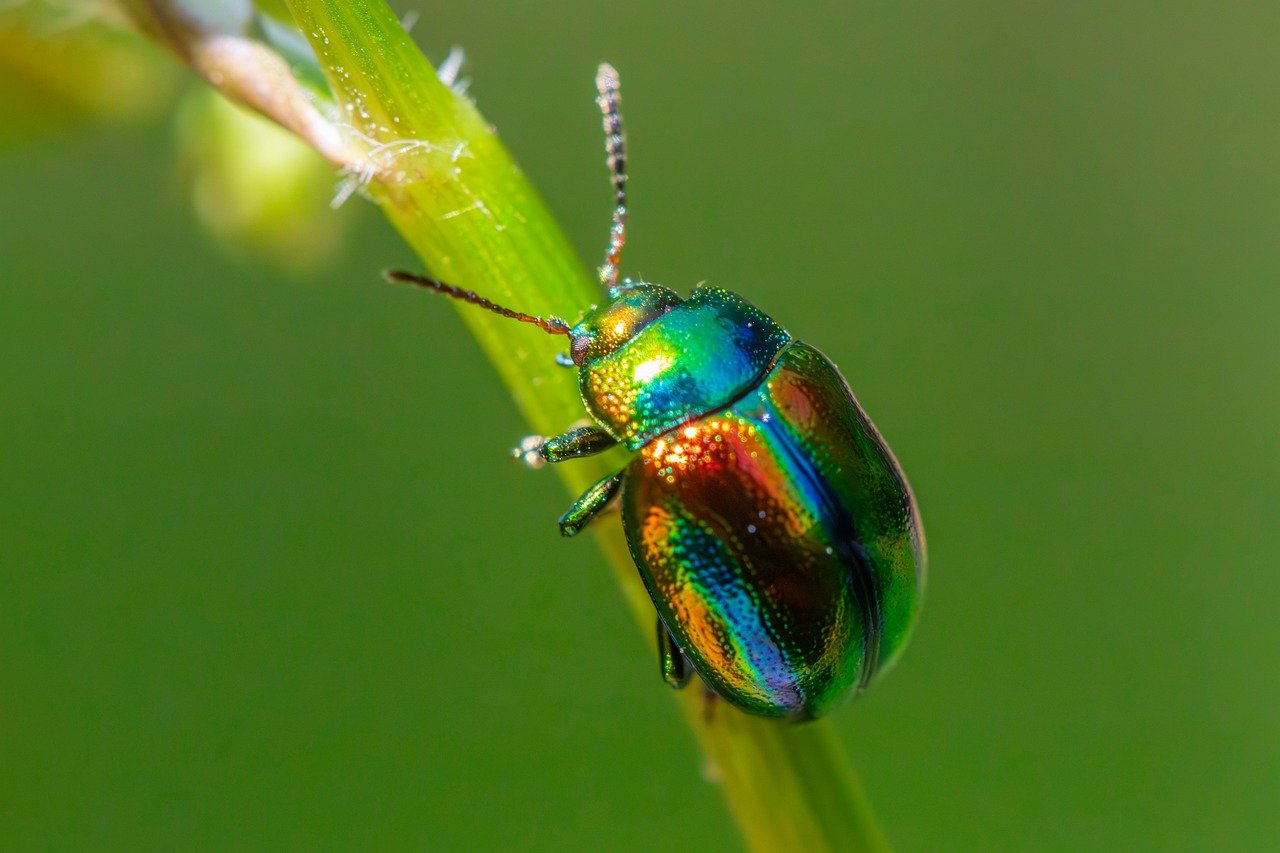
Common Tropical Garden Pests
In my experience, several pests tend to show up repeatedly in tropical gardens. Some of the most common ones include:
- Leafhoppers: These tiny, jumping insects can cause significant damage to plant leaves by feeding on their sap.
- Caterpillars: Many caterpillar species love tropical plants, and they can quickly strip leaves bare.
- Whiteflies: Often found on the underside of leaves, whiteflies can weaken plants by sucking out their nutrients.
- Aphids: These small, soft-bodied insects can multiply quickly, leading to stunted growth and distorted leaves.
- Termites: While often associated with wood structures, termites can also damage the roots of certain garden plants.
Each of these pests has its own unique characteristics and behaviors, which I’ve learned to recognize over time. This knowledge has been crucial in preventing infestations before they escalate.
Life Cycles of Tropical Pests
Understanding the life cycles of these pests can provide valuable insight into when they are most likely to appear. For instance, many tropical pests have reproductive cycles that align with the wet season. I’ve observed that after heavy rains, certain pests seem to emerge in droves. By knowing their life cycle stages—egg, larva, pupa, and adult—we can strategize our pest management accordingly.
Take caterpillars, for example. They begin as eggs on leaves, and knowing when to look for those eggs can help us catch infestations early. I’ve started checking the undersides of leaves regularly as part of my routine, which has saved many of my plants from being completely devoured.
Impact of Climate on Pest Populations
The tropical climate creates a perfect storm for pest proliferation. The year-round warmth allows pests to thrive, while high humidity levels contribute to their rapid reproduction. I’ve often noticed that periods of heavy rainfall can lead to a spike in pest populations, as the moisture creates an ideal environment for eggs to hatch and larvae to develop.
Additionally, temperature fluctuations can affect pest behavior. For instance, I’ve seen certain pests become more active during warm spells in the winter or early spring. Keeping track of local weather patterns has helped me anticipate when to tighten my pest control measures. It’s fascinating how interconnected our gardens are with the environment around them.
With all this in mind, proactive pest management in tropical gardens requires a solid understanding of the pests we face, their life cycles, and the climatic factors that influence their populations. I’ve found that by staying informed and vigilant, I can keep my garden healthy and thriving, despite the challenges posed by these seasonal pests.
As we move through the seasons, each presents its own set of challenges and opportunities for pest management. Understanding these dynamics has not only helped my garden flourish but has also deepened my appreciation for the delicate balance of nature. In the next section, we will explore specific seasonal pest management strategies that I have found effective over the years.
Seasonal Pest Management Strategies
Spring: Preparation and Prevention
Spring is such an exciting time in the garden! As the weather warms up, it’s not just our plants that start to wake up; pests do too. I’ve learned that preparation is key during this season. It’s the best time to get ahead of any potential infestations. I like to begin by thoroughly inspecting my garden beds and containers. I look for any signs of pests that might have overwintered or started to appear with the warmer temperatures.
One of my go-to strategies in spring is to clean up any debris left from the winter. Fallen leaves and dead plants can serve as breeding grounds for pests. I make sure to rake up these materials and compost them if they’re disease-free. Additionally, I pay close attention to the new growth on my plants, as this is often where pests will first make their presence known. Regularly checking my plants for any unusual discoloration or holes gives me a head start on identifying any newcomers.
Another effective prevention method I’ve adopted is using physical barriers. Setting up row covers or using netting around vulnerable plants can deter pests from getting in. This not only protects the young seedlings but also creates a safer environment for them to flourish. I remember the first time I used row covers; I felt a sense of relief knowing my plants were shielded from potential threats.
Summer: Active Pest Control
Summer is when the real battle against pests often begins. The heat and humidity create the perfect conditions for pests to thrive, and I’ve found that I need to be especially vigilant during this season. My first line of defense is regular monitoring. I usually spend some time each week walking through my garden, checking for any signs of pest activity. I’ve learned that noticing a problem early can save me a lot of heartache later.
When I do find pests, my approach is to use targeted treatments. I prefer to start with natural solutions whenever possible. For instance, I’ve had great success with neem oil, which can be effective against a variety of pests without harming beneficial insects. I simply mix it with water and a few drops of dish soap, and spray it on affected plants in the early morning or late afternoon to avoid harming them in the heat of the day.
Additionally, I’ve discovered that introducing beneficial insects, like ladybugs or lacewings, can provide natural pest control. These little helpers feed on aphids and other soft-bodied insects. I remember the joy of releasing ladybugs into my garden; it felt like I was welcoming a helpful army. Watching them go to work was satisfying, and I could see the benefits almost immediately.
Fall: Monitoring and Maintenance
As summer fades into fall, I like to switch gears in my pest management strategy. This time is all about monitoring and maintenance. With many pests starting to slow down, it’s crucial to keep an eye on any late-season invaders. I often find that some pests, like caterpillars, can still be active, so I continue to inspect my plants for any signs of damage.
Fall is also a great time to reassess my garden’s health. I take note of which plants seemed to struggle with pests and consider rotating them to a different location next season. This helps disrupt the life cycle of persistent pests. I’ve learned that keeping a garden journal has been incredibly useful for tracking which plants thrived and which didn’t. It’s given me insights I can apply to future seasons.
Another practice I’ve adopted is to prepare my garden for the cooler months by cleaning up again. I remove any remaining debris and dead plant material, which can harbor pests. I find that a tidy garden not only looks better but also helps reduce pest populations as the seasons change.
Winter: Planning for the Next Season
Winter may seem like a quiet time for gardening, but for me, it’s a period of reflection and planning. I take this time to research the best pest management practices for the coming year. I’ve often found that reviewing my experiences from the previous seasons helps me identify what worked and what didn’t. It’s also a chance to explore new plants that might be more resistant to common pests.
During the winter months, I also focus on improving my garden’s soil health. Healthy soil can promote strong plants that are better equipped to fend off pests. I often experiment with composting and adding organic matter to enrich the soil. It’s amazing how much I’ve learned about the symbiotic relationships in the garden—strong plants lead to fewer pest issues.
Finally, I like to connect with local gardening communities during the winter. Sharing experiences and strategies with fellow gardeners can be a gold mine of information. Whether it’s attending workshops or joining online forums, I find these interactions invaluable for gathering insights that can shape my pest management strategies for the next season.
Natural Pest Control Methods
Beneficial Insects for Pest Management
When it comes to pest management, I’ve found that one of the most effective strategies is harnessing the power of nature itself—specifically, beneficial insects. These little allies work tirelessly to keep our gardens balanced and healthy. I remember the first time I learned about ladybugs; they are voracious eaters of aphids. After releasing a few into my garden, I was amazed at how quickly they got to work! It felt like I had invited a tiny army of helpers.
Another beneficial insect I’ve come to appreciate is the lacewing. Their larvae are known as “aphid lions” for a reason—they devour aphids and other soft-bodied pests. I often try to attract these insect friends by planting flowers like yarrow and dill, which provide nectar and pollen. Creating a welcoming environment for these beneficial insects not only reduces pest populations but also adds beauty to my garden.
Additionally, I’ve found that parasitic wasps can be valuable. They lay their eggs inside pest larvae, and once hatched, the wasp larvae consume the pest from the inside out. While it might sound a bit gruesome, it’s a natural way to keep pest numbers in check. I’ve learned that a diverse garden encourages these beneficial insects to thrive, so I try to include a variety of plants to support their populations.
Organic Pesticides and Their Applications
While I prefer to use beneficial insects, there are times when I need to step in with some extra support. That’s when I turn to organic pesticides. I appreciate these options because they tend to be less harmful to the environment and beneficial insects. For instance, I often use insecticidal soap, which works by suffocating soft-bodied pests. It’s straightforward to apply; I simply mix it with water and spray it directly on the affected areas.
Another organic solution I’ve tried is diatomaceous earth. This fine powder is made from the fossilized remains of tiny marine organisms. When pests come into contact with it, it damages their exoskeletons, leading to dehydration. I remember the first time I sprinkled it around my plants; I felt a sense of relief knowing I was using a natural method to control pests without harming the beneficial ones.
One thing to keep in mind is timing when applying these organic pesticides. I’ve learned that early morning or late afternoon is the best time, as this helps avoid harming beneficial insects during their most active times. Plus, it’s a good idea to test any new solution on a small plant first to ensure it won’t cause damage.
Companion Planting Techniques
Companion planting has become one of my favorite methods for pest management. The idea is simple: some plants work well together, helping to repel pests or even enhancing each other’s growth. For example, I often plant marigolds among my vegetables. The scent of marigolds can deter nematodes and some beetles, providing a natural barrier around my crops.
Another successful pairing I’ve discovered is basil and tomatoes. Not only do they complement each other in the kitchen, but basil can also repel whiteflies and aphids. I love how these plants thrive together, and I’ve noticed that planting them side by side gives both a boost in health and flavor. It’s a win-win!
In my garden, I also like to use herbs like mint and rosemary strategically. They can ward off certain pests while adding aroma and flavor to my meals. However, I’ve learned to keep mint in check, as it can spread rapidly and take over a garden bed. Finding the right balance in companion planting has been a fun journey, and I’m always experimenting with new plant combinations.
Ultimately, I believe that embracing natural pest control methods not only helps manage pests effectively but also enriches my gardening experience. Each season brings new challenges, but by working with nature and understanding the relationships between plants and pests, we can create a thriving garden ecosystem. In the next section, we will explore chemical pest control options when the need arises.
Chemical Pest Control Options
Types of Chemical Pesticides
While I always lean toward natural solutions first, there are times when chemical pesticides become necessary, especially when dealing with severe infestations. I’ve learned that understanding the different types of chemical pesticides can help in making informed decisions for my garden. Broadly, chemical pesticides can be categorized into three main types: insecticides, herbicides, and fungicides.
Insecticides are designed to target specific pests. They can be either contact or systemic. Contact insecticides kill pests on contact, while systemic ones are absorbed by plants and kill pests that feed on them. I remember using a targeted insecticide when aphids invaded my rose bushes, and it helped restore my plants quickly.
Herbicides focus on controlling unwanted plants or weeds. I find that using selective herbicides, which target specific weeds while leaving my garden plants unharmed, is the best approach. Finally, fungicides are crucial for preventing and treating fungal infections, which can be common in humid environments like tropical gardens. I always keep an eye out for signs of fungal growth, as early intervention can save my plants from significant damage. Read Interesting article: Effective Chemical Treatments for Tropical Plant Pests
Application Techniques for Effectiveness
When it comes to applying chemical pesticides, I’ve discovered that technique matters just as much as the product itself. I always read the instructions carefully to ensure I’m using the pesticide correctly. Timing is important too; applying chemicals during early morning or late afternoon helps minimize harm to beneficial insects and reduces the likelihood of evaporation in the heat.
I usually opt for a sprayer for even application, making sure to cover the affected areas thoroughly. It’s also essential to rotate different chemical products to prevent pests from developing resistance. I learned this the hard way when a specific pest species became resistant to a pesticide I relied on for too long.
Also, I make it a habit to wear protective gear, including gloves and a mask, whenever I’m handling chemical pesticides. This way, I can protect myself while ensuring my garden remains a safe and healthy environment.
Safety Precautions When Using Chemicals
Safety is a top priority for me when using chemical pesticides. I always follow the manufacturer’s guidelines meticulously and store chemicals away from children and pets. I think it’s important to consider the environmental impact too; I’ve learned that some pesticides can harm beneficial insects and disrupt the ecosystem in my garden.
To mitigate risks, I avoid spraying on windy days to prevent drift onto other plants and areas. I also keep a lookout for potential contamination of soil and water sources nearby. After applying any chemicals, I wait a few days before harvesting any produce, just to be safe. These precautions have helped me maintain a balance between managing pests and protecting my garden’s overall health.
Identifying Pest Infestations
Signs of Pest Activity in Tropical Gardens
Identifying pest infestations early can make a world of difference. I’ve found that being observant is key. Regularly inspecting my plants allows me to catch any signs of trouble before they escalate. Some common indicators of pest activity include unusual leaf discoloration, holes in leaves, and sticky residues on plants, which could indicate aphids or whiteflies.
I also look for webbing on plants, which could signal spider mites, and droppings or frass (insect excrement) that may appear near the affected areas. When I see these signs, I start my pest control measures right away to prevent further damage.
Common Pest Damage Symptoms
Understanding the symptoms of damage caused by different pests has been invaluable. For example, if I notice yellowing leaves and stunted growth, I often suspect aphids or whiteflies. Caterpillar damage, on the other hand, usually presents as large, irregular holes in the leaves. I remember after a caterpillar infestation, I was shocked to see how quickly my plants could go from lush to bare.
Sometimes, I even find myself taking photos of damaged plants to compare them later or to show fellow gardeners when seeking advice. It’s a great way to document my experiences and learn more about pest management.
When to Seek Professional Help
Despite my best efforts, there have been times when I realized a pest problem was beyond my control. In those cases, I didn’t hesitate to reach out to professional pest management services. I believe there’s no shame in asking for help, especially when it comes to protecting my garden investment.
When I choose to seek professional help, I look for local experts who understand tropical pests and can provide tailored solutions. I’ve learned that sometimes, a professional perspective can offer insights and strategies that I might not have considered, ultimately leading to a healthier garden.
Preventative Measures for Long-term Pest Management
Soil Health and Pest Resistance
Healthy soil is the foundation of a thriving garden, and I’ve noticed that it plays a significant role in pest resistance. I focus on enriching my soil with organic matter, like compost, which boosts plant health. Strong plants can better withstand pest attacks, making soil health a priority in my gardening routine.
Garden Maintenance Best Practices
Regular maintenance is essential for keeping pests at bay. I find that promptly removing dead plant material, keeping my garden tidy, and rotating crops each season can significantly reduce pest populations. These practices have been instrumental in my gardening journey, helping me create an environment where my plants can flourish.
Seasonal Crop Rotation Strategies
Crop rotation has become one of my favorite strategies for pest management. By changing the location of my plants each season, I disrupt the life cycles of pests that may have settled in one spot. It’s not just about pest control; I’ve also noticed that rotating crops can enhance soil fertility and allow different plants to thrive in varying conditions. It’s a fun and rewarding way to keep my garden dynamic and healthy! Read Interesting article: Top Preventative Measures to Keep Tropical Plants Pest-Free
Final Thoughts
Gardening in a tropical climate presents its unique challenges, but with a blend of knowledge, preparation, and the right strategies, I’ve found that it can also be incredibly rewarding. From understanding the life cycles of pests to embracing natural and chemical control methods, every step of the journey teaches me something new. I believe that by fostering a balanced ecosystem in our gardens, we can not only manage pests effectively but also create thriving spaces that bring us joy and beauty.
As we continue to learn and adapt, let’s remember to share our experiences with fellow gardeners. Together, we can build a supportive community that thrives on knowledge and creativity. Here’s to many more seasons of gardening and the joy it brings!
Frequently Asked Questions
What are some common pests found in tropical gardens?
Some common pests in tropical gardens include leafhoppers, caterpillars, whiteflies, aphids, and termites. Each of these pests can cause significant damage to plants in various ways.
How do the life cycles of pests affect their presence in tropical gardens?
Many tropical pests have reproductive cycles that align with the wet season. After heavy rains, certain pests emerge in greater numbers. Understanding their life cycle stages—egg, larva, pupa, and adult—can help in strategizing pest management.
What pest management strategies are recommended for spring?
In spring, it’s advised to prepare and prevent infestations by inspecting garden beds for overwintered pests, cleaning up debris, and using physical barriers like row covers to protect young plants.
What pest control methods are effective during summer?
During summer, active pest control includes regular monitoring for signs of pests, using natural solutions like neem oil, and introducing beneficial insects such as ladybugs or lacewings to help control pest populations.
What should gardeners focus on in the fall for pest management?
In fall, gardeners should monitor for late-season invaders, reassess plant health, and clean up any remaining debris to reduce pest populations as the seasons change.
How can winter be utilized for planning pest management?
Winter is a time for reflection and planning. Gardeners can review past experiences, research pest management practices, improve soil health, and connect with local gardening communities for insights.
What are some natural pest control methods?
Natural pest control methods include using beneficial insects like ladybugs and lacewings, applying organic pesticides such as insecticidal soap and diatomaceous earth, and employing companion planting techniques to deter pests.
What types of chemical pesticides are there?
Chemical pesticides can be categorized into three main types: insecticides (targeting specific pests), herbicides (controlling unwanted plants), and fungicides (preventing and treating fungal infections).
What safety precautions should be taken when using chemical pesticides?
Safety precautions include following manufacturer guidelines, wearing protective gear, avoiding application on windy days, and waiting before harvesting produce after application to ensure safety for consumption.
How does soil health contribute to pest resistance?
Healthy soil promotes strong plants that can better withstand pest attacks. Enriching soil with organic matter like compost is crucial for improving overall plant health and pest resistance.