
Transforming tropical soil into a thriving garden begins with understanding composting. With the right approach, you can enrich your soil and foster a healthy ecosystem right in your backyard.
Table of Contents
Understanding Tropical Soil Characteristics
Living in a tropical region, I’ve come to appreciate the unique qualities of our soil. It’s not just dirt; it’s a living, breathing part of our environment. Tropical soils often boast vibrant colors and textures, but they also come with their own set of challenges. Understanding these characteristics is the first step toward effective composting and improving our gardens. Read Interesting article: Fixing Nutrient Deficiencies for Thriving Tropical Plants
Soil Composition and Structure
Tropical soils are typically rich in organic materials, which makes them seem like a gardener’s paradise. However, this organic richness can also lead to issues if not properly managed. In my experience, these soils are often composed of sand, silt, and clay, and the balance of these elements can vary greatly. For instance, I’ve noticed that sandy soils drain quickly, often washing away nutrients, while clay soils can retain too much water, causing root rot. It’s crucial to evaluate your specific soil type and its composition. Adding compost can help improve this balance.
Climate and Weather Effects on Soil
The tropical climate plays a significant role in soil characteristics. With high temperatures and moisture levels, decomposition happens rapidly. I remember setting up my compost bin during the rainy season and realizing how fast the organic materials broke down. However, heavy rainfall can also lead to leaching, where vital nutrients are washed away. I learned to monitor rainfall patterns and adjust my composting methods accordingly. Using covered bins during storms has saved many of my nutrients!
Common Nutrient Deficiencies in Tropical Soil
Despite the richness of tropical soils, they often suffer from specific nutrient deficiencies, particularly nitrogen, phosphorus, and potassium. I discovered this firsthand when my once-thriving plants started to struggle. By conducting a simple soil test, I was able to identify these deficiencies. This is where composting comes into play. By incorporating compost into my soil, I’ve seen a remarkable improvement in plant health and growth.
The Benefits of Composting in Tropical Regions
Now that we understand the unique characteristics of tropical soil, let’s dive into the benefits of composting. It’s not just about reducing waste; composting can be a game-changer for gardeners in tropical climates.
Improving Soil Fertility
One of the most significant benefits I’ve noticed from composting is the boost in soil fertility. Compost adds essential nutrients back into the soil, which can be especially beneficial in nutrient-deficient tropical areas. I’ve seen my plants flourish after I started mixing compost into the soil. It’s like giving them a nourishing meal! Read Interesting article: Organic Fertilizers 101: Boost Your Tropical Garden Growth
Enhancing Soil Structure and Drainage
Another advantage of composting is the improvement in soil structure and drainage. Tropical regions can experience heavy rains, leading to potential waterlogging. I once had a garden bed that was perpetually soggy until I added compost. The organic matter helped create air pockets in the soil, allowing for better drainage and root health.
Reducing Waste and Environmental Impact
Composting also helps reduce waste. In my home, I’ve noticed how much kitchen waste we generate and how much of it can be composted. Instead of tossing out vegetable scraps and coffee grounds, we turn them into valuable compost. This not only decreases landfill waste but also enriches our soil. It feels good to know that we’re doing our part for the environment.
As I continue my journey in gardening, I’m excited about the potential of composting in tropical regions. Understanding the unique soil characteristics and embracing the benefits of composting has transformed my approach to gardening. The rewards are not just in the lush plants we grow but in the healthier, more sustainable environment we create. Let’s explore more about composting methods suitable for our tropical conditions next.
Types of Composting Methods Suitable for Tropical Soil
When I first started composting, I was overwhelmed by the different methods available. Each one has its own benefits, especially in tropical regions where heat and moisture can impact the process. Over time, I’ve tried various techniques, and I’d like to share what I’ve learned about the most effective composting methods for our unique environment.
Hot Composting
Hot composting is a method that emphasizes creating high temperatures to quickly break down organic matter. I remember my first attempt at hot composting; I was amazed at how fast my scraps turned into rich compost. The key to this method lies in balancing green and brown materials, ensuring the pile is large enough to retain heat, and turning it regularly to aerate. I usually aim for a pile that’s at least three feet wide and three feet tall. In my experience, this technique can take as little as a few weeks to a couple of months to produce compost, which is perfect for gardeners like me who want quick results.
Cold Composting
In contrast, cold composting is a slower, more passive approach. I often find myself gravitating to this method when I want to add materials gradually without the pressure of maintaining high temperatures. Basically, I just throw my kitchen scraps and yard waste into a heap and let nature take its course. It may take several months to a year for the materials to break down, but I’ve found that it’s a low-maintenance way to compost. The best part? I don’t have to worry about turning the pile frequently, which suits my busy lifestyle.
Vermicomposting
Vermicomposting, or worm composting, has been one of my favorite discoveries. I started a worm bin in my kitchen and was pleasantly surprised at how efficient these little creatures can be. Red wigglers, the specific type of worm I use, can munch through food scraps and cardboard, producing nutrient-rich worm castings that are fantastic for plants. The beauty of vermicomposting is that it doesn’t take up much space, and it’s perfect for those of us living in urban areas. I find the process fascinating, and it’s a fun project to share with my kids!
Bokashi Composting
Bokashi composting is another innovative method that I recently explored. This technique utilizes a fermentation process, which works well in our tropical climate. I was intrigued when I learned that it allows for the composting of meat and dairy—things typically avoided in traditional composting. The process involves layering food scraps with Bokashi bran, which contains beneficial microorganisms. After a couple of weeks, I bury the fermented mixture in my garden, and it breaks down quickly into nutrient-rich soil. It’s a fantastic way to recycle kitchen waste while enriching my garden.
Essential Ingredients for Effective Compost
As I delved deeper into composting, I realized that not all compost is created equal. The ingredients I choose to include in my compost pile can significantly affect the outcome. Understanding what goes into composting has been a game-changer for me.
Green Materials: Nitrogen Sources
Green materials are rich in nitrogen and are essential for creating a healthy compost pile. Examples include kitchen scraps like vegetable peels, coffee grounds, and grass clippings. I’ve learned that balancing these with brown materials ensures that the compost heats up properly. I love collecting my green materials in a separate bin in the kitchen, making it easy to add them to my compost pile whenever I have enough.
Brown Materials: Carbon Sources
On the flip side, brown materials provide carbon, which is vital for a balanced compost. Things like dried leaves, straw, and cardboard have become staples in my composting routine. I often save brown materials in bags during the dry season, so I have plenty on hand when I need to layer my compost. The combination of green and brown is crucial; aiming for about a 1:2 ratio has worked well for me.
Moisture Factors and Aeration
Maintaining the right moisture level is key to successful composting. I’ve experienced firsthand what happens when a pile gets too dry or too wet. In our tropical climate, I often find that my compost can become too soggy during the rainy season, leading to unpleasant odors. I’ve learned to adjust my watering techniques and ensure that my compost pile has good drainage and airflow. Turning the pile regularly helps aerate it, providing the oxygen microorganisms need to do their job.
Microorganisms and Their Role in Composting
Finally, I can’t stress enough the importance of microorganisms in the composting process. These tiny decomposers break down organic matter, transforming it into the rich compost we all desire. I often think of my compost pile as a little ecosystem—full of life and activity. Adding a handful of finished compost or healthy soil to my new pile can jump-start this process, giving those microorganisms a boost. It’s a beautiful reminder of how interconnected our gardening efforts are.
Steps to Start Composting in Tropical Conditions
Starting a compost pile in tropical conditions can feel like a daunting task, but I’ve found that breaking it down into manageable steps makes the process much easier. With my own experiences, I’ve discovered a rhythm that works for the unique challenges our climate presents. Here are the steps I recommend for setting up your composting system.
Choosing the Right Location
Location is crucial when it comes to composting. I learned this the hard way when I placed my first compost bin in a shaded area thinking it would stay moist. Instead, it became a soggy mess. I’ve since discovered that a well-drained, sunny spot is ideal for composting in tropical climates. Sunlight helps to heat the pile, speeding up decomposition. I also try to place my compost bin near my garden, making it easier to transfer finished compost to my plants. If you have space, consider a spot that’s easily accessible, as you’ll want to add materials regularly and turn the pile.
Building Your Compost Pile
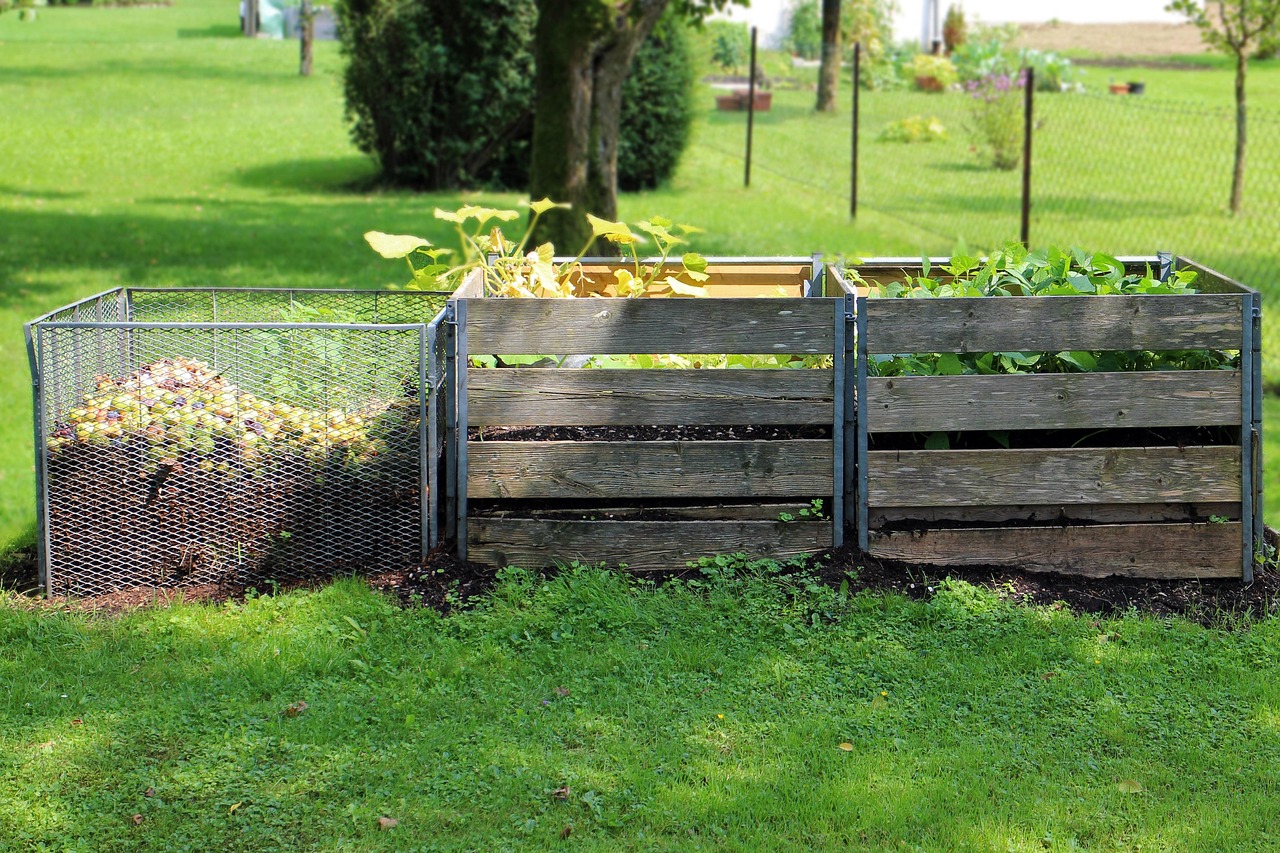
When I started building my compost pile, I focused on layering my materials effectively. I’ve found that starting with a base of coarse brown materials like small branches or straw helps with aeration. Then, I alternate layers of green and brown materials, aiming for that 1:2 ratio I mentioned earlier. I also like to add in some finished compost or soil to introduce those beneficial microorganisms right from the start. This layering technique not only keeps the pile working efficiently but also helps in maintaining moisture levels—something I’ve had to be mindful of in our humid environment.
Maintaining Temperature and Moisture Levels
Temperature and moisture are key factors in successful composting. I’ve been surprised at how quickly my compost pile can heat up when I keep a good balance of green and brown materials. I use a compost thermometer to check the internal temperature. Ideally, I aim for around 130°F to 160°F. If it drops, that’s my cue to turn the pile and mix it up a bit.
Moisture is equally important. I’ve learned to keep an eye on my compost during the rainy season. If it gets too wet, I add more dry brown materials to soak up excess moisture. Conversely, during dry spells, I lightly water the pile to keep it damp but not soggy. It’s a fine balance, but with a little practice, it becomes second nature.
Turning Your Compost
Turning the compost is one of my favorite parts of the process. I remember the first time I turned my pile and was amazed at the transformation happening inside. I usually turn my compost every few weeks, especially if I notice the temperature dropping. Turning it helps introduce oxygen, which is essential for the microorganisms breaking down the materials. I use a pitchfork or a compost aerator tool, and it feels satisfying to see the layers mixing and breaking down. Plus, it’s a great workout!
In tropical conditions, I’ve found that turning the pile more frequently can lead to faster results. If I skip turning for too long, I risk creating a compacted pile, which can lead to odors and slower decomposition. Keeping it fluffy and aerated has made a significant difference in how quickly I can produce compost.
Common Challenges in Tropical Composting
Even with the best intentions, composting in tropical climates can present its own set of challenges. I’ve faced my fair share, but overcoming them has only made me a better gardener.
Dealing with High Humidity
High humidity can be a double-edged sword. While it helps with decomposition, it can also lead to issues like mold or overly soggy compost. I’ve learned to keep an eye out for signs of too much moisture. When that happens, I simply add more brown materials to soak up excess moisture. It’s a simple fix, but being proactive has kept my compost healthy.
Managing Pests and Odors
Another common challenge is managing pests. I’ve noticed that in tropical regions, fruit flies and other critters love to investigate a compost pile. To deter them, I make sure to bury kitchen scraps deeper in the pile rather than leaving them exposed. I’ve also found that covering my compost with a tarp or a layer of brown materials can help minimize odors and keep unwanted visitors at bay. It’s all about finding that balance between what goes in and how it’s managed.
Understanding the Impact of Heavy Rainfall
Heavy rainfall can be a real concern. I remember a few storms where my compost pile was nearly washed away. To combat this, I’ve learned to build my compost in a more contained system, sometimes using bins with drainage holes to prevent water from pooling. If a storm is on the horizon, I also make sure to cover my compost to protect it from being overly saturated. It’s all part of adapting to the tropical environment, and with every season, I’ve become more adept at handling these challenges.
As I navigate these challenges, I feel more confident in my composting journey. Each hurdle has taught me valuable lessons, and I’ve come to appreciate the process as much as the end product. Now, let’s explore how to effectively use the compost we’ve worked so hard to create in our tropical gardens.
Using Compost Effectively in Tropical Gardening
When to Apply Compost
Timing plays a crucial role in how effectively compost can boost our garden’s health. I’ve learned that the best times to apply compost are during the growing season and before planting. For me, this usually means adding compost in early spring when I’m preparing my garden beds. I also like to apply a layer of compost around my plants as they grow. This not only provides a nutrient boost but also helps retain moisture in the soil, which is essential here in the tropics.
How to Integrate Compost into Your Soil
Integrating compost into the soil is a simple yet rewarding task. When I’m planting new seedlings or starting a garden bed, I usually mix a generous amount of compost into the top few inches of soil. This blend enriches the soil, making it a hospitable environment for roots to establish. I find that amending with compost not only enhances soil fertility but also improves its structure, making it easier for plants to access nutrients and water. It’s like giving my plants a cozy home to thrive in.
Best Plants to Grow in Enriched Tropical Soil
With enriched soil, I’ve noticed my garden has become a sanctuary for a wide variety of plants. Tropical fruits like mangoes and papayas flourish in the nutrient-rich compost I provide. I also have great success with leafy greens, herbs, and vibrant flowers. I remember planting my first batch of tomatoes after a good compost application, and the yield was astonishing. The vibrant colors and healthy growth of my plants made all the effort worthwhile. So, whether you’re looking to grow vegetables or ornamental plants, enriched tropical soil can lead to a bountiful garden.
Advanced Composting Techniques for Tropical Environments
Compost Tea: Benefits and Applications
One of the most exciting discoveries in my gardening journey has been compost tea. This nutrient-rich liquid is made by steeping compost in water, creating a powerful fertilizer. I often brew compost tea to give my plants an extra boost, especially during the growing season. The process is simple: I fill a bucket with water, add a handful of compost, and let it steep for a day or two. Then, I dilute it with more water and apply it directly to my plants. The results are impressive, as my plants seem to respond with vibrant growth and a healthy sheen.
Using Biochar in Compost
Another technique I’ve recently explored is incorporating biochar into my compost. Biochar, which is made from charred organic material, can improve soil health and retain moisture. I remember the first time I mixed biochar with my compost; it felt like adding a secret ingredient to my gardening recipe. Not only does it enhance nutrient retention, but it also provides a habitat for beneficial microorganisms. I’ve found that using biochar helps create a more stable compost, which is particularly beneficial in our tropical climate.
Creating a Composting Community or Co-op
Gardening can sometimes feel like a solo endeavor, but I’ve discovered the joys of community composting. Forming or joining a composting community can provide support, exchange ideas, and share resources. I started a small group with my neighbors, and we share our excess composting materials and even help each other with techniques. It’s a wonderful way to foster connections while promoting sustainable gardening practices together. Plus, it’s been a source of inspiration and motivation for all of us as we learn and grow together.
Measuring Success: Evaluating Your Compost
Signs of Well-Rotted Compost
As I’ve honed my composting skills, I’ve become more adept at recognizing when my compost is ready. Well-rotted compost should have a dark, crumbly texture and a rich, earthy smell. If it still resembles kitchen scraps or has a strong odor, I know it needs more time. I’ve learned to trust my senses and my experience when evaluating my compost. It’s satisfying to see the transformation from waste to a valuable resource.
Soil Testing for Nutrient Levels
To truly know how well my compost is performing, I’ve found that soil testing is invaluable. I periodically test my garden soil to measure nutrient levels, which helps me understand how effective my composting efforts have been. There are simple DIY kits available, or I can send samples to a local lab for a more detailed analysis. This feedback has helped me adjust my composting methods and ensure that my plants receive the nutrients they need.
Adjusting Your Composting Process Based on Results
Finally, evaluating the results of my composting efforts allows me to fine-tune my process. If I notice that my plants are still struggling despite regular compost applications, I consider adjusting my ingredients or methods. Perhaps I need to incorporate more green materials or adjust the moisture levels. This ongoing learning process has not only improved my compost but also deepened my connection to the earth and my gardening practice.
Final Thoughts
Composting in tropical regions has been a rewarding journey for me. Through understanding our unique soil characteristics, embracing various composting methods, and learning to overcome challenges, I’ve transformed my approach to gardening. The joy of seeing lush plants thrive in enriched soil is a testament to the hard work and dedication I’ve put into composting. I encourage anyone living in tropical climates to dive into this sustainable practice. The benefits are profound, not just for our gardens but also for our environment. Together, let’s nurture our soil and create beautiful, thriving ecosystems right in our backyards.
Frequently Asked Questions
What are the unique characteristics of tropical soil?
Tropical soils are often rich in organic materials, which can make them seem like a gardener’s paradise. However, they also come with challenges, such as varying compositions of sand, silt, and clay, which can affect drainage and nutrient retention.
How does climate affect soil in tropical regions?
The tropical climate, with its high temperatures and moisture levels, accelerates decomposition. However, heavy rainfall can lead to nutrient leaching, so it’s important to monitor rainfall patterns and adjust composting methods accordingly.
What common nutrient deficiencies are found in tropical soil?
Tropical soils often suffer from deficiencies in nitrogen, phosphorus, and potassium. Conducting a soil test can help identify these deficiencies, and composting can significantly improve plant health and growth by replenishing these nutrients.
What are some benefits of composting in tropical regions?
Composting improves soil fertility, enhances soil structure and drainage, and reduces waste. It adds essential nutrients back into the soil, helping plants thrive while minimizing landfill waste.
What are the different composting methods suitable for tropical soil?
Suitable composting methods for tropical soil include hot composting, cold composting, vermicomposting (using worms), and Bokashi composting (a fermentation process). Each method has its benefits, depending on the gardener’s needs and available time.
What essential ingredients are needed for effective composting?
Effective compost requires a balance of green materials (rich in nitrogen, such as kitchen scraps) and brown materials (providing carbon, like dried leaves and cardboard). Maintaining proper moisture levels and aeration is also crucial.
What challenges might one face when composting in tropical climates?
Challenges include dealing with high humidity, managing pests and odors, and understanding the impact of heavy rainfall. Each of these can be addressed with proper techniques, such as burying kitchen scraps and using covered bins.
When is the best time to apply compost in tropical gardening?
The best times to apply compost are during the growing season and before planting. Adding compost in early spring or around existing plants can enhance nutrient availability and moisture retention.
How can compost be integrated into the soil effectively?
Compost can be integrated into the soil by mixing it into the top few inches when planting new seedlings or preparing garden beds. This enriches the soil, providing a hospitable environment for plants to grow.
What signs indicate that compost is well-rotted and ready for use?
Well-rotted compost should have a dark, crumbly texture and a rich, earthy smell. If it still resembles kitchen scraps or has a strong odor, it likely needs more time to decompose.