
Composting can transform your tropical garden into a lush paradise. Discover how to unlock the secrets of composting, ensuring your garden thrives in any climate. For more information, check out Transform Your Tropical Soil: Effective Composting Tips.
Table of Contents
Understanding Composting in Tropical Climates
Composting in tropical climates is a unique experience that can significantly enhance our gardening success. When I first started my gardening journey, I quickly learned that the key to vibrant plants lies in healthy soil, and composting is one of the best ways to achieve this. But before diving into the process, it’s essential to understand what makes composting in tropical regions different from other areas.
The Importance of Composting for Tropical Gardens
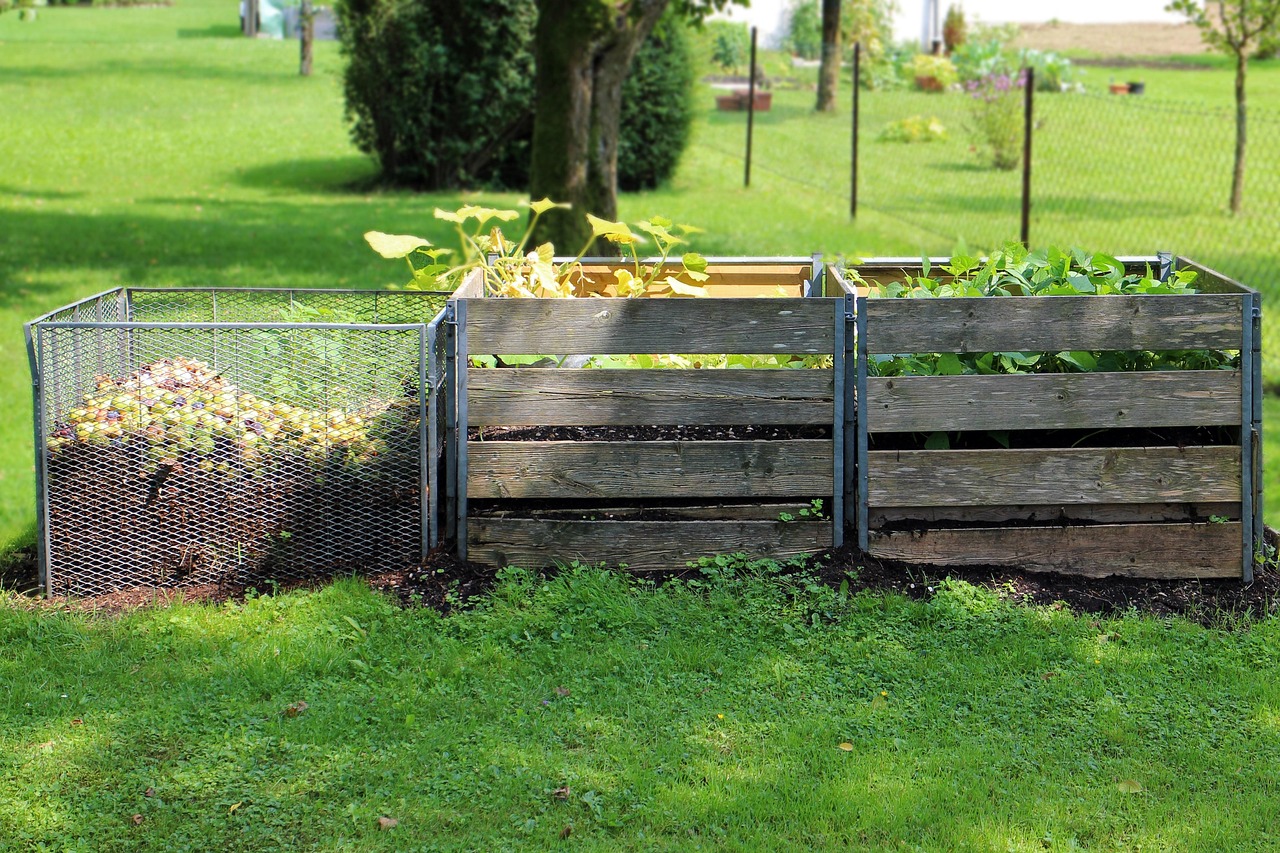
In tropical regions, the combination of warm temperatures and high humidity can lead to rapid decomposition of organic materials. This means that composting can happen faster here than in cooler climates. I’ve found that composting not only provides nutrients to my garden but also helps retain moisture in the soil, which is vital during dry spells. Compost enriches the soil with beneficial microorganisms, improving its structure, and promoting healthy root growth. For us gardeners, the importance of composting cannot be overstated; it’s like giving our plants a nourishing meal. To learn more about effective methods, check out Essential Composting Techniques for Thriving Tropical Plants.
Unique Challenges of Tropical Composting
While the tropical climate can speed up the composting process, it also presents some challenges. One of the first hurdles I encountered was dealing with the increased moisture and heat. These conditions can lead to issues like odor and pest attraction if not managed properly. I remember my first compost pile becoming a bit of a smelly mess due to the humidity, and I had to learn quickly how to balance the ingredients to prevent that.
Another challenge is the diverse range of organic materials available in tropical regions. While I loved the variety, I also had to be careful about what I added. Some materials break down quickly while others take longer, and understanding this balance was crucial for me. I’ve realized that learning from our unique environment can turn these challenges into advantages.
Essential Components of Compost
To create effective compost, I learned that it’s essential to balance the right components. Compost consists mainly of green materials, which provide nitrogen, and brown materials, which offer carbon. Getting this mix right is crucial for success, especially in tropical gardens where the materials can decompose quickly.
Green Materials: Nitrogen Sources
Green materials are rich in nitrogen and are typically moist and soft. These include kitchen scraps like vegetable peels, fruit cores, and coffee grounds, as well as garden waste like fresh grass clippings and green leaves. When I first began composting, I was surprised at how many kitchen scraps I could use. I started collecting these scraps in a container on my kitchen counter, which made it easy to contribute to my compost pile regularly.
Brown Materials: Carbon Sources
Brown materials are high in carbon and are usually dry and coarse. This includes dried leaves, straw, cardboard, and paper. I remember being hesitant to add cardboard, thinking it might attract pests, but it actually helps balance the nitrogen-rich greens. The key is to mix these materials well – I’ve found that a good layer of browns helps absorb excess moisture and keeps the compost pile aerated.
Moisture Management in Tropical Composting
Managing moisture is perhaps the most critical aspect of composting in a tropical climate. The humidity can lead to anaerobic conditions if the pile becomes too wet. I learned to monitor my compost pile closely, ensuring it remains damp but not soggy. If it ever became too moist, I would add more browns to help soak up the excess water. A good rule of thumb I follow is to aim for a consistency similar to a wrung-out sponge – damp but not dripping.
Composting Methods Suited for Tropical Gardening
There are several composting methods that work exceptionally well in tropical gardening. Each method has its benefits, and I’ve tried a few to see which fits my lifestyle and gardening needs best. For more insights on methods, you can read Master Composting Techniques for Lush Tropical Gardens.
Hot Composting: Quick Results
Hot composting is a method where you create a large pile that generates heat, speeding up decomposition. I was amazed when I first tried this method, seeing the temperature of my pile rise significantly in just a few days. This method is great for quickly breaking down materials, but it does require regular turning to maintain aeration. For me, it’s a fantastic way to produce compost quickly, especially when I have a surplus of green materials after a gardening session.
Cold Composting: Low Maintenance
If you prefer a more hands-off approach, cold composting might be right for you. This method involves layering materials without turning them often, allowing nature to do most of the work. I love that I can add to my cold compost pile over time without worrying about frequent maintenance. However, it does take longer for the compost to be ready, so patience is key.
Vermicomposting: Using Earthworms
Vermicomposting is a method I stumbled upon and quickly fell in love with. Using red wigglers, I found that these little creatures can turn kitchen scraps into nutrient-rich compost. I set up a simple worm bin, and it’s been fascinating to see how effectively they break down the materials. Plus, it’s a fun project that the kids enjoy, and I feel great knowing I’m recycling waste while creating amazing compost for my garden.
Bokashi Composting: Fermentation Process
Bokashi composting is another method I’ve explored, which involves fermenting kitchen waste in a closed container. This process has been a game changer for me, especially since I can compost meat and dairy products that typically don’t belong in regular compost. It’s a fantastic way to reduce waste, and the end product can be buried in the garden to enrich the soil. I highly recommend giving it a try if you’re looking for an innovative approach to composting.
Setting Up Your Compost Bin
Creating a compost bin is one of the most rewarding steps in my gardening journey. It’s like building a little ecosystem right in my backyard! When I first decided to set up my composting system, I found that the location and type of bin can significantly impact the effectiveness of the composting process. Here’s what I learned along the way.
Choosing the Right Location
Finding the perfect spot for my compost bin was crucial. I remember spending a good amount of time wandering around my garden, trying to figure out where to place it. Ideally, I wanted a location that was easily accessible yet out of the way enough not to detract from my garden’s beauty. I discovered that a spot with partial sun worked best for me. Too much sun can dry out the compost, while complete shade can slow down the decomposition process. I also made sure the area was close to my kitchen for easy access to kitchen scraps, and near my garden beds for easy application of the finished compost.
Types of Compost Bins for Tropical Areas
As I researched, I found various types of compost bins that suit tropical conditions. I tried a few out myself. One of the most popular options is the traditional compost bin made from wood or plastic. These bins are great because they provide a contained space for my compost and can often help retain moisture. I chose a sturdy plastic bin with ventilation holes to keep air circulating, which is essential in preventing unpleasant odors.
Another option that I found interesting is a tumbler composter. This style allows for easy turning, which is important for aeration. I loved the idea of being able to simply spin the bin to mix things up. However, I learned that it can be tricky to keep the right moisture level, especially in a humid tropical climate, so I had to keep an eye on it more than my traditional bin.
DIY Compost Bin Ideas
If you’re feeling crafty, making a DIY compost bin can be a fun project! I remember constructing my first bin using wooden pallets. They were easy to source and created a rustic look in my garden. I arranged them in a square shape, leaving the front open for easy access. This setup not only looked nice but also provided enough airflow to help with decomposition. I also added a lid made from an old tarp to keep some moisture in, especially during dry spells.
Another DIY option I explored was using a wire mesh bin. I found that this was a great way to keep things contained while allowing for airflow. I simply shaped the wire into a cylinder and secured it at the ends. This method is particularly useful in a tropical garden because it minimizes the risk of pests while still providing excellent drainage and aeration.
Maintaining Your Compost Pile
Once my compost bin was set up, I quickly realized that maintaining the compost pile is just as important as setting it up. I learned a lot about how to keep my compost healthy and effective, which made a huge difference in the quality of the compost I produced.
Turning the Compost: Aeration Techniques
Turning the compost regularly was one of the first maintenance tasks I had to get used to. I remember the first time I turned my pile, I was amazed at how it transformed! Aeration is crucial for a healthy compost pile because it helps to speed up the decomposition process by allowing oxygen to reach the microorganisms that are doing all the hard work. I found that using a pitchfork or a compost turner made this task much easier. Every few weeks, I would turn my pile, and it was satisfying to see how the materials broke down over time.
Monitoring Temperature and Moisture Levels
Keeping an eye on the temperature and moisture levels in my compost was another lesson I learned. I invested in a simple compost thermometer, which helped me track the internal temperature of the pile. I found that a temperature of around 130°F to 160°F was optimal for hot composting. If it dropped too low, I knew I needed to add more green materials or turn the pile to revive it. Likewise, I learned to monitor moisture levels by feeling the compost. It should feel damp, like a sponge, but not soggy. If it ever felt too dry, a sprinkle of water would do the trick.
Signs of a Healthy Compost Pile
It was exciting for me to recognize the signs of a thriving compost pile. A healthy compost should smell earthy and pleasant, not foul or rotten. I also noticed that as the materials broke down, the pile shrunk in size, which was a great indicator that things were working as they should. The texture of the compost should become crumbly, and in some cases, I even spotted worms working their magic, which was a sign of a healthy ecosystem in my compost bin!
As I continued my composting journey, I found that each step was a learning experience. Setting up and maintaining my compost system not only helped improve my garden but also deepened my connection to the natural world around me. I can’t wait to share more insights into troubleshooting common composting issues and how to use that rich compost in my tropical garden!
Common Issues and Troubleshooting
Odor Problems and Solutions
Managing odors in a compost pile is something I had to tackle head-on during my composting journey. At first, I was blissfully unaware, until one hot afternoon I approached my bin and was greeted by an overwhelming smell. It was a stark reminder that composting isn’t just about throwing scraps into a pile; it requires some finesse. I learned that unpleasant odors often stem from an imbalance in the compost ingredients or excess moisture. When I noticed a smell, I quickly assessed what I had been adding. If I had been heavy on the greens, I would mix in more browns to balance it out. This might mean adding dried leaves, shredded paper, or even some straw to absorb excess moisture and odors. I also found that turning the pile more frequently helped aerate it, reducing those funky smells.
Attracting Pests: Prevention and Control
Pests can be a gardener’s nightmare, and I quickly realized that my compost pile was no exception. I remember one morning finding ants marching into my compost bin like they were on a mission. To keep pests at bay, I learned that it was crucial to bury kitchen scraps in the middle of the pile rather than leaving them exposed on top. This not only helped mask the smell but also kept the critters interested in the food from digging in. I also made sure to avoid adding strong-smelling foods like onions or citrus peels, which can attract unwanted visitors. If I ever found myself with a pest problem, I would sprinkle a layer of soil or finished compost over the top to deter them. This simple trick worked wonders in keeping my compost healthy and pest-free.
Understanding Composting Failures
Composting doesn’t always go as planned, and I’ve had my fair share of failures. I remember one time when my compost pile seemed to sit there, unchanged and lifeless. I couldn’t figure out what was going wrong until I learned that sometimes the ingredients simply need a little attention. A compost pile that isn’t breaking down usually means it’s either too dry or too compacted. I started adding a bit of water and turning the pile more frequently to introduce air – and it was amazing to see how quickly the materials began to decompose after that. If I ever found the pile too soggy, I would add more brown materials to help absorb the excess moisture. Understanding these failures has made me a better composter; it’s all about learning from each experience.
Using Compost in Tropical Gardening
How to Incorporate Compost into Soil
Once I had my compost ready, the next exciting step was figuring out how to incorporate it into my garden. I remember the first time I spread it around my plants; it felt like giving them a special treat. I learned that the best time to add compost is either in the spring or fall, depending on what I was growing. For me, I would mix the compost into the top few inches of soil before planting new seeds or transplanting seedlings. This helps the roots access the nutrients quickly. I also liked to use compost as a top dressing, applying a layer around the base of my existing plants. It not only nourished them but also kept weeds at bay and helped retain moisture during dry spells.
Benefits of Compost for Tropical Plants
The benefits of using compost in my tropical garden have been truly remarkable. I’ve noticed that my plants are growing healthier and showing vibrant colors. Compost enriches the soil with essential nutrients and improves its structure, allowing for better water drainage and root penetration. It’s like giving my plants a superfood boost! Additionally, I found that compost helps suppress diseases and pests. It’s been a game changer for my tomatoes and peppers, which tend to attract pests in my area. I genuinely believe that composting has contributed to a more sustainable gardening practice, and I feel proud knowing that I’m enriching my garden while reducing waste.
Timing: When to Apply Compost
Timing is everything when it comes to applying compost. I learned that it’s best to add compost just before planting or when I notice my plants need a little extra support. During the growing season, I would also do light top dressings every few months, especially for heavy feeders like squash or corn, to keep them thriving. I found it particularly beneficial to apply compost after harvesting my crops. This way, I could rejuvenate the soil for the next planting cycle, ensuring that each season brought forth stronger growth. Through trial and error, I’ve come to see that paying attention to when and how I apply compost makes all the difference in my garden’s productivity.
Further Resources and Community Involvement
Local Gardening Groups and Workshops
Connecting with local gardening groups has been a fantastic resource for me. I remember joining a community workshop where we discussed composting techniques specific to our tropical climate. Not only did I learn valuable tips, but I also met friends who shared the same passion for gardening. These groups often host events where members can swap seeds, share composting experiences, and even exchange plants. The camaraderie and shared knowledge have enriched my gardening journey tremendously. If you’re looking to deepen your understanding of composting, I highly recommend seeking out local gardening clubs or workshops. They can provide insight that’s tailored to your region and climate.
Online Forums and Social Media for Composting Tips
In today’s digital age, online forums and social media have become invaluable for sharing composting tips and tricks. I often browse through gardening groups on platforms like Facebook, where I can ask questions and share my experiences. It’s amazing how many passionate gardeners are out there, eager to help each other out. I’ve learned a variety of innovative composting methods and troubleshooting techniques just by engaging with others online. Plus, it’s a great way to stay inspired and motivated, especially on days when gardening feels overwhelming.
Recommended Books and Guides on Tropical Gardening
If you’re looking to dive deeper into tropical gardening and composting, I’ve found some fantastic books that have provided me with a wealth of knowledge. Titles that focus on organic gardening practices and composting tailored to tropical climates have been particularly helpful. They offer insights into native plants, soil health, and sustainable practices that I’ve been able to implement in my own garden. I always recommend checking out local libraries or bookstores for these resources, as they often contain information that resonates with our unique gardening conditions.
Frequently Asked Questions
What is the importance of composting in tropical gardens?
Composting in tropical gardens is crucial as it enhances soil health, provides nutrients to plants, and helps retain moisture in the soil, especially during dry spells. It enriches the soil with beneficial microorganisms, improving its structure and promoting healthy root growth.
What unique challenges do tropical gardeners face when composting?
Tropical gardeners face challenges such as increased moisture and heat, which can lead to odor and pest attraction. Additionally, the diverse range of organic materials available means that some materials decompose quickly while others take longer, requiring careful management.
What are the essential components of compost?
Effective compost consists of a balance of green materials, which provide nitrogen (like kitchen scraps and green leaves), and brown materials, which offer carbon (such as dried leaves and cardboard). Achieving the right mix is crucial for successful composting.
How can moisture be managed in tropical composting?
Moisture management is critical in tropical composting. The compost pile should feel damp but not soggy, similar to a wrung-out sponge. If it becomes too moist, adding more brown materials can help absorb excess water and maintain aeration.
What are some composting methods suitable for tropical gardening?
Several composting methods work well in tropical gardening, including hot composting for quick results, cold composting for a low-maintenance approach, vermicomposting using earthworms, and Bokashi composting, which involves fermenting kitchen waste in a closed container.
How should a compost bin be set up for tropical conditions?
When setting up a compost bin in tropical conditions, it is important to choose a location with partial sun to prevent drying out while ensuring easy access for adding kitchen scraps. Types of bins include traditional bins made of wood or plastic and tumblers that facilitate easy turning.
What maintenance is required for a compost pile?
Maintaining a compost pile involves regularly turning it to aerate the materials, monitoring temperature and moisture levels, and ensuring a balance of green and brown materials. Signs of a healthy compost pile include an earthy smell and a crumbly texture.
How can odor problems in compost be addressed?
Odor problems in compost can be managed by balancing the ingredients, ensuring proper aeration, and avoiding excess moisture. Adding more brown materials can help absorb odors, and turning the pile frequently can also reduce unpleasant smells.
What benefits does compost provide to tropical plants?
Compost enriches the soil with essential nutrients, improves soil structure, enhances water drainage, and promotes root penetration. It also helps suppress diseases and pests, leading to healthier plants and improved growth.
Where can gardeners find further resources on composting?
Gardeners can find further resources on composting through local gardening groups and workshops, online forums and social media, and recommended books and guides focused on tropical gardening and organic practices.