
Utah’s Mighty 5 National Parks—Zion, Bryce Canyon, Capitol Reef, Arches, and Canyonlands—offer an unforgettable adventure for nature lovers. This definitive 2026 planning guide will help you navigate these stunning parks with detailed itineraries, essential tips, and expert insights to maximize your trip.
Overview of Utah’s Mighty 5 National Parks
Utah’s Mighty 5 National Parks each boast their own unique charm and breathtaking landscapes. Exploring these parks means diving into vibrant canyons, towering rock formations, and stunning vistas. Let’s take a closer look at what makes each park special.
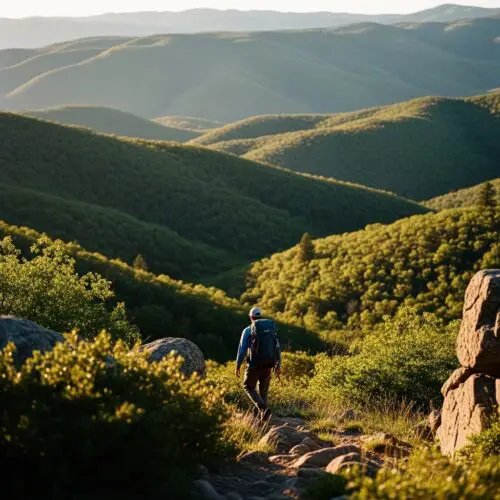
What Makes Each Park Unique
- Zion National Park: Known for its dramatic cliffs and canyons, Zion features the famous Zion Canyon and the soaring Angels Landing hike. The park’s diverse ecosystems range from desert to lush riparian areas, making it a haven for wildlife.
- Bryce Canyon National Park: This park stands out for its unique geological formations called hoodoos—tall, thin spires of rock. The sunrise and sunset views here are nothing short of magical, casting vibrant colors across the landscape.
- Capitol Reef National Park: Renowned for its unique Waterpocket Fold, Capitol Reef showcases stunning cliffs and canyons. It’s less crowded than other parks, offering a more serene experience. Don’t miss the historic Fruita district, where you can pick your own fruit in season.
- Arches National Park: Home to over 2,000 natural stone arches, this park is a photographer’s paradise. Delicate Arch is the most famous, and a must-see at sunset. The park’s otherworldly landscapes are sure to leave you in awe.
- Canyonlands National Park: Known for its vast canyons and dramatic buttes, Canyonlands is divided into four districts, each offering unique views. Island in the Sky provides panoramic vistas, while the Needles district offers great hiking options.
Key Attractions and Activities
Each park has its own must-see sights and activities:
- Zion:
- Hike the Angels Landing trail for breathtaking views.
- Explore the Zion Narrows, a stunning slot canyon hike.
- Bryce Canyon:
- Walk the Navajo Loop Trail for close-up views of hoodoos.
- Join a ranger-led program for an educational experience.
- Capitol Reef:
- Drive the Scenic Drive for stunning vistas.
- Hike the Cassidy Arch trail for a rewarding view.
- Arches:
- Don’t miss the Delicate Arch hike, especially at sunset.
- Explore the Fiery Furnace with a guided tour.
- Canyonlands:
- Take in the views from Mesa Arch at sunrise.
- Enjoy mountain biking in the Slickrock Trail area.
As you plan your trip, consider your interests. Are you a hiker, photographer, or fruit lover? Each park offers distinct experiences. Remember to pack essentials based on your activities. A lightweight Portable Backpacking Stove can be a game-changer for those scenic lunch breaks in the wild. Check Price on Amazon.
With so much to see and do, Utah’s Mighty 5 is ready to welcome you in 2026!
Table of Contents
Crafting Your Itinerary: 7-Day and 10-Day Options

Planning a road trip through Utah’s Mighty 5 is exciting! Whether you have a week or a bit more, there’s so much to see and do. Here’s a handy guide to help you craft the perfect itinerary.
Suggested 7-Day Itinerary
This itinerary is ideal for those who want to see the highlights without feeling too rushed. Here’s a day-by-day breakdown:
| Day | Park & Activities |
|---|---|
| Day 1 | Arrive in Las Vegas, drive to Zion; explore Watchman Trail and Emerald Pools. |
| Day 2 | Full day in Zion; hike The Narrows and Pa’rus Trail. |
| Day 3 | Morning hike at Canyon Overlook; tackle Angels Landing; drive to Tropic. |
| Day 4 | Sunrise at Bryce Canyon’s Sunset Point; hike the Figure 8 Trail; drive to Torrey. |
| Day 5 | Explore Capitol Reef; check out Cassidy Arch and Fruita Orchards; drive to Moab. |
| Day 6 | Discover Arches; hike The Windows, Devils Garden, and Delicate Arch. |
| Day 7 | Visit Canyonlands; sunrise at Mesa Arch; choose from various hikes before heading back. |
Suggested 10-Day Itinerary
If you have more time, this itinerary allows for flexibility and exploration. Here’s how you can spread things out:
| Day | Park & Activities |
|---|---|
| Day 1 | Arrive in Las Vegas, drive to Zion; visit Watchman Trail. |
| Day 2 | Spend the day in Zion; hike The Narrows. Consider a guided tour for more exploration. |
| Day 3 | Morning hike at Canyon Overlook; hike Angels Landing; drive to Tropic. |
| Day 4 | Full day at Bryce Canyon; catch sunrise, hike the Figure 8 Trail, and explore more viewpoints. |
| Day 5 | Drive to Capitol Reef; check out Cassidy Arch and Fruita Orchards. Consider a scenic drive. |
| Day 6 | Enjoy Arches; hike Delicate Arch and explore hidden gems like Landscape Arch. |
| Day 7 | Visit Canyonlands; sunrise at Mesa Arch; spend the day hiking Island in the Sky. |
| Day 8 | Return to any park you loved or explore local dining and activities in Moab. |
| Day 9 | Take a break; consider a jeep tour over slickrock obstacles. |
| Day 10 | Head back to Las Vegas, stopping for any last-minute sightseeing. |
Customization Tips
Feel free to adjust these itineraries based on your interests. Are you a hiker, photographer, or someone who loves local history? Each park has its unique charm.
- For Hikers: Spend more time on trails like Angels Landing or The Narrows.
- For Families: Include shorter hikes and fun activities like ranger-led programs.
- For Photographers: Plan for sunrise and sunset shots at iconic spots.
Remember to check weather conditions and park schedules. That way, you can maximize your experience and avoid any surprises. Happy planning!
Best Times to Visit Each Park
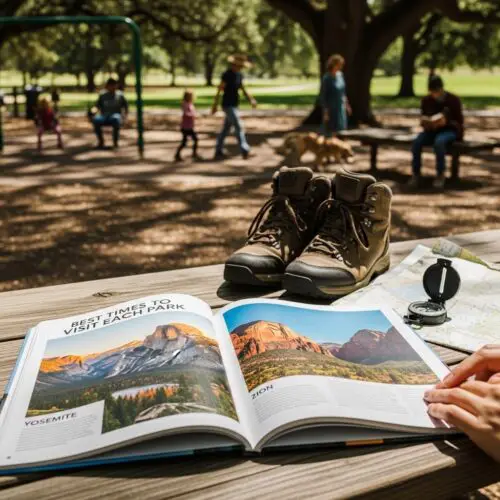
Planning your trip to Utah’s Mighty 5? Timing is everything! Each park has its own charm, depending on the season. Here’s what to expect throughout the year.
Seasonal Highlights
- Spring (March – May): This is a sweet spot for hiking. Temperatures are mild, and wildflowers are in bloom. Zion and Bryce Canyon are particularly stunning. However, be prepared for some spring rain.
- Summer (June – August): If you love the heat, this is your time! Expect temperatures to soar, especially in Arches and Canyonlands. Crowds will peak, so get there early to snag the best spots. Bring plenty of water and sunscreen!
- Fall (September – November): Autumn is magical! The colors change, and the weather is cooler. This is a great time to visit all parks, especially Zion and Bryce, as the crowds thin out. Just watch for chilly nights.
- Winter (December – February): If you enjoy solitude and snow, visit in winter. Zion remains accessible, while Bryce Canyon transforms into a winter wonderland. Just be ready for cold temps and potential road closures.
Weather Considerations
Here’s a quick breakdown of what to expect weather-wise:
| Month | Average Temperature (°F) | Crowd Levels | Best Parks to Visit |
|---|---|---|---|
| January | 30 – 50 | Low | Bryce Canyon, Zion |
| February | 35 – 55 | Low | Zion, Arches |
| March | 40 – 60 | Medium | Zion, Bryce Canyon |
| April | 50 – 70 | Medium | Canyonlands, Arches |
| May | 60 – 80 | High | Zion, Bryce Canyon |
| June | 70 – 100 | Very High | Arches, Canyonlands |
| July | 75 – 100 | Very High | Arches, Canyonlands |
| August | 70 – 95 | High | Zion, Arches |
| September | 60 – 85 | Medium | Zion, Bryce Canyon |
| October | 50 – 70 | Low | Canyonlands, Arches |
| November | 40 – 60 | Low | Capitol Reef, Zion |
| December | 30 – 50 | Low | Bryce Canyon, Zion |
Each park has its own unique features, so think about what you want to see and do. If you’re hitting the trails, consider packing a Portable Backpacking Stove for some hot meals on the go. Check Price on Amazon.
With this guide, you can plan your trip around the best times to visit each park and make the most of your adventure!
Essential Travel Tips and Packing List
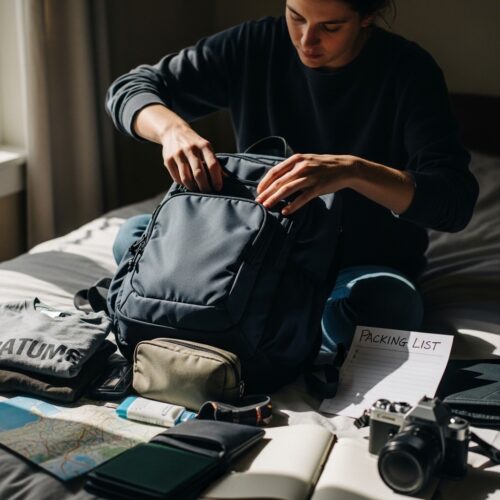
Planning for a road trip through Utah’s Mighty 5 means being ready for anything. Each park has its own vibe, and the weather can change fast. Here’s a packing list tailored for different seasons and some essential travel tips to keep your adventure smooth.
Packing Essentials for Each Season
Here’s a seasonal checklist to help you pack the right gear. Weather can vary a lot in Utah, so be prepared!
| Season | Essentials |
|---|---|
| Spring | Lightweight layers, rain jacket, hiking shoes, sunscreen, insect repellent |
| Summer | Breathable clothing, wide-brim hat, plenty of water, snacks, hiking poles |
| Fall | Warm layers, windbreaker, gloves, sturdy boots, camera for fall colors |
| Winter | Insulated jacket, snow gear (if applicable), traction devices for shoes, thermos for hot drinks |
Tip: Always pack snacks and plenty of water, no matter the season. Staying hydrated and fueled is key when exploring the parks!
Travel Tips for Smooth Navigation
Navigating the Mighty 5 can be a breeze with a little planning. Here are some practical tips:
- Plan Your Itinerary: Map out which parks you’ll visit each day. Allow for travel time between them. Google Maps can mislead you on travel times, so factor in breaks and scenic stops.
- Arrive Early: Get to the parks at dawn if you can. Parking fills up fast, and early mornings are less crowded and cooler. You’ll enjoy the peace and quiet.
- Consider Accommodations: Book your stays well in advance, especially in peak season. Popular spots fill up quickly. Look for options in nearby towns for a better chance at finding a good deal.
- Know Your Parks: Each park offers unique experiences. Research beforehand what you want to do. Remember, some trails may be closed in winter or due to weather conditions.
- Safety First: Pack a basic first-aid kit and know the Leave No Trace principles. Respecting nature keeps the parks beautiful for everyone.
With this guide, you’ll be set for an unforgettable adventure through Utah’s Mighty 5!
Common Mistakes to Avoid When Visiting

Planning a trip to Utah’s Mighty 5 can be exciting, but it’s easy to make mistakes that could dampen your adventure. Let’s dive into some common pitfalls and how to sidestep them.
Pitfalls in Planning
1. Rushing Through the Parks
Many travelers try to see all five parks in just a few days. This leads to exhaustion and missed experiences. Aim for at least a week for a more enjoyable pace.
2. Ignoring Accommodation Needs
Waiting until the last minute to book accommodations can lead to stress. Popular spots fill up fast, especially in summer. Consider reserving your stay well in advance to snag the best deals.
3. Overlooking Reservation Requirements
Some parks, like Arches, require timed entry reservations during peak months. Forgetting this can mean a wasted trip. Always check for necessary permits ahead of time.
On-the-Ground Mistakes
1. Underestimating the Weather
Utah can be hot, especially in summer. Temperatures in Moab and Zion can soar over 100 degrees. Hike early in the morning or later in the evening to avoid the heat.
2. Neglecting to Pack Appropriately
The weather in Utah can be unpredictable. For example, Bryce Canyon is at a high elevation. Mornings can be chilly even in summer. Always pack layers, including a jacket, to stay comfortable throughout the day.
3. Skipping Hidden Gems
Don’t just stick to the famous hikes like Angels Landing or Delicate Arch. Explore the lesser-known trails and nearby state parks. You’ll find fewer crowds and just as much beauty.
Real-Life Scenario
Imagine a family who planned to visit all five parks in a week. They ended up exhausted and missed out on the stunning sunsets at Bryce Canyon. By the end, they regretted not taking their time. A better plan would have been to focus on three parks and enjoy them fully.
Quick Checklist to Avoid Mistakes
- Plan for 7-10 days to explore.
- Book accommodations early to secure the best options.
- Check reservation requirements for parks.
- Pack layers for varying temperatures.
- Explore less-crowded trails for unique experiences.
By keeping these tips in mind, your adventure through Utah’s Mighty 5 will be nothing short of unforgettable!
Accessibility Options in Utah’s National Parks
Traveling to Utah’s Mighty 5 with accessibility needs? You’re in luck! Each park offers features and resources to ensure everyone can enjoy the stunning landscapes and adventures.
Accessible Trails and Facilities
Here’s a quick look at the accessibility features available in each park:
- Zion National Park:
- The Riverside Walk is a paved, easy trail perfect for wheelchairs.
- The Zion Canyon Shuttle is accessible and provides convenient transport within the park.
- Bryce Canyon National Park:
- The Bryce Canyon Rim Trail has sections that are paved and accessible.
- Visitor centers and restrooms are equipped with accessibility features.
- Capitol Reef National Park:
- The Fruita Area has accessible trails like the Fruita Historic District, which is mostly flat.
- Facilities include accessible restrooms and picnic areas.
- Arches National Park:
- The Park Avenue Trail has a paved path for easy access.
- The visitor center is fully accessible and has resources for planning your visit.
- Canyonlands National Park:
- The Island in the Sky district offers accessible overlooks and picnic areas.
- Accessible restrooms are available at the visitor center.
Resources for Travelers with Disabilities
Planning ahead is key! Here are some helpful resources:
- National Park Service (NPS): Each park’s NPS page has detailed accessibility information.
- Visitor Centers: Always stop by a visitor center for maps and assistance tailored for accessibility needs.
- Adaptive Equipment Rentals: Some parks may offer adaptive hiking equipment. Check in advance!
When planning your trip, consider these resources and trails. They can help make your adventure in Utah’s Mighty 5 enjoyable and memorable!
Dining and Accommodation Recommendations
When exploring Utah’s Mighty 5, you’ll want to refuel and recharge in style. Here are some great dining and lodging options that will enhance your adventure.
Best Places to Stay
Finding the right place to stay can make or break your trip. Here are some top picks:
- Moab: This vibrant town is the perfect base for both Arches and Canyonlands National Parks. Check out the Red Cliffs Lodge for a unique experience right by the Colorado River. It’s rustic yet comfy.
- Springdale: Just outside Zion National Park, Cliffrose Lodge offers stunning views and easy access to the park. It’s a great spot for families with its spacious rooms and pool.
- Torrey: For Capitol Reef National Park, consider the Capitol Reef Resort. They have cozy cabins with amazing views of the cliffs. Plus, there’s a fun opportunity for horseback riding!
- Bryce Canyon City: The Best Western Plus Ruby’s Inn is a classic choice. It’s close to the park entrance and offers a range of amenities, including restaurants and a gift shop.
- Cedar City: For Bryce Canyon, the La Quinta Inn & Suites is a solid option. It’s a little further out but offers comfy beds and breakfast.
Local Dining Favorites
After a day of hiking and exploring, you’ll want to grab a bite. Here are some local gems:
- Moab Diner (Moab): A local favorite for breakfast and comfort food. Try their famous “Moab Omelette” for a hearty start to your day.
- Zion Pizza & Noodle Co. (Springdale): Perfect for a casual meal. Their pizzas are a hit, and the atmosphere is laid-back.
- The Rim Rock Restaurant (Torrey): Offers breathtaking views and a menu filled with local flavors. Their steak is a must-try!
- Bryce Canyon Lodge Restaurant (Bryce Canyon): This spot serves up hearty meals right inside the park. Great for refueling after a long day of hiking.
- The Italian Bistro (Cedar City): A cozy spot with delicious pasta and pizza. It’s a great place to relax after visiting Bryce Canyon.
These dining and accommodation options will help you make the most of your trip to Utah’s Mighty 5. Enjoy the beauty of nature and the comforts of home!
Final Thoughts and Additional Resources
You’re almost ready to embark on an unforgettable adventure through Utah’s Mighty 5! To help you make the most of your journey, here are some final tips and additional resources for a smooth planning process.
Essential Travel Tips
- Pace Yourself: With five stunning parks to explore, it’s easy to get overwhelmed. Take your time. Enjoy the views, the hikes, and the little moments.
- Check the Weather: Utah’s weather can be unpredictable. Always check forecasts before you head out. Dress in layers to stay comfortable.
- Stay Hydrated: The dry desert air can sneak up on you. Drink plenty of water, especially during hikes.
- Respect Nature: Follow Leave No Trace principles. Keep our parks beautiful for future visitors.
Helpful Resources
Here’s a curated list of apps, websites, and guidebooks to enhance your planning:
- AllTrails: Great for finding hiking trails in each park with reviews and maps.
- National Park Service Website: Official information on park hours, fees, and conditions.
- Utah’s Mighty 5 Website: Offers insights, itineraries, and tips specifically for the Mighty 5.
- Roadtrippers App: Plan your route and discover attractions along the way.
Packing Checklist
Here’s a quick packing checklist tailored for your Utah adventure:
- Hiking Gear: Sturdy boots, trekking poles, and a daypack.
- Clothing: Layered clothing, a hat, and sunglasses.
- Safety Items: First aid kit, sunscreen, and a flashlight.
- Camping Supplies: If you’re camping, don’t forget your tent, sleeping bag, and cooking gear.
With these tips and resources, you’re all set to explore Utah’s breathtaking national parks in 2026. Happy travels!
Frequently Asked Questions
These quick answers cover the most common questions about this topic, including key details, practical tips, and common concerns.
How do I plan a road trip to Utah’s Mighty 5?
Start by selecting the duration of your trip—whether a week or more. Map out which parks you want to visit and allocate days accordingly. Consider travel times between parks and book accommodations well in advance, especially during peak seasons. Prepare an itinerary that balances sightseeing, hiking, and rest. Finally, check park alerts and reservation requirements to ensure smooth access.
Why is planning important for a road trip to the Mighty 5?
Planning helps maximize your time and reduces stress. It ensures you visit all desired parks without rushing and allows for reservations at popular accommodations. Proper planning also includes packing appropriately, understanding park regulations, and scheduling activities suited to your interests, such as hikes or scenic drives.
When is the best time of year to visit Utah’s Mighty 5?
Spring (March–May) offers mild weather and wildflower blooms, ideal for hiking. Fall (September–November) provides cooler temperatures and fewer crowds. Summer (June–August) is hot and crowded, best for early morning or evening activities. Winter (December–February) is quieter, with snow transforming some parks, but check for weather-related closures.
How can I avoid crowds in the national parks?
Visit early in the morning or late in the afternoon when crowds are thinner. Weekdays generally see fewer visitors than weekends. Consider exploring less popular trails and viewpoints, and make reservations where required. Off-season visits can also provide a more peaceful experience.
What safety tips should I follow while hiking in the parks?
Always carry plenty of water, wear suitable footwear, and dress in layers. Check trail conditions and weather forecasts before heading out. Stay on designated paths, and inform someone of your plans. Carry a map, a fully charged phone, and a basic first-aid kit. Avoid hiking alone in remote areas.
Are guided tours available for the Mighty 5?
Yes, many companies offer guided tours, including day hikes, jeep safaris, and photography excursions. These tours provide expert insights and can help you access hard-to-reach spots. Booking in advance is recommended, especially during peak seasons.
What are the best hikes for families in these parks?
In Zion, the Riverside Walk and the Lower Emerald Pools are family-friendly. Bryce Canyon offers easy walks like the Rim Trail and the Mossy Cave Trail. Arches features accessible hikes such as the Park Avenue and Balanced Rock trails. Always choose trails suited to your family’s fitness level and ensure safety.
What environmental considerations and Leave No Trace principles should I follow?
Respect wildlife and vegetation by keeping a safe distance. Pack out all trash and leftover food. Stay on designated trails to prevent erosion. Use existing campsites and avoid damaging rock formations. These practices help preserve the parks’ natural beauty for future visitors.