
Creating a tropical garden filled with vibrant colors is like painting with nature’s most beautiful palette. With the right color schemes, you can transform your outdoor space into a stunning oasis that energizes the spirit.
Understanding Tropical Color Schemes
When I first started designing my tropical garden, I quickly learned that understanding color schemes was crucial. Color isn’t just a visual element; it’s a powerful tool that can change the mood and overall feel of a garden. Whether you’re going for a tranquil retreat or an energetic playground, the colors you choose can make all the difference.
The Role of Color in Garden Design
Color plays a fundamental role in garden design. I remember standing in my garden, noticing how different colors affected my emotions. Bright, bold colors like reds and yellows seemed to energize me, while softer tones like greens and blues brought a sense of calm. Each plant’s color contributes to the garden’s overall aesthetic, and it’s important to use them wisely.
For instance, when planning the layout of my garden, I considered how the colors would interact with each other and the surrounding environment. I found that using a cohesive color scheme not only made the garden look more appealing but also created a harmonious atmosphere. I recommend starting with a theme or a specific color palette that resonates with you. This way, you can choose plants and decorations that complement each other beautifully. If you’re looking for guidance, check out How to Select the Perfect Tropical Plants for Your Garden.
Psychological Effects of Colors in Gardens
The psychological effects of colors are fascinating. I’ve learned that our brains respond to colors in various ways. For example, warm colors like red and orange are said to stimulate excitement and energy, making them perfect for areas where you want to socialize or entertain. In contrast, cool colors like blue and green are associated with calmness and relaxation, ideal for a quiet nook in the garden where you can unwind.
As I experimented with my garden, I noticed how certain colors would draw my family and friends into certain spaces. I decided to place vibrant yellows and oranges around the seating area to encourage more social interactions, while I kept the blues and greens in the corners where I wanted to create a peaceful retreat. This balance of colors really helped me maximize my garden’s potential.
Popular Color Palettes for Tropical Gardens
Now that we’ve established the importance of color, let’s dive into some popular color palettes that work wonders in tropical gardens. I’ve found that choosing a few key colors can simplify the process and create a cohesive look. Here are some of my favorite palettes:
Warm Color Schemes
Warm colors are perfect for creating an inviting and energetic atmosphere. They remind me of sunny tropical sunsets and vibrant flowers swaying in the breeze.
Reds and Oranges
Reds and oranges can really make your garden pop. I remember planting a few fiery red hibiscus and orange marigolds, and they instantly brightened up my space. These colors are fantastic for attracting attention and creating focal points. They work especially well when paired together, enhancing the feeling of warmth and vibrancy.
Yellows and Golds
Yellows and golds evoke feelings of happiness and optimism. I love using yellow flowers like sunflowers or golden canna lilies throughout my garden. They catch the light beautifully and create a cheerful ambiance. Incorporating these hues can be as simple as adding a few pots of yellow blooms to your garden’s design.
Cool Color Schemes
Cool colors can provide a refreshing contrast to the warmth of tropical gardens. They create serene and calming spaces that are perfect for relaxation.
Blues and Greens
Blues and greens are the colors of nature, making them a staple in any tropical garden. I’ve found that using various shades of blue, from deep navy to soft sky blue, paired with lush green foliage can create a tranquil and peaceful environment. I’ve even added a small water feature painted in cool tones, which enhanced the overall serenity of the space.
Pinks and Purples
Pinks and purples add a touch of elegance and romance to a garden. I really love the look of lavender and fuchsia bougainvilleas climbing over trellises. These colors can create a dreamy atmosphere, especially in the evening light. They pair beautifully with the greens and can also act as wonderful accents within a more vivid palette.
As I continue to learn and grow my garden, I find that experimenting with these color schemes helps me discover new combinations that resonate with me. Creating a tropical garden is an ongoing journey, and there’s always something new to explore! For more ideas on plant selections, check out Transform Your Garden with Stunning Tropical Plant Selections.
Choosing the Right Plants for Vibrant Colors
When it comes to creating a lively and colorful tropical garden, choosing the right plants is key. I’ve spent many afternoons researching and selecting varieties that not only thrive in my climate but also pack a punch in the color department. Each plant tells its own story through its hues, and I love how they can transform an ordinary garden into a vibrant escape. Here are some of my top plant picks!
Flowering Plants
Flowering plants are the stars of any tropical garden, bringing bursts of color and life. I’ve found that certain varieties stand out more than others, both for their stunning blooms and their ability to flourish in a tropical climate.
Hibiscus
Hibiscus flowers are a classic choice in tropical gardens. I remember the first time I saw a hibiscus in full bloom; the colors were absolutely breathtaking! From deep reds to vibrant yellows, these flowers can add drama and charm to any corner of the garden. They thrive in sunny spots and bloom profusely, so I make sure to plant them where they can soak up the sun. Plus, they attract butterflies, which is a lovely bonus!
Bird of Paradise
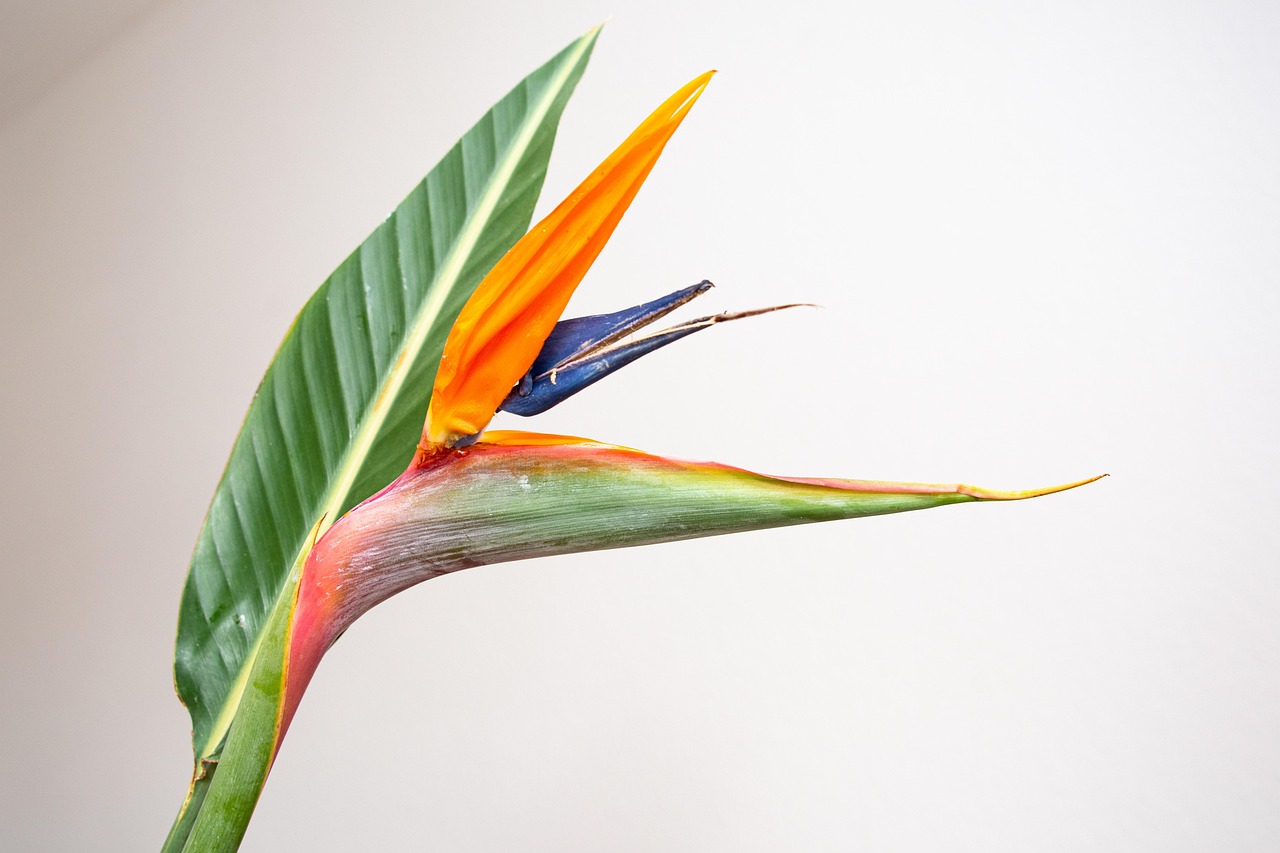
Another favorite of mine is the Bird of Paradise plant. Its unique, exotic flowers remind me of colorful tropical birds in flight. The bright orange and blue blooms stand tall above the lush green foliage, creating a striking contrast. I often pair them with other tropical plants to create visual excitement. They require a bit more maintenance, but the payoff is absolutely worth it when they begin to flower!
Foliage Plants
While flowering plants steal the show, foliage plants play an equally important role in adding depth and texture to your garden. I’ve learned that a variety of shapes and shades of green can enhance the vibrant colors of flowers, creating a balanced and dynamic landscape.
Calathea
Calatheas are one of my go-to foliage plants. Their beautifully patterned leaves come in shades of green, burgundy, and cream, which adds a touch of elegance to my garden. I love using them in shaded areas or alongside bright blooms to create a lush, layered look. They thrive in humidity, making them perfect companions for my tropical garden.
Alocasia
Alocasia plants are another stunning option. Their large, arrow-shaped leaves can add drama and a tropical feel to any space. I appreciate how they come in various colors, from deep greens to silvery hues. I often place them near my water feature, where they can enjoy the moisture while providing a striking backdrop to my colorful flowers. They’re definitely a conversation starter!
Combining Colors for Maximum Impact
Once I’ve selected my plants, the next step is learning how to combine their colors effectively. I’ve discovered that mixing colors can create a bold statement in a garden and make it visually appealing. There are several color schemes to consider, and each one can evoke different feelings and aesthetics.
Complementary Color Schemes
Complementary color schemes involve pairing colors that are opposite each other on the color wheel. For example, pairing bright oranges with deep blues can create a striking visual contrast. I’ve experimented with this in my garden by placing orange marigolds next to blue lobelias. The effect is vibrant and eye-catching, drawing the eye throughout the space.
Analogous Color Schemes
Analogous color schemes involve using colors that are next to each other on the color wheel. I find this approach creates a more harmonious and soothing look. For instance, using shades of yellow, orange, and red can create a warm, inviting atmosphere. I often create these zones in my garden to evoke a specific mood, like a cozy nook where I can relax and enjoy a cup of tea.
Monochromatic Color Schemes
Monochromatic schemes use varying shades of a single color. I love how this can create a sophisticated and unified look. For example, using different shades of pink from light blush to fuchsia produces a soft, romantic feel. I often combine pink bougainvilleas with soft pink hibiscus, and the result is simply stunning!
Designing Your Tropical Garden Layout
Designing the layout of my tropical garden is one of the most exciting parts of the process. I remember feeling a surge of inspiration as I mapped out where each plant would go, considering how their colors would interact with one another. A thoughtful layout can maximize the visual impact of your chosen colors.
Layering Colors in Your Garden
Layering is a fantastic way to create depth and texture. I like to plant taller plants towards the back and gradually work my way down to shorter plants in the front. This not only showcases the vibrant colors of each plant but also allows the eye to travel through the garden. I often use this technique near pathways so that every step reveals a new splash of color.
Creating Focal Points with Color
Focal points are essential for drawing attention to specific areas of the garden. I love to use brightly colored plants or even garden art to create these focal points. For instance, I’ve placed a vibrant red hibiscus plant beside a decorative birdbath, making it the centerpiece of that section. It’s a great way to showcase the beauty of the plants while adding an artistic touch to the garden.
Seasonal Considerations for Color Schemes
As I’ve dived deeper into my tropical gardening journey, I’ve realized that the seasons play a significant role in the color schemes we can achieve. Understanding how different plants thrive in various seasons helps me maintain a vibrant garden throughout the year. I love watching how the garden transforms with each passing season, almost like nature is painting a new picture for me every few months. Here’s how I consider seasonality when planning my garden’s colors.
Best Plants for Year-Round Color
Finding plants that provide color throughout the year has been a game-changer for my garden. I’ve discovered that certain varieties are more resilient and can bloom continuously or at various times of the year, ensuring I always have something beautiful to admire.
One of my all-time favorites is the Plumeria. These stunning flowers bloom in various colors, from soft pastels to vibrant hues, and they often flower multiple times throughout the year in tropical climates. Their unique fragrance adds another layer to my garden experience, making it a delightful spot to relax.
Another plant I adore is the Ixora. These small, clustered flowers produce vibrant colors, ranging from reds and oranges to yellows and pinks. They bloom year-round in warm climates, and I’ve found they’re not only easy to care for but also attract butterflies, which adds life to my garden.
For foliage, I recommend Croton. The leaves come in striking combinations of yellow, orange, and red, and they can add a burst of color even when not in bloom. I love placing them strategically around my garden to maintain a lively atmosphere, regardless of the season.
Seasonal Color Transitions
Seasonal transitions can be magical in a tropical garden. I’ve learned that planning for these changes can enhance the visual interest of my space. During spring, I often start with pastel-colored blooms like Jasmine and Bougainvillea. Their gentle colors create a soft, welcoming atmosphere as the weather warms up.
As summer hits, I switch to bolder colors. This is when my Hibiscus and Bird of Paradise really shine. They bring that tropical vibrancy that I crave during the sunny months. I’ve found that incorporating seasonal annuals like Marigolds and Pentas can keep things lively and attract pollinators.
When autumn approaches, I focus on the foliage changes. Plants like Calathea exhibit stunning patterns and hues that become more pronounced as the light shifts. The contrast between the soft, fading blooms and the rich foliage creates a beautiful balance that I really enjoy.
During the winter months, while blooms might be fewer, I rely on evergreens and winter-blooming plants such as Camellias. Their subtle colors can brighten up drearier days and provide structure to my garden when other plants might be resting. I love how winter can showcase the garden’s architecture, allowing me to appreciate the shapes and forms of my plants.
By considering these seasonal transitions, I find that my garden remains engaging and beautiful year-round, and it’s a joy to see how the colors evolve with each season. It has become a beautiful reflection of nature’s rhythm, and I feel a real connection to the cycles of life in my little green haven.
Maintenance Tips for Vibrant Tropical Gardens
To keep my tropical garden looking its best, I’ve learned that regular maintenance is essential. It’s not just about planting; it’s about nurturing and caring for the colors and plants that bring me joy. Here are some maintenance tips I’ve found effective in preserving the vibrancy of my garden.
Color Preservation Techniques
One of the first things I do to maintain color is ensure proper watering. Tropical plants often thrive in humid environments, so I make sure to keep the soil consistently moist without overwatering. I’ve found that using mulch helps retain moisture and keeps the roots cool, which is crucial for plants like Hibiscus and Calathea.
Fertilizing regularly is also key to vibrant colors. I use a balanced, slow-release fertilizer during the growing season to give my plants the nutrients they need. I’ve noticed that my blooms are much more vibrant and abundant when I maintain a feeding schedule. It’s fascinating to see how a little extra care can lead to a burst of color!
I also pay close attention to pest control, as certain pests can dull the colors of my plants. I’ve learned to identify common pests and treat them early. I prefer using organic solutions whenever possible, as I want to keep my garden healthy and safe for beneficial insects.
Pruning for Color Continuity
Pruning has become an essential part of my gardening routine. I’ve found that removing dead or spent flowers encourages new growth and often leads to more vibrant blooms. For instance, with my Bird of Paradise, regular pruning helps maintain a tidy appearance and promotes healthier flowering. I tend to prune after the blooming season to allow the plant to focus its energy on new growth.
Additionally, I’ve learned to shape my plants as they grow. This not only enhances their natural beauty but also ensures that they don’t overshadow their colorful neighbors. By keeping a balanced structure, I allow each plant’s colors to shine through, contributing to a more visually appealing garden.
Through these maintenance practices, I’ve come to appreciate the effort that goes into preserving my tropical garden’s vibrancy. It’s not just about planting; it’s about fostering a lively ecosystem that continues to bring me joy and inspiration every day.
Frequently Asked Questions
What is the significance of color schemes in tropical garden design?
Color schemes are crucial in tropical garden design as they can change the mood and overall feel of the garden. The right colors can transform an outdoor space into a vibrant oasis or a tranquil retreat.
How do warm and cool colors affect the atmosphere of a garden?
Warm colors like reds and oranges stimulate excitement and energy, making them ideal for social areas. In contrast, cool colors such as blues and greens promote calmness and relaxation, perfect for quiet spaces in the garden.
What are some popular warm color schemes for tropical gardens?
Popular warm color schemes include combinations of reds and oranges, which create vibrant focal points, and yellows and golds that evoke happiness and optimism, enhancing the cheerful ambiance of the garden.
What cool color schemes are recommended for tropical gardens?
Cool color schemes involving blues and greens create serene spaces, while pinks and purples add elegance and romance. These colors can enhance the tranquil atmosphere and pair beautifully with greens.
Which plants are recommended for vibrant colors in a tropical garden?
Flowering plants like hibiscus and Bird of Paradise are excellent for adding vibrant colors. Foliage plants such as Calathea and Alocasia also enhance the garden’s texture and depth. For more options, you might want to explore Discover the Best Tropical Plants for Outdoor Spaces.
What are complementary color schemes and how can they be used in a garden?
Complementary color schemes involve pairing colors opposite each other on the color wheel, like orange and blue. This creates a striking visual contrast and draws attention throughout the garden.
How can layering colors enhance the design of a tropical garden?
Layering colors involves planting taller plants in the back and shorter ones in the front, creating depth and allowing different colors to showcase their vibrancy, making the garden visually appealing.
What maintenance tips help preserve the vibrancy of a tropical garden?
Regular maintenance, including proper watering, fertilizing, and pest control, is essential. Pruning also encourages new growth and vibrant blooms, contributing to the garden’s overall health and appearance.
How do seasonal transitions affect color schemes in a tropical garden?
Seasonal transitions can enhance visual interest by planning for different blooms throughout the year. Using various plants that thrive in each season ensures the garden remains colorful and engaging year-round.
What role does pruning play in maintaining a tropical garden’s colors?
Pruning helps remove dead flowers, encouraging new growth and more vibrant blooms. It also allows shaping of plants to enhance their natural beauty and ensure they don’t overshadow other colorful plants.