
Washington State is home to three national parks renowned for their stunning landscapes and diverse ecosystems. In 2026, they are celebrated as some of the best in the world, attracting nature enthusiasts and adventure seekers alike.
1. The Unique Features of Washington’s National Parks
Washington’s national parks boast stunning landscapes and vibrant ecosystems. Each park offers something unique, making them a must-visit for nature lovers.
Olympic National Park: A Biosphere Reserve
Olympic National Park is a UNESCO Biosphere Reserve. It’s famous for its diverse ecosystems, from lush rainforests to rugged coastlines.
- Hiking Trails: Trails like the Hoh Rain Forest Trail lead you through a mystical forest filled with towering trees and vibrant moss.
- Wildlife: Keep an eye out for elk, black bears, and a variety of bird species.
- Cultural Significance: The park is home to the Quileute and Hoh tribes, whose rich history adds depth to the natural beauty.
Mount Rainier: The Iconic Volcano
Mount Rainier National Park features the stunning, snow-capped Mount Rainier, standing at 14,411 feet.
- Scenic Drives: The drive along the Paradise Road offers breathtaking views and access to popular spots like Paradise and Sunrise.
- Seasonal Events: Each summer, wildflower meadows burst into color, creating a vibrant landscape.
- Hidden Trails: Don’t miss the lesser-known trails like the Skyline Trail for spectacular views of the mountain and surrounding valleys.
North Cascades: The Untamed Wilderness
North Cascades National Park is often referred to as the “American Alps.” It’s the least visited but arguably the most rewarding.
Table of Contents
- Accessibility: While some areas are challenging to reach, there are accessible trails like the Ross Lake Trail, perfect for everyone.
- Wildlife Viewing: This park is a haven for spotting mountain goats and other unique wildlife.
- Cultural Heritage: The region holds significance for the local tribes, with many trails and areas named after their historical context.
Washington’s national parks offer unforgettable experiences. With diverse landscapes, rich cultural history, and abundant wildlife, they truly stand out on the world stage.
2. Best Activities for Outdoor Enthusiasts
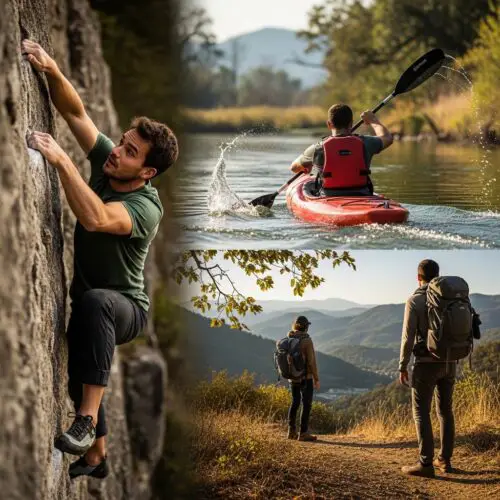
Washington State’s national parks are a playground for outdoor enthusiasts. With stunning scenery, diverse ecosystems, and countless activities, there’s something for everyone. Let’s dive into the best hiking, camping, and wildlife watching experiences you can find in these parks.
Top Hiking Trails in Olympic National Park
Olympic National Park offers a variety of hiking trails that cater to all skill levels. Here are some of the top trails you should consider:
- Hoh Rain Forest Trail: A 5-mile loop where you can immerse yourself in lush greenery. It’s an easy hike that showcases the park’s unique ecosystem.
- Hurricane Ridge: This area has trails ranging from easy to challenging, and the views of the Olympic Mountains are simply breathtaking.
- Enchanted Valley: A more strenuous 13-mile hike leads you to the Valley, often called the “Valley of 10,000 Waterfalls” in spring. It’s a must-see for adventure seekers.
For those planning to tackle longer hikes, consider a multi-day trek along the Olympic Coast Trail. This 70-mile journey offers stunning ocean views and diverse wildlife encounters. Be sure to pack enough supplies!
Camping Spots in Mount Rainier National Park
Mount Rainier National Park boasts some incredible camping opportunities. Here are a few prime spots:
- Paradise Campground: Located near the popular Paradise visitor center, it’s perfect for families. You’ll have access to stunning views and a variety of trails.
- Longmire Campground: Close to the park’s historic Longmire area, this site is ideal for those who want to explore the surrounding trails and hot springs.
- Ohanapecosh Campground: Nestled in the old-growth forest, this campground is quieter and offers a peaceful retreat.
When camping, make sure to check for seasonal closures and availability, especially during peak summer months.
Wildlife Watching in North Cascades
North Cascades National Park is a hidden gem for wildlife enthusiasts. Here’s how to make the most of your wildlife watching experience:
- Best Times: Early mornings and late afternoons are prime times for spotting animals. Look for black bears, deer, and the elusive mountain goat.
- Scenic Overlooks: Stop at spots like Washington Pass Overlook for breathtaking views and potential wildlife sightings.
- Guided Tours: Consider joining a guided wildlife tour for expert insights. They can help you find the best locations and teach you about the local fauna.
Remember to maintain a safe distance from wildlife. It’s all about enjoying nature while keeping both you and the animals safe.
With these tips and insights, you’re well on your way to enjoying the best outdoor activities that Washington’s national parks have to offer in 2026!
3. Travel Tips for Visiting Washington’s National Parks
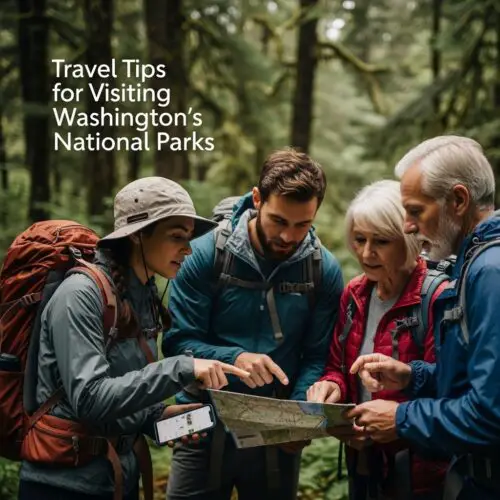
Planning a trip to Washington’s national parks? Awesome choice! These parks are stunning and full of adventure. Here’s how to tackle your visit like a pro.
How to Get There: Transportation Options
Getting to each park can be straightforward. Here are some options:
- Car: The best way to explore. You can stop wherever you like!
- Public Transport: Buses connect major cities to park entrances. Check local schedules.
- Biking: Some parks have trails suitable for biking. A fun way to see the sights!
Cost Breakdown for Visiting Each Park
Visiting national parks can fit any budget. Here’s a quick comparison of entry fees:
| Park | Entry Fee | Annual Pass (if you visit more than one) |
|---|---|---|
| Olympic National Park | $30 | $80 |
| Mount Rainier National Park | $30 | $80 |
| North Cascades National Park | $30 | $80 |
Pro tip: The annual pass is a great deal if you’re hitting multiple parks!
Safety Tips for Hiking and Camping
Safety is key. Here’s how to stay safe and enjoy your adventure:
- Stay on Trails: This protects wildlife and keeps you safe from getting lost.
- Check Weather: Conditions can change quickly. Be prepared!
- Carry Essentials: Water, snacks, a map, and a first-aid kit are must-haves.
- Wildlife Safety: Keep a safe distance from animals. Don’t feed them!
Park rangers recommend checking in at visitor centers for the latest safety updates and trail conditions. They are there to help you make the most of your visit!
4. Why Washington’s National Parks Are Considered the Best
Washington’s national parks earn their global recognition for several key reasons: rich biodiversity, easy accessibility, and unique experiences that you won’t find anywhere else. Let’s dive into what makes each park special!
Biodiversity: A Rich Tapestry of Life
Washington’s national parks are treasure troves of biodiversity.
- Mount Rainier National Park: Home to over 1,000 species of plants and a variety of wildlife, from black bears to elusive mountain goats. The wildflower meadows in summer are a sight to behold!
- Olympic National Park: This park features diverse ecosystems, from lush rainforests to rugged coastlines. It’s a UNESCO World Heritage site, showcasing a mix of marine and terrestrial life.
- North Cascades National Park: Known as the “American Alps,” it boasts dramatic mountain ranges and pristine lakes. Wildlife here includes everything from gray wolves to rare fish species.
Visitors often rave about the sheer beauty and variety of life they encounter. The chance to see unique species in their natural habitats makes for unforgettable experiences.
Accessibility: Affordable Adventures for Everyone
One of the best parts of Washington’s national parks is how accessible they are.
- Mount Rainier: Just a short drive from Seattle, it’s perfect for day trips. Entrance fees are reasonable, making it budget-friendly for families.
- Olympic National Park: Offers multiple entry points and easy access to camping and hiking. With over 900 miles of trails, there’s something for everyone, whether you’re a novice or an expert.
- North Cascades: While it’s the least visited, its stunning scenery is worth the trip. Accessible campgrounds and well-marked trails make it easier for visitors to explore.
These parks cater to everyone, from solo adventurers to families. You can enjoy a weekend getaway without breaking the bank!
Unique Experiences: What Sets Them Apart
Washington’s parks offer experiences that truly stand out.
- Mount Rainier: The chance to hike up to glaciers or enjoy panoramic views from Sunrise is unparalleled. Don’t miss the annual wildflower festival!
- Olympic National Park: Where else can you walk through an ancient rainforest and relax on a sandy beach in the same day? Tide-pooling at Rialto Beach is a must!
- North Cascades: Offers fewer crowds, giving you a more intimate experience with nature. Explore the hidden gems like the stunning Cascade Pass trail.
When you talk to visitors, they often mention these unique moments that make each park memorable. Whether it’s catching a sunrise, witnessing wildlife, or simply enjoying the tranquility, these experiences are what make Washington’s national parks some of the best in the world.
Frequently Asked Questions
These quick answers cover the most common questions about this topic, including key details, practical tips, and common concerns.
What is the most beautiful national park in Washington state?
Olympic National Park is often considered the most beautiful due to its diverse landscapes. It features lush rainforests, rugged coastlines, and snow-capped mountains. Visitors frequently cite the enchanting Hoh Rain Forest and the scenic beaches as highlights. Its UNESCO Biosphere Reserve status underscores its global significance.
Which president set aside Yellowstone?
Yellowstone was established as the world’s first national park by President Ulysses S. Grant in 1872. This historic designation helped launch the national park movement across the U.S. and the world.
What is the number one most visited national park in America?
Great Smoky Mountains National Park holds the title for the most visited national park in the U.S. It attracts over 12 million visitors annually, thanks to its accessibility, scenic beauty, and family-friendly activities.
What is the least visited national park in Washington state?
North Cascades National Park is the least visited in Washington. Its remote location and rugged terrain mean fewer crowds. Despite this, it offers some of the most pristine wilderness and spectacular mountain scenery.
Which national park in Washington is the least visited?
North Cascades is also the least visited among Washington’s parks, but it provides unique opportunities for solitude, wildlife viewing, and challenging hikes. Its lesser crowds make it ideal for those seeking tranquility.
How to plan a trip to Washington’s national parks?
Start by choosing the parks you want to visit and decide on the best time based on weather and activities. Book accommodations early, especially in peak season. Use official park maps and resources to plan your routes and activities. Consider guided tours for specialized experiences.
Why are Washington’s national parks considered the best?
They combine stunning scenery, rich biodiversity, and accessible locations. Each park offers unique features—like Olympic’s rainforests, Mount Rainier’s glaciers, and North Cascades’ rugged peaks—that appeal to diverse interests. Their cultural significance and conservation efforts add to their prestige.
When is the best time to visit Mount Rainier?
The best time is late summer (July to September) when wildflowers bloom and weather is generally clear. For snow activities or winter sports, visit between December and February. Spring (April to June) offers fewer crowds and vibrant wildflower displays.
What wildlife can I expect to see in Mount Rainier National Park?
Visitors often see black bears, elk, marmots, mountain goats, and a variety of bird species. Seasonal migrations also bring different animals into view. Early mornings and late afternoons are ideal for wildlife encounters.
What should I pack for a trip to Washington’s national parks?
Bring layered clothing for variable weather, sturdy hiking shoes, a map, plenty of water, snacks, and sun protection. Don’t forget a camera, binoculars, and a first-aid kit. Check park-specific recommendations for activities like camping or wildlife watching.