
Squirrels engage in chasing behaviors for various reasons, primarily linked to survival and social interactions. Understanding why they chase each other reveals insights into their complex behaviors, including mating rituals, territorial disputes, and playful interactions among young squirrels.
Understanding the Reasons Behind Squirrel Chases
Squirrels are lively little creatures, and their chasing behavior is a common sight. But why do they chase each other? There are several reasons behind this playful and often intense activity. Let’s break down the main motivations for their chases.
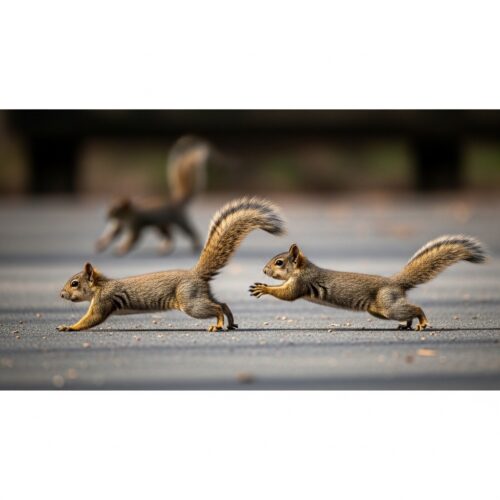
Mating Rituals
One of the primary reasons squirrels chase each other is for mating. Males often pursue females in heat. This chase showcases the male’s strength and agility. It’s a way to impress potential mates.
- Courtship Displays: Males will often engage in elaborate chases to demonstrate their fitness.
- Competition: During mating season, males will also chase each other to establish dominance. The winner often gets first dibs on mating.
Territorial Disputes
Territory is crucial for squirrels. Chasing can signal a territorial dispute. When a new squirrel enters an established territory, the resident squirrel will chase it away.
- Eviction: The resident squirrel often wants to maintain its food supply and nesting area.
- Chase Patterns: These chases usually involve zigzagging and climbing, highlighting agility.
Play Behavior
Chasing isn’t always about aggression. Young squirrels frequently chase each other as part of play. This behavior helps them develop skills they need for survival.
Table of Contents
- Skill Development: Through play, they learn to navigate their environment and improve their agility.
- Socialization: Play helps young squirrels bond, establishing social hierarchies within their group.
Dominance Establishment
Squirrels have a social structure. Chasing can serve to establish dominance among peers. Older or more dominant squirrels may chase younger ones to reinforce their status.
- Hierarchy: The dominant squirrel may assert itself through displays of strength, including chasing.
- Behavioral Cues: Look for specific behaviors, like vocalizations, that often accompany these chases.
Observing Squirrel Behavior
If you want to observe this fascinating behavior, consider these tips:
- Location: Find a spot with plenty of trees and open space.
- Time of Day: Early mornings or late afternoons are ideal for spotting these active chases.
- Distinguishing Chases: Try to differentiate between playful and aggressive chases. Playful chases are often less intense and involve more zigzagging.
Understanding why squirrels chase each other gives you a peek into their complex social lives. Whether it’s for mating, territory, or play, each chase tells a story. Keep your eyes peeled, and you might just witness one of nature’s playful dramas in action!
1. Mating Rituals: The Chase for Companionship

Mating season sparks excitement among squirrels. When the weather warms up, the chase begins! Males go all out to impress females, and it’s a wild spectacle to watch.
Understanding the Mating Season Dynamics
Mating season typically occurs in late winter to early spring. During this time, female squirrels emit signals that indicate they are ready to mate. This attracts male squirrels, who quickly engage in chases.
- Timing: Look for increased chases around February and March.
- Behavior: Males will chase each other while trying to catch up with a female.
This thrilling pursuit showcases the agility and stamina of the males. The fastest and most skilled often get the chance to mate.
Role of Male Competition in Mating
Male squirrels are competitive creatures. They chase each other to establish dominance. The goal? To become the top contender for a female’s affection.
- Chase Dynamics: Males may zigzag, leap, and dart around trees.
- Physical Displays: Expect some vocalizations and posturing.
These chases can be intense. Males may even engage in brief scuffles to prove their strength. The winner usually gets first dibs on mating.
Female Selectivity and Its Impact on Chasing
Females play a crucial role in this drama. They are selective about their partners. The chase is not just about speed; it’s about fitness too.
- Choosing a Mate: Females often lead males on a chase to test their endurance.
- Sustainable Partners: Males that keep up are seen as better mates.
This selectivity ensures that only the strongest males get to mate. It’s nature’s way of keeping squirrel populations healthy.
Understanding these dynamics gives you a front-row seat to the fascinating world of squirrel mating behavior. Look for these chases, and you might catch a glimpse of nature’s own love story!
2. Territorial Disputes: Defending Their Domain
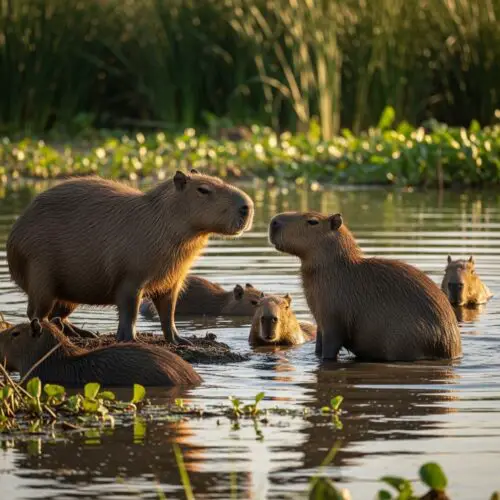
Squirrels are fiercely territorial creatures. When they chase each other, it often signals a battle for dominance over their turf. Let’s dive into how these little acrobats defend their space!
Identifying Territorial Chases
Territorial chases can look chaotic at first glance. But there’s a method to the madness. Here’s what to watch for:
- Aggressive Posturing: Squirrels puff up their tails and make loud calls.
- Chase Patterns: They often chase in circles or up trees, showing their agility.
- Nipping: One squirrel may nip at another, signaling that they want the intruder to leave.
These behaviors indicate that a squirrel is trying to establish or defend its territory.
Signs of Territorial Defense
When squirrels are defending their territory, you might notice some key signs:
- Vocalizations: They make sharp, warning sounds to alert others.
- Scent Marking: Squirrels use urine and scent glands to mark their territory.
- Chase Duration: If the chase lasts longer, it’s likely a serious territorial dispute.
Understanding these signs can help you recognize when squirrels are getting territorial versus when they are just playing.
Comparison of Territorial Behavior Among Species
Different squirrel species have unique ways of establishing territory. Here are a few examples:
| Squirrel Species | Territorial Behavior | Notable Traits |
|---|---|---|
| Gray Squirrels | Often stake out large areas and will chase intruders aggressively. | Highly vocal and social. |
| Red Squirrels | More solitary and will fiercely defend smaller territories. | Known for aggressive chases. |
| Fox Squirrels | Establish large territories and may tolerate some intruders. | Less aggressive than gray and red squirrels. |
In urban settings, territorial disputes may be more common due to limited space. You might see more chasing in parks or yards where squirrels compete for food sources. In rural areas, their territories can be larger, leading to fewer encounters.
Practical Tips for Observing Squirrel Behavior
Want to watch these squirrels in action? Here’s how to do it safely:
- Stay Quiet: Loud noises can scare them off.
- Use Binoculars: Get a closer look without disturbing them.
- Observe from a Distance: Give them space to act naturally.
By knowing the signs and being mindful of your surroundings, you can enjoy the fascinating world of squirrel territorial behavior right from your backyard!
3. Playful Interactions: Learning Through Chasing

Young squirrels often engage in playful chasing. It’s not just for fun—it’s an essential part of their development. These interactions help them learn crucial skills for survival.
The Importance of Play for Young Squirrels
Play behavior is vital for young squirrels. It helps them develop motor skills and agility. During these playful chases, they practice climbing, jumping, and dodging.
For example, a young squirrel might chase a sibling up a tree. This not only builds strength but also teaches them how to navigate their environment. The more they play, the better they become at escaping predators later on.
Differences Between Play and Aggression
Not all chasing is playful. It’s important to differentiate between play and aggression. Playful chases are usually quick and involve lots of back-and-forth movement. Aggressive chases tend to be more intense and may involve loud vocalizations or physical confrontations.
Here’s a quick way to spot the difference:
- Playful Chases:
- Short bursts of speed
- Frequent changes in direction
- No physical aggression
- Aggressive Chases:
- Sustained speed with a clear target
- Loud noises or threats
- Signs of physical conflict, like biting or pushing
Observational Tips for Identifying Playful Chases
Watching squirrels can be a delightful experience. To spot playful interactions, keep these tips in mind:
- Look for Groups: Young squirrels often play in groups. If you see multiple squirrels chasing, it’s likely playful.
- Observe Behavior: Look for quick turns and jumps. They’ll often seem excited and curious.
- Timing Matters: Most playful chases happen in the morning or late afternoon when they’re most active.
These playful interactions not only enhance their skills but also help establish social hierarchies. Young squirrels learn their place within the group. This knowledge is crucial as they grow and face challenges in the wild.
4. Establishing Dominance: The Social Hierarchy
Squirrels are more than just cute little creatures. They have complex social structures. Chasing each other plays a big role in establishing dominance among them. Let’s dive into how this works!
How Dominance is Established
Dominance among squirrels often involves a series of chases. These chases are not random; they serve a purpose. When a squirrel chases another, it’s typically about asserting power or showing who’s in charge. This behavior helps establish a hierarchy within their social groups.
- Assertive Chases: A dominant squirrel may chase a subordinate one to reinforce its position.
- Response to Challenges: If a younger squirrel challenges an older one, the chase can determine who remains dominant.
The Role of Age and Gender in Dominance Chases
Age and gender are crucial factors in dominance behavior. Male squirrels often chase each other more aggressively, especially during mating season. Older males tend to assert their dominance over younger rivals.
- Males vs. Females: Males may chase females during courtship, showing off their strength.
- Age Dynamics: Younger squirrels may engage in chases to learn their place in the group. They often mimic older ones to understand social boundaries.
Observing Dominance Hierarchies Among Squirrels
You can spot these dominance dynamics in your backyard. Look for specific behaviors:
- Chasing Patterns: Notice if the chase is aggressive or playful. Playful chases often involve quick turns and jumps.
- Territorial Displays: Squirrels might chase each other away from food sources or nesting areas. This shows who controls the territory.
By observing these interactions, you can gain insight into the social lives of squirrels. Each chase tells a story about their struggle for dominance, survival, and social learning.
5. Environmental Factors: Influencing Squirrel Behavior
Squirrels are influenced by their surroundings, just like all creatures. Seasonal changes and food availability can significantly affect their chasing behaviors. Let’s dive into some key factors.
Seasonal Variations in Chasing Behavior
Squirrels’ chasing habits shift with the seasons. Here’s how:
- Spring: This is prime mating season. Males chase females, showing off their agility. You’ll often see playful chases as they flirt.
- Summer: Food is abundant. Squirrels may chase each other away from prime feeding spots or nests. Their energy goes into establishing territory.
- Fall: As winter approaches, food becomes scarce. Squirrels chase each other more aggressively, competing for limited resources.
- Winter: Activity slows down. Chasing is less frequent but can occur during territorial disputes over hidden food caches.
Impact of Food Availability on Chasing
Food plays a big role in squirrel interactions. When food is plentiful, chasing is often playful. When supplies dwindle, it becomes more serious. Here’s a quick look:
- Plentiful Food: Playful chases, social bonding.
- Scarce Food: Aggressive chases, territorial disputes.
For example, if you notice a lot of chasing in your backyard during late summer, it’s likely due to competition for food.
Climate Change Effects on Squirrel Interactions
Climate change is altering habitats and food sources. This can impact squirrel behavior too. Here’s what to watch for:
- Earlier Springs: Mating seasons might shift, leading to longer chases.
- Variable Weather: Uneven food availability can increase competition.
- Urban vs. Rural: Squirrels in cities may adapt differently, leading to unique chasing behaviors compared to their rural counterparts.
By keeping an eye on these environmental factors, you can better understand why squirrels chase each other. Whether it’s for food, territory, or fun, their behaviors are a fascinating reflection of their environment.
6. Common Misconceptions About Squirrel Chases
Squirrel chases often spark curiosity and concern. People wonder if these little critters are in danger or just playing around. Let’s clear up some common myths and discuss what you should know.
When to Be Concerned About Squirrels
Most of the time, squirrel chases are harmless. However, there are situations where you might want to pay attention:
- Aggressive Behavior: If you see squirrels chasing each other with loud chattering or growling, they could be fighting over territory. This is more common in males during mating season.
- Signs of Injury: If a squirrel appears hurt or is limping while being chased, it’s a sign that something might be wrong.
- Repeated Chasing: If one squirrel is constantly chasing another and it looks stressed, that could indicate a problem.
Distinguishing Between Play and Aggression
Not all chases are created equal. Sometimes, squirrels are just having fun! Here’s how to tell the difference:
- Playful Chases: Look for squirrels that zigzag and leap around playfully. They might pause, wrestle, and then resume chasing. It’s all in good fun!
- Aggressive Chases: If the chasing is more direct and aggressive, with teeth bared or loud noises, it’s likely a dispute over territory or mating rights.
Safety Tips for Observing Squirrels in Your Backyard
Want to enjoy watching these furry acrobats? Here are some tips to keep it safe and fun:
- Keep Your Distance: Avoid getting too close. Give them space to chase and play without feeling threatened.
- Don’t Feed Them: Feeding squirrels can alter their natural behaviors. They might become too dependent on humans or aggressive toward each other.
- Watch Quietly: Stay calm and quiet while observing. Sudden movements could scare them away or provoke aggressive behavior.
Understanding these aspects of squirrel behavior can help you appreciate their antics without worry. Keep these tips in mind, and you’ll enjoy observing squirrels in their natural habitat!
7. Observing Squirrel Behavior: Tips and Best Practices
Watching squirrels chase each other can be a delightful experience. However, it’s important to do so responsibly. Here are some tips and best practices to keep in mind.
Best Times to Observe Squirrel Behavior
- Early Morning or Late Afternoon: Squirrels are most active during these times. You’ll likely see more chases and playful interactions.
- After a Rain: Squirrels often come out to forage for food once the rain stops. This can lead to increased activity and chasing.
- During Mating Season: Spring is a prime time for observing chasing behaviors related to mating. Males often chase each other to win over females.
Tools for Observing Squirrels
- Binoculars: These are great for getting a closer look without disturbing the squirrels.
- Camera with Zoom Lens: Capture those moments without getting too close. Just remember to respect their space.
- Field Guide: Learn about different squirrel species and their behaviors. This can enhance your observation experience.
Ethical Wildlife Observation Practices
Respecting wildlife is essential. Here’s a quick checklist for responsible observation:
- Keep Your Distance: Stay at least 10-15 feet away. This helps avoid stressing the animals.
- Don’t Feed Them: Feeding disrupts their natural foraging instincts. It can also lead to aggressive behavior among squirrels.
- Observe Quietly: Avoid loud noises and sudden movements. This way, you won’t scare them off or trigger aggressive interactions.
By following these tips, you can enjoy watching squirrels chase each other while ensuring their safety and well-being.
Frequently Asked Questions
These quick answers cover the most common questions about this topic, including key details, practical tips, and common concerns.
Why would squirrels chase each other?
Squirrels chase each other for several reasons, including mating, establishing dominance, defending territory, and play. Males often chase females during mating season, while other chases may be about asserting social hierarchy or protecting resources. Playful chasing is common among young squirrels to develop skills.
What is the 5 7 9 rule for squirrels?
The 5-7-9 rule refers to the typical duration of squirrel chases: about 5 seconds for play, 7 seconds for mild territorial disputes, and 9 seconds or longer for serious fights. Recognizing these durations helps distinguish playful behavior from aggression.
Why are squirrels so active in October?
In October, squirrels become more active due to preparing for winter. They gather and store food, defend their caches, and establish or reinforce territories. Increased chasing during this time often relates to food competition and territorial disputes.
What is a squirrel’s biggest enemy?
Squirrels’ main predators include hawks, owls, foxes, and domestic cats. These predators hunt squirrels in trees, on the ground, or near food sources. Squirrels rely on agility and alertness to avoid these threats.
How do squirrels establish territory?
Squirrels mark their territory using scent glands and urine. They patrol boundaries and chase intruders away. Aggressive chases, vocalizations, and scent marking help maintain territorial boundaries and prevent conflicts.
How do different species of squirrels behave differently when chasing?
Gray squirrels are highly territorial and aggressive, often chasing intruders fiercely. Red squirrels tend to be more solitary and defend smaller areas aggressively. Fox squirrels usually establish larger territories and are less aggressive but will chase rivals if threatened.
How can I tell if squirrels are playing or fighting?
Playful chases are quick, zigzagging, and involve gentle interactions like wrestling. Fighting involves longer chases, loud chattering, biting, or aggressive posturing. Observing body language helps determine the nature of the chase.
What should I do if squirrels are fighting in my yard?
If squirrels fight aggressively, avoid intervening directly. Remove food sources that attract conflicts, and give squirrels space. If injuries occur or the fighting persists, consider consulting a wildlife professional for advice.