
Hiking Half Dome in Yosemite National Park is a thrilling yet dangerous endeavor. In 2026, I strongly advise against it due to the increasing number of fatalities and safety risks associated with the hike. This guide provides an honest assessment of the dangers, necessary permits, and safer alternatives.
Understanding the Risks of Hiking Half Dome
Hiking Half Dome can be incredibly rewarding, but it’s not without its dangers. The hike has seen a rise in fatalities and injuries over the years, making it essential to stay informed.
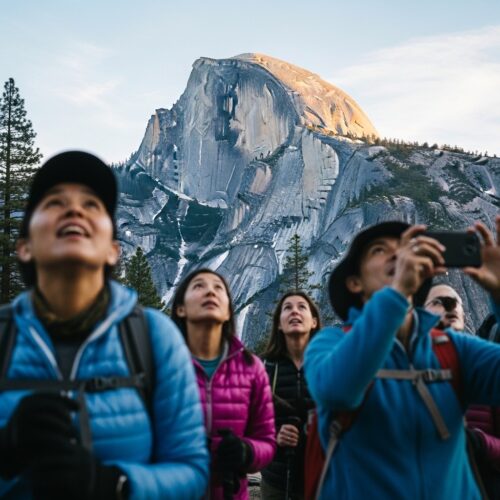
Statistics on Hiking Fatalities
Over the past decade, the number of fatalities while hiking Half Dome has raised eyebrows. On average, around 10-15 hikers die each year on the route. Most incidents occur during peak season, when the trail is crowded and conditions can be unpredictable.
Here’s a quick breakdown of the most common causes:
- Falls from the cables: Many accidents happen in the cable section, especially when wet.
- Exposure to the elements: Sudden storms can lead to dangerous conditions.
- Inexperienced hikers: Many underestimate the physical demands of the hike.
Weather-Related Risks
Weather plays a crucial role in the safety of your hike. In 2026, the risk of sudden storms is a major concern. Lightning strikes have claimed lives on the summit. If you see dark clouds forming, it’s best to turn back.
Consider these weather-related tips:
- Check forecasts: Always look up the weather before you go.
- Be prepared for rapid changes: Conditions can shift quickly in the mountains.
- Timing is everything: Start early to avoid afternoon storms.
Physical Challenges of the Hike
The hike to Half Dome isn’t for the faint of heart. It’s strenuous and requires good physical fitness. The elevation gain is over 4,800 feet, which can take a toll on your body.
Table of Contents
Here’s what to keep in mind:
- Know your limits: Be honest about your fitness level.
- Prepare for long hours on the trail: It can take 10-12 hours to complete the hike.
- Essential gear is a must: Don’t skimp on quality gear. A high-quality hydration pack is essential for staying hydrated. Check Price on Amazon.
The combination of physical demands and unpredictable weather makes this hike particularly risky, especially in 2026. Always prioritize safety and preparation to minimize risks.
The Permit Process for Half Dome
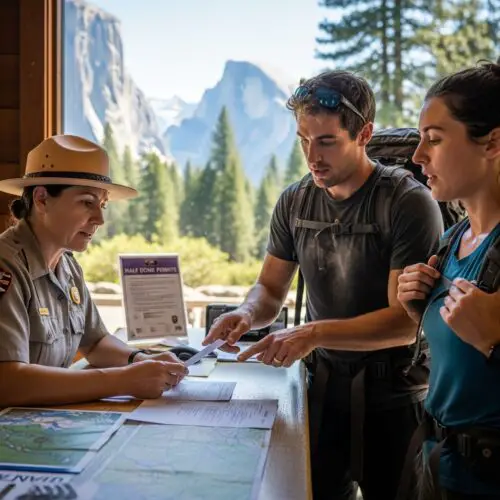
Hiking Half Dome requires a permit, and getting one can feel like navigating a maze. Don’t worry! I’ll break it down for you step-by-step.
How to Apply for a Permit
1. Check the Dates: Permits are available for the hiking season from May to October.
2. Use the Lottery System: You’ll need to enter a lottery for a day-use permit. Applications open in March. You can apply for up to 7 days.
3. Fill Out the Application: Provide your details and choose your preferred hike dates. Be flexible; it increases your chances!
4. Wait for the Results: You’ll be notified if you got a permit. If not, don’t lose hope! There are daily walk-up permits available.
Understanding the Lottery System
The lottery system is crucial for managing the crowds. Here’s how it works:
- Daily Limits: Only 300 permits are issued daily—225 for day hikers and 75 for backpackers.
- Permit Seasons: The peak season is from late May to early September. During this time, competition is fierce.
- Walk-Up Permits: If you miss the lottery, arrive early for a chance at one of the limited walk-up permits.
Costs and Fees Involved
Applying for a permit isn’t free. Here’s what you should expect:
- Application Fee: There’s usually a non-refundable fee when you apply for the lottery.
- Permit Fees: If you win the lottery, there’s an additional fee for the permit itself.
Quick Tips for Success
- Stay Updated: Check the Yosemite National Park website for any changes to permit rules.
- Plan Ahead: Apply as early as possible.
- Be Flexible: Choose multiple dates to improve your chances.
- Consider Alternatives: If you don’t get a permit, explore other beautiful hikes in Yosemite.
Remember, preparation is key! Essentials like a high-quality hydration pack will keep you going on your adventure. Check Price on Amazon.
Preparing for the Half Dome Hike

Hiking Half Dome is no walk in the park. It requires serious preparation. Here’s a checklist of gear, fitness tips, and strategies to ensure you have a safer experience.
Essential Gear for Safety
Having the right gear can make or break your hike. Here’s a list of essentials:
- High-Quality Hydration Pack: Staying hydrated is crucial. Check Price on Amazon.
- Sturdy Hiking Boots: Invest in good footwear that offers support and grip.
- First Aid Kit: Accidents can happen, so be prepared.
- Weather-Appropriate Clothing: Dress in layers. Weather can change quickly in the mountains.
- Headlamp or Flashlight: If you start early or finish late, you’ll need light.
- Trekking Poles: They can help with balance, especially on steep sections.
- Navigation Tools: A map or GPS device can keep you on track.
Fitness Preparation and Training
To tackle Half Dome, you need to be in good shape. Here are some fitness tips:
1. Start Training Early: Begin at least a few months before your hike.
2. Cardio Exercises: Running, cycling, or swimming can build your endurance.
3. Strength Training: Focus on legs and core. Squats and lunges are great.
4. Practice Hiking: Go for shorter hikes to build stamina and get used to the terrain.
5. Gradual Increase: Gradually increase the distance and elevation of your hikes.
Tips for Hiking with Inexperienced Hikers
If you’re bringing along friends or family who are new to hiking, consider these strategies:
- Set Realistic Expectations: Make sure everyone knows the hike will be challenging.
- Pace Yourself: Keep a steady pace and take breaks as needed.
- Choose Your Time Wisely: Start early in the day to avoid crowds and heat.
- Educate About Safety: Discuss the importance of staying on the trail and being cautious near edges.
- Plan for Turnarounds: Be prepared to turn back if anyone is struggling.
Remember, preparation is key! Take the time to get ready for your adventure on Half Dome.
Evaluating Alternatives to Half Dome
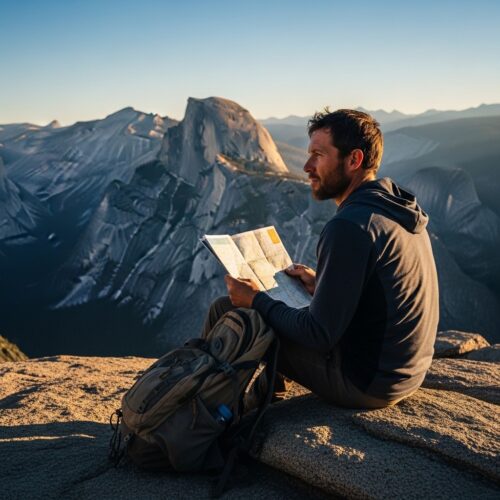
If you’re looking for stunning views and an unforgettable experience without the risks of Half Dome, there are plenty of safer hikes in Yosemite. Here are a few options that offer beautiful scenery and a more relaxed hiking atmosphere.
Top Alternative Hikes in Yosemite
1. Upper Yosemite Falls
- This trail takes you to one of the tallest waterfalls in North America. The hike is steep but manageable.
- The views are breathtaking, especially in spring when the falls are at full force.
2. Yosemite Point
- A bit less crowded, this hike offers panoramic views of the valley.
- You’ll see Half Dome from a different angle, minus the cable climb.
3. Mirror Lake
- Perfect for families or novice hikers, this trail is flat and scenic.
- The reflections on the lake provide a beautiful photo op, especially at sunrise.
Comparisons of Views and Experiences
While Half Dome is iconic, these hikes offer unique perspectives and experiences:
- Upper Yosemite Falls provides a powerful waterfall experience, while Half Dome is all about the summit.
- Yosemite Point gives a fantastic view of Half Dome but without the perilous cables.
- Mirror Lake is tranquil and accessible, making it great for a leisurely day with kids.
Why They Might Be Better Choices
These hikes reduce the risk of accidents and are more suitable for various skill levels. Consider these points:
- Safety: Fewer hazards mean more peace of mind.
- Accessibility: Family-friendly options can accommodate all ages.
- Scenery: You won’t miss out on stunning views; in many cases, you’ll find them equally impressive.
By choosing one of these alternatives, you can enjoy the beauty of Yosemite without the stress and risks associated with hiking Half Dome.
Conclusion: Is Hiking Half Dome Worth the Risk?
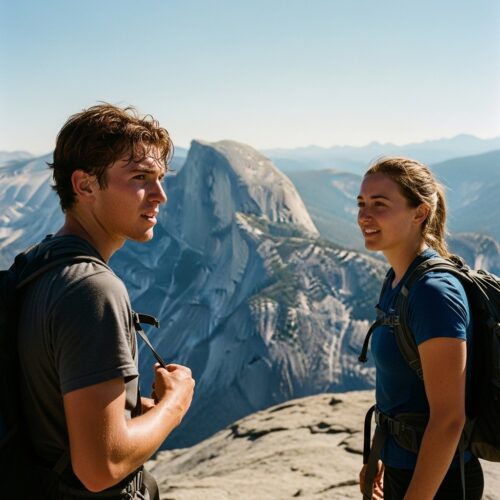
Hiking Half Dome can be an exhilarating experience, but it comes with significant risks. As we look ahead to 2026, it’s essential to weigh these dangers against the potential rewards.
Understanding the Risks
1. Fatalities and Incidents: While thousands hike Half Dome each year, the statistics show a worrying trend. Ten people have died from falls on the cables, primarily due to wet conditions or risky behavior like taking selfies too close to the edge.
2. Weather Conditions: Thunderstorms can roll in quickly, posing a serious threat. Lightning strikes have claimed lives on the summit. Always check the weather before your hike, as conditions can change drastically.
3. Permit Requirements: You’ll need a permit to hike Half Dome, especially during peak season. This adds an extra layer of planning and can limit your flexibility.
Alternative Options to Consider
If you’re unsure about the risks, consider these alternatives:
- Clouds Rest: Offers stunning views without the treacherous cable section.
- Mist Trail: A beautiful hike that’s challenging but safer for families and less experienced hikers.
Decision-Making Framework
Before you decide to hike Half Dome in 2026, ask yourself:
- Are you prepared? Ensure you have the right gear and experience for the cables.
- What’s the weather forecast? Avoid hiking during thunderstorms.
- Do you have a plan B? Know alternative hikes to pivot to if conditions aren’t ideal.
By carefully considering these factors, you can make an informed choice about whether to tackle Half Dome or seek out safer, equally breathtaking options in Yosemite.
Frequently Asked Questions
These quick answers cover the most common questions about this topic, including key details, practical tips, and common concerns.
How many hikers have fallen off Half Dome?
Over the years, there have been numerous incidents of falls on Half Dome, especially during the cable section. On average, around 10-15 hikers die each year due to falls or accidents. Most fatalities occur during wet or crowded conditions when safety is compromised. These statistics highlight the inherent risks of the hike, particularly in challenging weather.
Is hiking Half Dome worth it?
Whether hiking Half Dome is worth it depends on your experience and risk tolerance. The summit offers iconic views and a sense of achievement. However, the hike is strenuous and dangerous, especially during bad weather or if unprepared. Many experienced hikers find the risk outweighs the reward, especially in 2026 when safety concerns are heightened.
What is Yosemite’s best kept secret?
Yosemite’s best kept secret is often considered to be the less crowded trails like Clouds Rest or the Hetch Hetchy area. These spots offer stunning scenery and solitude without the dangers of Half Dome. Exploring these areas can provide a more relaxed experience while still showcasing Yosemite’s natural beauty.
Can the average person hike Half Dome?
The average person can attempt Half Dome if they are physically fit, well-prepared, and comfortable with strenuous hikes. However, the cable section requires grip strength, balance, and nerve. Inexperienced hikers or those with health issues should consider safer alternatives, as the risk of falls and injury is significant.
What are the best safety tips for hiking in Yosemite?
- Check weather forecasts before your hike and avoid storms.
- Carry proper gear, including sturdy boots, a hydration pack, and a first aid kit.
- Know your limits and turn back if conditions worsen.
- Hike with others and stay on marked trails.
- Obtain the necessary permits in advance and plan your route thoroughly.
When is the best time to hike Half Dome?
The best months to hike Half Dome are late May through early September, when the weather is generally stable. Early mornings are preferable to avoid crowds and afternoon storms. Be aware that permits are limited during peak season, so plan and apply early.
What should I bring for the Half Dome hike?
Essential items include a high-quality hydration pack, sturdy hiking boots, weather-appropriate clothing, a headlamp, trekking poles, a map or GPS, and a basic first aid kit. Proper gear helps prevent injuries and keeps you safe in unpredictable mountain conditions.
Are there age restrictions for hiking Half Dome?
There are no official age restrictions, but the hike’s difficulty makes it unsuitable for young children or very elderly individuals. Park authorities recommend that only experienced and physically prepared hikers attempt the ascent. Inexperienced or young hikers should consider safer, family-friendly alternatives.