
The Boston butt is a popular cut of pork that originates from the upper shoulder of the pig. Its name, while seemingly misleading, has historical roots tied to New England’s butchering practices. This article explores why this cut is called the Boston butt and its culinary significance.
The Historical Origins of the Boston Butt
The name “Boston butt” might sound a bit funny, but it has deep historical roots. It all ties back to colonial New England and the way pork was butchered and transported.
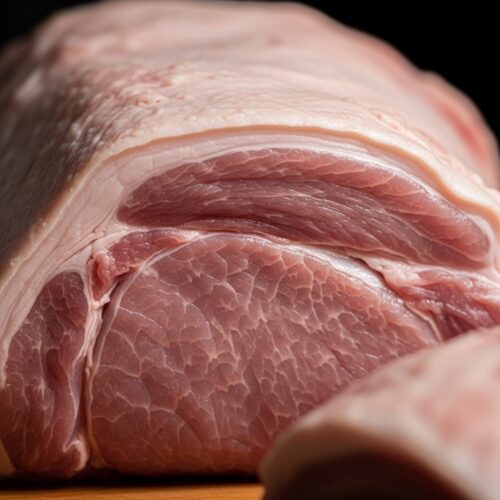
Understanding Colonial Butchering Practices
In colonial times, butchers had to be resourceful. They used every part of the pig, especially tougher cuts. The Boston butt comes from the upper shoulder, which was more compact and perfect for packing. This cut was often cooked low and slow to make it tender and flavorful.
The Role of New England in Pork Distribution
New England played a big role in the pork industry. Butchers would pack pork shoulders into large barrels called “butts.” These barrels were used for shipping pork to other regions. Since the shoulder was often sent out in these barrels, it became associated with the name “Boston butt.”
How Shipping Practices Influenced Meat Names
Shipping practices greatly impacted how cuts were named. Here’s a quick look at some interesting facts:
Table of Contents
- Barrel Shipping: The term “butt” referred to the barrels, not the pig’s rear end.
- Regional Specialties: Different areas adopted the name, leading to variations in how the cut was cooked.
- Culinary Traditions: The Boston butt became a staple in regional dishes, like pulled pork in the South.
Knowing these historical tidbits can enhance your appreciation for the Boston butt. It’s not just a name; it’s a slice of culinary history!
Anatomical Breakdown of the Boston Butt

The Boston butt is more than just a quirky name. It refers to a specific cut from the pig’s shoulder, rich in flavor and perfect for various cooking methods. Let’s dig into its anatomy!
Identifying the Boston Butt on the Pig
The Boston butt comes from the upper part of the pig’s shoulder. It’s located just behind the neck and includes a bit of the shoulder blade. Here’s a quick look at its position:
- Upper Shoulder: This is where the Boston butt is cut from.
- Shoulder Blade: Often includes a piece of the blade bone.
- Fat and Marbling: The cut has a good amount of fat, which contributes to its tenderness.
Characteristics of the Boston Butt Cut
This cut is known for its unique characteristics:
- Rich Flavor: Thanks to the fat and marbling, it’s flavorful and juicy.
- Texture: The Boston butt is tougher than lean cuts, making it ideal for slow cooking.
- Cooking Versatility: Great for braising, roasting, or smoking.
Comparing Boston Butt with Other Pork Cuts
So how does the Boston butt stack up against other cuts? Here’s a simple comparison:
| Cut Name | Location | Fat Content | Best Cooking Method |
|---|---|---|---|
| Boston Butt | Upper shoulder | High | Slow cooking, BBQ |
| Picnic Shoulder | Lower shoulder | Moderate | Braising, Roasting |
| Pork Loin | Along the back | Low | Grilling, Roasting |
| Pork Tenderloin | Near the spine | Very low | Quick cooking methods |
When choosing a cut for your next meal, consider the Boston butt for its rich flavor and ideal cooking methods. It’s a favorite for barbecues and family dinners!
Culinary Significance and Cooking Methods for Boston Butt
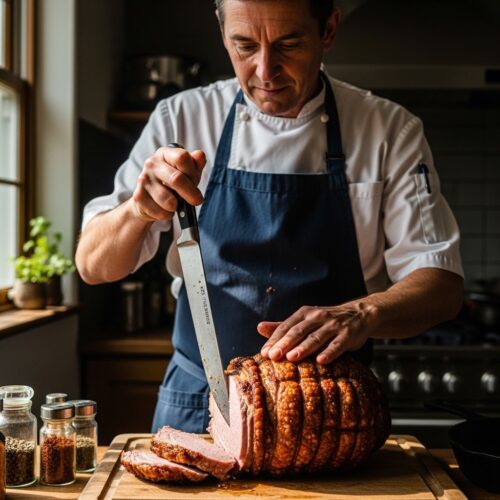
Boston butt is a star in the culinary world, especially when it comes to barbecue. Its rich flavor and tenderness make it a favorite for many cooking styles. Let’s dive into the best ways to prepare this delicious cut and its significance in various dishes.
Best Cooking Techniques for Flavor and Tenderness
When it comes to cooking Boston butt, slow and low is the way to go. Here are some popular methods that really bring out its flavor:
- Smoking: Infuses the meat with a smoky flavor. Ideal for barbecues.
- Braising: Cooks the meat in liquid, making it super tender. Perfect for stews.
- Slow-Roasting: Keeps the meat juicy and allows the fat to render down.
Each method works wonders, but smoking is often the go-to for barbecue enthusiasts. It takes longer, but the results are worth it.
Popular Recipes Featuring Boston Butt
Boston butt shines in many traditional recipes. Here are a few favorites to try:
- Pulled Pork: Slow-cooked and shredded, this dish is perfect for sandwiches.
- Boston Butt Stew: A hearty option, great for chilly nights.
- Barbecue Pork Tacos: A fun twist for taco night, topped with fresh slaw.
These dishes highlight the versatility of Boston butt. You can serve it at family dinners or backyard cookouts, and it never disappoints.
When to Use Boston Butt in Your Cooking
Boston butt is perfect for a variety of occasions. Here are some scenarios where this cut truly shines:
- Barbecues: The go-to choice for grilling and smoking.
- Family Gatherings: A crowd-pleaser that can feed a lot of people.
- Comfort Food Nights: Ideal for hearty meals like stews or pulled pork sandwiches.
When planning your next meal, consider Boston butt for its depth of flavor and ability to please a crowd. It’s a cut that brings people together!
Comparing Boston Butt with Other Pork Cuts
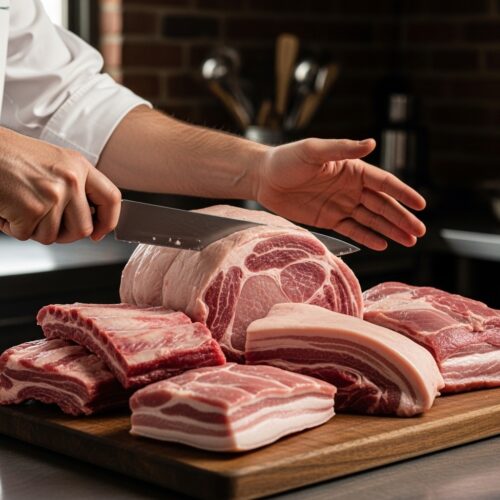
Boston butt is a popular cut of pork, but how does it stack up against other options like picnic shoulder? Let’s break it down!
Boston Butt vs. Picnic Shoulder: Key Differences
Both cuts come from the shoulder area of the pig, but they have distinct differences.
| Feature | Boston Butt | Picnic Shoulder |
|---|---|---|
| Location | Upper part of the shoulder | Lower part of the shoulder |
| Fat Content | Higher fat content (more marbling) | Leaner, less fat |
| Texture | Tender and juicy | Firmer, can dry out more easily |
| Best Cooking Method | Slow-cooking, braising, smoking | Grilling, pan-frying |
| Flavor Profile | Rich, beef-like flavor | Mild, slightly more porky flavor |
Other Alternatives to Boston Butt for Pulled Pork
If you’re looking for alternatives to Boston butt for your pulled pork needs, consider these options:
- Pork Loin: Leaner and can be dry; best for quick cooking.
- Pork Shoulder Roast: Similar to Boston butt but can be less marbled.
- Pork Neck: Rich flavor, but requires longer cooking for tenderness.
Flavor Profiles: What to Expect from Each Cut
- Boston Butt: Expect a robust, juicy flavor perfect for barbecues and comfort food. Great for recipes that require long cooking times, like pulled pork.
- Picnic Shoulder: Slightly milder and can be more prone to drying out. Ideal for quicker cooking methods where you want a pork flavor without the richness.
When choosing a cut, think about your cooking method and the flavor you’re after. Boston butt is great for low and slow cooking, while picnic shoulder is better for grilling or quick meals. Each has its place in the kitchen, so pick what suits your recipe best!
Frequently Asked Questions
These quick answers cover the most common questions about this topic, including key details, practical tips, and common concerns.
Why Are There Cuts of Pork Called Boston Butt?
The name “Boston butt” originates from colonial New England’s butchering and shipping practices. Butchers packed pork shoulder cuts into large barrels called “butts” for transport. These barrels were shipped from Boston, and the name stuck. Despite the misleading name, it has nothing to do with the pig’s rear end. It’s a historical term linked to shipping methods and regional butchering traditions.
How is Boston butt used in cooking?
Boston butt is ideal for slow cooking methods like smoking, braising, or roasting. Its marbling and fat content make it perfect for pulled pork, stews, and barbecue dishes. It benefits from low and slow heat to break down connective tissues and develop tender, flavorful meat. It’s a versatile cut that can be shredded, sliced, or diced depending on the recipe.
When should I use Boston butt in recipes?
Use Boston butt when you want tender, flavorful pork that benefits from slow cooking. It’s perfect for pulled pork sandwiches, barbecue, and hearty stews. It’s best for dishes that require several hours of cooking to melt the fat and connective tissues, resulting in juicy, shreddable meat.
What are common mistakes when cooking Boston butt?
One common mistake is cooking it too quickly at high heat, which can dry out the meat. Another is not trimming excess fat, which can result in greasy dishes. Also, failing to cook it long enough can leave the meat tough. Using a meat thermometer and slow cooking at low temperatures helps prevent these issues.
How does Boston butt compare to picnic shoulder?
Boston butt comes from the upper shoulder, has more marbling, and is better suited for slow cooking and smoking. Picnic shoulder is from the lower shoulder, leaner, and often used for roasting or grilling. Boston butt tends to be more tender and flavorful for pulled pork, while picnic shoulder can be a good substitute but may require different cooking times.
Can I substitute Boston butt with other pork cuts?
Yes, but with some adjustments. Pork shoulder roast or picnic shoulder can substitute in many recipes, especially for slow-cooked dishes. However, these cuts may vary in fat content and tenderness, so cooking times and methods might need tweaking. For quick recipes, leaner cuts like pork loin are less suitable.
What is the best cut of pork to buy for pulled pork?
The best cut for pulled pork is the Boston butt because of its marbling and connective tissue, which break down during slow cooking. It yields tender, juicy shredded meat ideal for sandwiches and tacos. Look for well-marbled pieces with a good amount of fat for the best flavor and texture.
Why is pork called Boston butt?
The term comes from the practice of packing pork shoulder into barrels called “butts” for shipping from Boston during colonial times. The name reflects the shipping method and regional history, not the pig’s anatomy. It’s a historic term that has persisted into modern butchering and cooking.