
Tough and chewy steak can ruin a meal, but understanding the reasons behind this issue can help you achieve perfectly tender results. In this guide, we’ll explore eight common reasons why your steak may be tough and offer practical solutions to ensure a juicy, flavorful experience.
The Quality of the Meat: Why It Matters
The quality of the meat plays a huge role in how tender your steak will be. Factors like the breed of the animal and whether it was grain or grass-fed can make a significant difference. Let’s dive into these aspects!
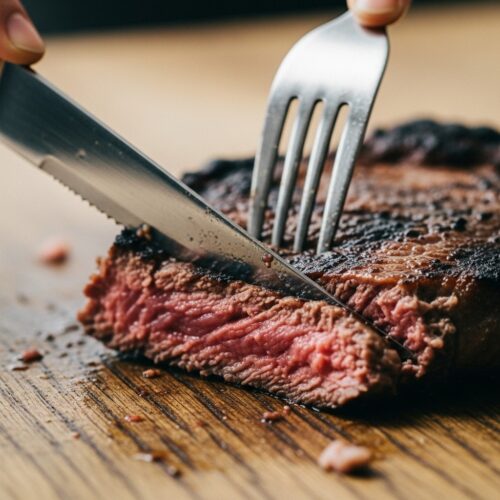
Understanding Beef Grades
Beef is graded based on its quality, which affects tenderness. Here’s a quick breakdown:
- Prime: The best grade, high marbling, super tender.
- Choice: Still good quality, but less marbling than Prime.
- Select: Leaner, less marbling, can be tougher if overcooked.
When choosing steak, aiming for Prime or Choice grades usually means a more tender bite. Look for marbling—those white streaks of fat. They melt during cooking, making the meat juicy.
Importance of Marbling
Marbling isn’t just for looks. It’s a key player in tenderness. More marbling means more fat, which helps keep the meat moist and flavorful. Here’s how marbling stacks up:
Table of Contents
- High Marbling: Ribeye, Filet Mignon – tender and full of flavor.
- Moderate Marbling: Sirloin, Flank – can be good but may need careful cooking.
- Low Marbling: Round steak, Skirt steak – often tougher; best for marinades or slow cooking.
If you want a melt-in-your-mouth experience, go for cuts with higher marbling.
Influence of Animal Age
The age of the animal impacts meat quality too. Younger animals typically yield more tender meat. Here’s a quick guide:
- Young Cattle (under 30 months): Tender, flavorful cuts.
- Older Cattle: More connective tissue and tougher meat.
For instance, a steak from a young grain-fed cow will likely be more tender than one from an older grass-fed cow.
Remember, your cooking method also matters! Use a Meat Thermometer for Perfect Cooking to ensure you don’t overcook those precious steaks.
Choosing the Right Cut of Steak
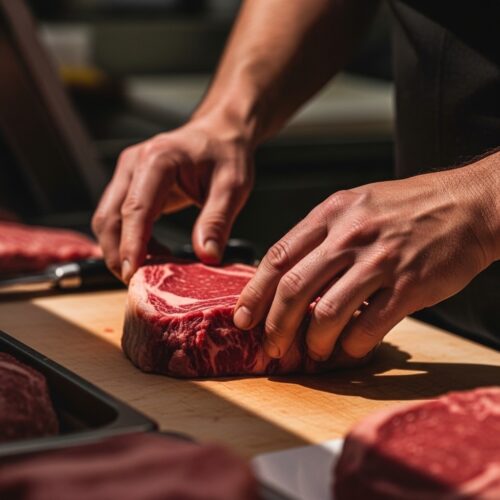
Selecting the right cut of steak is crucial for achieving a tender, juicy bite. Not all cuts are created equal, and some are naturally tougher than others. Here’s how to navigate the world of steak cuts to avoid chewiness.
Tender Cuts vs. Tough Cuts
Different cuts of beef have varying tenderness levels. Here’s a quick comparison of tender and tough cuts:
| Tender Cuts | Tough Cuts |
|---|---|
| Ribeye | Flank Steak |
| Filet Mignon | Skirt Steak |
| New York Strip | Chuck Steak |
| Porterhouse | Round Steak |
| Sirloin | Brisket |
Tender cuts are usually well-marbled, meaning they have fat running through them. This fat melts during cooking, making the meat juicy and flavorful. On the other hand, tough cuts have more connective tissue and require special cooking techniques to tenderize.
What to Avoid When Selecting Steak
When choosing a steak, keep these tips in mind to steer clear of tough options:
- High Connective Tissue: Avoid cuts like chuck or round if you’re looking for tenderness.
- Low Marbling: Don’t pick cuts with little fat. They can end up dry and chewy.
- Thickness: Thin cuts can cook too quickly, leading to a rubbery texture. Aim for at least an inch thick for better results.
Recommended Cuts for Juiciness
For a juicy steak experience, opt for these recommended cuts:
- Ribeye: Known for its rich flavor and tenderness due to marbling.
- Filet Mignon: The most tender cut, buttery and melt-in-your-mouth.
- New York Strip: A great balance of flavor and tenderness.
- Sirloin: A more affordable option that still offers good tenderness.
By understanding the differences in cuts, you can choose one that suits your taste and cooking method. Remember, a good steak deserves proper cooking, so don’t forget to use a Meat Thermometer for Perfect Cooking to hit the ideal temperature.
Cooking Techniques That Impact Tenderness
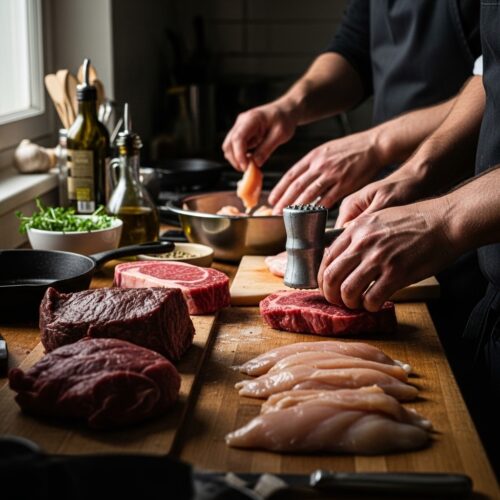
Cooking techniques play a huge role in the tenderness of your steak. If you’re wondering why your steak turns out tough and chewy, it might be time to examine how you’re cooking it.
Understanding Cooking Temperatures
The internal temperature of your steak is crucial. Cooking it too much makes the proteins tighten up, leading to a tough texture. Here’s a quick reference for cooking temperatures:
| Doneness Level | Internal Temperature |
|---|---|
| Rare | 120°F – 125°F |
| Medium Rare | 130°F – 135°F |
| Medium | 140°F – 145°F |
| Medium Well | 150°F – 155°F |
| Well Done | 160°F and above |
Using a meat thermometer is a smart way to avoid overcooking. It helps you hit that perfect doneness without the guesswork. Check Price on Amazon.
Methods to Cook Steak for Tenderness
Different cooking methods can make or break your steak. Here are some popular techniques, along with their impact on tenderness:
- Grilling: Great for flavor but can be tricky. You have to watch the heat closely; too much can lead to a dry steak.
- Braising: Perfect for tougher cuts. Low heat and moisture break down connective tissues, making the meat tender.
- Sous Vide: A fancy method but worth it! It cooks steak evenly and can help retain moisture.
- Pan-Sealing: This technique creates a nice crust while keeping the inside juicy. Just don’t overdo it!
The Role of Heat in Meat Texture
Heat affects steak texture significantly. Here’s what happens:
- High Heat: It can create a nice sear but may also cause the steak to cook unevenly, leading to toughness.
- Low Heat: This is your friend! It allows the meat to cook slowly, breaking down fibers without drying them out.
Common Mistakes to Avoid:
- Skipping the Resting Phase: Always let your steak rest after cooking. This helps redistribute the juices.
- Slicing Against the Grain: Cutting with the grain can make the meat feel chewier. Always slice against the grain for tenderness.
By understanding these cooking techniques and their impact on tenderness, you can turn that tough steak into a delicious meal!
The Importance of Resting Your Steak
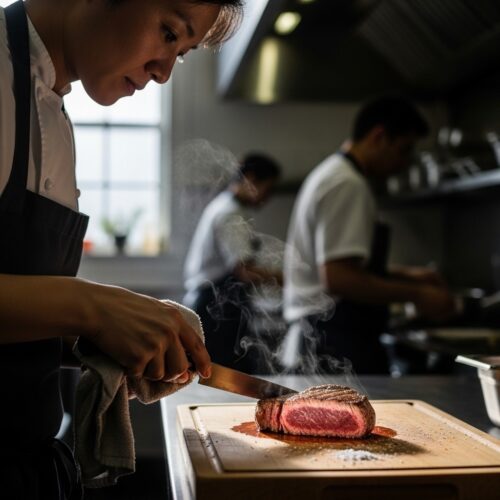
Resting your steak after cooking is a game-changer. It’s all about keeping that juicy goodness locked in. Let’s dive into why this step is crucial for tenderness.
How Resting Affects Juiciness
When you cook steak, the heat pushes the juices toward the surface. If you slice it right away, those juices escape, leaving you with a dry piece of meat. Resting allows the juices to redistribute throughout the steak, making every bite more tender and flavorful.
Timing for Optimal Resting
The thickness and cut of your steak matter when it comes to resting time. Here’s a simple guide:
- Thin Cuts (like flank or skirt steak): 5 minutes
- Medium Cuts (like sirloin or ribeye): 10 minutes
- Thick Cuts (like T-bone or porterhouse): 15-20 minutes
This gives your steak the best chance to retain its moisture.
Common Mistakes in Resting Steak
Avoid these common pitfalls to maximize tenderness:
- Not Resting Enough: Always give it at least a few minutes.
- Covering Too Tightly: Loosely tent with foil. This keeps it warm without steaming it.
- Cutting Too Soon: Patience is key! Wait for the juices to settle.
By mastering the art of resting your steak, you can elevate your dining experience from tough and chewy to melt-in-your-mouth delicious!
Slicing Techniques for Maximum Tenderness
How you slice your steak can make a big difference in its texture. Slicing against the grain can turn a tough cut into something tender and delicious. Let’s dig into the right techniques!
Why Slice Against the Grain?
Slicing against the grain means cutting across the muscle fibers. This is important because long fibers can be tough. When you cut against them, you shorten those fibers, making each bite easier to chew.
Here’s a simple rule: Always look for the lines in the meat. Those are the muscle fibers. Turn your steak so that your knife crosses those lines.
Tools for Perfect Slicing
The right tools can help you achieve the best results. Here’s what you need:
- Sharp Knife: A sharp knife makes clean cuts, which helps with tenderness.
- Cutting Board: Use a stable board to keep your steak steady.
- Meat Fork: This can help hold the steak in place while slicing.
Common Slicing Mistakes
Avoid these pitfalls to ensure your steak is tender:
- Slicing with the Grain: This leaves long fibers intact, making the steak chewy.
- Cutting Too Thick: Thin, even slices are key. Aim for about half an inch.
- Not Using a Sharp Knife: Dull knives can tear the meat, ruining its texture.
By following these slicing techniques, you can greatly improve the tenderness of your steak. Experiment with different cuts and see how slicing makes a difference in your meals!
The Role of Marinades and Tenderizers
Marinades and tenderizers can work wonders on tough steak. They help break down fibers and enhance flavor, making your meal more enjoyable.
Best Ingredients for Marinades
A great marinade has a mix of acid, oil, and spices. Here are some key ingredients to consider:
- Acid: Vinegar, lemon juice, or wine can help tenderize the meat.
- Oil: Olive oil not only adds flavor but also helps to moisten the steak.
- Spices: Garlic, herbs, and pepper enhance the taste.
Example Marinade Recipe:
- 1/4 cup olive oil
- 1/4 cup balsamic vinegar
- 2 tablespoons soy sauce
- 2 cloves minced garlic
- 1 teaspoon black pepper
Mix these ingredients and let your steak soak for at least 30 minutes. For tougher cuts, aim for 4-6 hours.
How to Use Tenderizers Properly
Commercial tenderizers contain enzymes that break down protein. Here’s how to use them effectively:
1. Choose Wisely: Look for tenderizers with natural ingredients like papain or bromelain.
2. Follow Instructions: Apply according to package directions. Overdoing it can turn your steak mushy.
3. Combine with Marinades: Mix tenderizers with your marinade for better results.
Timing for Marination
Timing is crucial when marinating. Here’s a quick guide:
- 30 minutes: Best for lean cuts like sirloin.
- 1-2 hours: Ideal for medium cuts like ribeye.
- 4-6 hours: Recommended for tougher cuts like flank or skirt steak.
Remember, longer isn’t always better. Too much time in a marinade can create a mushy texture.
By using these methods, you can transform a tough steak into a tender, flavorful delight!
Common Mistakes That Lead to Tough Steak
Getting a tender steak can be tricky. A few common mistakes often lead to a tough and chewy experience. Let’s dive into what you might be doing wrong.
Overcooking and Its Consequences
One of the biggest culprits is overcooking. When you cook steak too long, the proteins tighten up. This makes the steak dry and rubbery. Aim for the right doneness. Use a meat thermometer to help you out. Here’s a quick guide:
- Rare: 125°F
- Medium Rare: 135°F
- Medium: 145°F
- Medium Well: 150°F
- Well Done: 160°F+
Cooking steak past its ideal temperature can ruin it.
Incorrect Cut Selection
Not all cuts are created equal. Choosing the wrong cut can lead to a tough steak. Some cuts, like flank or skirt steak, are naturally tougher. They need special cooking methods. If you want tender bites, go for cuts like ribeye or filet mignon. Remember, each cut has its cooking method.
Best vs. Worst Cuts for Tenderness
| Cut | Tenderness | Cooking Method |
|---|---|---|
| Ribeye | Very Tender | High-heat, quick cook |
| Filet Mignon | Extremely Tender | Sear, then finish in oven |
| Flank Steak | Tough | Marinate and grill/slow cook |
| Skirt Steak | Tough | Marinate and grill/slow cook |
Poor Storage Practices
How you store your steak matters too. If not stored right, it can become tough. Always keep steak in the coldest part of your fridge. Wrap it well to keep moisture in. Freezing is an option, but remember to thaw gently. Quick thawing can make it tough.
Slicing Technique
How you slice your steak can make a big difference. Always cut against the grain. This shortens the muscle fibers, making each bite tender. If you slice with the grain, you end up with long, chewy pieces. Trust me, your teeth will thank you!
By avoiding these common pitfalls, you can elevate your steak game and enjoy a much more tender meal.
Conclusion: Achieving the Perfect Steak
Now that you know why your steak might be tough and chewy, it’s time to put that knowledge to good use! Let’s recap the essentials and get you on the path to steak perfection.
Key Points on Steak Tenderness
1. Choose the Right Cut: Lean cuts like filet mignon are tender, while tougher cuts like flank steak need special care.
2. Master Cooking Techniques: Use methods like grilling, pan-searing, or braising. Each method has its own magic for keeping steak juicy.
3. Slicing Matters: Always cut against the grain. This shortens muscle fibers and enhances tenderness.
4. Understand Marbling: More fat marbling usually means a more tender steak. Look for cuts with good intermuscular fat.
5. Let It Rest: Allow your steak to rest after cooking. This helps redistribute juices, ensuring every bite is juicy.
6. Age of the Animal: Generally, older animals yield tougher meat. Opt for younger beef for a more tender experience.
7. Proper Storage: Store steak in the coldest part of the fridge. Keep it well-wrapped to retain moisture.
8. Experiment with Tenderizers: Try marinades or mechanical tenderizers. They can make a big difference in texture.
Quick Checklist for Tender Steak
- [ ] Choose the right cut (e.g., ribeye for tenderness).
- [ ] Use effective cooking techniques (grill or sous vide).
- [ ] Slice against the grain.
- [ ] Look for good marbling.
- [ ] Let it rest for 5-10 minutes.
- [ ] Store properly in the fridge.
- [ ] Experiment with marinades.
With these tips in your back pocket, don’t shy away from experimenting in the kitchen! Perfecting your steak is all about practice. Happy cooking!
Frequently Asked Questions
These quick answers cover the most common questions about this topic, including key details, practical tips, and common concerns.
Why is my steak so chewy and hard?
A steak becomes chewy and hard mainly due to overcooking, selecting a tough cut, or slicing it improperly. Overcooking causes proteins to tighten, squeezing out moisture and making the meat tough. Using the wrong cut with low marbling or slicing with the grain can also contribute to chewiness.
What is the 3-3-3 rule for steak?
The 3-3-3 rule suggests resting your steak for about 3 minutes per inch of thickness after cooking, for every 3 minutes of resting time. This allows juices to redistribute evenly throughout the meat, resulting in a juicier, more tender steak.
What is a poor man’s ribeye called?
A common alternative to ribeye is a Chuck Eye Steak. It is often called the “poor man’s ribeye” because it comes from a similar area of the animal but is usually more affordable. It has good marbling and tenderness when cooked properly.
How to fix overcooked chewy steak?
If your steak is overcooked and chewy, try slicing it thinly against the grain. You can also reheat it gently in a sauce or broth to add moisture. For future, use a meat thermometer to avoid overcooking and consider marinating tougher cuts to improve tenderness.
Can marinating help tenderize tough steak?
Yes, marinating can help tenderize tough cuts. Acidic ingredients like vinegar or citrus break down muscle fibers, making the meat softer. Marinate for at least 30 minutes, or up to several hours for tougher cuts, to see noticeable improvement.
What are the best cuts of steak for grilling?
The best cuts for grilling are those with good marbling and tenderness, such as ribeye, New York strip, filet mignon, and sirloin. These cuts respond well to high heat and quick cooking, resulting in juicy, flavorful steaks.
How does aging affect steak tenderness?
Aging, especially dry aging, allows natural enzymes to break down muscle fibers, increasing tenderness and flavor. Wet aging in vacuum-sealed bags also improves tenderness but to a lesser extent. Generally, older meat tends to be tougher unless properly aged.
What should I know about slicing against the grain?
Slicing against the grain means cutting perpendicular to the muscle fibers. This technique shortens the fibers, making each bite easier to chew. Always look for the lines in the meat and cut across them for maximum tenderness.
How to properly tenderize tough steak?
Tenderize tough steak by marinating it with acids or enzymatic tenderizers, pounding it with a meat mallet, or slow-cooking tougher cuts. These methods help break down connective tissue and muscle fibers, resulting in a more tender piece of meat.