
Chipmunks can bite if they feel threatened, but such occurrences are rare. Understanding the behavior of chipmunks and knowing how to stay safe around them is crucial for both humans and these adorable creatures. This guide explores the risks, first aid steps, and preventive measures to take.
Understanding Chipmunk Behavior and Bites
Chipmunks are generally friendly little creatures. However, they can bite if they feel scared or threatened. Let’s dive into why these bites happen and what you should watch for.
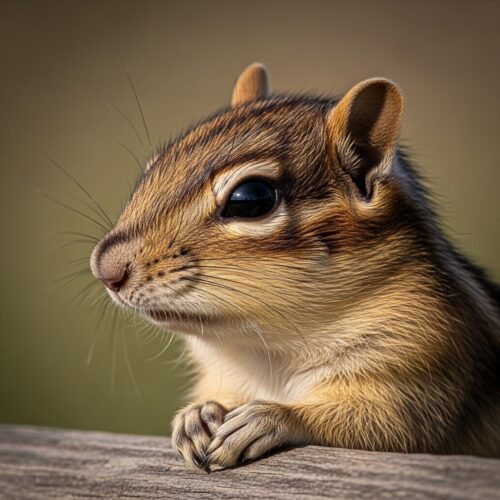
Why Do Chipmunks Bite?
Chipmunks are not aggressive animals. They prefer to run away when they sense danger. But there are a few situations where they might resort to biting:
- Feeling Cornered: If they can’t escape, they may bite in self-defense.
- Direct Handling: Trying to pick them up or getting too close can provoke a bite.
- Feeding Situations: If you feed them by hand, they might mistakenly think your fingers are food.
Signs a Chipmunk May Bite
It’s essential to read chipmunk body language. Here are some signs that a chipmunk might bite:
- Chirping or Chattering: These sounds can signal distress.
- Stiff Body Posture: If a chipmunk stands still and looks tense, it may feel threatened.
- Tail Position: A raised tail usually indicates excitement, while a lowered tail can mean fear.
Common Scenarios for Chipmunk Bites
Understanding how bites usually happen can help you avoid them. Here are some common scenarios:
1. Feeding Attempts: Many people love to feed chipmunks. If you try to hand-feed them and they feel threatened, they might bite.
2. Close Encounters: Walking too closely or startling a chipmunk can lead to an unexpected bite.
Table of Contents
3. Pet Interactions: If you have pets that are curious about chipmunks, they may inadvertently provoke a defensive bite.
By being aware of these behaviors and situations, you can enjoy observing chipmunks while keeping yourself safe.
Health Risks Associated with Chipmunk Bites
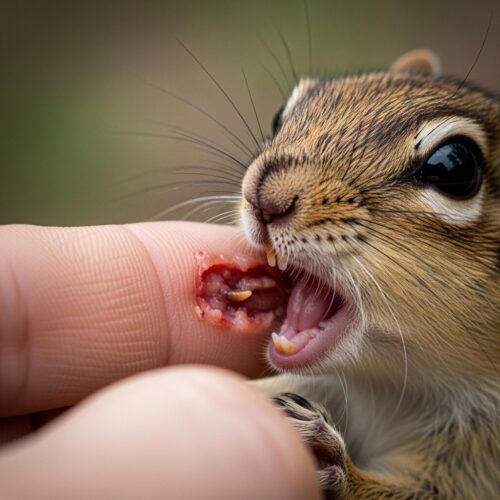
Chipmunks are cute, but they can bite if they feel threatened. While bites are rare, it’s important to understand the potential health risks involved.
Infection Risks from Chipmunk Bites
If a chipmunk bites you, there’s a chance of infection. Even small bites can lead to complications. Here’s what you should know:
- Types of Injuries: Chipmunk bites can vary from minor scratches to deeper punctures.
- Symptoms of Infection: Watch for redness, swelling, or discharge around the bite area. Fever can also be a sign.
- First Aid Steps: Clean the wound immediately with soap and water. Apply an antiseptic and cover it with a bandage. Seek medical attention if symptoms worsen.
Diseases Carried by Chipmunks
Chipmunks can carry certain diseases, although the risk is low. Here are a few to be aware of:
- Bacterial Infections: Chipmunks can transmit bacteria through their bites, leading to infections.
- Hantavirus: This virus is rare but can be spread through contact with chipmunk droppings or urine.
- Bartonella: This bacteria can cause symptoms similar to flu. It spreads through bites or scratches.
Rabies: A Rare Concern
Rabies is a serious disease, but it’s important to note that it’s extremely rare in chipmunks. Here’s what you need to know:
- Rabies Transmission: While chipmunks can carry rabies, bites from these rodents seldom transmit the virus. It’s more common in larger mammals like bats and raccoons.
- Vaccination Status: Most wildlife, including chipmunks, are not vaccinated. However, rabies in chipmunks is uncommon, with only a few reported cases.
- When to Seek Help: If bitten, inform your healthcare provider about the incident. They’ll assess your risk and determine if rabies vaccination is necessary.
Understanding these health risks helps you stay safe when enjoying the company of chipmunks. Always take precautions and be aware of your surroundings!
First Aid Steps After a Chipmunk Bite
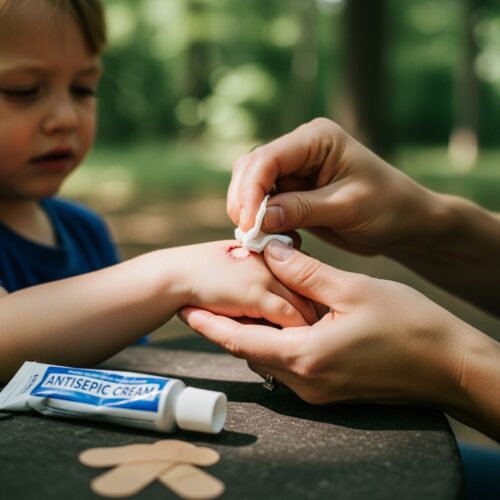
If you get bitten by a chipmunk, don’t panic. While bites are rare and usually not severe, it’s crucial to act quickly to prevent infection. Here’s what you need to do.
Immediate Actions to Take
1. Wash the Wound:
- Rinse the bite area with warm water and soap for at least 10-15 minutes.
- This helps flush out bacteria and reduces the risk of infection.
2. Disinfect:
- Apply an antiseptic solution, like iodine or rubbing alcohol.
- This step is vital to kill any lingering germs.
3. Cover Up:
- Use a clean, sterile bandage to cover the wound.
- Keeping it protected helps it heal and prevents dirt from entering.
Monitoring for Infection
Keep an eye on the bite for the next few days. Look out for signs of infection, which can include:
- Redness or swelling around the wound
- Increased pain or tenderness
- Oozing or pus
- Fever or chills
If you notice any of these symptoms, it’s time to seek medical help.
When to Seek Medical Attention
You should see a healthcare provider if:
- The bite is deep or bleeding heavily.
- You experience signs of infection.
- You haven’t had a tetanus shot in over five years.
Checklist for First Aid After a Chipmunk Bite:
| Step | Action |
|---|---|
| 1. Wash | Rinse with warm water and soap (10-15 min) |
| 2. Disinfect | Apply antiseptic solution |
| 3. Cover | Use a clean, sterile bandage |
| 4. Monitor for symptoms | Watch for signs of infection |
| 5. Seek medical help | If deep bite, heavy bleeding, or infection |
Remember, staying calm and following these steps can help you manage a chipmunk bite effectively!
Preventive Measures to Avoid Chipmunk Bites
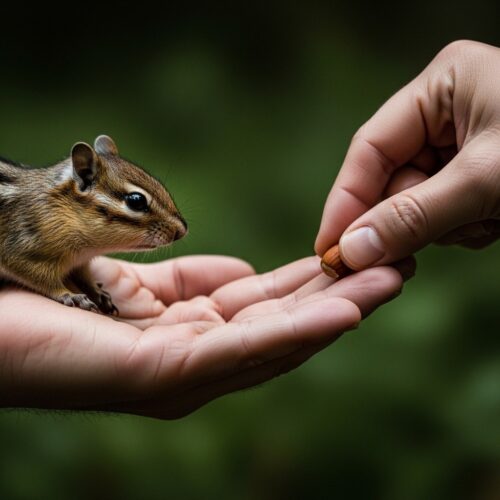
Staying safe around chipmunks is all about being smart and cautious. Here are some practical tips to minimize your chances of a bite.
Securing Your Outdoor Space
Creating a chipmunk-free zone around your home is a great start. Here’s how:
- Secure Trash: Use tight-fitting lids on trash cans. Chipmunks love to forage for food scraps.
- Seal Entry Points: Check your home for small cracks or gaps. Seal them to prevent chipmunks from nesting indoors.
- Use Barriers: Install wire mesh around gardens or vulnerable areas. This keeps chipmunks out while still letting you enjoy your outdoor space.
Safe Practices Around Chipmunks
If you encounter a chipmunk, keep these practices in mind:
- Observe from a Distance: Enjoy watching chipmunks without getting too close. They can bite if they feel threatened.
- Don’t Feed Them: Avoid feeding chipmunks. This encourages them to approach humans and increases the risk of bites.
- Watch Your Pets: Supervise pets outdoors. Keep them on a leash to prevent unwanted interactions with wildlife.
What to Avoid Doing
Some actions can put you at risk. Here’s what to steer clear of:
- Handling Chipmunks: Never try to pick up or handle wild chipmunks. They are not pets and can bite when scared.
- Ignoring Health Risks: Be aware that chipmunks can carry ticks. Always check yourself for ticks after being outside, especially in wooded areas.
- Feeding Pets Outdoors: If you feed your pets outside, clean up any leftover food promptly. This can attract chipmunks and other wildlife.
By following these simple steps, you can enjoy nature while keeping yourself safe from chipmunks and their bites.
Common Misconceptions About Chipmunks and Bites
Many people have misconceptions about chipmunks. They often think these cute critters are harmless. However, understanding their behavior can help keep you safe.
Do Chipmunks Actually Seek Human Interaction?
Contrary to popular belief, chipmunks do not actively seek out humans. They are shy animals. Chipmunks prefer to keep their distance. When approached, they may feel threatened and could bite. This reaction is defensive, not aggressive.
- Signs of Fear: If a chipmunk is cornered or feels trapped, it may resort to biting as a means of escape.
- Avoid Hand-Feeding: Trying to feed chipmunks by hand can increase the likelihood of bites. They may not trust you, leading to an unexpected nip.
The Truth About Rabies Risk
The fear of rabies often comes up when discussing animal bites. While rabies is a serious concern with some wildlife, chipmunks are not common carriers of this virus.
- Low Risk: Chipmunks rarely transmit rabies to humans. They are not a primary vector like bats or raccoons.
- Awareness is Key: Even though rabies is unlikely, it’s still wise to avoid any wild animal bites. Always take precautions when interacting with wildlife.
Chipmunks vs. Other Rodents: A Comparison
When considering bites, it’s helpful to look at how chipmunks compare to other rodents.
- Chipmunks vs. Squirrels: Squirrels are more likely to bite than chipmunks. They can be more aggressive, especially if they feel their territory is threatened.
- Chipmunks vs. Rats: Rats are known carriers of diseases and can be more aggressive than chipmunks. They pose a higher health risk in urban areas.
| Rodent Type | Bite Risk | Disease Carrier |
|---|---|---|
| Chipmunks | Low | Low |
| Squirrels | Moderate | Moderate |
| Rats | High | High |
Understanding these differences can help you navigate encounters with chipmunks safely. Remember, a little knowledge goes a long way in wildlife interactions!
Frequently Asked Questions
These quick answers cover the most common questions about this topic, including key details, practical tips, and common concerns.
Should I be worried if a chipmunk bites me?
While chipmunks are generally not aggressive, a bite can still pose health risks. Most bites are minor, but they can lead to infections or transmit bacteria. It’s important to clean the wound immediately and monitor for signs of infection. Seek medical attention if the bite is deep, bleeding heavily, or if symptoms worsen.
What smell do chipmunks hate the most?
Chipmunks dislike strong, pungent smells such as peppermint oil, garlic, and cayenne pepper. Using these scents around your home or garden can help deter them. Reapplying essential oils regularly enhances effectiveness. However, these methods are preventive and don’t guarantee complete exclusion.
How to get rid of chipmunks quickly?
To quickly reduce chipmunk presence, use humane traps baited with nuts or seeds. Seal entry points around your property, remove food sources, and clear brush or debris where they nest. Combining these steps with natural repellents can speed up the process, but patience is often needed for complete removal.
What are the odds of a chipmunk having rabies?
The risk of a chipmunk carrying rabies is extremely low. Rabies is more common in bats, raccoons, and skunks. There have been very few reported cases in chipmunks. Nonetheless, any bite from a wild animal warrants medical evaluation to assess rabies exposure risk.
What should I do if a chipmunk bites my pet?
If your pet is bitten, clean the wound with soap and water immediately. Contact your veterinarian to evaluate the bite and discuss whether antibiotics or a rabies booster shot are necessary. Keep your pet calm and prevent it from scratching or licking the wound until checked.
Can chipmunks transmit diseases other than rabies?
Yes, chipmunks can carry other diseases such as leptospirosis, tularemia, and bacterial infections. They can transmit these through bites, scratches, or contact with droppings and urine. Proper hygiene and avoiding direct contact reduce the risk of disease transmission.
How can I safely observe chipmunks in the wild?
Observe chipmunks from a distance using binoculars or cameras. Avoid approaching or handling them. Never feed wild chipmunks directly, as this can encourage risky interactions. Respect their space and enjoy watching their natural behaviors without disturbing them.
What are the signs of infection after a chipmunk bite?
Signs include redness, swelling, warmth, pain, or pus at the bite site. Fever, chills, and swollen lymph nodes can also indicate infection. If symptoms develop or worsen, seek medical care promptly for diagnosis and treatment.