
Bleeding heart vine, scientifically known as Clerodendrum thomsoniae, is a tropical climbing plant cherished for its unique heart-shaped flowers [1]. This guide covers everything you need to know about growing, caring for, and troubleshooting this beautiful vine.
Understanding Bleeding Heart Vine
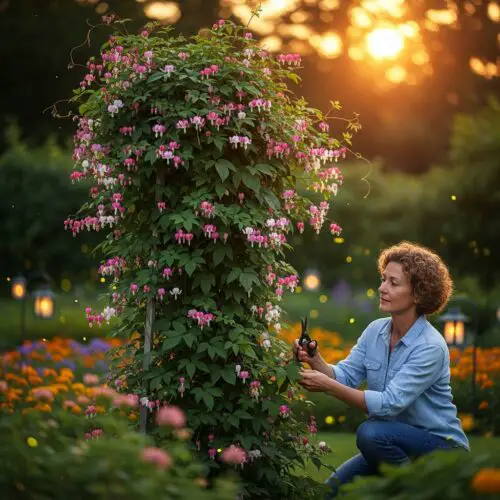
Bleeding heart vine, or Clerodendrum thomsoniae, captivates gardeners with its stunning heart-shaped flowers and lush foliage. This tropical climbing plant offers unique characteristics and a rich history, making it a favorite among plant enthusiasts.
Scientific Classification
Bleeding heart vine belongs to the mint family, Lamiaceae. Its scientific name, Clerodendrum thomsoniae, reflects its classification within the Clerodendrum genus. This plant is often confused with the perennial bleeding heart (Lamprocapnos spectabilis), but they are entirely different species. Understanding this classification can help you better appreciate its distinct features and care needs.
Unique Features
The bleeding heart vine is notable for its showy, bi-colored flowers. These flowers are typically red with white accents, resembling hearts, which contribute to its common name. The plant also boasts glossy, dark-green, oval leaves that can grow up to 5 inches long.
Table of Contents
- Growth Habit: As a climbing vine, it can reach lengths of up to 15 feet (4.5 m) when supported adequately.
- Non-Invasiveness: Unlike some of its counterparts, Clerodendrum thomsoniae is well-behaved and non-aggressive, making it a suitable choice for various garden settings.
These features not only enhance its ornamental value but also provide a stunning focal point in any landscape or indoor setting.
Native Habitat
Originating from western Africa, the bleeding heart vine thrives in tropical climates. It prefers warm conditions and can be grown outdoors in USDA zones 9-11. In cooler regions, this vine can be cultivated as an annual or brought indoors during the winter months to protect it from frost. Understanding its native habitat can help you replicate ideal growing conditions.
For those looking to cultivate this striking plant, consider starting with a Clerodendrum Thomsoniae Plant for the best results. Check Price on Amazon.
Optimal Growing Conditions for Bleeding Heart Vine
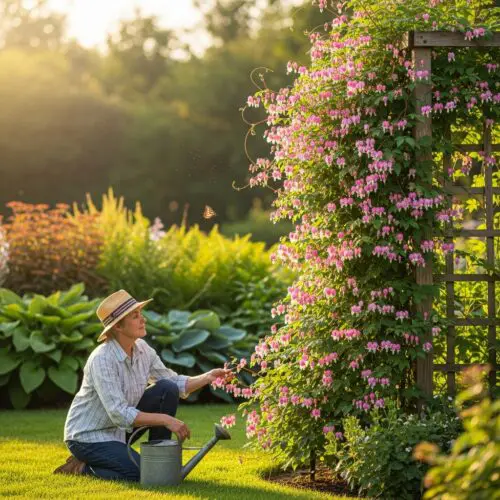
To thrive, the bleeding heart vine (Clerodendrum thomsoniae) requires specific growing conditions. Understanding its light, soil, and temperature needs is crucial for successful cultivation.
Light Requirements
Bleeding heart vines flourish in bright, indirect light. Here are key points about their lighting needs:
- Indoor Growth: Place the vine in a south-facing window. This ensures it receives ample light.
- Outdoor Growth: In USDA zones 9-11, partial shade works well. Too much direct sunlight can scorch the leaves.
- Blooming: Adequate light promotes blooming. Insufficient light can lead to fewer flowers, especially in the fall [3].
Soil Preferences
Proper soil is essential for healthy growth. Bleeding heart vines prefer:
- Well-Draining Soil: Choose a mix that retains moisture but does not become soggy. Loamy or sandy soils enriched with organic material are ideal [4].
- Moisture Retention: Maintain consistent moisture without overwatering. A good rule is to allow the top inch of soil to dry out between waterings.
Temperature and Humidity Needs
Temperature and humidity significantly affect the growth of bleeding heart vines:
- Temperature: Ideal temperatures range from 60°F to 80°F (16°C to 27°C). They are sensitive to temperatures below 45°F (7°C) and may not survive frost [5].
- Humidity: These tropical plants thrive in high humidity. If your home is dry, mist the plant regularly. Alternatively, place a humidifier nearby.
Indoor vs. Outdoor Growing Conditions
| Aspect | Indoor Conditions | Outdoor Conditions |
|---|---|---|
| Light | South-facing window for bright light | Partial shade; avoid harsh afternoon sun |
| Soil | Well-draining potting mix | Enriched garden soil with good drainage |
| Temperature | Maintain between 60°F to 80°F | Protect from frost; thrives in warm climates |
| Humidity | Regular misting required | Natural humidity; may need additional watering |
For the best results, consider the Clerodendrum Thomsoniae Plant for your indoor space. It combines beauty and adaptability, making it a wonderful addition to your home. Check Price on Amazon.
Care Guidelines for Bleeding Heart Vine
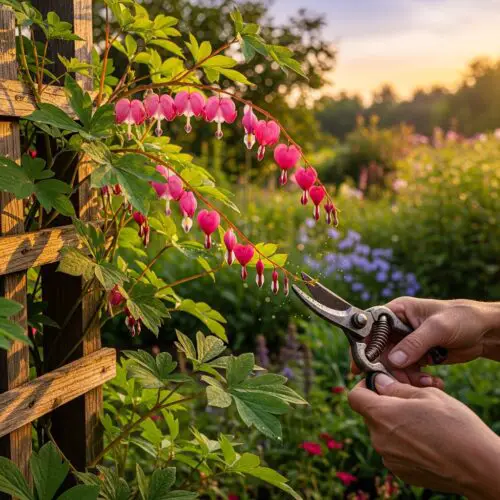
Caring for your bleeding heart vine, or Clerodendrum thomsoniae, ensures vibrant blooms and healthy growth. Follow these guidelines for watering, fertilization, and pruning to keep your plant thriving.
Watering Requirements
Bleeding heart vines thrive in consistently moist soil. Here are the key watering guidelines:
- Growing Season (Spring to Fall): Water at least once a week. Ensure the soil is moist but not soggy. A fully grown vine can drink up to 3 gallons of water weekly.
- Winter: Reduce watering to twice a month. The plant needs less moisture during its dormant phase.
- Humidity: If your environment is dry, mist the leaves regularly to maintain humidity levels.
Fertilization Schedule
Proper fertilization supports robust growth and prolific blooming. Follow this schedule:
- Frequency: Fertilize every two months using a slow-release fertilizer during the blooming season. Alternatively, use a water-soluble fertilizer monthly for quick nutrient absorption.
- Type: Choose a balanced fertilizer that promotes flowering. This supports the plant’s energy needs during its active growth phase.
Pruning Techniques
Pruning is essential for maintaining shape and encouraging blooms. Here’s how to prune effectively:
- Timing: Prune after flowering to avoid cutting off potential blooms for the next season.
- Method: Trim back any dead or overgrown stems. Aim to maintain a tidy appearance and allow light to reach all parts of the vine.
- Training: Use a trellis or support to guide the vine’s growth. This encourages a lush appearance and promotes better air circulation.
Seasonal Care Checklist:
- Spring: Increase watering and fertilize as new growth appears.
- Summer: Maintain moisture and continue fertilizing every month.
- Fall: Prune back the vine after flowering and reduce watering.
- Winter: Water minimally and keep the plant in a cooler room to simulate dormancy.
By following these care guidelines, your bleeding heart vine will flourish, showcasing its stunning flowers throughout the growing season.
Troubleshooting Common Problems with Bleeding Heart Vine
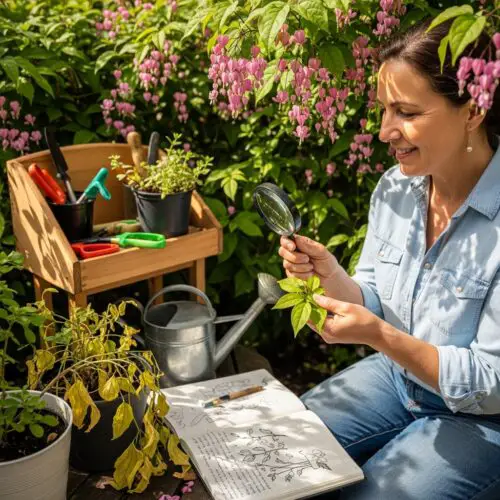
Bleeding heart vines can face various challenges that affect their health and appearance. Understanding these issues and their solutions will keep your plant thriving.
Identifying Common Pests
Pests can hinder the growth of your bleeding heart vine. The most common pests include:
- Mealybugs: Look for white, fluffy tufts on leaves and stems.
- Spider mites: Check for fine webs on the plant and discolored leaves.
- Aphids: These small, green insects cluster on new growth, sucking sap.
Signs of Stress or Disease
Recognizing stress signals is crucial for timely intervention. Common symptoms include:
- Wilting Leaves: This indicates either underwatering or root rot.
- Chlorosis: Yellowing leaves may suggest nutrient deficiencies, often related to poor soil drainage or high alkalinity.
- Leaf Scorching: Discolored patches can result from too much sunlight or inadequate watering.
Solutions for Common Problems
Implement these strategies to tackle issues effectively:
- Pest Control: Use organic neem oil or soapy water to treat infestations. Apply every 7-10 days until pests are gone.
- Nutrient Deficiencies: If you notice yellowing leaves, supplement with iron, manganese, or zinc based on leaf age and positioning.
- Proper Watering: Ensure the soil is consistently moist but not waterlogged. Adjust watering frequency to match seasonal needs.
- Light Management: If leaf scorching occurs, relocate the plant to a shadier spot or adjust light exposure gradually.
Quick Reference Troubleshooting Flowchart
-
Wilting Leaves
- Check soil moisture
- Too dry? Water thoroughly
- Too wet? Improve drainage
-
Discolored Leaves
- Observe leaf age
- Younger leaves yellow? Add iron
- Older leaves yellow? Add manganese or zinc
-
Pest Infestation
- Identify pest type
- Mealybugs or spider mites? Apply neem oil
- Aphids? Use insecticidal soap
By staying vigilant and addressing these common issues, your bleeding heart vine can thrive and produce stunning blooms.
Propagation Techniques for Bleeding Heart Vine
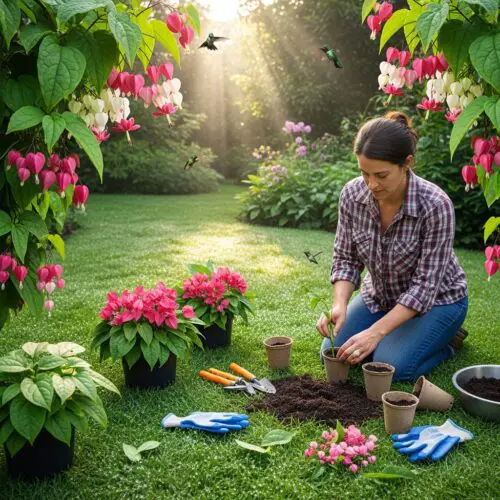
Propagating bleeding heart vine (Clerodendrum thomsoniae) can be an exciting and rewarding experience. You can use two main methods: cuttings and seeds. Each method has unique advantages depending on your gardening preferences.
Propagating from Cuttings
Taking stem cuttings is one of the most effective ways to propagate bleeding heart vine. Here’s how to do it:
- Select a Healthy Stem: Choose a healthy, non-flowering stem about 4-6 inches long.
- Make the Cut: Use clean shears to cut just below a leaf node.
- Prepare the Cutting: Remove the lower leaves. This prevents rot when planted.
- Use Rooting Hormone: Dip the cut end in rooting hormone for better success.
- Plant the Cutting: Insert the cutting into a pot filled with well-draining soil.
- Water and Cover: Water the cutting and cover it with a plastic bag to maintain humidity.
- Provide Light: Place in bright, indirect light. Avoid direct sunlight to prevent scorching.
Cuttings typically root in 4-6 weeks under optimal conditions [6].
Growing from Seeds
If you prefer starting from seeds, follow these steps:
- Source Quality Seeds: Get seeds from a reputable supplier to ensure they are viable.
- Prepare Soil: Use a light, well-draining seed-starting mix.
- Sow Seeds: Plant seeds about 1/4 inch deep in the soil.
- Water Gently: Mist the soil to keep it moist but not soggy.
- Provide Warmth: Keep the seeds in a warm area (around 70°F) for germination.
- Light Exposure: Once seedlings emerge, provide bright light to encourage growth.
Seeds may take longer to germinate, usually around 2-4 weeks [6].
Best Practices for Successful Propagation
To enhance your propagation success, consider these best practices:
- Humidity: Maintain high humidity for cuttings by misting regularly or using a humidity dome.
- Temperature: Keep temperatures consistent. Avoid sudden drops, especially at night.
- Timing: Spring is the best time for both cuttings and seeds as the plant is actively growing.
- Patience: Propagation can take time. Monitor moisture levels and be patient during the rooting process.
Experienced gardeners report higher success rates when using cuttings compared to seeds. This method allows for the preservation of the parent plant’s characteristics, ensuring you get the same stunning flowers [9].
Alternatives to Bleeding Heart Vine for Similar Aesthetic Appeal
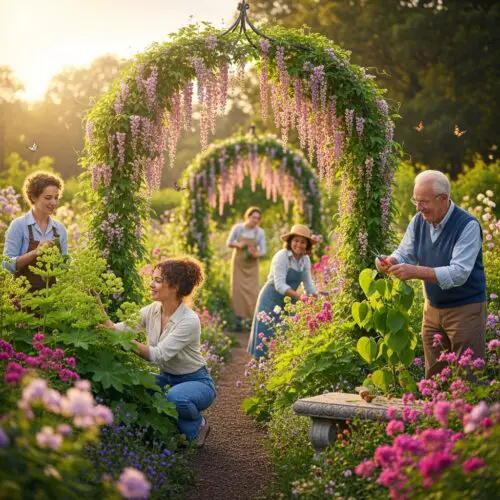
If you appreciate the unique beauty of the bleeding heart vine (Clerodendrum thomsoniae), you may also enjoy other climbing plants that offer similar visual appeal or growing conditions. Here are some excellent alternatives.
Comparison with Other Climbing Vines
When considering alternatives to the bleeding heart vine, look at these climbing plants:
- Passionflower (Passiflora): Known for its intricate flowers and vigorous growth. It thrives in full sun and well-drained soil, similar to the bleeding heart vine.
- Honeysuckle (Lonicera): This fragrant vine attracts pollinators. It can tolerate a range of light conditions and grows well in various soils.
- Clematis: Offers a variety of flower shapes and colors. It prefers rich, fertile soil and can adapt to partial shade, mimicking the conditions favored by the bleeding heart vine.
Best Alternatives for Cooler Climates
For gardeners in cooler climates, consider these options that mimic the aesthetic of the bleeding heart vine yet handle lower temperatures better:
- Sweet Pea (Lathyrus odoratus): A fast-growing annual vine that produces fragrant flowers. It thrives in cooler temperatures and can be grown as an annual in regions where the bleeding heart vine struggles.
- Climbing Hydrangea (Hydrangea anomala petiolaris): A hardy vine that provides stunning blooms and can handle shade. It is ideal for colder areas and adds a lush look to landscapes.
Aesthetic Uses in Landscaping
In landscaping, alternative climbing plants can create stunning visual effects:
- Vertical Gardens: Use climbing plants like passionflower or honeysuckle to create vertical gardens. Their colorful blooms can enhance walls and fences.
- Arbors and Trellises: Train clematis and climbing hydrangea to cover arbors, providing shade and beauty.
- Mixed Borders: Combine different climbing plants with perennials for a vibrant garden. The contrasting textures and colors can elevate the overall aesthetic.
By exploring these alternatives, you can achieve beautiful climbing displays that enhance your garden while accommodating specific growing conditions.
Frequently Asked Questions
These quick answers cover the homeowner questions that come up most often about hackberry trees, including growth, care, and common problems.
Is Bleeding Heart Vine fast growing?
Yes, the bleeding heart vine (Clerodendrum thomsoniae) is known for its fast growth. Under optimal conditions, it can reach lengths of up to 15 feet (4.5 m) in a single growing season. To encourage rapid growth, ensure it receives bright, indirect light, consistent moisture, and adequate fertilization during the blooming season.
Does a bleeding heart come back every year?
The bleeding heart vine is a perennial in USDA zones 9-11, meaning it can return year after year in these warmer climates. However, in cooler regions, it may not survive the winter frost unless brought indoors or treated as an annual. If you live in a colder area, consider propagating cuttings to maintain this beautiful plant.
Is Bleeding Heart Vine poisonous to touch?
Bleeding heart vine is not considered poisonous to touch. However, it is essential to handle any plant with care, as some individuals may experience skin irritation from plant sap. If you have concerns, wearing gloves while handling the plant is a good precaution.
Where is the best place to plant bleeding hearts?
The best place to plant bleeding heart vines is in an area that receives bright, indirect sunlight. For outdoor gardens, choose a spot with partial shade to protect the plant from harsh afternoon sun. Ensure the soil is well-draining and enriched with organic material to promote healthy growth.
What are common problems with Bleeding Heart Vine?
Common problems with bleeding heart vine include wilting leaves, yellowing foliage, and pest infestations. Wilting can indicate either underwatering or root rot, while yellowing leaves may suggest nutrient deficiencies or poor drainage. Keep an eye out for pests like mealybugs and spider mites, which can hinder growth. Regular monitoring and prompt action can help resolve these issues.
How do I propagate Bleeding Heart Vine?
You can propagate bleeding heart vine through stem cuttings or seeds. For cuttings, select a healthy stem, cut it below a leaf node, and remove lower leaves. Dip the cut end in rooting hormone, plant it in well-draining soil, and maintain humidity. Seeds can be sown in a light, well-draining mix and kept warm for germination. Cuttings typically root faster than seeds.
What type of fertilizer is best for Bleeding Heart Vine?
A balanced fertilizer that promotes flowering is ideal for bleeding heart vine. Use a slow-release fertilizer every two months during the blooming season or a water-soluble fertilizer monthly for quick nutrient absorption. This will support robust growth and abundant blooms throughout the growing season.
References
1. Taxon: Clerodendrum thomsoniae
3. Bleeding Heart, Lamprocapnos (Dicentra) spectabilis
4. Bleeding Heart vines show Valentine love | Mississippi State …
5. Bleeding Heart, Lamprocapnos (Dicentra) spectabilis
6. Bleeding Heart Vine, Clerodendrum thomsoniae
8. Bleeding Heart Vine, Clerodendrum thomsoniae
9. Lamprocapnos spectabilis (Asian Bleeding Heart, Bleeding …