
Planting calla lilies in pots is a rewarding way to enjoy their stunning blooms while managing their growing conditions. By choosing the right containers, soil, and care techniques, you can successfully cultivate these elegant flowers in your home or garden. This guide provides comprehensive steps for thriving calla lily plants in pots.
Choosing the Right Container for Calla Lilies
When it comes to planting calla lilies in pots, selecting the right container is crucial for their health and growth. Calla lilies thrive in containers that provide ample space for their roots and ensure proper drainage. Here’s what to consider when choosing the perfect pot.
Container Materials
- Ceramic Pots: These are a popular choice for calla lilies due to their aesthetic appeal and ability to regulate soil temperature. Ceramic allows the soil to breathe, which is essential for healthy root development. However, they can be heavy and may require careful handling.
- Plastic Planters: Lightweight and versatile, plastic pots are easy to move around, making them great for both indoor and outdoor use. They come in various colors and styles, allowing you to customize your display. Just make sure they have drainage holes to prevent waterlogging.
- Self-Watering Containers: These are fantastic for busy gardeners. They have built-in reservoirs that allow the calla lilies to draw water as needed, helping to prevent both overwatering and underwatering. This feature is particularly beneficial during hot summer months when consistent moisture is vital.
Size and Depth Considerations
For calla lilies, the size of the container is just as important as the material. Aim for a pot that’s at least 10 to 12 inches (25 to 31 cm) in diameter. This size allows enough room for the tuberous roots to spread out and establish themselves. A depth of 6 to 8 inches (15 to 20 cm) is crucial as well; this ensures that the rhizomes have enough space to grow without being constricted.
Drainage Features
Good drainage is essential for calla lilies to thrive. Containers should have multiple drainage holes at the bottom to allow excess water to escape. Without proper drainage, the roots can rot, leading to poor plant health.
- Tip: Consider adding a layer of gravel or small stones at the bottom of the pot before adding soil. This can further enhance drainage and create a healthier environment for your calla lilies.
Planting Techniques
When you plant your calla lilies, remember to position the rhizomes about 1 inch (2.5 cm) deep in the soil. Space them 1 to 2 inches (2.5 to 5 cm) apart to allow for adequate air circulation and growth.
Fertilizers and Soil Requirements
Using a quality potting mix that retains moisture without becoming soggy is vital. Calla lilies benefit from a balanced fertilizer, such as a 10-10-10 or 5-10-10 formula, applied every few weeks during their growing season.
By choosing the right container and ensuring it meets all these criteria, you’ll set your calla lilies up for a flourishing display of stunning blooms.
Selecting Healthy Calla Lily Bulbs
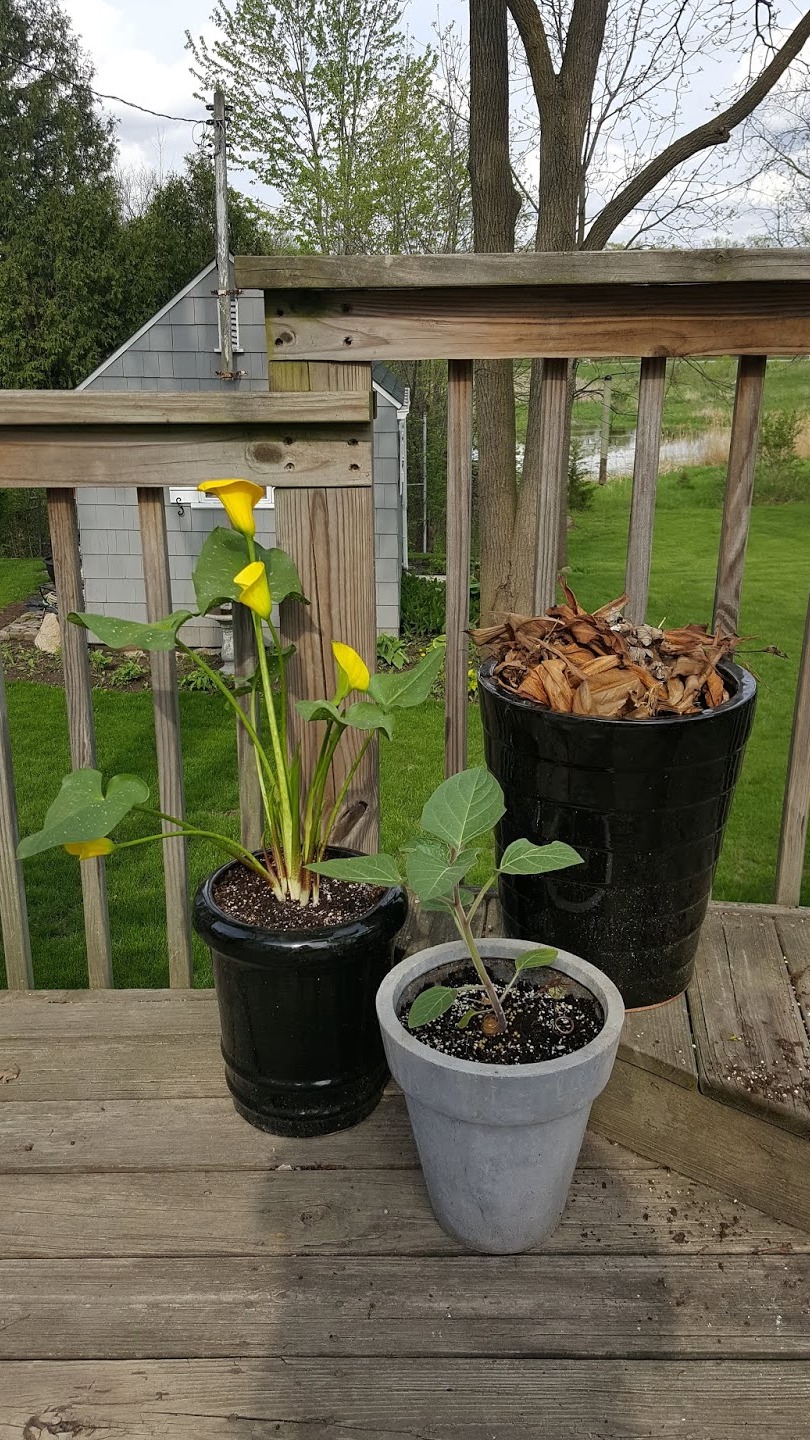
Choosing healthy calla lily bulbs is essential for successful pot cultivation. When selecting these beautiful plants at nurseries, look for specific characteristics that indicate vitality and growth potential.
- Firmness: Healthy calla lily bulbs should feel firm to the touch. Avoid any bulbs that are soft or mushy, as this can be a sign of rot or disease. Firm bulbs are more likely to thrive when planted in containers.
- Color: Opt for bulbs that have vibrant colors without any signs of discoloration. Healthy bulbs generally exhibit a rich, consistent color, while those with browning or black spots may be diseased.
- Size: Look for larger bulbs, which typically indicate stronger plants. A bulb that is at least the size of a golf ball will have a better chance of producing robust foliage and stunning blooms.
- No Visible Damage: Inspect for any cuts, cracks, or blemishes on the bulb’s surface. Such damage can lead to infections and hinder growth. Healthy bulbs should have smooth, intact skins.
- Signs of Growth: If available, choose bulbs that have started sprouting or show signs of growth. Small shoots or roots indicate that the bulb is active and ready to thrive in the pot.
- Avoiding Pests: Check for signs of pests or mold. Healthy calla lily bulbs should not have any visible pests, such as aphids or spider mites. If you notice any webbing or tiny insects, it’s best to select a different bulb.
When planting these selected calla lily bulbs in pots, remember to position them at the correct planting depth of about 1 inch (2.5 cm) in well-draining soil. This helps the bulbs establish a strong root system, which is crucial for their growth. For the best results, consider using Check Price on Amazon to find quality calla lily bulbs that will flourish in your containers.
By ensuring you choose healthy bulbs, you set the stage for your calla lilies to thrive. Once planted, they will reward you with stunning blooms and vibrant foliage throughout the growing season.
Preparing the Container for Planting
Before you dive into planting your calla lilies in pots, it’s essential to prepare your containers properly. This preparation ensures that your calla lilies have the best chance to thrive, providing stunning blooms throughout the season.
Sterilizing the Containers
First, start by sterilizing your containers. This step is crucial to prevent any harmful bacteria or pests from affecting your new plants. You can easily sterilize pots by soaking them in a solution of one part bleach to nine parts water for about 10 minutes. Make sure to rinse them thoroughly afterward to remove any bleach residue. If you’re using new pots, this step may be skipped, but it’s always a good idea when reusing containers.
Selecting the Right Potting Mix
Next, choose a high-quality potting mix that retains moisture yet drains well. Calla lilies thrive in soil that is rich in organic matter and has good aeration. Look for a mix specifically formulated for containers, which often contains components like peat moss, vermiculite, or perlite. These materials help enhance drainage and prevent the roots from sitting in water, which can lead to root rot.
Adding Fertilizers
Incorporating fertilizers into your potting mix can also give your calla lilies a boost. A balanced fertilizer, such as a 10-10-10 or 5-10-10 blend, is ideal. Mix the fertilizer into the potting mix according to the package instructions before planting. This ensures that your calla lilies receive essential nutrients as they establish themselves in their new environment. Fertilizing every three to four weeks during the growing season will promote vibrant blooms and healthy foliage.
Enhancing Soil Drainage
Good drainage is vital for the health of your calla lilies. Ensure your pots have adequate drainage holes at the bottom. If you’re using a pot without drainage holes, consider adding a layer of gravel or small stones at the bottom. This layer creates space for excess water to escape, preventing soggy soil. You can also mix in some coarse sand or perlite into your potting mix to further enhance drainage.
Moisture Retention Techniques
While calla lilies like their soil moist, it’s important to avoid overwatering. One effective technique to retain moisture is to add a layer of mulch on top of the soil. Organic mulches like shredded bark or coconut coir not only help keep the soil moist but also suppress weeds that can compete with your calla lilies for nutrients.
By taking these steps to prepare your containers, you’ll create an ideal environment for your calla lilies to flourish. Happy planting!
Planting Calla Lilies in Pots
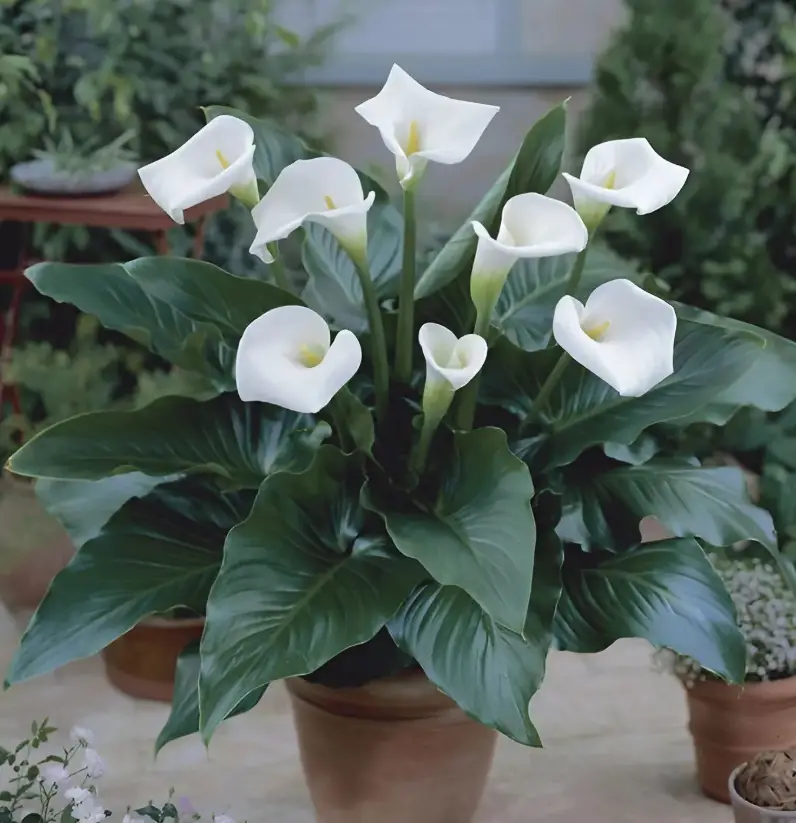
Planting calla lilies in pots is a rewarding experience that can elevate your outdoor space with stunning blooms. Here’s a step-by-step guide to ensure your calla lilies thrive in their new container home.
Step 1: Choose the Right Container
Start by selecting a container that is at least 10 to 12 inches (25-31 cm) in diameter. This size allows ample room for the calla lilies’ roots to grow and expand. Ensure that your pot has drainage holes at the bottom, as proper drainage is essential to prevent root rot. Pots made of ceramic or plastic work well, but make sure they’re lightweight enough for easy movement.
Step 2: Prepare the Soil
Use a high-quality potting mix that retains moisture while allowing for good drainage. You can enhance your mix by adding some coarse sand or perlite to improve aeration. Calla lilies thrive in well-draining soil that is rich in organic matter, so consider mixing in compost for added nutrients.
Step 3: Planting Depth and Spacing
When planting calla lily rhizomes, dig holes that are about 1 inch (2.5 cm) deep. Space the rhizomes 1 to 2 inches (2.5-5 cm) apart to give them room to grow without overcrowding. This spacing is crucial for ensuring that each plant receives enough nutrients and water.
Step 4: Planting the Rhizomes
Place the rhizomes in the prepared holes with the pointed end facing upwards. Cover them gently with soil and pat it down lightly. Make sure not to compress the soil too much, as this can hinder root growth.
Step 5: Watering Techniques
After planting, water the container thoroughly. Ensure that the water drains out of the bottom to keep the roots healthy. Calla lilies like their soil consistently moist but not soggy. Water the plants when the top inch of soil feels dry to the touch. This routine helps prevent overwatering, which can lead to issues like root rot.
Step 6: Fertilization
During the growing season, apply a balanced fertilizer, such as a 10-10-10 or 5-10-10 formula, every three to four weeks. This will provide the necessary nutrients for your calla lilies to flourish. Stop fertilizing once the blooming period is over to allow the plants to rest.
Step 7: Placement and Care
Place your container in a location that receives full sun to part shade. Calla lilies prefer bright light for optimal growth. Monitor the moisture levels in the soil regularly, especially during warm weather, and adjust your watering routine as needed to keep the soil evenly moist.
By following these steps, you’ll create an ideal environment for your calla lilies to thrive in pots, showcasing their elegant blooms throughout the season.
Container Placement and Care
Choosing the right location for your potted calla lilies is crucial for their growth and blooming potential. Calla lilies thrive in bright light, so aim to place your containers in a spot that receives full sun to part shade. A south-facing patio or near a sunny window works well, as it provides the warmth and light these plants love. However, be mindful of overly harsh afternoon sun, which can scorch the leaves. If you notice browning tips, it may be time to adjust their position to a slightly shadier area.
Temperature plays a significant role in the health of your calla lilies. These plants prefer warm environments, ideally staying above 60°F (15°C). If you live in a cooler climate, you can start your calla lilies indoors and move them outside once the risk of frost has passed. In the cooler months, if temperatures drop significantly, bring your pots indoors to protect them from the cold.
Watering techniques are key to ensuring your calla lilies flourish. The soil should be kept consistently moist but not soggy. A good rule of thumb is to check the top inch of soil; if it feels dry, it’s time to water. When watering, do so thoroughly until you see excess water draining out of the bottom of the pot. This method encourages deep root growth, which is essential for the plant’s stability and vigor. Be cautious, as overwatering can lead to root rot, a common issue for calla lilies in containers.
Humidity levels also play a pivotal role in the health of your calla lilies. These plants appreciate a humid environment, typically around 40-60% humidity. If your home is dry, especially during winter, consider misting the leaves occasionally or placing a humidity tray filled with pebbles and water beneath the pot. This increases moisture around the plant without saturating the roots.
Finally, remember that calla lilies are quite sensitive to their environment. Regularly check for any signs of stress, such as wilting or yellowing leaves. Adjusting their placement for optimal light and temperature, along with proper watering and humidity, will help you enjoy their stunning blooms throughout the growing season.
Troubleshooting Common Issues
Planting calla lilies in pots can be a rewarding experience, but you may encounter some common issues. Understanding these problems and how to address them is key to keeping your calla lilies thriving.
Root Rot
One of the most prevalent problems with calla lilies in containers is root rot, primarily caused by overwatering or poor drainage. It’s essential to ensure your pot has adequate drainage holes. If you notice yellowing leaves or a mushy root system, it’s a sign of root rot. To prevent this:
- Use well-draining soil: A mix that retains some moisture but allows excess water to escape is ideal. A combination of potting soil and perlite or sand works well.
- Water wisely: Allow the top inch of soil to dry out before watering again. This helps avoid waterlogged conditions that can lead to rot.
If root rot occurs, carefully remove the plant from the pot, trim away the affected roots, and repot it in fresh, dry soil.
Pests
Calla lilies can fall victim to pests like aphids, spider mites, and mealybugs. These pests can hinder the growth of your plants and lead to discolored or wilting leaves. To keep your calla lilies pest-free, consider these steps:
- Regular inspections: Check the undersides of leaves and stems for signs of pests.
- Natural remedies: Use insecticidal soap or neem oil as a preventative measure. Spraying your calla lilies can deter pests without harming the plants.
- Isolation: If you spot pests, isolate the affected plant to prevent the spread to other container plants.
Nutrient Deficiencies
Calla lilies require specific nutrients, and a lack of them can lead to poor growth and fewer blooms. Common signs of nutrient deficiencies include yellowing leaves or stunted growth. To ensure your calla lilies get the nutrients they need:
- Fertilize appropriately: Use a balanced fertilizer, like a 10-10-10 or 5-10-10, every three to four weeks during the growing season. Stop fertilizing once blooming has finished.
- Check soil quality: If your potting mix is depleted, consider refreshing it with new soil or adding compost to enrich the nutrients available to your plants.
By actively monitoring your calla lilies and taking corrective action when necessary, you can enjoy their vibrant blooms all season long.
Best Practices for Overwintering Calla Lilies
Caring for your calla lilies in pots during the colder months is essential to ensure they thrive year after year. Here’s how to properly manage your container-grown calla lilies as temperatures drop.
When to Bring Them Indoors
As the weather begins to cool, watch for temperatures dropping below 50°F (10°C). This is your cue to bring your calla lilies indoors. If you live in a region with harsh winters, it’s best to move them inside before the first frost hits. This not only protects the plants but also allows you to enjoy their beauty throughout the winter months.
Preparing Containers for Winter
Before moving your calla lilies indoors, inspect the containers. Ensure they are clean and free of pests. You can gently wash the pots with mild soap and water to remove any dirt or insects. It’s also a good idea to check the drainage holes to ensure they’re not blocked, as proper drainage is crucial for the health of your calla lilies.
Storing Calla Lily Bulbs
If you prefer not to keep your calla lilies indoors, you can store the rhizomes for the winter. After the foliage has died back in the fall, carefully dig up the rhizomes. Clean them gently and allow them to dry for a few days in a cool, dark place. Once dried, store the bulbs in peat moss or vermiculite in a paper bag. Keep them in a location that stays between 45°F and 50°F (7°C to 10°C) to prevent them from freezing.
Watering Techniques
During the winter, your calla lilies will need significantly less water than in the growing season. If they are indoors, check the soil moisture weekly. Water only when the top inch or so of soil is dry to the touch. Overwatering during the winter months can lead to root rot, especially if the rhizomes are stored too wet.
Fertilizers for Winter Care
While your calla lilies are dormant, they do not require fertilizer. Avoid the temptation to feed them, as this can encourage growth when they need rest. Once spring arrives and you see new growth, you can resume your feeding routine with a balanced fertilizer, such as a 10-10-10 or 5-10-10, to help kickstart their blooming cycle.
Monitoring for Pests
Even during dormancy, keep an eye out for pests. Common pests like aphids or spider mites can still affect indoor plants. If you notice any signs of infestation, treat them promptly with insecticidal soap or neem oil to protect your calla lilies.
By following these best practices for overwintering calla lilies in pots, you can ensure that your stunning plants remain healthy and ready to thrive come springtime.
Companion Plants for Calla Lilies in Containers
When planting calla lilies in pots, choosing suitable companion plants can elevate both the aesthetic appeal and overall health of your container garden. Pairing calla lilies with the right plants not only enhances visual interest but also encourages beneficial interactions among the plants.
Colorful Companions
- Ferns: Soft, feathery ferns can provide a lovely contrast to the bold, trumpet-shaped blooms of calla lilies. Their lush foliage thrives in similar moisture conditions, making them perfect companions. Just ensure the pot has good drainage to prevent waterlogging, which can harm both plants.
- Coleus: With their vibrant foliage, coleus plants can add a splash of color that complements the elegance of calla lilies. These plants thrive in containers and prefer the same indirect light conditions, making them excellent partners for your calla lilies.
- Petunias: These flowering plants offer a riot of colors that can harmonize beautifully with calla lily blooms. Petunias enjoy similar watering techniques, needing consistent moisture, making them compatible in the same pot. Just be mindful of the container size; both plants need enough space to flourish.
Aromatic Allies
- Lavender: While it may seem unconventional, lavender can be a fantastic companion for calla lilies if you use a larger container. Lavender’s fragrant blooms and drought tolerance can balance the high moisture needs of calla lilies. Just ensure the potting medium is well-draining to keep both plants happy.
- Thyme: This low-growing herb can thrive alongside calla lilies, adding both fragrance and utility to your container. Thyme prefers a slightly drier soil, so placing it in a pot with good drainage will help both plants thrive without competing for water.
Seasonal Collaborators
- Pansies: These cheerful flowers can bloom early in the season, providing a burst of color until your calla lilies take center stage. Pansies can thrive well in pots and their shallow root system won’t interfere with the deeper-rooted callas.
- Alyssum: Known for its delicate flowers and sweet fragrance, alyssum can spread beautifully around the base of calla lilies. It appreciates similar watering and sunlight conditions, making it an ideal companion plant.
Considerations for Planting
When planting calla lilies in containers with these companions, keep a few things in mind:
- Container Size: Ensure your pot is large enough to accommodate the root systems of both the calla lilies and their companions. A container with a diameter of at least 12 to 16 inches is ideal to give all plants enough room to grow.
- Soil Requirements: Use a well-draining potting mix that retains some moisture but prevents sogginess. This balance is crucial for the health of all plants involved.
- Fertilizers: Since calla lilies benefit from regular feeding, apply a balanced fertilizer every few weeks during the growing season. Be cautious not to over-fertilize the companion plants, as they may have different nutrient needs.
By thoughtfully selecting companion plants for your calla lilies in pots, you can create a vibrant and thriving container garden that not only looks stunning but also promotes healthy growth for all plants involved.
The Aesthetic Benefits of Growing Calla Lilies in Pots
Growing calla lilies in pots offers a stunning way to enhance your outdoor and indoor spaces. The elegance of these flowers, with their unique trumpet-shaped blooms, makes them perfect for various decorative settings. Whether you position them on a patio, balcony, or even as a centerpiece indoors, calla lilies can elevate the visual appeal of any environment.
Design Tips for Container Arrangements
When selecting containers for your calla lilies, consider materials and colors that complement your home and garden. Ceramic pots, for instance, provide a classic look and excellent drainage, which is essential for healthy root growth. On the other hand, colorful plastic planters can add a fun pop to your garden, making your calla lilies stand out even more.
- Groupings: Create visually appealing arrangements by grouping pots of varying heights. Tall calla lilies can be combined with shorter plants for a dynamic display. Use a mix of colors—white, yellow, and pink calla lilies can be beautifully arranged to create a vibrant focal point.
- Layering: Use pots of different sizes to layer the plants. Place taller containers at the back and shorter ones in front. This layering technique draws the eye and adds depth to your arrangement.
Enhancing Your Space with Calla Lilies
Calla lilies thrive in containers and can be moved to suit your design needs. This flexibility allows you to change the look of your space easily. For a sophisticated patio setting, line the steps with pots of blooming calla lilies. Alternatively, place a large pot near your entrance to welcome guests with the elegance of these stunning flowers.
- Seasonal Displays: Change the look of your pots with the seasons. In spring and summer, feature vibrant calla lilies, while in fall, you can transition to seasonal foliage or other flowers that complement your calla lilies. This rotation keeps your space fresh and engaging.
Care for Visual Appeal
While the visual benefits are clear, maintaining the health of your potted calla lilies is crucial for their aesthetic appeal. Ensure that your containers have good drainage to prevent root rot, which can affect the beauty of your blooms. Regular watering techniques are essential; keep the soil consistently moist but not soggy, as calla lilies thrive in well-draining conditions.
- Fertilizers: To support vibrant blooms, apply a balanced fertilizer every few weeks during the growing season. This practice not only promotes healthy growth but also enhances the vividness of the flowers, making them even more striking in their pots.
By thoughtfully selecting containers and employing creative design techniques, you can showcase the beauty of calla lilies in pots. The elegance they bring to any setting, combined with proper care, ensures that your floral arrangements will be the envy of all who see them.