
Rambler roses are vigorous, arching shrubs ideal for covering walls, arbors, and fences; they thrive in full sun and require minimal pruning. Proper care ensures abundant, fragrant blooms for years.
This guide covers essential cultivation tips for beginners and experienced gardeners, including selecting the right varieties, planting methods, pruning techniques, and maintenance advice to keep rambling roses healthy and vibrant throughout the growing season.
Key Conditions That Change Rambling Roses
Understanding the conditions that influence rambling roses is essential for successful growth and maintenance. Their vigorous growth habit means environmental factors and plant health considerations can significantly alter how they grow and what care they require.
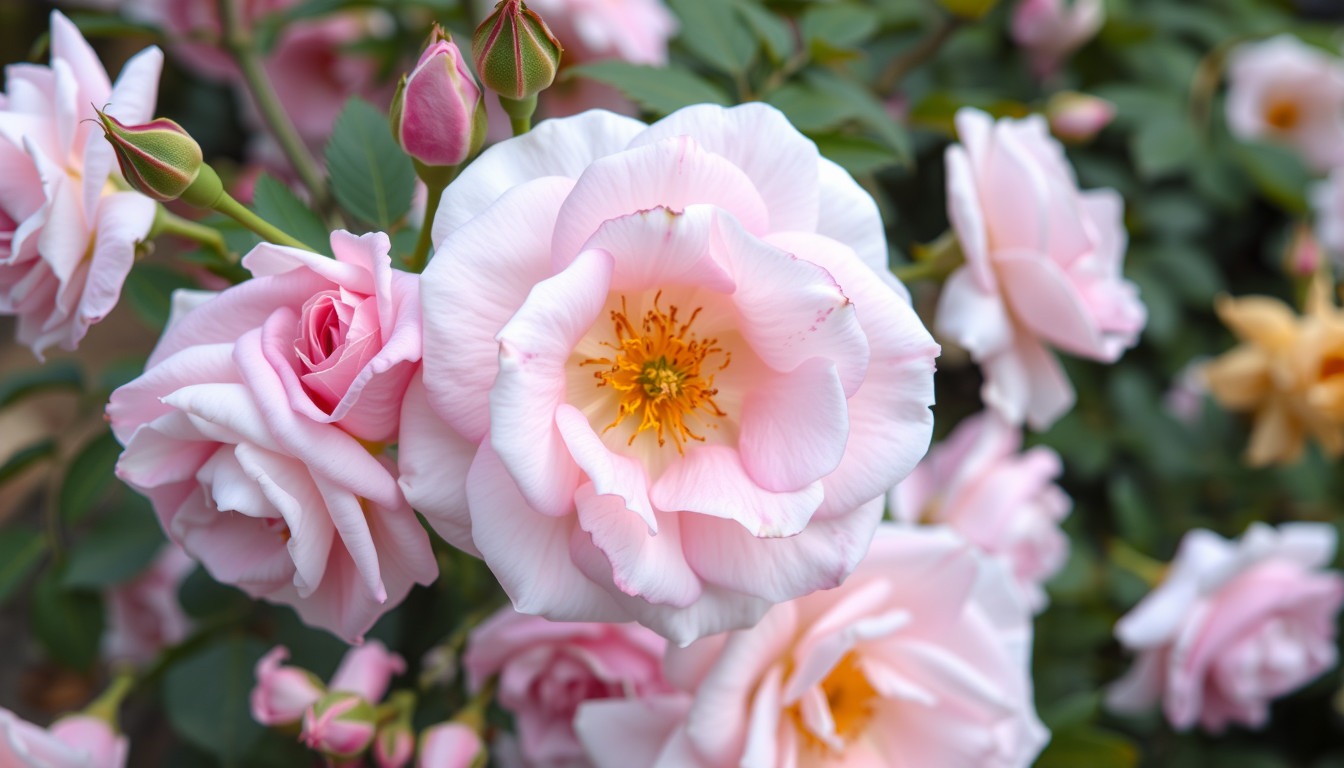
Understanding how rambling roses grow and their specific growth habit is crucial for proper care and placement, which can be further explored in descriptive natural anchor.
1. The factors with the biggest effect
Rambling roses are characterized by long, arching stems that can reach considerable lengths. Their growth habit, which involves vigorous, often scrambling stems, makes them adaptable to various garden features such as walls, arbors, or fences. However, this habit is highly influenced by environmental conditions. Full sun exposure generally promotes the healthiest, most floriferous plants, especially in hardiness zones 4 through 9, where these roses thrive best. Partial sun can limit flowering, and excessive shade may cause leggy growth and fewer blooms. Soil type and pH also impact growth; these roses adapt to chalk, clay, loam, and sand soils, with neutral to slightly acidic or alkaline pH levels. Poor drainage or compacted soil can restrict root development, leading to weaknesses or disease susceptibility. Additionally, water needs are moderate but must be regular, particularly during the warmer months, to prevent drought stress that stunts growth or reduces flowering. With adequate conditions, rambling roses develop into dense, flowering shrubs, but adverse factors can hinder this process or cause them to become unruly and difficult to prune or train.
Table of Contents
Disclosure: As an Amazon Associate I earn from qualifying purchases.
Understanding your soil's condition can be crucial before making changes to your rambling roses; testing kits can provide helpful insights. Shop suitable garden soil testing kit on Amazon (affiliate link).
2. What evidence or details to check
Gardeners should regularly observe the plant for signs of environmental mismatch. For example, sparse flowering or weak stems may indicate insufficient sunlight or poor soil drainage. Checking soil pH with a tester can inform whether amendments are necessary to match the plant’s preferences. Soil nutrient levels, particularly nitrogen, phosphorus, and potassium, influence overall health and flowering capacity. Signs of overwatering include wilting or root rot, while underwatering manifests as leaf scorch or stunted growth. When rambling roses are not performing well, examine the site’s exposure and soil conditions first, then adjust watering and fertilization accordingly. Monitoring these details helps tailor care to the specific conditions affecting each plant.
3. When the usual advice does not apply
Standard recommendations like pruning once a year or training stems along a trellis generally hold true but may need adaptation under certain conditions. For example, in colder zones (4-5), some varieties might require additional winter protection because untrained or older stems could suffer frost damage. Conversely, in zones 8-9, excessive heat could lead to increased wilt or disease pressure, necessitating more frequent watering and shade during the hottest part of the day. When these roses grow in unusual contexts—such as in containers or shaded microclimates—traditional advice might be less effective. Container-grown ramblers may need more frequent watering, fertilizing, and pruning to maintain control over their vigorous habit. In shaded areas, pruning strategies should focus on maximizing light penetration and encouraging flowering, rather than overly aggressive trimming. Understanding these limits allows gardeners to adapt practices and avoid common pitfalls that could detract from the plant’s beauty and longevity.
How to Evaluate Rambling Roses Before Acting
Before planting or encouraging a rambling rose to grow in your garden, it’s essential to assess your site and the rose’s characteristics to ensure a thriving display. Proper evaluation helps determine if your conditions align with the needs of rambling roses, which are vigorous, sprawling shrubs known for their large, often fragrant, cluster-like flowers. These plants typically produce an abundant floral display, with flowers appearing in spring and early summer, and sometimes later if pruned correctly. Understanding their attributes and how they interact with your garden environment guides effective decision-making, from choosing planting locations to necessary maintenance routines.
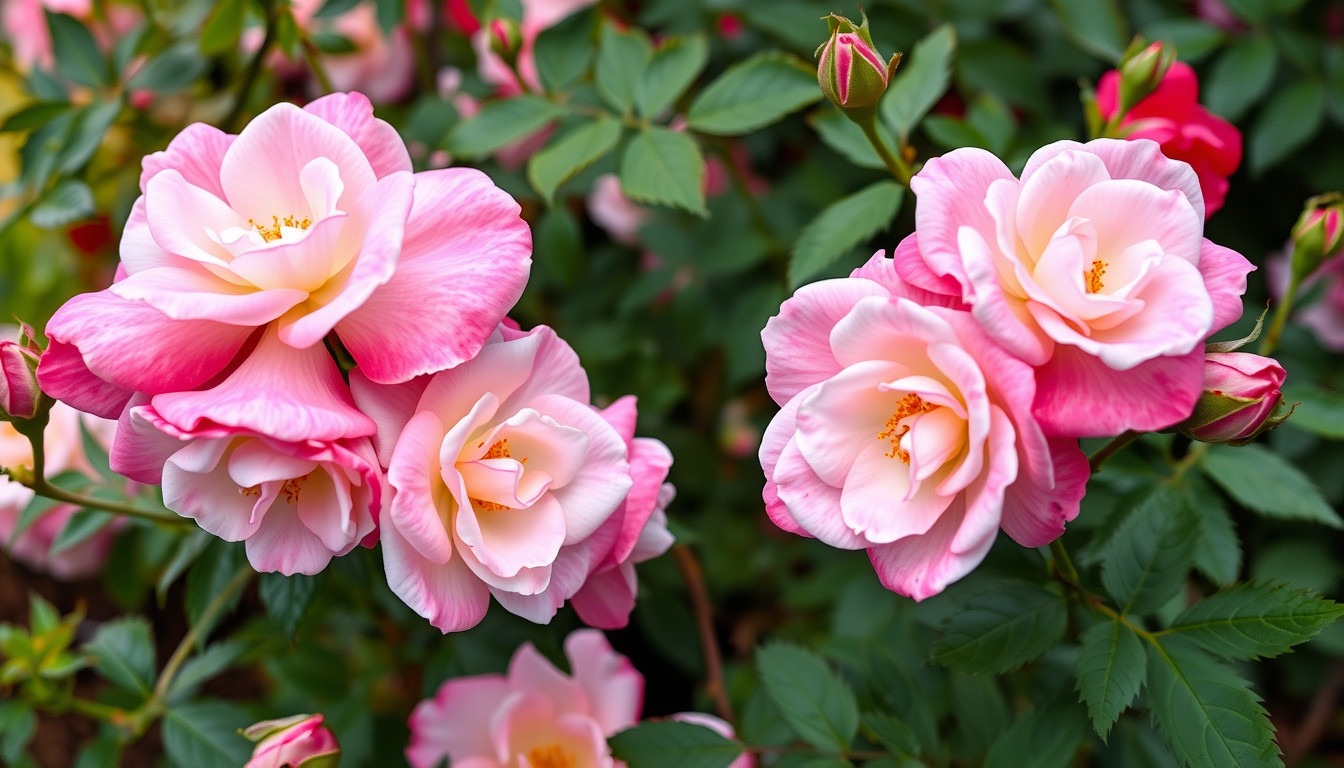
Evaluating flower characteristics such as bloom size and color is key before making decisions about rambling roses; see more in descriptive natural anchor.
Proper pruning can influence the health of your rambling roses; having quality tools makes the task easier and more effective. Shop suitable garden pruning shears on Amazon (affiliate link).
1. What to check first
- Site conditions: Verify that your garden offers full to partial sun—rambling roses flourish with at least 6 hours of sunlight daily. Ensure the soil drains well but retains some moisture; they prefer loam, clay, or chalk soils with a pH that ranges from acid to alkaline. Avoid heavy, poorly draining clay that can lead to root rot.
- Existing structural support: Since rambling roses are climbers, assess nearby structures such as trellises, walls, or archways to support their vigorous stems. They can scramble through bushes or into trees but need a sturdy framework for optimal display.
- Plant health and growth signals: Check for signs of disease, pests, or overcrowding. Healthy plants exhibit vigorous, arching stems with new growth capable of producing abundant flowers. Look for absence of wilting, discoloration, or deadwood, which can hinder flowering and overall vigour.
2. How to interpret the result
If your site provides ample sunlight, good drainage, and supportive structures, your environment aligns well with rambling rose needs. Vigorous growth with prolific flowering indicates the plant’s suitability; however, if stems are weak, or the plant shows signs of poor health, it may require additional care or site modifications. A healthy rambling rose typically displays long, arching stems with abundant clusters of blooms from late spring through early summer, offering a striking floral display. In contrast, sparse flowering or leggy growth suggests suboptimal conditions, necessitating adjustments such as improved soil enrichment, pruning, or relocating the plant to a brighter, better-supported site. Proper initial evaluation prevents future disappointments and promotes a lush, flowering rampage of these iconic, sprawling roses.
A Step-by-Step Approach to Rambling Roses
Growing rambling roses requires understanding their specific planting and maintenance needs to ensure healthy, vigorous growth. These roses thrive when their conditions mimic their natural environments, with proper soil, sun exposure, and support structures. Following a structured process can help gardeners establish and sustain lush, flowering ramblers that enhance garden aesthetics and provide fragrant coverage for fences, trellises, or arbors.
Proper planting requirements are essential for healthy rambling roses; more detailed guidance can be found in descriptive natural anchor.
Supporting your roses properly can be a key step in their success; adjustable supports can help as plants grow. Shop suitable garden plant supports on Amazon (affiliate link).
1. Prepare the essentials
- Choose a planting site that offers full sun or partial sun, with at least 6 hours of direct sunlight daily, to promote optimal blooming.
- Ensure well-draining soil, ideally loam or sandy soil, with a pH that ranges from slightly acidic to neutral (pH 6.0 to 7.0), which supports healthy root development.
- Amend the soil with organic matter such as compost to improve fertility and drainage.
- Provide a sturdy support structure like trellises, over archways, or fences, since rambling roses can reach significant heights and spread over large areas.
2. Take the first action
- Plant new rambling rose canes in early spring or late fall, ensuring the root ball is moist and the planting hole is twice as wide as the root ball.
- Position the plant so that the graft union is just below soil level in colder zones, or at soil level in warmer zones.
- Backfill with prepared soil, firm gently, and water thoroughly to eliminate air pockets and help roots establish.
- Begin training the canes along their support, securing them loosely with garden ties to allow for growth and air circulation.
3. Check the early result
- Monitor watering needs, ensuring consistent moisture without waterlogging, especially during dry spells.
- Observe the plant for signs of stress, such as yellowing leaves or sluggish growth, which may indicate soil or nutrient deficiencies.
- Evaluate the support structure, adjusting ties or adding extensions to accommodate growth.
- Apply balanced fertilizer in early spring and mid-season to support flowering and healthy development.
4. Adjust for changing conditions
- Prune after flowering to shape the plant and remove any dead, crossing, or weak canes, encouraging vigorous growth and better air circulation.
- Mulch around the base to conserve moisture, suppress weeds, and maintain a stable soil temperature.
- Protect from winter cold in zones below 4 by covering the base with straw or mulch.
- Watch for pests and diseases such as aphids or black spot, treating promptly with organic or chemical controls as needed.
- Modify watering, feeding, and pruning routines based on seasonal variations to optimize health and flowering capacity.
Following these steps—from preparing the site to making adjustments as plants grow—ensures your rambling roses will flourish, providing years of beauty with proper care and maintenance.
Choosing the Right Approach for Your Situation
Selecting how to grow rambling roses depends on your available time, garden conditions, and desired level of maintenance. Some methods require minimal effort but may limit growth or flowering, while others demand more attention but offer more robust and sustained results.
Maintenance needs vary depending on the selected approach, and this resource helps determine the level of care rambling roses require, which is discussed in descriptive natural anchor.
Choosing the right fertilization strategy can depend on your specific gardening goals and conditions. Shop suitable garden fertilization products on Amazon (affiliate link).
1. When the simpler approach fits
If you prefer a low-maintenance solution or have limited gardening experience, opting for less involved methods can produce satisfactory results. This approach prioritizes broad, natural support systems such as existing fences, walls, or simple trellises that need minimal modification or upkeep.
In this case, select cultivars known for their vigor and adaptability, which require less pruning and feeding to flourish. Minimal pruning typically involves only removing dead or crossing canes, generally once per year after the flowering period. Mulching well around the base conserves moisture, suppresses weeds, and stabilizes soil temperature, reducing intervention needs throughout the growing season. Covering the base with straw or mulch during winter protects the roots in colder zones, decreasing winter damage.
2. When a more involved approach is justified
If your goal is a lush, highly floriferous display and you have the time to invest, a detailed training and maintenance routine will be worthwhile. This involves selecting specific supports like arbors or elaborate trellises, installing them carefully, and regularly pruning to shape growth and encourage flowering.
This approach entails more frequent inspections for pests and diseases, along with targeted treatments. Fertilizing plays a bigger role here: a balanced, organic feed applied at regular intervals supports vigorous growth. Pruning is more nuanced—removing older canes selectively and training young canes into desired directions boosts the plant’s health and flowering potential. Mulching is still essential but may be supplemented with liquid feeds or compost teas during the growing season. Covering in winter remains necessary in colder zones, ensuring protection from extreme cold and wind.
3. Trade-offs to consider
Each approach offers different benefits and sacrifices. The simpler method generally requires less time, less skill, and fewer resources, making it accessible even for casual gardeners. However, it may lead to less dense blooms or a less controlled shape. The more rigorous routine demands dedication, regular labor, and some gardening skills but yields a more controlled and abundant display. It also supports healthier growth and longevity of the plant but might be overwhelming for those with limited time or interest in detailed garden care.
| Criterion | Simpler Approach | Involved Approach |
|---|---|---|
| Support system | Existing fences, simple trellises | Custom structures like arbors, elaborate trellises |
| Pruning frequency | Annual, minimal | Multiple times per season, shaping and training |
| Feeding requirements | Basic mulching, occasional organic feed | Regular liquid feeds, compost teas |
| Pest and disease management | Reactive, only when needed | Proactive, routine inspections and treatments |
| Winter protection | Mulch around base, cover in cold zones | Mulch plus additional wrapping or covering |
Understanding these differences helps tailor the care routine to your gardening habits and the specific needs of your rambling roses, ensuring you choose the approach that aligns with your garden’s conditions and your available time.
Mistakes That Change the Result
Growing and maintaining rambling roses requires careful understanding of their needs. Common errors can hinder their growth or diminish their aesthetic appeal, but recognizing and correcting these mistakes helps ensure a lush, healthy display.
1. Mistaking a symptom for a cause
One frequent mistake involves misdiagnosing plant issues. For instance, yellow leaves are often seen as a simple problem, but they can be symptoms of deeper issues like nutrient deficiencies or improper watering. Addressing only the visible symptom without diagnosing the underlying cause can lead to recurring problems. To correct this, regularly inspect the soil and plant health. Test soil pH levels to check for deficiencies and adjust fertilization or irrigation practices accordingly. Proper diagnosis prevents unnecessary treatments and promotes overall plant vigor.
2. Skipping a critical condition
Another common error is neglecting essential seasonal care, especially during winter or dry spells. Rambling roses thrive in full or partial sun and require consistent watering, but many gardeners overlook these needs during off-peak seasons. Insufficient watering in hot months can weaken stems, while inadequate winter protection in colder zones may cause dieback. To avoid this, develop a scheduled care routine that emphasizes seasonal adjustments. Mulch around the base to insulate roots, wrap canes in cold zones, and increase watering during dry periods. Routine checks help catch issues early and support the plant’s lifecycle through different seasons.
3. Misapplying pruning and training techniques
Improper pruning can either damage the plant or inhibit flowering. Rambling roses need annual pruning to maintain their shape and promote healthy growth, but over-pruning or incorrect timing can reduce flowering and vigor. Inaccurate training, such as tying stems incorrectly or forcing growth in undesirable directions, compromises the plant’s natural structure. Correct this by understanding each rose’s specific training needs and pruning window. Use clean, sharp tools and follow guidelines for shaping and removing dead or crossing branches. Regularly adjusting training supports like trellises ensures the roses develop into desired forms without strain or damage.
4. Ignoring soil and watering conditions
Rambling roses adapt to various soil types, but poor soil drainage or improper watering can lead to root rot or dehydration. Excessively sandy soil drains quickly, risking drought stress, while clay soils retain too much water, risking fungal issues. Overwatering may drown roots, and underwatering can cause stress and poor flowering. Correct this by testing soil drainage and improving it with organic matter as needed. Maintain a consistent watering schedule, ensuring that the soil remains moist but not waterlogged. Mulching helps regulate moisture and soil temperature, fostering healthier root systems.
5. Overlooking pest and disease management
Reactive pest control can allow infestations to worsen, weakening the plant and reducing flowering. Routine inspections and early intervention are crucial for rambling roses, which are susceptible to aphids, black spot, and powdery mildew. Mismanagement occurs when treatments are delayed or only applied after major damage appears. To fix this, schedule regular inspections, remove pests manually when visible, and apply preventative treatments as needed. Using organic controls and maintaining good garden hygiene minimizes pest outbreaks and keeps the roses thriving without excessive chemical use.
When to Adapt or Seek More Help
Understanding the growth habit of rambling roses is essential for successful cultivation. These vigorous, sprawling vines have a distinctive growth pattern that can sometimes present challenges, especially for gardeners new to their care. If your rambling roses are not thriving or appear to be outgrowing their space, it may indicate the need to adjust your approach or consult more specific advice. Recognizing signs that your plant needs intervention prevents persistent problems and promotes healthy, abundant flowering.
1. Key points: next steps
If your rambling roses are growing vigorously but still not reaching their expected size or flowering well, consider evaluating their pruning and training. Rambling roses typically benefit from light pruning after flowering to control size and promote better blooms. Use ties and supports to guide their sprawling growth along trellises, fences, or arbors, which helps prevent damage and encourages even coverage. Regular feeding with a balanced fertilizer tailored to roses supports sustained growth and flower production.
2. Limitations
Despite their adaptable nature, rambling roses do have limitations. They require ample space to spread, and attempting to grow them in confined or unsuitable conditions may lead to poor health or growth that is unmanageable. Certain varieties are sensitive to climate, with some thriving only in specific zones. For example, some rambler types may not tolerate cold temperatures, and improper soil conditions can hinder their development. If you notice persistent problems such as fungal diseases, poor flowering, or unmanageable growth, it might be time to seek expert advice or consider a different variety better suited to your environment. Consulting sources such as the RHS Plant Guide or specialized rose growers can provide tailored solutions that address specific issues.
Frequently Asked Questions
1. What are the best varieties of rambling roses for my climate?
Choose varieties suited to your USDA hardiness zone; for example, ‘Zephirine Drouhin’ in colder zones and ‘Iceberg’ in milder climates to ensure healthy growth and abundant blooms.
2. How often should I prune rambling roses?
Prune after flowering to shape the plant, typically once a year in late winter or early spring, removing dead or weak stems to encourage vigorous growth and more flowers.
3. Can rambling roses grow in shaded areas?
While they tolerate partial shade, full sun yields the best flowering; in shaded locations, expect fewer blooms and leggy stems, requiring careful pruning to maximize light exposure.
4. What type of supports or structures do they need?
Provide sturdy frameworks such as trellises, arbors, or fences that can handle their vigorous growth and arching stems, ideally placed in full sun for optimal flowering.
5. How do I prevent common diseases and pests?
Maintain good air circulation, avoid overhead watering, and remove infected or dead material promptly; regular inspections and targeted treatments help manage pests and prevent diseases like mildew or black spot.
6. When is the best time to plant rambling roses?
Plant in early spring or fall when soil is workable; ensure risk of frost has passed in your area, and allow several months for establishment before blooming season begins.
7. How can I encourage more blooms throughout the season?
Practice regular deadheading, prune to maintain shape, and fertilize with a balanced, slow-release fertilizer during early growth periods to promote continuous flowering.