
Standards roses are cultivated as single-trunk trees with a prominent stem, offering height, structure, and decorative appeal. Their varieties range from shrub-like forms to rose trees and climbing styles.
This guide provides an overview of standard rose varieties, cultivation tips, care considerations, and how they can enhance garden design with height and elegance.
Introduction to Standard Roses: Appearance, Varieties, and Garden Role
Standard roses are distinguished by their tall, single-trunk growth form, making them versatile focal points and structural elements in garden landscapes. Their upright stature and range of sizes and bloom styles allow for various decorative uses, from creating elegant alleyways to striking garden centerpieces.
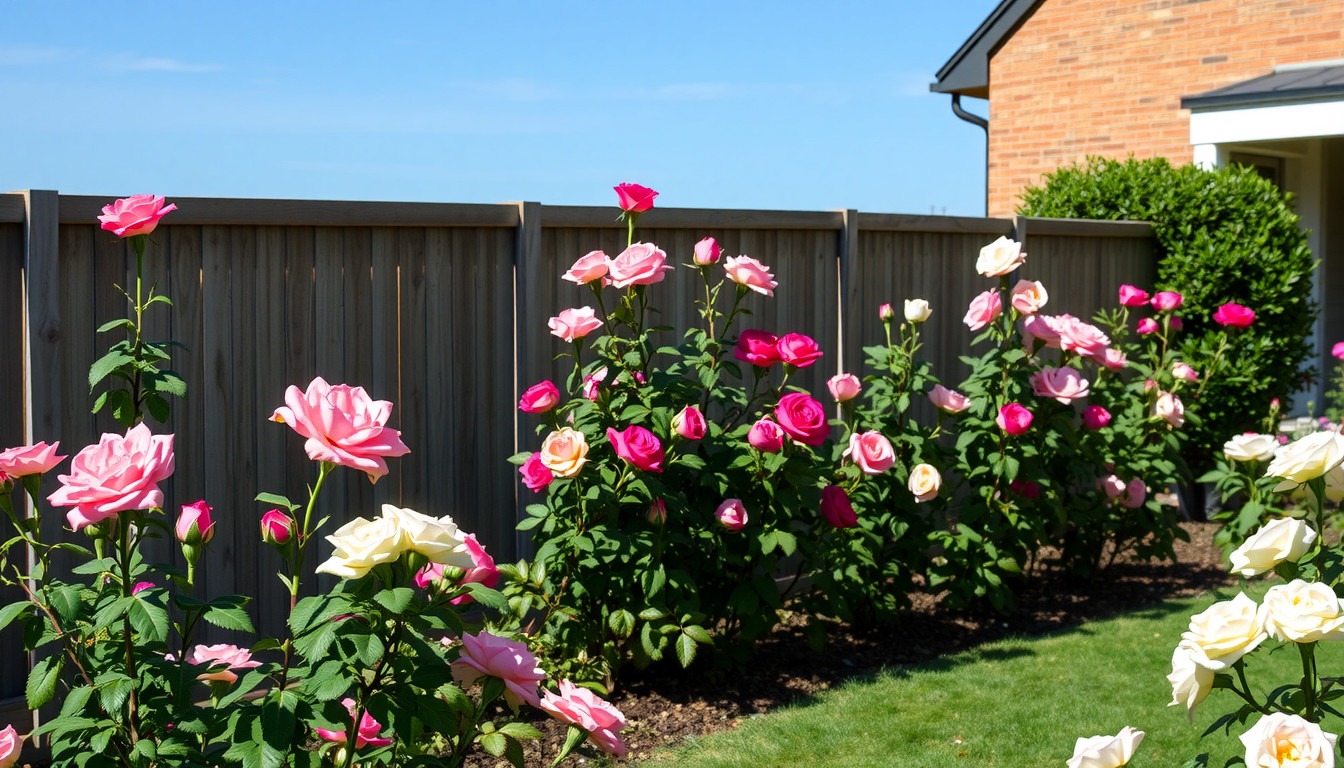
For general rose care, including standard roses, consult our guide on descriptive natural anchor, which covers essential techniques for optimal growth.
1. Physical Traits and Growth Form
Standard roses are cultivated primarily as single-trunk trees, characterized by a prominent, upright stem topped with a crown of flowers. This upright growth form can vary from compact, small-sized rose trees to large, commanding specimens that reach several feet in height. They typically display a robust, symmetrical structure, with some varieties featuring multiple blooms along a central stem, while others bloom in clusters or single flowers. The physical attributes include a range of bloom colors, sizes, and shapes, which can influence their visual impact in the landscape.
Table of Contents
Disclosure: As an Amazon Associate I earn from qualifying purchases.
If you're considering adding a standard rose, selecting a high-quality plant can make a difference. Shop suitable garden rose plant on Amazon (affiliate link).
2. Popular Varieties and Types
Among the most common varieties are rose trees and climbing forms that adopt the same standard, upright growth habit. Rose trees often resemble small ornamental trees, with a single main trunk and a rounded canopy of flowers. Climbing roses adapted into standard form can add vertical interest, frequently used on trellises or as standalone features. Other varieties, like hybrid tea or floribunda roses, are also adapted into standard shapes for uniform height and structure. Each type offers different bloom characteristics, from the large, fragrant blooms of David Austin’s rose trees to the more delicate, clustered flowers of floribunda standards.
3. Common Uses in Landscape Design
Standard roses serve as focal points by providing height and visual interest within garden settings. They are often placed at the end of garden pathways or used as centerpieces in flower beds. Their form makes them suitable for creating formal hedges or aligned rows, adding an element of symmetry and elegance. Additionally, their single-trunk design offers ease of pruning and maintenance, making them practical choices for both ornamental and functional garden uses. Their versatility in size and style allows landscape designers to incorporate them into a variety of themes, from traditional formal gardens to modern minimalist designs.
Choosing the Right Standard Rose Varieties for Your Garden
Selecting an appropriate standard rose depends on several practical considerations, including climate compatibility, desired size, and visual purpose. Standard roses, known for their single trunk and broad, showy blooms, can serve as elegant focal points or privacy screens. When choosing among common varieties, it’s crucial to match the rose’s specific growth characteristics with local growing conditions and your garden’s design objectives.
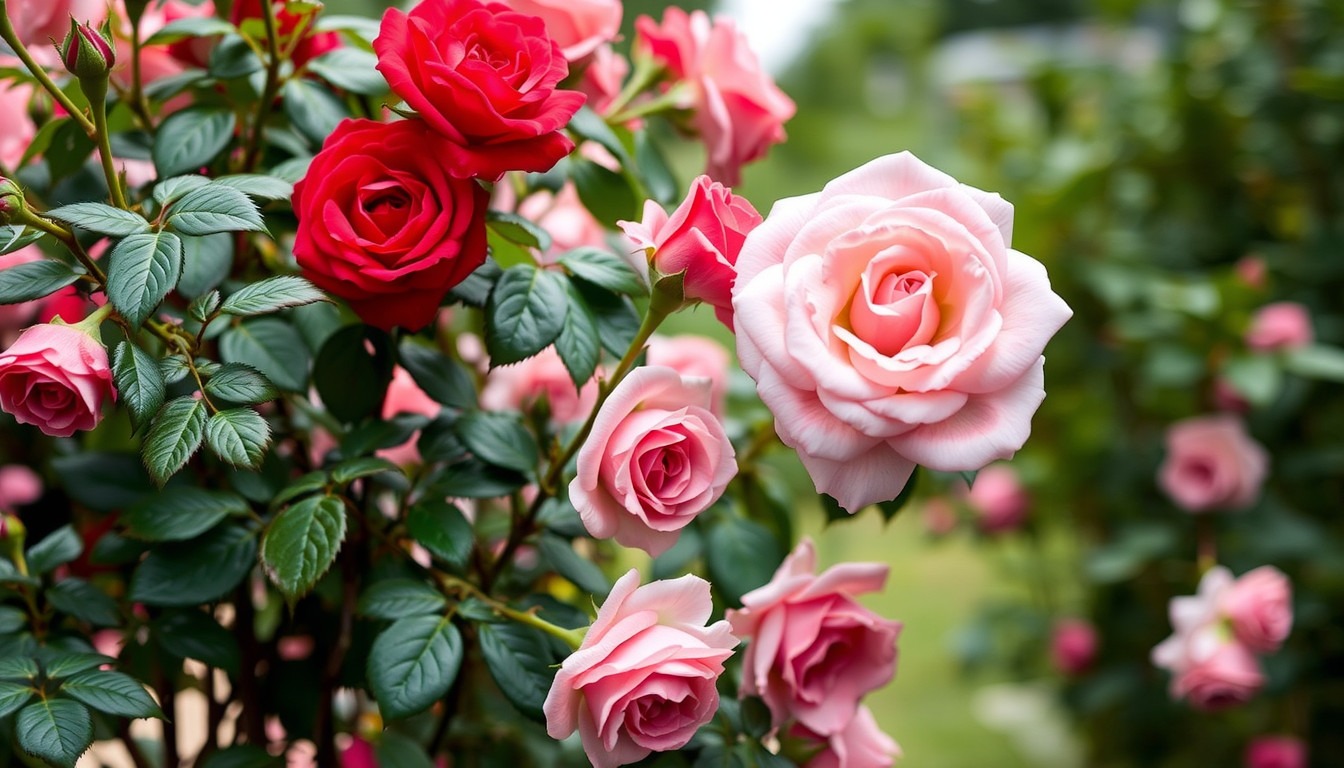
To select the best varieties, including those suited for your climate and aesthetic goals, see our recommendations on descriptive natural anchor, which helps identify suitable types.
1. Popular cultivars for different climates
In temperate regions, hardy cultivars such as the David Austin ‘Graham Thomas’ and historic favorites like the ‘Crimson Globe’ perform well, offering rich fragrance and vibrant blooms. Conversely, warmer climates may favor drought-tolerant varieties like the ‘Boscobel’ or resilient hybrid teas, which can withstand heat and periods of drought. Knowing which varieties are adapted to your local climate can extend the lifespan and beauty of your standard rose tree.
Choosing the right cultivar ensures your roses thrive in your garden environment. Shop suitable climate suitable rose varieties on Amazon (affiliate link).
2. Size considerations and growth habits
The mature height of standard roses typically ranges from 3 to 6 feet, but some cultivars may grow taller, especially under optimal conditions. The growth habit—whether upright, slightly spreading, or bushy—affects placement and spacing in your garden. For limited space, smaller cultivars like ‘Crown Princess Margareta’ are suitable, whereas larger, more imposing plants like ‘Queen Elizabeth’ can serve as the centerpiece of a landscape feature.
3. Flower characteristics and bloom times
Standard roses come in various colors, scents, and bloom seasons. For extended flowering periods, select cultivars such as the ‘Heritage’ or ‘Eden’ that bloom repeatedly. Flower size ranges from petite, delicate blooms to large, cup-shaped blossoms that make a dramatic display. Considering your preferred visual impact and bloom time ensures your standard rose enhances your garden throughout multiple seasons.
Matching variety traits with environmental factors and garden goals will help in selecting a standard rose that is both visually appealing and suited to your outdoor space. Evaluating size, appearance, and climatic adaptability will support a successful and gratifying rose-growing experience.
How to Grow and Maintain Standard Roses Successfully
Growing standard roses requires attention to specific planting, care, and seasonal practices to ensure healthy growth and abundant blooms. Proper cultivation techniques reduce common problems and extend the lifespan of your rose tree.
For detailed cultivation techniques, including soil, watering, and pruning specific to standard roses, refer to our guide on descriptive natural anchor.
1. Soil preparation and planting tips
Choose well-draining soil with a slightly acidic to neutral pH, ideally between 6.0 and 7.0. Before planting, amend the soil with organic matter such as compost to improve fertility and moisture retention. Position the rose tree so that the graft union is about 2-3 inches below soil level, which encourages stability and healthy root development. Plant in a location with at least 6 hours of direct sunlight daily to promote vigorous flowering. Space standard roses adequately—generally 3 to 4 feet apart—to allow ample air circulation and reduce disease risk.
Healthy soil is foundational for successful rose cultivation, and soil amendments can help. Shop suitable rose planting soil amendments on Amazon (affiliate link).
2. Watering, feeding, and pruning schedules
Provide consistent watering, especially during dry spells, to keep the soil evenly moist but not waterlogged. Deep watering encourages roots to grow downward and improves drought resistance. Fertilize every 4-6 weeks during the growing season with a balanced rose fertilizer that supplies nitrogen, phosphorus, and potassium. Carefully prune in late winter or early spring to remove dead, damaged, or crossing branches. Shape the plant to maintain an open canopy, which enhances air flow and light penetration, supporting healthy growth and flowering. Deadheading spent blooms encourages continued flowering, especially on repeat-blooming varieties.
3. Seasonal care practices
In early spring, apply a restorative mulch around the base to insulate roots and suppress weeds. During active growth months, monitor for signs of pests and diseases such as aphids or black spot, and treat promptly with appropriate organic or chemical controls. In autumn, cut back dead or weak growth, and apply a winter protective mulch or cover in colder climates to prevent frost damage. Regularly inspect plants for signs of stress or nutrient deficiencies, adjusting watering and feeding routines accordingly. Timely maintenance, combined with proper environmental adjustments, ensures resilient, healthy standard roses year-round.
Common Problems with Standard Roses and How to Address Them
Standard roses are generally robust, but they can develop health issues caused by pests and diseases. Recognizing symptoms early and applying the right treatments can save plants from serious damage.
For managing pests like aphids and other common issues with roses, including standard types, see our article at descriptive natural anchor.
1. Black spot, powdery mildew, and pests
Black spot causes dark lesions on leaves, leading to defoliation if untreated. Powdery mildew presents as white, powdery patches on foliage, frequently during humid weather. Pests like aphids and spider mites often cluster on new growth, sucking sap and stunting development. Identifying these issues promptly helps in effective management.
Early intervention with appropriate treatments can protect your roses from common issues. Shop suitable rose disease and pest treatments on Amazon (affiliate link).
2. Prevention strategies
Implementing preventive measures significantly reduces disease and pest incidence. Select rose varieties with natural resistance to common pests and diseases, such as those labeled as disease-resistant. Maintain good garden hygiene by promptly removing fallen or infected leaves, which harbor pathogens. Ensure proper spacing between plants for airflow, reducing humidity around foliage, which is conducive to fungal growth. Applying a preventive fungicide or horticultural oil in early spring can also help ward off fungal infections before they appear.
3. Treatment options and when to seek expert help
For black spot and powdery mildew, use targeted fungicides, following manufacturer instructions for application frequency. Organic options include sulfur or neem oil treatments, which can be applied at first signs of trouble. Pests like aphids respond well to insecticidal soaps or horticultural oils; regular monitoring allows for quick response. Severe infections, persistent pest issues, or uncertain diagnoses should prompt consultation with a professional or local extension office to avoid unnecessary plant loss.
| Issue | Symptoms | Causes | Treatment |
|---|---|---|---|
| Black spot | Dark spots on leaves, leaf drop | Fungal pathogen Diplocarpon rosae, high humidity | Fungicides, pruning infected leaves, improving air circulation |
| Powdery mildew | White powder on leaves | Fungal infections in humid conditions, poor airflow | Sulfur or neem oil, selective fungicides, remove affected foliage |
| Aphids | Sticky residue, curling leaves, distorted growth | Soft-bodied insects, often in early spring or summer | Insecticidal soap, neem oil, natural predators like ladybugs |
| Spider mites | Webbing, speckled leaves, leaf drop | Dry conditions, heat stress | Horticultural oils, miticides, increase humidity |
Integrating Standard Roses into Garden Design: Ideas and Tips
Standard roses offer versatile options for enhancing garden aesthetics through their height, structure, and visual appeal. Their distinct upright form makes them ideal for creating focal points, defining boundaries, and adding height to plant arrangements. When strategically placed, standard roses can serve as centerpiece features or functional elements such as privacy screens and boundary markers. In planning garden layouts, consider how their upright growth complements other plants, filling vertical space and contributing to overall balance. They are especially well-suited for planting along pathways, where their form guides the eye, or at the edges of garden beds to create natural borders. Moreover, their height and visual interest make them excellent for framing entrances or accentuating specific garden areas. Combining standard roses with lower-growing shrubs and perennials introduces layered textures and colors, enriching the garden’s complexity and visual harmony.
Learn how to incorporate standard roses into your landscape for visual appeal and design harmony by visiting our article on descriptive natural anchor.
1. Creating a rose focal point
Plant a standard rose in the center of a flower bed or at the intersection of pathways to draw visitors’ attention. Use larger, more elaborate varieties for a dramatic effect, and consider lighting options to highlight the bloom and structure during evening hours. The height and distinctive form of standard roses ensure they stand out, serving as a natural focal point in the landscape.
2. Using standard roses as boundary or backdrop
Line standard roses along property boundaries or around seating areas to create natural privacy screens. Their vertical growth habits help define spaces without the need for fences, while their flowering tops introduce seasonal color. This approach provides a graceful, living barrier that blends seamlessly with other garden elements, especially when paired with evergreen shrubs or climbing plants for additional privacy or texture.
3. Combining with other plants
Integrate standard roses with perennials and groundcovers for a layered planting scheme. Pairing them with lavender, salvia, or low-growing ornamental grasses enhances visual interest and extends flowering seasons. The structural height of standard roses complements the softer textures of surrounding plants, contributing to a balanced and dynamic garden composition. Careful selection of flower colors and bloom times ensures a cohesive and vibrant display across seasons, maximizing the aesthetic and functional benefits of incorporating standard roses into diverse garden designs.
Frequently Asked Questions
1. How long do standard roses typically live?
Standard roses can live from 10 to 20 years, depending on care, climate, and variety.
2. What are best practices for pruning standard roses?
Prune in late winter or early spring, removing dead, diseased, or crossing branches, and shape the canopy to promote healthy growth and flowering.
3. Which varieties are most resistant to pests?
Varieties like ‘Knock Out’ and certain hybrid teas are bred for pest resistance, reducing the need for chemical treatments.
4. Can standard roses grow in containers?
Yes, selecting a large, well-draining pot and providing consistent watering and soil fertility allows standard roses to thrive in containers.
5. What diseases commonly affect standard roses?
Common issues include black spot, powdery mildew, rust, and botrytis, which can be managed with proper sanitation and fungicide applications.
6. How often should I fertilize standard roses?
Fertilize monthly during the growing season with a balanced fertilizer to support healthy flowering and growth.
7. What are signs of poor health in standard roses?
Wilting, discolored or spotted leaves, poor blooming, and stunted growth indicate potential health problems requiring attention.